
The transition from the high-intensity demands of winter slopes to the more varied activities of the summer months often leads to a deconditioning phase that can increase the risk of injury when the first snow falls. While the majority of recreational skiers only engage with the sport for half the year, sports medicine experts and professional trainers emphasize that maintaining ski shape is a year-round commitment. The muscle groups required to navigate deep powder, stabilize through moguls, and maintain an athletic stance during high-speed descents require consistent engagement to remain functional. By establishing a solid physical foundation during the off-season, skiers can develop the necessary resilience to prevent common ailments such as lower back pain, hip strain, and catastrophic knee injuries.
The Physiological Demands of Alpine Skiing
Alpine skiing is a unique athletic endeavor that requires a combination of eccentric muscle strength, isometric stability, and explosive power. Unlike many traditional sports that operate primarily in the sagittal plane (forward and backward movement), skiing demands high levels of proficiency in the frontal plane (side-to-side) and transverse plane (rotational). This multi-planar movement profile places significant stress on the joints, particularly the knees and hips.
Statistical data from the National Ski Areas Association (NSAA) and various sports medicine journals indicate that knee injuries remain the most prevalent trauma in the sport, accounting for approximately 30% to 40% of all reported skiing injuries. Of these, Anterior Cruciate Ligament (ACL) tears are the most frequent, often occurring due to a combination of fatigue, poor core control, and inadequate muscular support around the knee joint. Furthermore, the "Phantom Foot" phenomenon—a common mechanism for ACL injury where the tail of the downhill ski acts as a lever to twist the knee—can often be mitigated if the skier possesses sufficient hip and core strength to maintain proper alignment under duress.
The Strength Assessment: The Side Plank Test
Before embarking on a rigorous off-season training regimen, it is essential for athletes to assess their current baseline of stability and strength. One of the most effective diagnostic tools for skiers is the Side Plank Test. This exercise provides a clear window into the functional capacity of the hips, trunk, and core, specifically targeting the obliques and the gluteus medius. These muscles are responsible for stabilizing the pelvis and preventing the "valgus collapse" of the knee, a primary precursor to ligamentous injury.
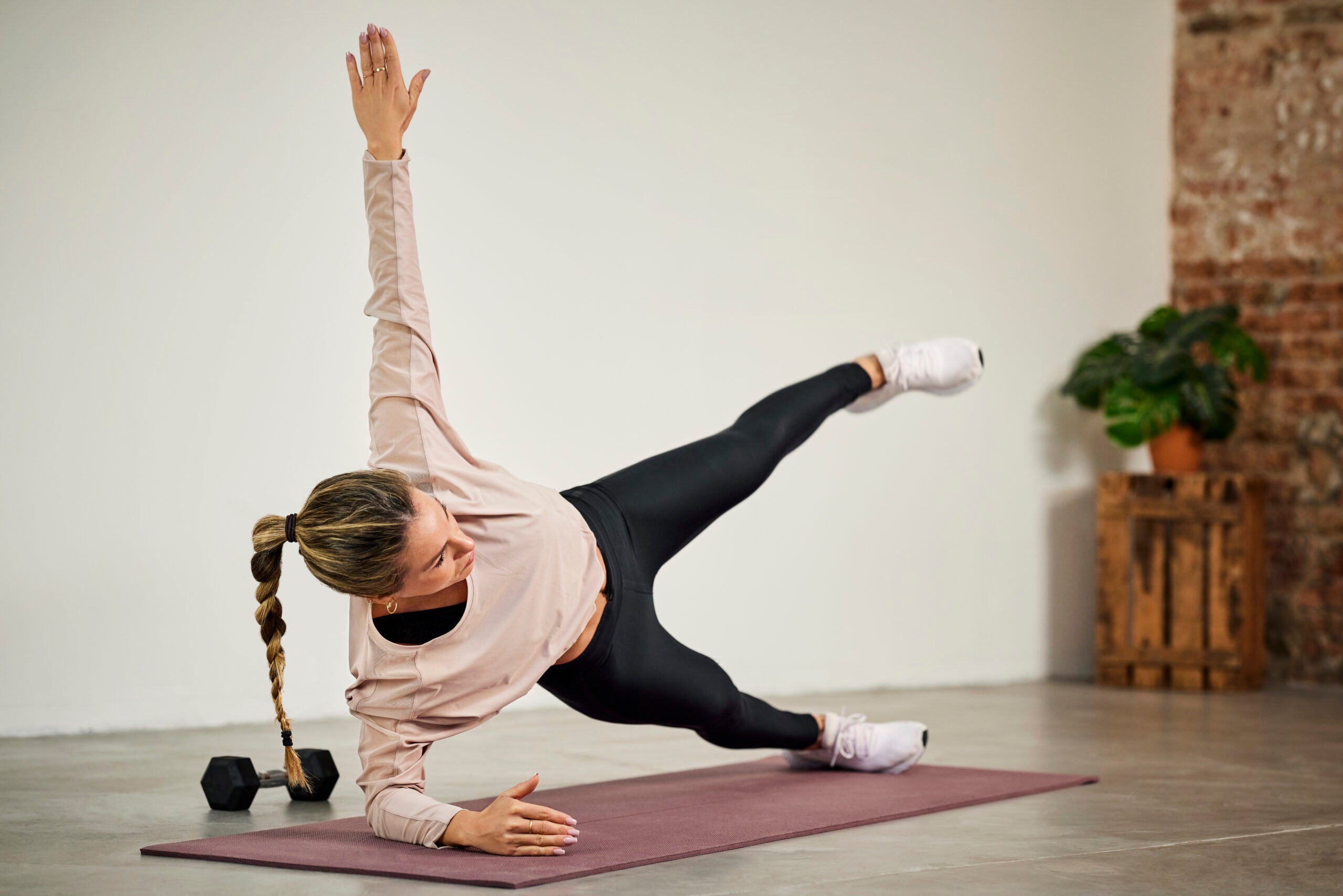
To perform the Side Plank Test, an individual must lie on their side with the elbow positioned directly beneath the shoulder. The legs should be stacked, and the hips lifted until the body forms a straight line from the head to the feet. Once stability is established, the individual lifts the top leg to hip height, holds for one second, and slowly lowers it back down.
The objective of the test is to observe when form begins to degrade. Signs of failure include the shoulder collapsing, the hips sagging toward the floor, or the torso rotating out of alignment. While a typical skier might manage five controlled repetitions per side, the benchmark for a well-conditioned athlete is between 10 and 15 repetitions with perfect form. Discrepancies between the left and right sides are particularly noteworthy, as muscular imbalances are a leading cause of compensatory movements that lead to chronic pain.
A Chronology of Off-Season Training Phases
Effective ski conditioning follows a periodized schedule that aligns with the calendar year. This ensures that the athlete is not only strong but also peaked for the specific demands of the winter season.
- Recovery and Mobility (April – May): Following the close of the ski season, the focus shifts to addressing minor injuries and restoring joint mobility. This phase emphasizes flexibility in the hip flexors and ankles, which often become tight after months of being locked in rigid ski boots.
- Base Strength and Stability (June – August): This mid-summer phase focuses on building a foundation of functional strength. This is where the core exercises—such as lunges, step-ups, and rows—are introduced to build muscle mass and stabilize the joints.
- Hypertrophy and Power (September – October): As the season approaches, the intensity increases. The focus shifts toward explosive movements and eccentric loading to prepare the muscles for the "gravity-fed" nature of skiing.
- Sport-Specific Integration (November): In the weeks leading up to the first trip, training incorporates more balance-based work and high-intensity interval training (HIIT) to mimic the cardiovascular demands of long descents.
Five Essential Exercises for the Off-Season Skier
To address the specific biomechanical needs of skiing, the following five exercises should be integrated into a bi-weekly or tri-weekly strength routine.
1. Lateral Lunges
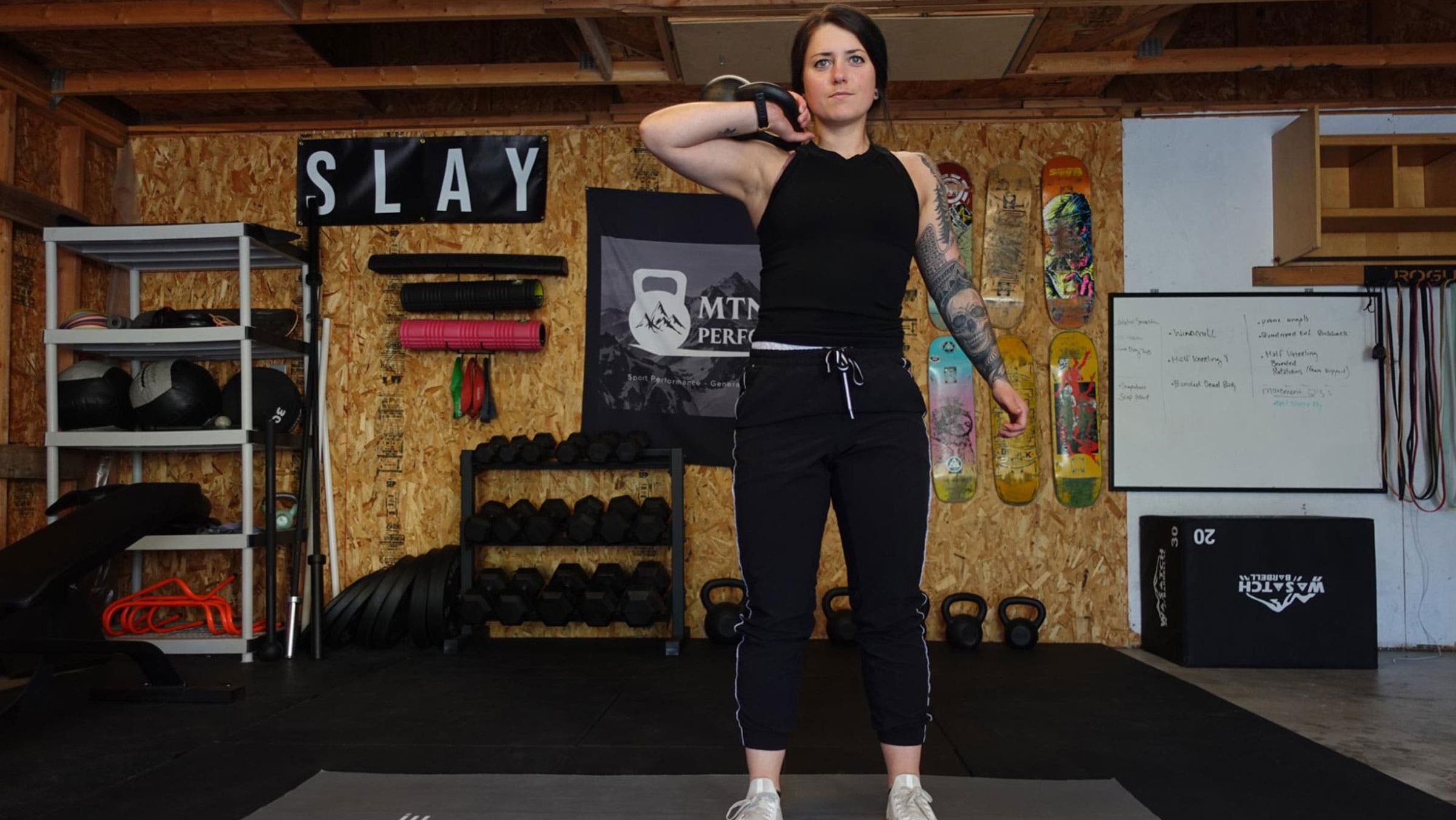
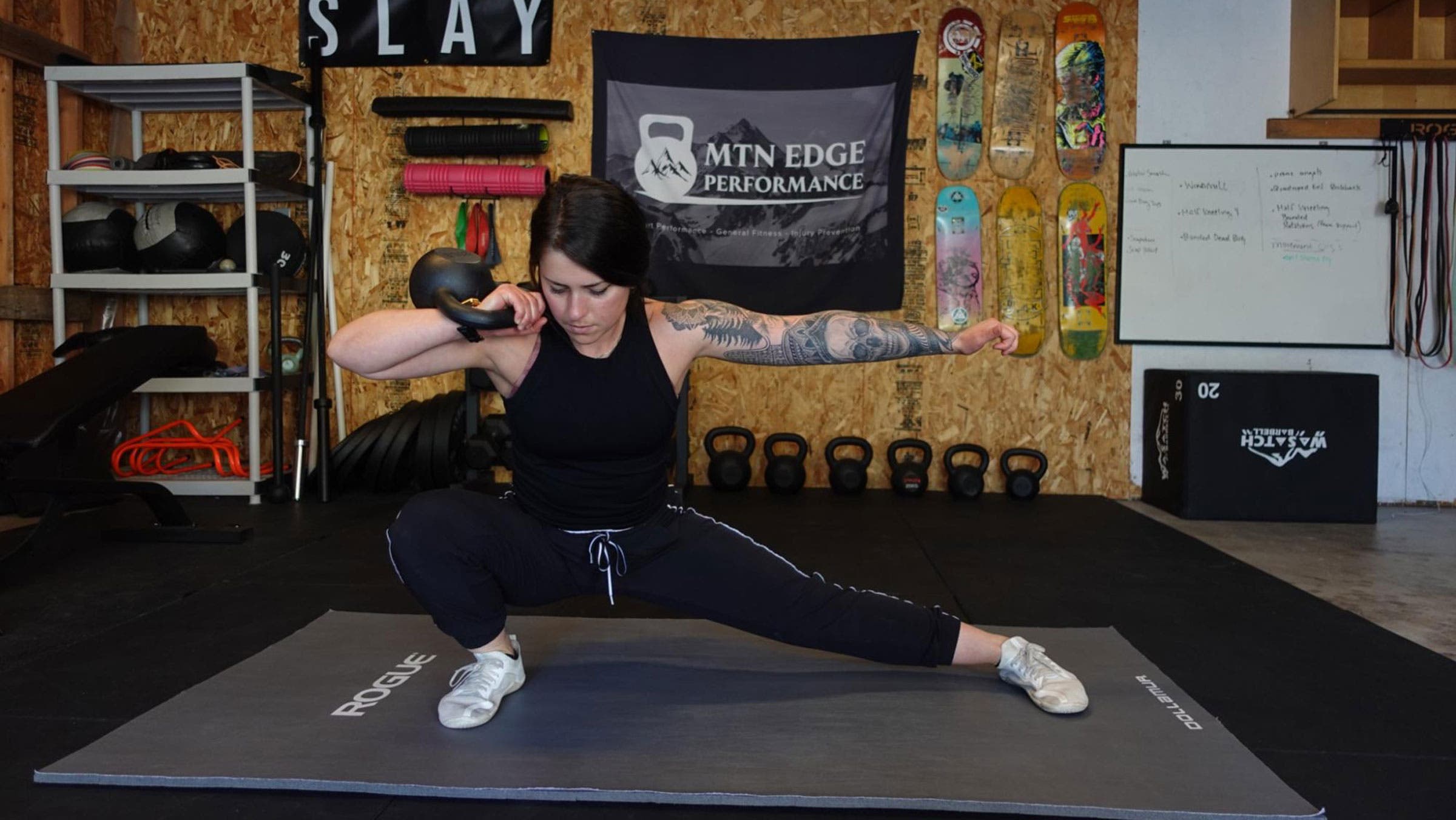
Traditional forward lunges are beneficial, but the lateral lunge is superior for skiers because it mimics the lateral weight transfer required for carving turns. This movement builds robust hip strength and improves the capacity of the adductors and abductors to control the lower extremities.
To execute a lateral lunge, stand with feet hip-width apart. Take a wide step to one side, keeping the trailing leg straight while hinging at the hips and bending the knee of the lead leg. The chest should remain upright. Aim for eight to 12 repetitions per side. For advanced progression, holding a kettlebell in the "front rack" position increases the demand on the core and upper back.
2. Step-Ups
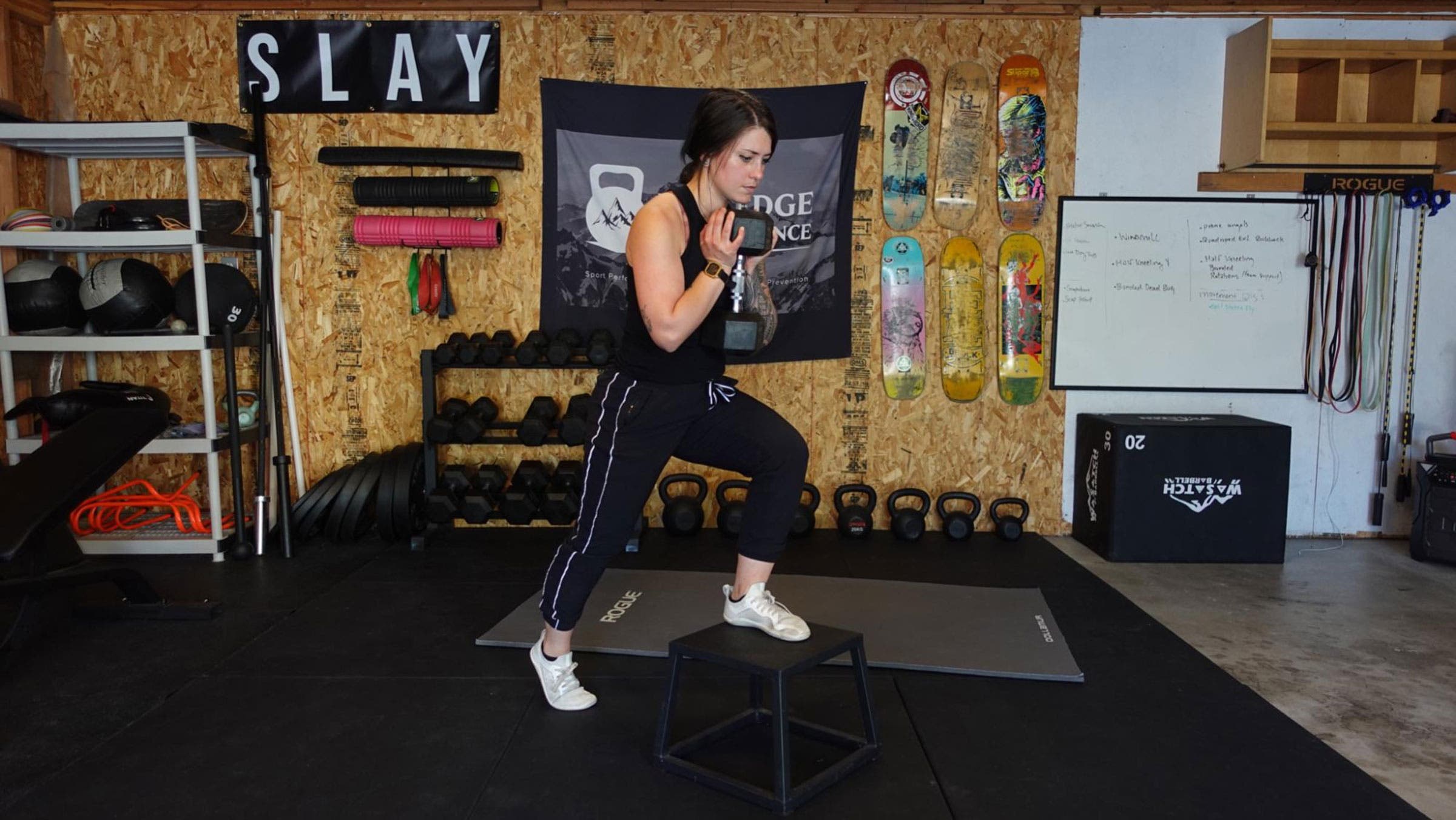
Step-ups are a fundamental unilateral exercise that addresses strength imbalances between the legs. For skiers, unilateral strength is vital because the majority of the forces during a turn are managed by the "outside" leg. Step-ups target the glutes, hamstrings, and quadriceps while demanding high levels of single-leg stability.
Using a box or bench at shin or knee height, place one foot firmly on the surface. Drive through the heel to stand up, bringing the opposite knee toward the chest. Lower back down with control, emphasizing the "eccentric" or lowering phase, as this mimics the muscle’s role in absorbing impact on the slopes. Complete eight to 12 repetitions before switching legs.
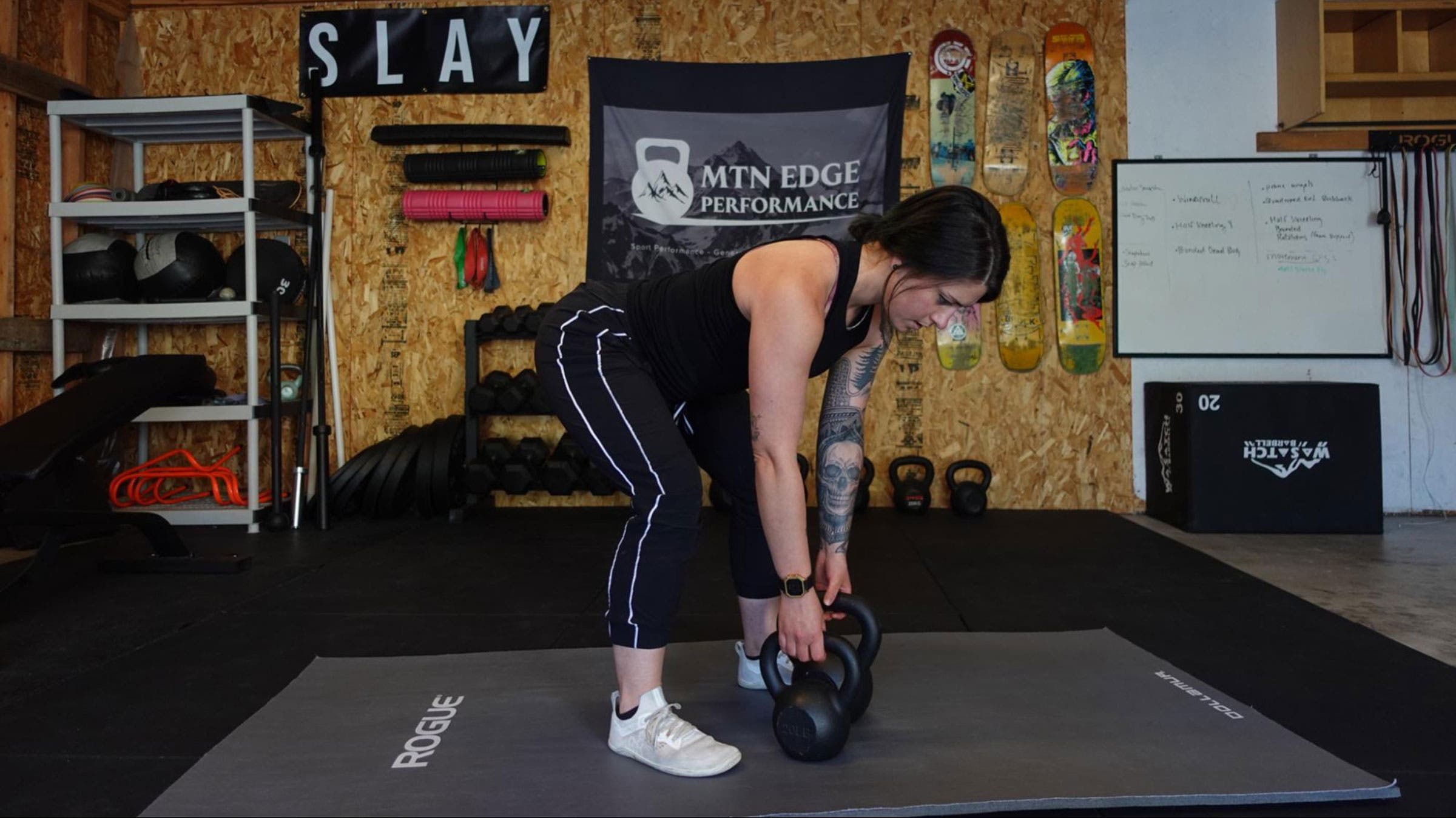
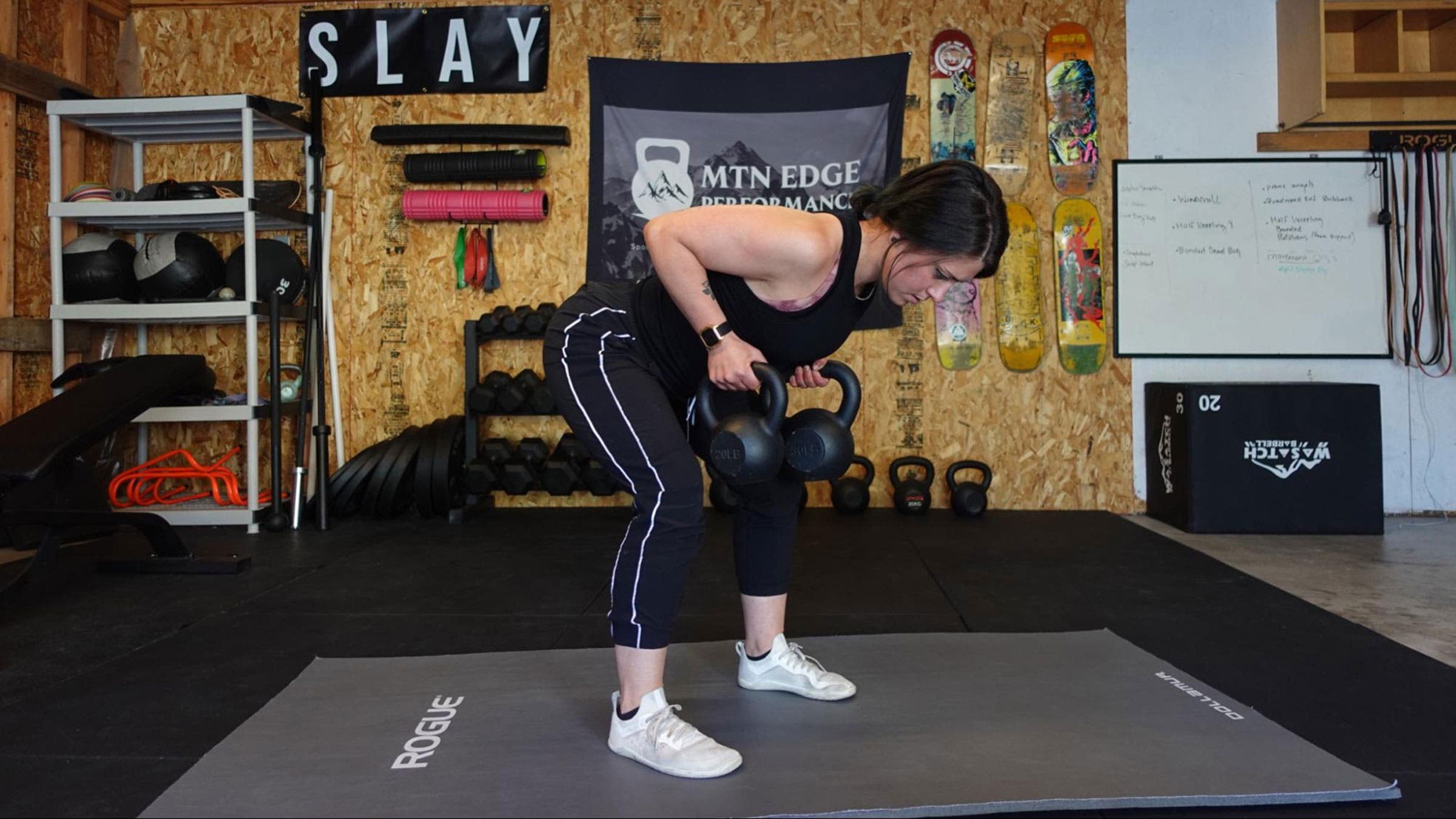
3. Gorilla Row
While skiing is often viewed as a lower-body sport, the posterior chain and upper back play a critical role in maintaining an aerodynamic and stable "ready position." The Gorilla Row is a specialized variation that targets the lower back, core, and erector spinae. These muscles act as shock absorbers when navigating uneven terrain or landing jumps.
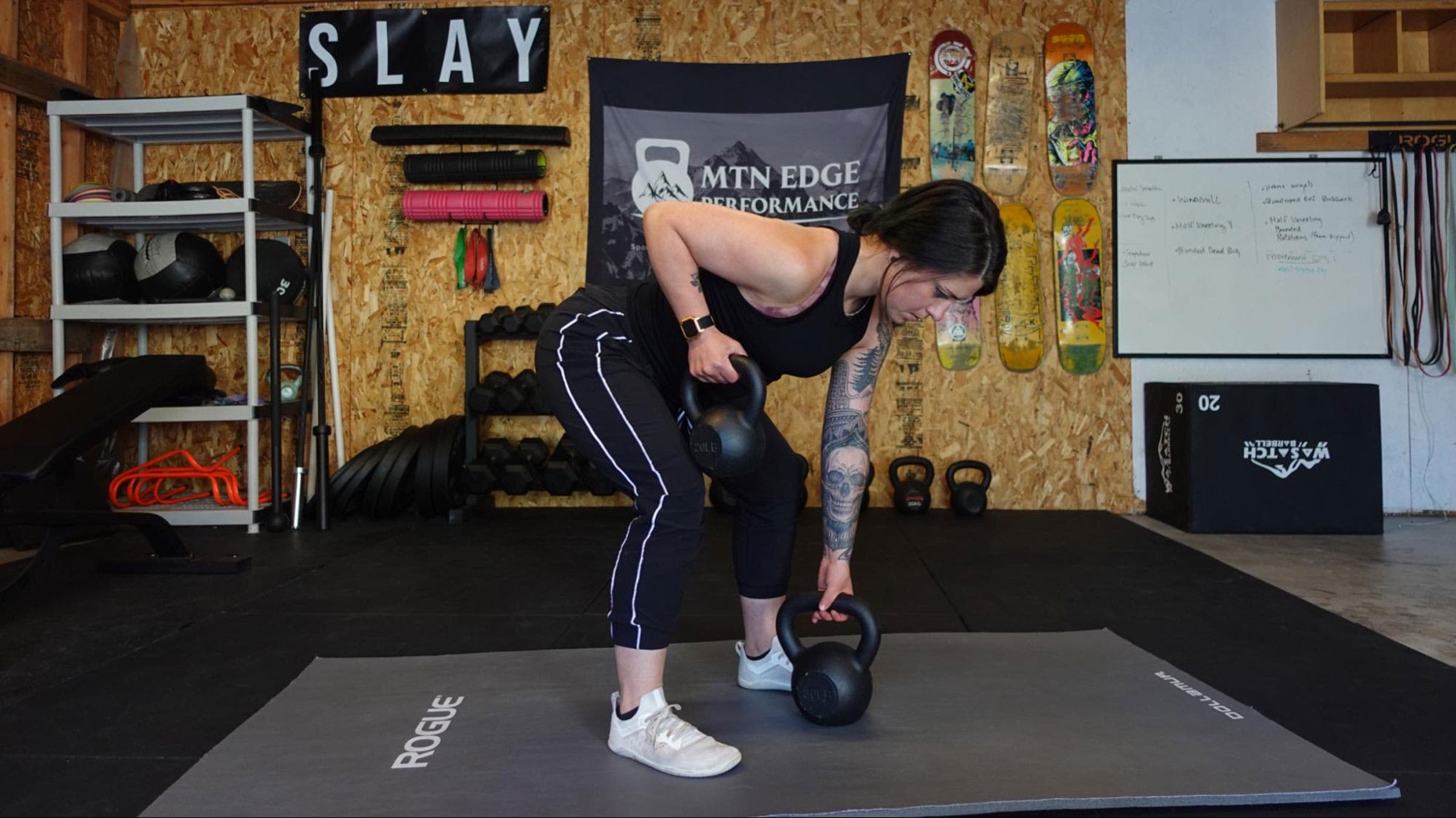
To perform the Gorilla Row, stand with feet wider than shoulder-width and two kettlebells on the floor between the feet. Hinge at the hips until the back is flat and parallel to the floor. Keeping one kettlebell grounded for stability, row the other toward the hip, engaging the lats and maintaining a neutral spine. Alternate sides for eight to 12 repetitions.
4. Suitcase March
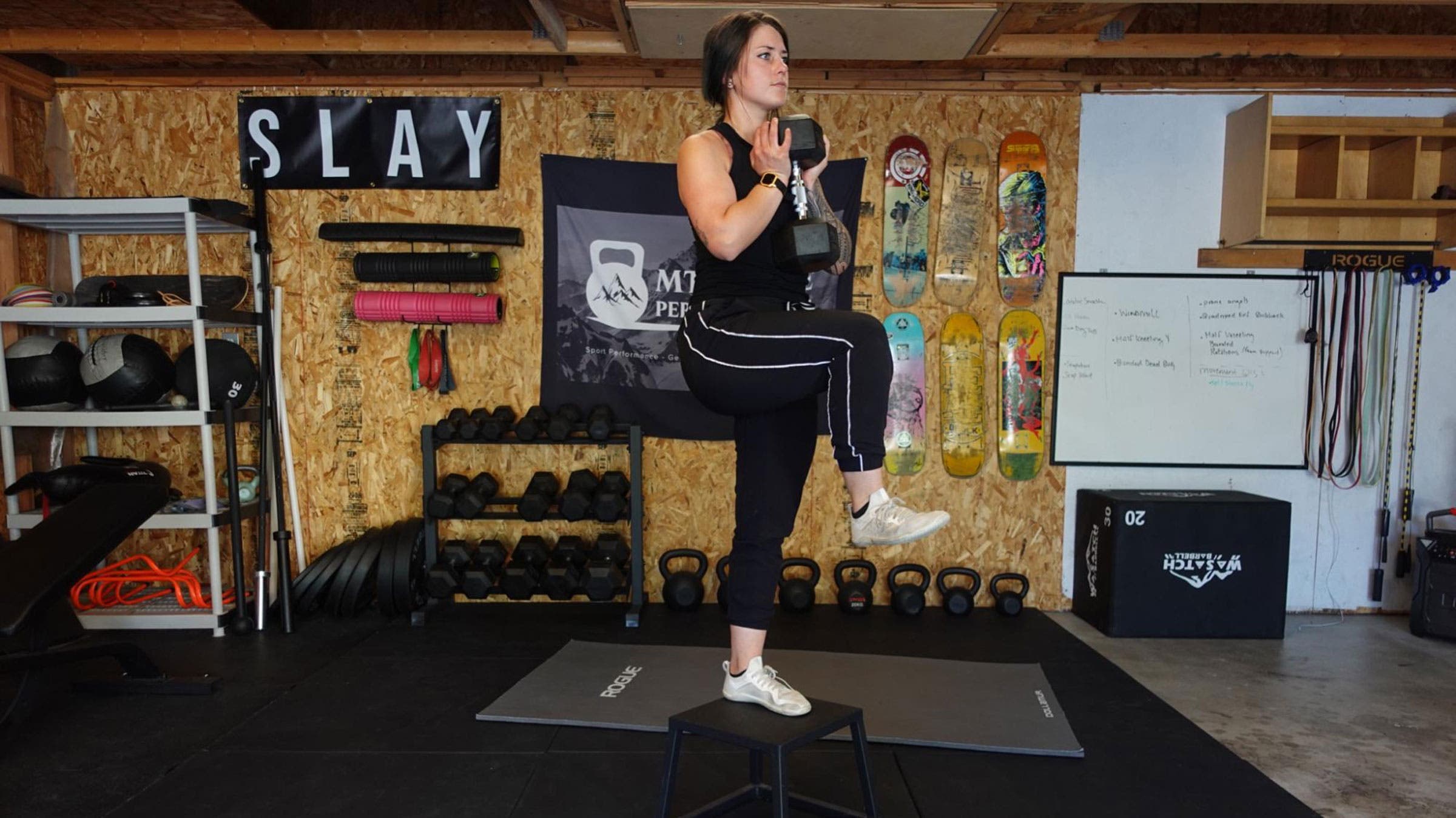
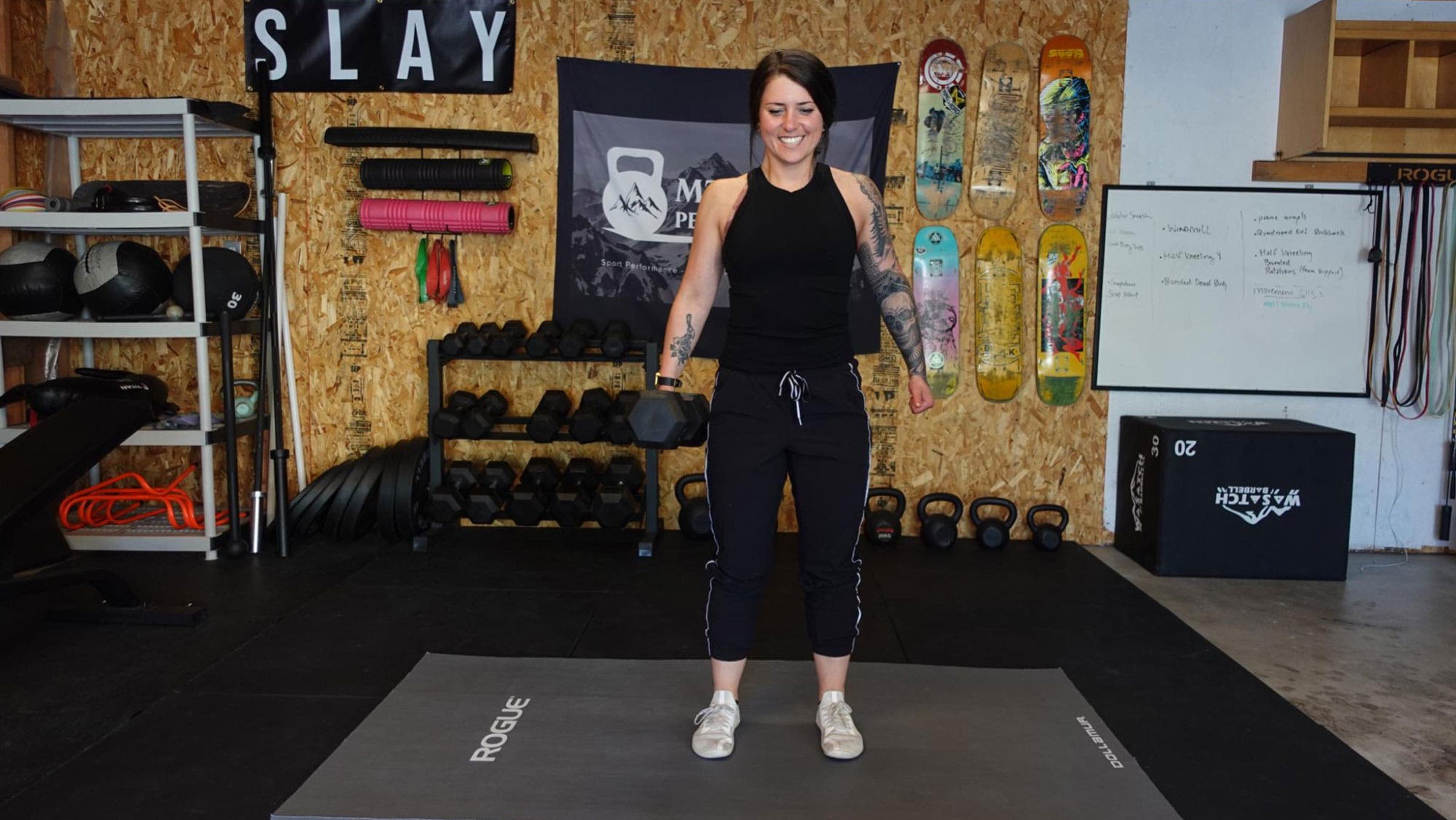
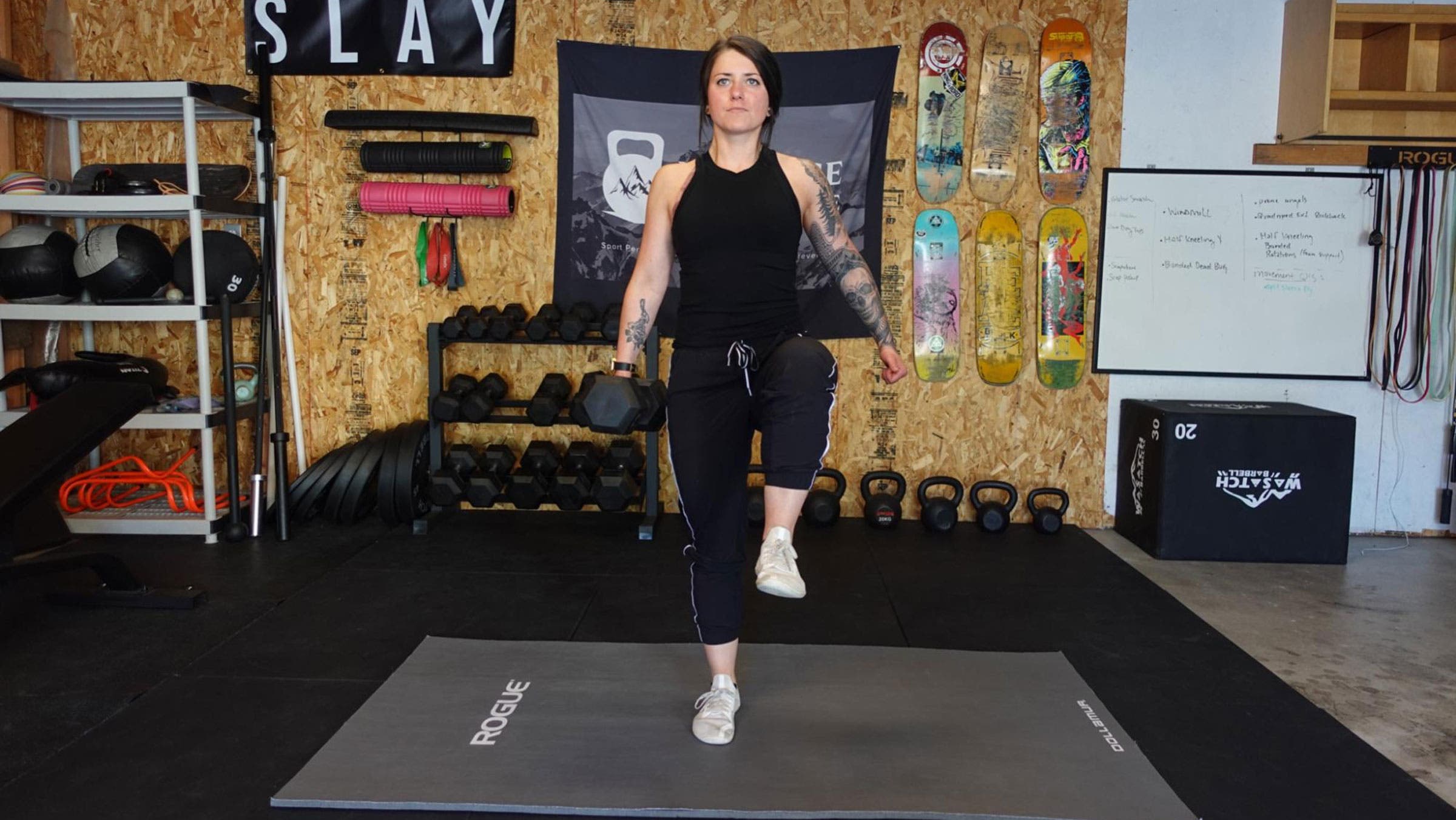
The Suitcase March is an "anti-lateral flexion" exercise. In skiing, when you hit a bump or change in snow consistency, the forces attempt to pull your torso to one side. This exercise trains the deep stabilizers of the core to resist that pull, protecting the spine.
Hold a single heavy dumbbell or kettlebell in one hand, as if carrying a suitcase. Stand tall and begin marching in place, lifting the knees to hip height. The goal is to keep the shoulders perfectly level despite the uneven weight distribution. Perform this for 30 to 60 seconds per side.
5. Plank Pull-Through
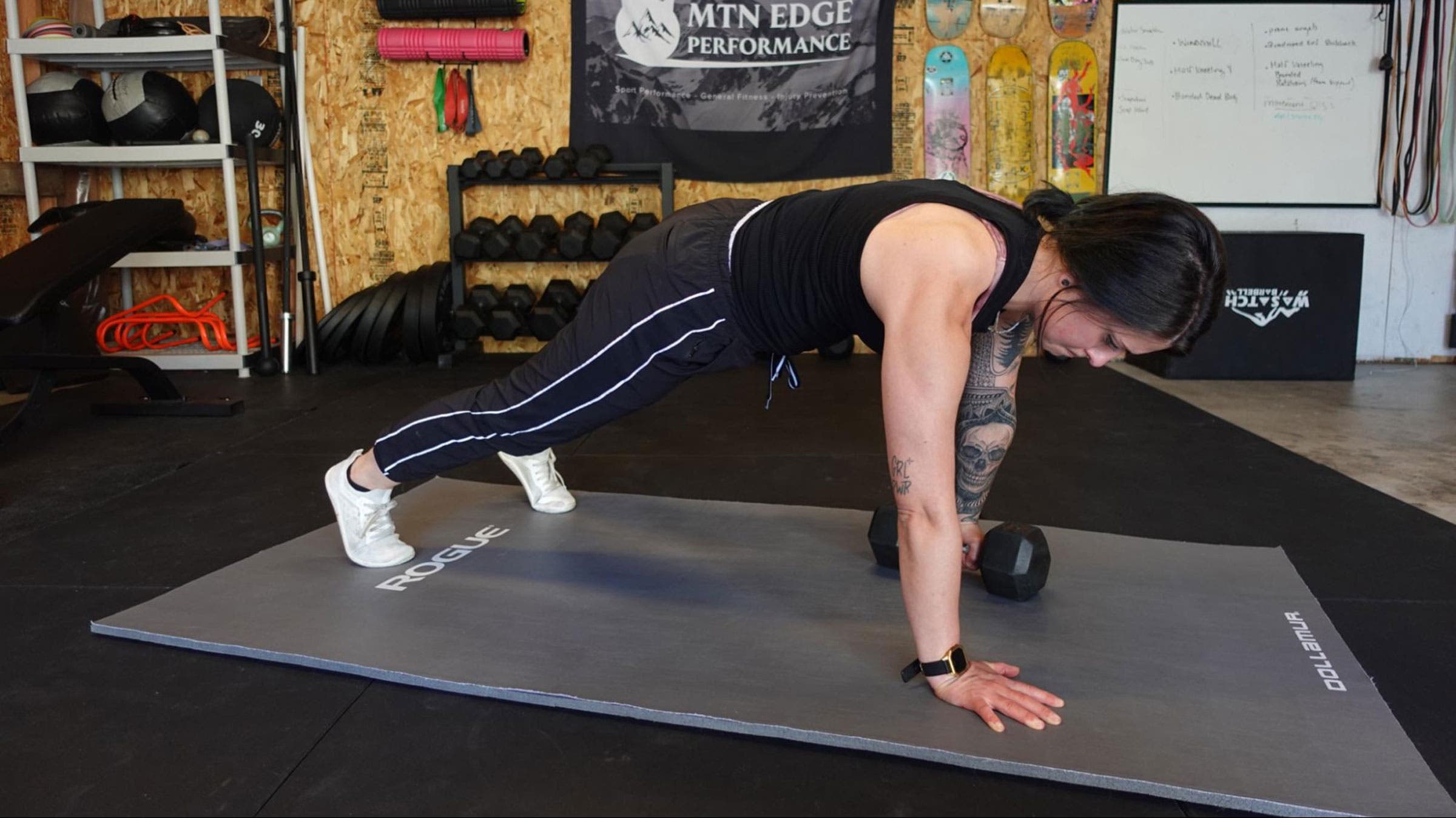
This exercise is a sophisticated variation of the standard plank that introduces a rotational challenge. It forces the transverse abdominis and obliques to work together to keep the torso stationary while the limbs move—a direct mirror of the "separated" upper and lower body movement required in short-radius turns.
Start in a high plank position with a dumbbell placed on the floor to the outside of the right hand. Reach across with the left hand, grab the weight, and pull it across to the left side. Repeat the movement with the right hand. Ensure the hips do not rotate during the transition. Complete two to four sets of 30 to 50 seconds.
Broader Impact and Expert Analysis
The shift toward year-round functional training represents a broader trend in the outdoor industry toward "athletic longevity." Professional ski instructors and mountain guides have long noted that the "weekend warrior" demographic is most at risk for season-ending injuries during the first and last hours of a ski trip, primarily due to muscular fatigue.
Physical therapists argue that the economic impact of these injuries is substantial, considering the high costs of orthopedic surgery, rehabilitation, and lost productivity. By investing in off-season conditioning, recreational skiers not only enhance their performance and enjoyment of the sport but also significantly reduce the long-term healthcare costs associated with joint degeneration.
Furthermore, the integration of core-to-extremity power development has changed the way skiing is taught. Modern ski technique relies less on sheer leg strength and more on the ability of the core to manage the forces generated by high-performance equipment. As such, the exercises outlined above are not merely "gym work"; they are the foundational movements that allow a skier to maintain technical precision from the first chair to the last.
In conclusion, the path to a successful and pain-free ski season begins months before the first snowflake falls. Through consistent assessment via the Side Plank Test and the diligent application of multi-planar exercises, athletes can ensure that their bodies are prepared for the rigors of the mountain. This proactive approach to fitness is the most effective tool available for injury prevention and peak performance in one of the world’s most physically demanding sports.

