
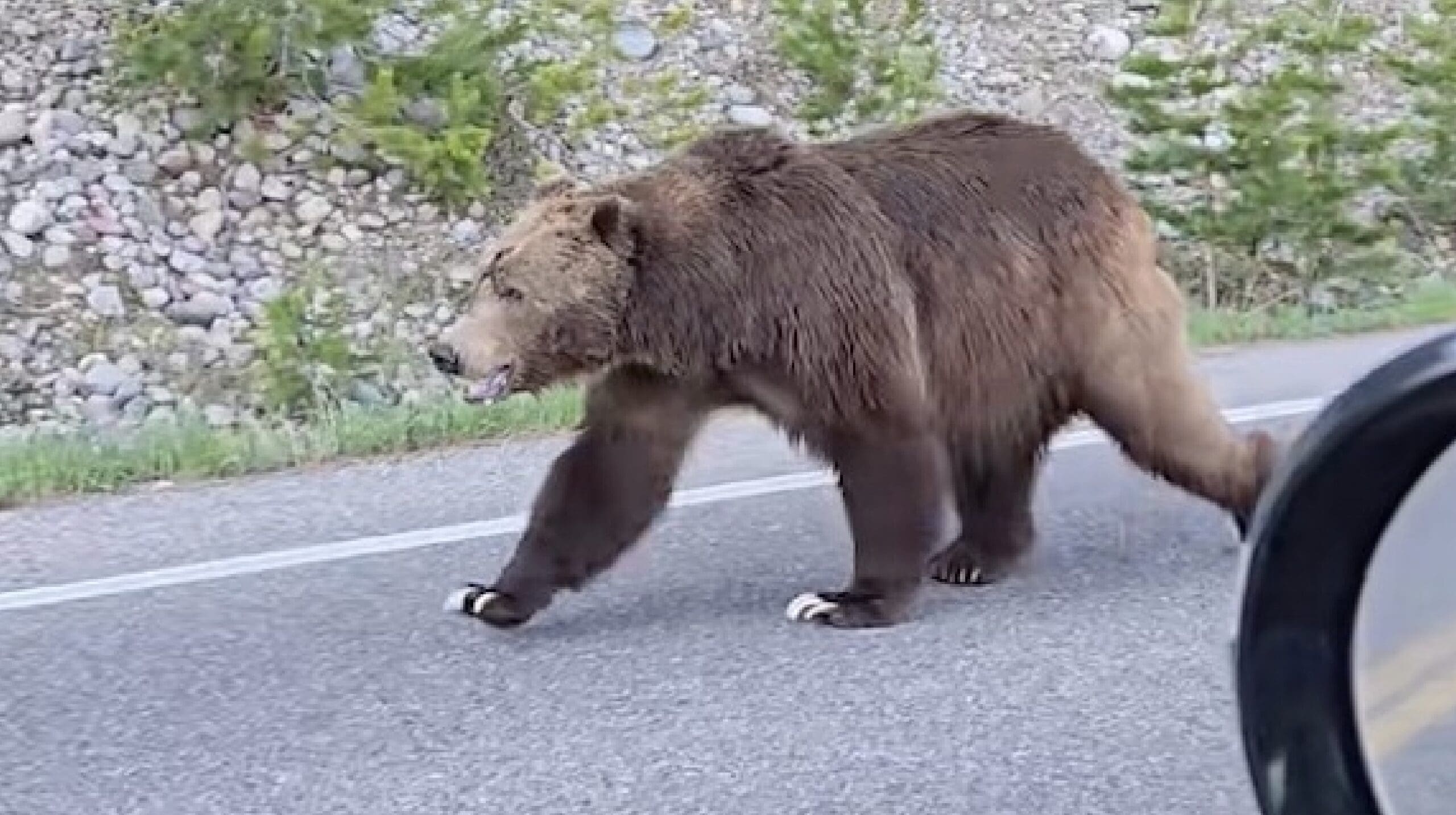
Grand Teton National Park, a sprawling expanse of nearly 310,000 acres in Wyoming, is renowned for its dramatic mountain peaks, pristine lakes, and diverse plains. This iconic landscape also serves as a vital habitat for a growing population of grizzly bears, a species that commands both awe and respect. Recent observations have highlighted the powerful presence of these magnificent animals, with a particularly striking moment captured by a visitor showcasing the formidable claws of a grizzly bear as it traversed the park’s paved roadways.
The incident, documented by Colorado-based photographer Kristen Hayes, occurred as she was driving through Grand Teton National Park. Hayes, an experienced wildlife observer, voluntarily pulled her vehicle over to allow a grizzly bear ample space to pass. While observing the bear’s unhurried progress, the distinct sound of its claws striking the asphalt was audible, a visceral reminder of the animal’s raw power and natural adaptations. The image and accompanying sound offer a unique perspective on the coexistence between humans and wildlife in this protected environment.
Grizzly bears (Ursus arctos horribilis) are apex predators characterized by their immense size, strength, and distinctive hump on their shoulders, which is a mass of muscle used for digging. Their forelimbs are equipped with long, non-retractable claws, which can measure up to four inches in length. These powerful claws are essential tools for survival, utilized for digging for roots and rodents, excavating dens, and tearing apart carrion. The audible clatter of these claws on pavement, as captured by Hayes, underscores their significant physical presence and the natural soundscape of the wilderness.
Active Bear Presence and Safety Mandates
Grand Teton National Park authorities have consistently emphasized the active presence of grizzly bears throughout the park. This ongoing activity necessitates adherence to stringent safety guidelines to ensure both human safety and the well-being of the bears. The park’s official advisories underscore the critical importance of maintaining a substantial distance from these animals. Visitors are strongly advised to remain at least 100 yards away from grizzly bears and wolves, and a minimum of 25 yards from other wildlife.
A key directive during roadside wildlife encounters, including those with grizzlies, is to remain inside one’s vehicle. This measure provides a crucial safety buffer, preventing direct interaction and minimizing the risk of startling or provoking the animal. The incident captured by Hayes exemplifies this protocol, with the photographer prioritizing safety by observing from within her car.
A Photographer’s Perspective
Kristen Hayes, the photographer behind the compelling documentation, shared her experience, highlighting the deliberate decision to yield to the bear. Her work, accessible through her portfolio, often focuses on capturing the essence of the natural world. In this instance, her timely stop and recording provided a valuable glimpse into the daily movements of a grizzly bear within its natural habitat, even as it navigated human-altered infrastructure. The ability to clearly hear the clatter of the bear’s claws adds an auditory dimension to the visual narrative, enhancing the viewer’s understanding of the animal’s physical attributes.
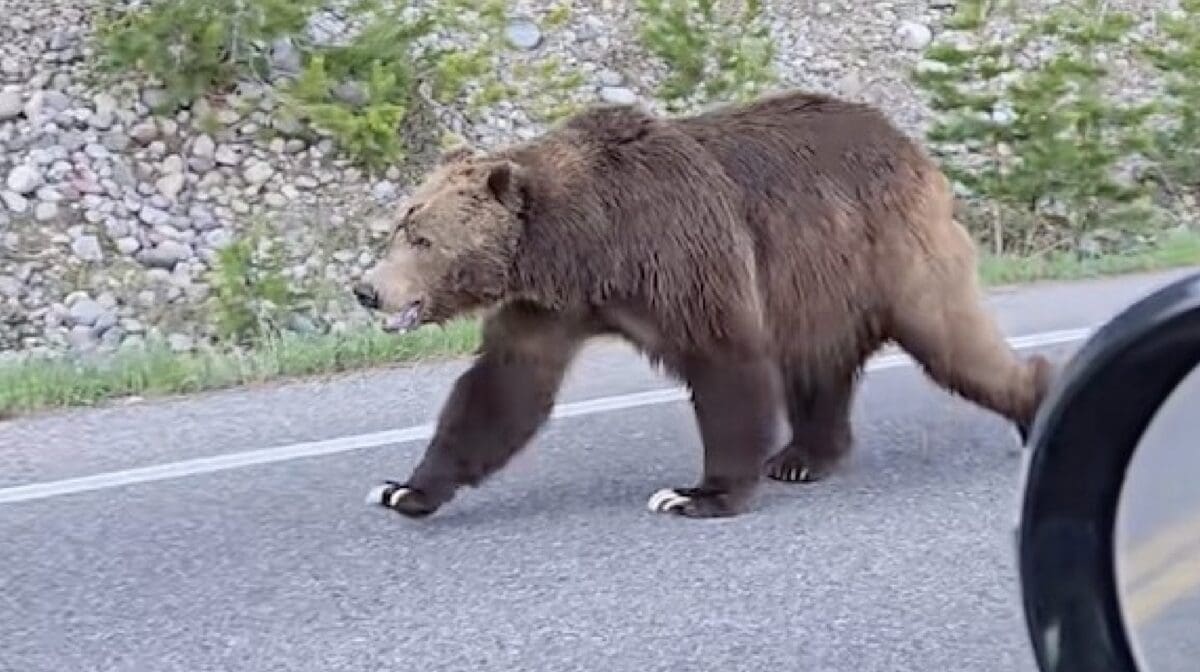
"The bear was just ambling along, and I pulled over to give it plenty of room," Hayes recounted, emphasizing her commitment to responsible wildlife viewing. "It’s moments like these that remind you how wild this place truly is, and how important it is to respect these animals and their space."
The Significance of Bear Sightings
Encounters with grizzly bears in their natural habitat are often described as profoundly impactful experiences, capable of fostering a deeper appreciation for these iconic creatures and inspiring a commitment to their conservation. As grizzly bear populations continue to expand and disperse across their historical ranges, such sightings offer invaluable opportunities for education and connection with the natural world.
However, these firsthand observations are not without inherent risks. Grand Teton National Park acknowledges these risks but also stresses that a significant portion of potential dangers can be mitigated through diligent adherence to established safety protocols. The park’s management philosophy emphasizes a balanced approach, aiming to facilitate meaningful visitor experiences while rigorously safeguarding both human and animal populations.
Park Management’s Emphasis on Coexistence
Park officials continually reinforce the message that recreating in bear country demands a heightened level of awareness and proactive measures to ensure mutual safety. "Recreating in bear country requires awareness and actions on our part to keep both bears and humans safe," a park spokesperson stated. This sentiment underscores the shared responsibility in maintaining a harmonious environment.
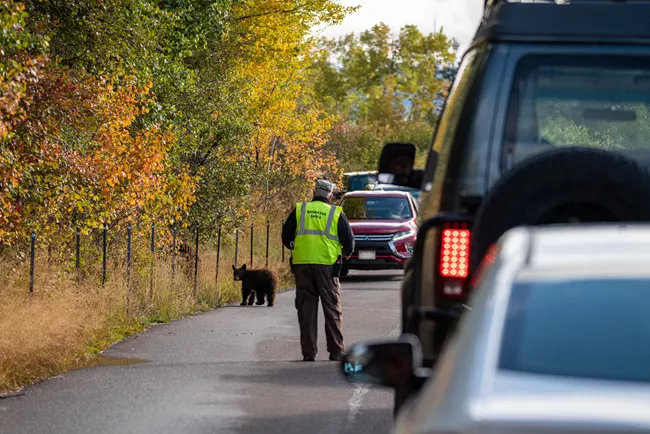
The park actively disseminates information on bear safety, recognizing that informed visitors are better equipped to navigate potential encounters safely. The presence of the "Wildlife Brigade," a trained group of park staff, plays a crucial role in observing animal behavior and guiding visitors. Their expertise is vital in dynamic situations where safety conditions can change rapidly.
Comprehensive Bear Safety Guidelines
Grand Teton National Park provides a detailed set of guidelines for visitors to ensure safe and respectful interactions with wildlife, particularly bears. These guidelines are crucial for mitigating risks and fostering a culture of conservation:
- Maintain Safe Distances: Visitors must not approach animals. The recommended safe viewing distance is a minimum of 100 yards for bears and wolves, and 25 yards for other wildlife.
- Respect Wildlife Crossings: Never park in front of a crossing animal. Allowing wildlife unimpeded passage is paramount.
- Follow Park Staff Directives: Adhere to instructions from park staff and the Wildlife Brigade, who are trained to assess animal behavior and safety.
- Stay Alert and Flexible: Wildlife situations are dynamic. Be prepared for changing conditions and guidance.
- Anticipate Crowds: Wildlife sightings, especially of bears, attract significant attention, often leading to traffic jams. Be prepared for increased visitor presence.
- Prioritize Traffic Safety: When viewing wildlife, stay out of travel lanes and remain to the right of the white line where applicable, whether on foot or in a stopped vehicle.
- Understand Potential Closures: In the interest of safety, certain areas may be temporarily closed to the public if concerns arise.
- Differentiate Between Developed and Wilderness Areas: In developed areas like campgrounds and lodges, the focus is on encouraging wildlife to move along, rather than managing viewing opportunities.
Ecological Context and Conservation Implications
The grizzly bear population in the Greater Yellowstone Ecosystem, which includes Grand Teton National Park, has shown signs of recovery since being listed as a threatened species under the Endangered Species Act. This recovery is a testament to decades of conservation efforts, habitat protection, and management strategies. However, challenges remain, including habitat fragmentation, human-wildlife conflict, and the ongoing need for public education and engagement.
The increasing visibility of grizzlies in areas like Grand Teton National Park signifies a healthy ecosystem but also highlights the growing need for careful management. As bears expand their range, encounters with human infrastructure and activities become more frequent. This necessitates a continued focus on preventative measures and a commitment to understanding and respecting the needs of these powerful animals.
The sound of grizzly claws on pavement, though seemingly a minor detail, serves as a potent reminder of the wildness that persists within these managed landscapes. It underscores the importance of the ongoing work to balance human access and enjoyment with the fundamental need to protect and conserve the natural heritage of places like Grand Teton National Park, ensuring that future generations can also witness the raw power and majesty of creatures like the grizzly bear. The park’s commitment to education and strict adherence to safety protocols are vital components in maintaining this delicate balance.

