
A 12-year-old visitor was hospitalized on Friday, June 26th, following a harrowing encounter with a bison within Yellowstone National Park. The incident occurred around 9:15 AM near the Mud Volcano area, a popular hydrothermal feature located north of Fishing Bridge. The child sustained injuries and was promptly transported to a nearby medical facility by emergency personnel. The U.S. Park Service has launched an investigation into the circumstances surrounding the attack.
This unfortunate event underscores the inherent dangers of wildlife encounters in one of America’s most iconic natural landscapes. Yellowstone National Park is home to a significant population of bison, and while these majestic animals are a primary draw for visitors, they are also wild and unpredictable creatures that demand respect and caution. Park officials have reiterated their commitment to visitor safety and the well-being of the park’s wildlife through stringent guidelines and public awareness campaigns.
Background and Chronology of the Incident
The attack took place on a Friday morning, a time when visitor traffic in popular areas of Yellowstone typically begins to increase. The Mud Volcano area is known for its geothermal activity, featuring bubbling mudpots and steaming fumaroles, which attract a considerable number of tourists eager to witness these natural wonders. It is within this context that the 12-year-old, whose identity has not been released, came into contact with a bison.
While the exact sequence of events leading up to the attack is still under investigation, initial reports suggest the incident occurred at a distance that was too close for safety. Yellowstone National Park has a well-established protocol for wildlife viewing, emphasizing maintaining a safe distance from all animals, particularly large mammals like bison. The park’s alert system often flags areas with recent wildlife activity, and visitors are encouraged to heed these warnings and maintain situational awareness.
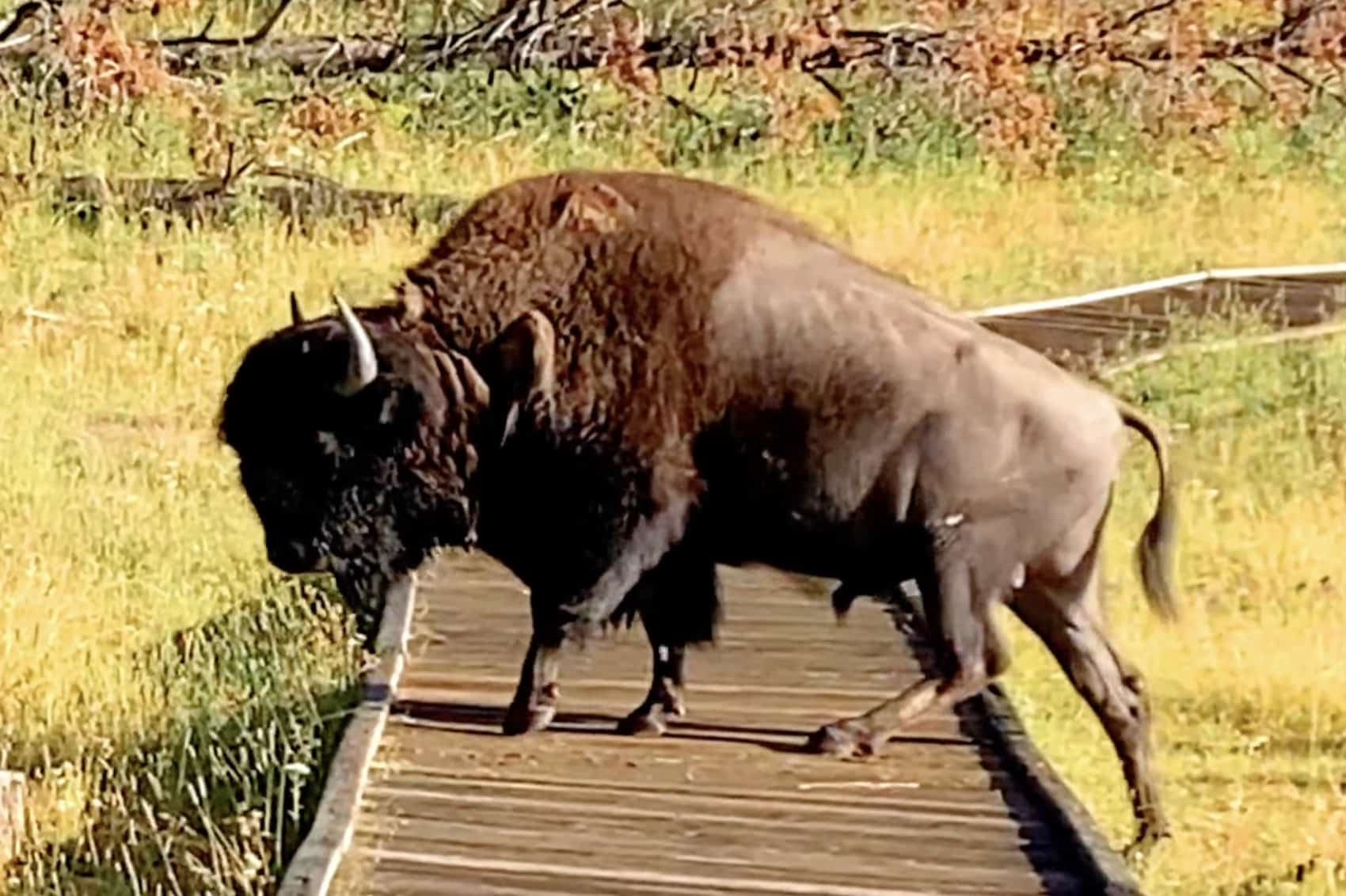
The immediate aftermath saw a swift response from park rangers and emergency medical services. The child received initial care at the scene before being transported to a hospital for further evaluation and treatment. The severity of the injuries has not been publicly disclosed, but the hospitalization indicates a need for medical intervention beyond first aid.
Yellowstone’s Wildlife Safety Guidelines: A Critical Reminder
In the wake of this incident, Yellowstone National Park has once again emphasized its critical wildlife safety guidelines, particularly concerning bison. These guidelines are not merely suggestions but are vital for the safety of both visitors and the animals themselves.
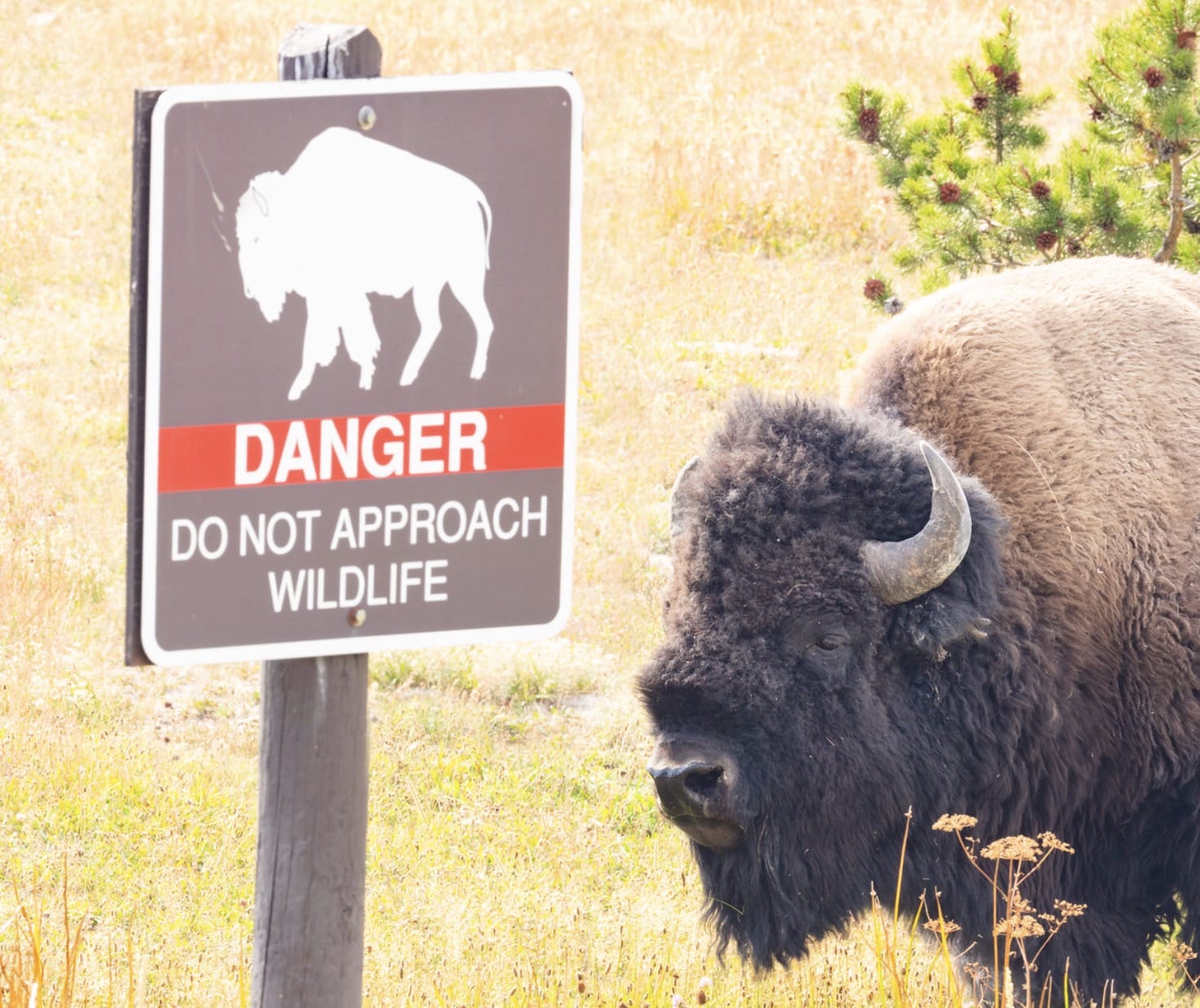
"Wildlife in Yellowstone are wild and can be dangerous," states the park’s official advisory. "Wild animals can be aggressive when people do not respect their space." This fundamental principle is the cornerstone of safe wildlife viewing. The park mandates that visitors maintain a minimum distance of 25 yards (approximately 23 meters) from all large animals, including bison, elk, bighorn sheep, deer, and coyotes. For more dangerous predators such as bears, wolves, and cougars, this distance is extended to 100 yards (approximately 91 meters).
The park’s statement further elaborates on the inherent risks associated with bison: "Bison have injured more people in Yellowstone than any other animal. They are unpredictable, can run three times faster than humans and will defend their space when threatened." This powerful statement highlights the deceptive nature of bison; while often perceived as docile, they possess immense power and a strong instinct for self-preservation.
Park officials stress that visitors are responsible for their own safety and must exercise good judgment. "If wildlife approach you, move away to maintain the required distance. Never approach, touch, feed or crowd wildlife, even if an animal appears calm," the advisory urges. This proactive approach is crucial; waiting for an animal to exhibit aggressive behavior is often too late. Bison, like many wild animals, can become agitated or defensive if they perceive a threat to themselves, their young, or their territory.
Data and Statistics on Bison Encounters in Yellowstone
Yellowstone National Park is home to an estimated 5,000 bison, making it the largest and oldest continuously managed bison population in the United States. These magnificent creatures are an integral part of the park’s ecosystem and a symbol of the American West. However, their sheer size and strength, combined with their unpredictable nature, make them a significant safety concern for park visitors.
Statistics from the National Park Service consistently show bison as the animal responsible for more injuries to visitors in Yellowstone than any other species. Between 2010 and 2020, there were numerous reported incidents involving bison, ranging from charges and goring to trampling. These encounters often occur when visitors attempt to get too close for photographs or observe the animals from inadequate distances.
For instance, in July 2022, a woman was gored by a bison after approaching it too closely in the Old Faithful area. In June 2020, a man was gored and tossed 15 feet in the air by a bison after it charged him near the West Thumb Geyser Basin. These incidents, while relatively infrequent compared to the millions of visitors Yellowstone receives annually, serve as stark reminders of the potential for serious harm.
The park’s proximity to the animals is often exacerbated by the human tendency to seek close-up photographic opportunities. Social media trends encouraging daring wildlife encounters can also contribute to risky behavior. Yellowstone’s visitor management strategies, including designated viewing areas and enforced wildlife corridors, aim to mitigate these risks, but ultimately, visitor compliance with safety guidelines is paramount.
Broader Implications and Park Management

Incidents like the one involving the 12-year-old have broader implications for Yellowstone National Park’s management and its mission to balance conservation with public access. The park’s dual mandate requires ensuring the preservation of its natural resources while providing safe and enriching experiences for visitors.
The frequency of bison-related injuries prompts ongoing evaluation of visitor education strategies. While brochures, signage, and ranger talks are in place, effectively communicating the magnitude of the danger to every visitor remains a challenge. The park continuously refines its messaging and employs various methods, including digital displays and social media outreach, to reinforce safety protocols.
Furthermore, such incidents can lead to discussions about the accessibility of certain areas and the potential need for enhanced visitor controls, although park officials generally strive to maintain a wilderness experience. The goal is to educate and empower visitors to make responsible choices, rather than resorting to overly restrictive measures that could detract from the park’s appeal.
The economic impact of such events, while secondary to safety concerns, can also be a consideration. Negative publicity surrounding wildlife attacks could potentially deter some visitors, impacting local tourism economies that rely heavily on Yellowstone’s draw. However, the park’s primary focus remains on ensuring that the extraordinary natural beauty of Yellowstone can be enjoyed safely and sustainably.
Official Responses and Future Outlook
Yellowstone National Park’s statement following the attack reflects a consistent and firm stance on wildlife safety. The emphasis on maintaining distance, respecting animal behavior, and understanding the inherent dangers of wild animals is a recurring theme in their communications. The park’s commitment to investigating the incident will likely lead to a thorough review of the circumstances, potentially informing future safety advisories or operational adjustments.
The U.S. Park Service, which oversees Yellowstone, continues to work with wildlife biologists and safety experts to ensure that management practices are informed by the latest scientific understanding of animal behavior and visitor safety. This includes ongoing research into bison social structures, their territorial ranges, and the factors that trigger aggressive responses.
Looking ahead, the incident serves as a critical reminder for all visitors to Yellowstone and other wildland areas. The allure of encountering majestic wildlife up close is undeniable, but it must always be tempered with a profound respect for their wild nature and the potential consequences of human encroachment. By adhering to established safety guidelines and exercising caution and good judgment, visitors can significantly reduce the risk of such unfortunate encounters, ensuring that their experience in Yellowstone is memorable for all the right reasons. The park’s ongoing efforts to educate and protect both its visitors and its wildlife remain a paramount concern.

