
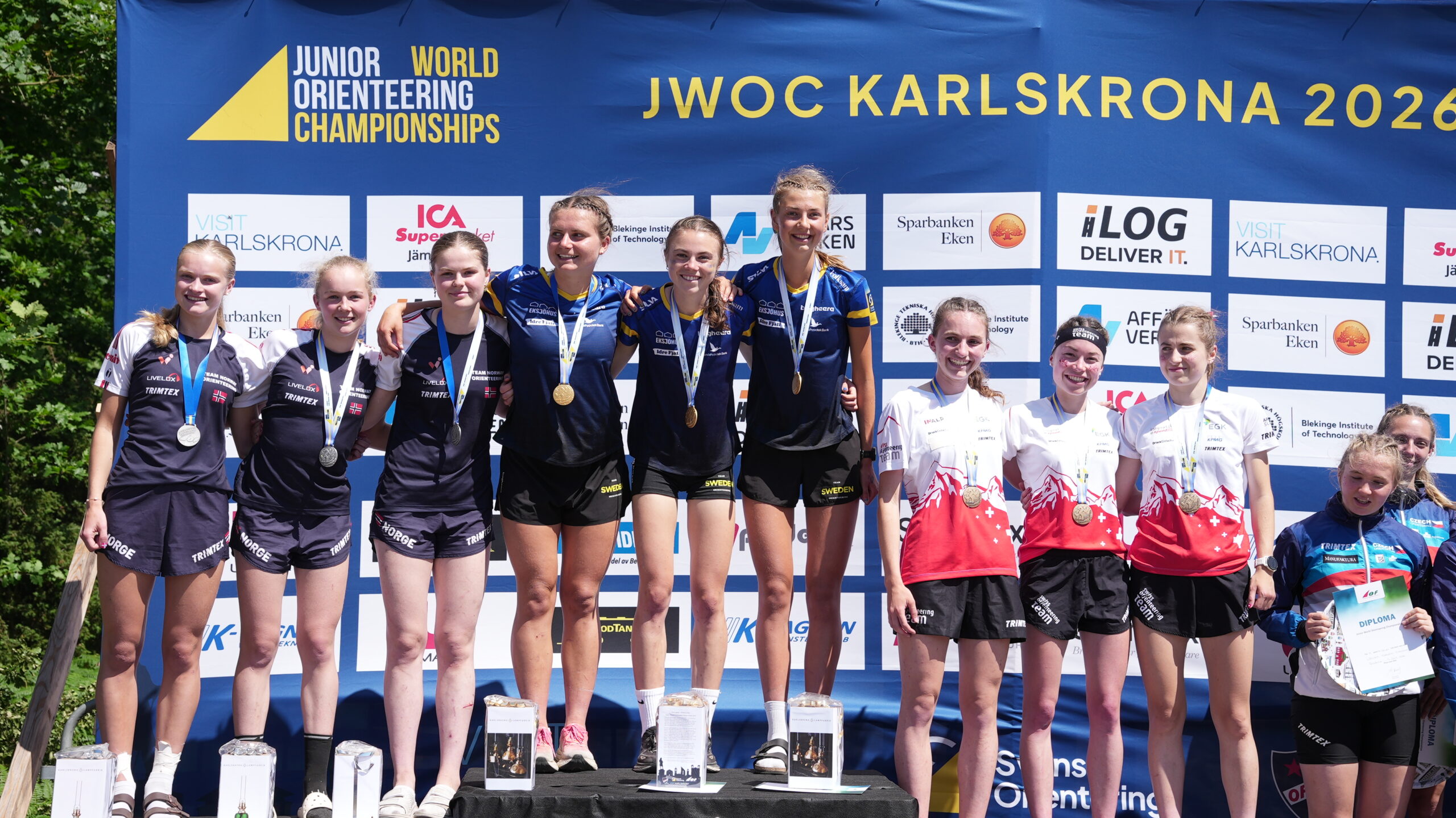
The Norwegian women’s orienteering team clinched a hard-fought silver medal in the concluding relay event of the Junior World Orienteering Championships held in Blekinge, Sweden. In a dramatic and unpredictable race, only the formidable Swedish team managed to outpace the determined Norwegian trio, marking a significant achievement for the team on the final day of the competition. This silver medal represents the first major accolade for the Norwegian women at this year’s junior championships, adding a strong finish to their campaign.
A Comeback Fueled by Grit and Skill
The Norwegian delegation arrived at the final relay with hopes buoyed by Sondre Olaussen’s gold medal in the middle-distance event on Friday. However, the men’s team faced early challenges, faltering on the first leg and diminishing their medal prospects. It was then left to the women’s team to deliver a medal performance, a task they embraced with remarkable resilience and tactical prowess.
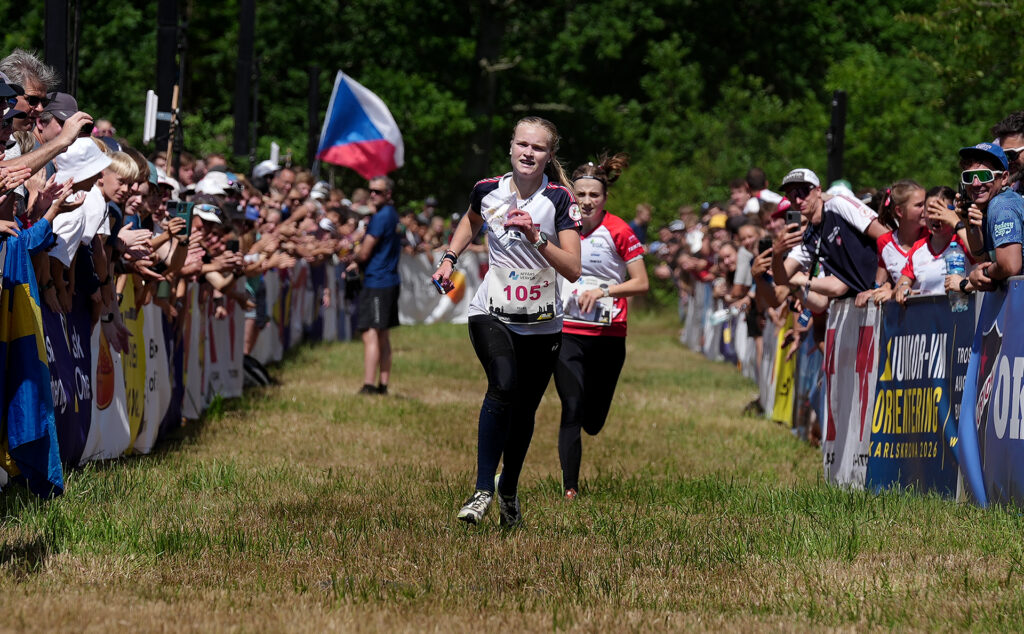
The relay commenced with Jenny Danevad anchoring the first leg for Norway. While Danevad’s performance was not flawless, she maintained strong contact with the leading pack, handing over to her teammate just 2 minutes and 14 seconds behind the leaders. This early position was strategically advantageous, especially considering the perceived favorite, the Swedish team, experienced significant difficulties. Tilia Olsson, a key member of the Swedish squad, lost a considerable 6 minutes and 43 seconds on the opening leg, casting an unexpected shadow over their medal aspirations.
However, the challenging terrain of Blekinge proved to be a significant equalizer. The demanding technical nature of the course led to numerous errors among favored teams. Elise Renard, running the second leg for Norway, encountered her own set of challenges. She momentarily missed a control point, necessitating a backtrack and costing valuable time. Despite this setback, Renard demonstrated exceptional skill and determination, navigating her way through the difficult course and elevating Norway’s position from 13th to a respectable 6th place by the time she reached the final exchange. Crucially, at this juncture, Norway remained within three minutes of the leading group, with the top five teams clustered closely together.
Sweden’s Dominance and Norway’s Sprint to Silver
Sweden, despite their initial stumble, began to assert their dominance. Freja Hjerne, running the second leg for the Swedish team, made significant inroads, overtaking Norway and executing a strong, error-free run. The momentum continued as Felicia Persson, the reigning middle-distance champion, took on the anchor leg. While Persson experienced a navigational error on her final leg, her inherent speed and strong finish ultimately allowed her to secure the victory for Sweden.
The race for silver, however, was a nail-biting affair. Norway’s anchor runner, Minna Wingstedt, delivered a performance worthy of her team’s efforts. Wingstedt, a junior from Halden, matched Persson in leg time and ran an exceptional final loop. Her determination culminated in a thrilling sprint finish against Switzerland’s Sarina Grimm, whom she narrowly edged out to secure the silver medal for Norway. This decisive sprint secured Norway’s first medal of the championships in the women’s category and brought them tantalizingly close to gold, finishing just 1 minute and 10 seconds behind the victorious Swedish team.
Broader Context of the Junior World Orienteering Championships
The Junior World Orienteering Championships (JWOC) is the premier international competition for orienteers under the age of 21. Held annually, it serves as a crucial platform for emerging talent to test their skills against the best young athletes from around the globe. The championships typically involve several disciplines, including sprint, middle-distance, long-distance, and relay races, across both male and female categories.
This year’s event in Blekinge, Sweden, attracted over 300 athletes from more than 40 nations. The competition is renowned for its challenging terrain, demanding technical skills, and the high level of competition, often showcasing future stars of the sport. Winning a medal at JWOC is a significant accomplishment, indicating a strong potential for future success at senior international events, including the World Orienteering Championships and the Olympic Games, should orienteering be included.
Analysis of the Norwegian Performance
The Norwegian women’s silver medal in the relay is a testament to their resilience, tactical adaptability, and the depth of talent within the national junior program. The challenging nature of the Blekinge terrain, which saw several pre-race favorites falter, allowed for strategic races and highlighted the importance of precise navigation under pressure.
- Team Cohesion: The relay format emphasizes teamwork and communication. The Norwegian trio demonstrated excellent cohesion, with each runner building upon the efforts of the previous leg.
- Navigational Prowess: Despite the technical difficulties, the Norwegian runners largely managed to navigate the complex course effectively. Elise Renard’s recovery from her mistake on the second leg exemplifies the mental fortitude required in elite orienteering.
- Anchor Leg Strength: Minna Wingstedt’s outstanding anchor leg was pivotal. Her ability to match the pace of the leading athletes and secure a crucial sprint finish underscores her talent and potential.
- Program Development: The silver medal also reflects the ongoing development and investment in junior orienteering within Norway. This success is likely to inspire younger athletes and further strengthen the national program.
Swedish Dominance in the Men’s Relay
In the men’s relay, Sweden also secured the top position, reaffirming their status as a dominant force in international orienteering. The podium in the men’s race was completed by Finland in second place and Switzerland in third. The Norwegian men’s team, while not achieving a medal in the relay, had their second team finish in 10th place among the counted nations. It is important to note that in JWOC relays, only the top-ranked team from each nation is officially counted towards the championship standings, with other national teams considered as supplementary entries.
Official Statements and Reactions (Inferred)
While direct quotes from team officials and athletes were not provided in the original text, it is reasonable to infer the emotions and sentiments surrounding such an achievement.

- Norwegian Orienteering Federation (Norsk Orienteringsforbund): The federation would undoubtedly express immense pride in the women’s relay team’s silver medal performance. Such an achievement signifies the success of their junior development programs and provides significant motivation for the future.
- Team Management: The team leaders would likely commend the athletes for their fighting spirit, tactical execution, and ability to perform under pressure on the final day of the championships. The resilience shown by Elise Renard and the exceptional anchor leg by Minna Wingstedt would be highlighted.
- Athletes: For Jenny Danevad, Elise Renard, and Minna Wingstedt, the silver medal represents the culmination of years of training and dedication. The experience of competing at the highest junior level and securing a podium finish would be deeply rewarding, likely accompanied by a sense of accomplishment and pride in representing their nation.
Broader Impact and Future Implications
The silver medal achieved by the Norwegian women’s relay team at the Junior World Orienteering Championships has several positive implications for Norwegian orienteering:
- Inspiration for Future Generations: The success of the team will undoubtedly inspire younger Norwegian orienteers, encouraging them to pursue the sport with greater dedication and ambition. It provides tangible proof that international success is achievable.
- Strengthening the National Program: This medal will bolster the confidence and reputation of the Norwegian junior orienteering program. It may also attract further investment and support, both from sporting bodies and commercial sponsors.
- Talent Identification and Development: The performance of these athletes, particularly Wingstedt’s impressive anchor leg, will likely draw attention from senior national team selectors, paving the way for future opportunities at elite senior competitions.
- Momentum for the Sport: Success at international championships contributes to the visibility and profile of orienteering within Norway and globally. This can lead to increased participation and a stronger overall community around the sport.
The results of the Junior World Orienteering Championships can be accessed through the official eventor.orienteering.sport platform. The link provided for the results is: https://eventor.orienteering.sport/Events/ChampionshipResultlist?eventId=8897&championshipId=156&eventClassId=17993. This comprehensive database allows for detailed examination of individual and team performances across all disciplines of the championship.
In conclusion, the Norwegian women’s junior orienteering team’s silver medal in the relay at the Junior World Orienteering Championships in Blekinge is a significant achievement, demonstrating their skill, resilience, and the strength of Norway’s junior development pipeline. Their performance on the final day of the competition provided a memorable and inspiring end to the championships for the Norwegian contingent.

