
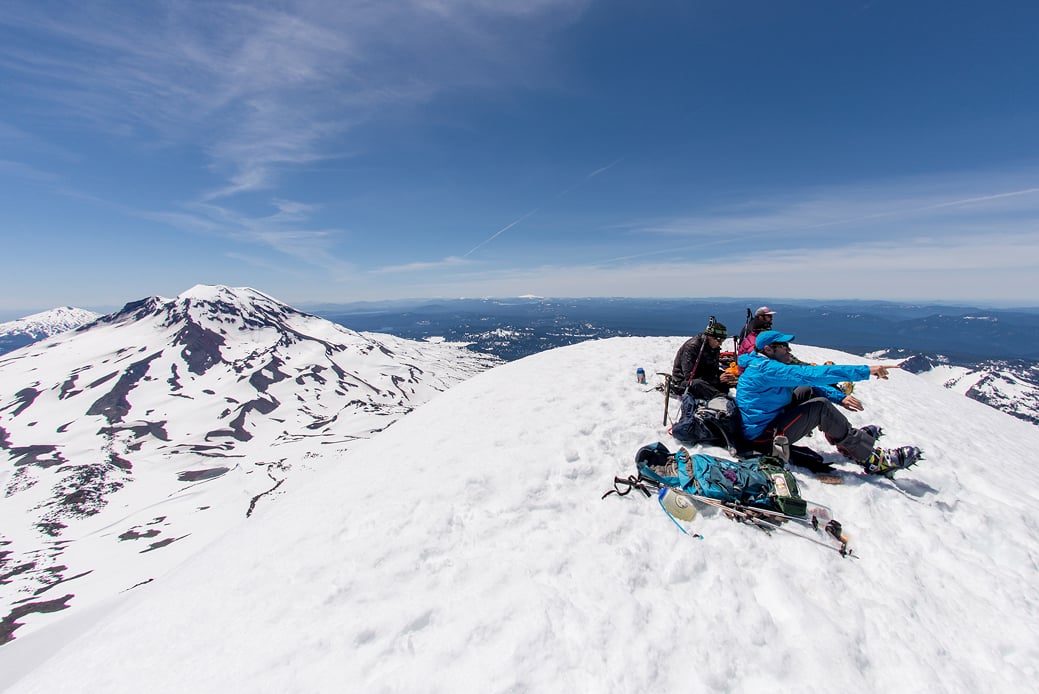
The 2025-2026 winter season across the Western United States has concluded as one of the most anomalous and challenging periods for snowpack accumulation in recent history. Characterized by meteorologists and hydrologists as a "warm winter," the season was defined not by a lack of moisture, but by a significant lack of the freezing temperatures necessary to sustain snow at traditional elevations. While precipitation levels across several states remained near or even above historical averages, the resulting snowpack—often referred to as the "water tower of the West"—failed to materialize in a meaningful way. This phenomenon has triggered urgent discussions among climate scientists, water resource managers, and stakeholders in the multi-billion-dollar winter recreation industry regarding the long-term viability of current water management strategies in an era of increasing thermal volatility.
A Season of Shifting Expectations: The Winter Chronology
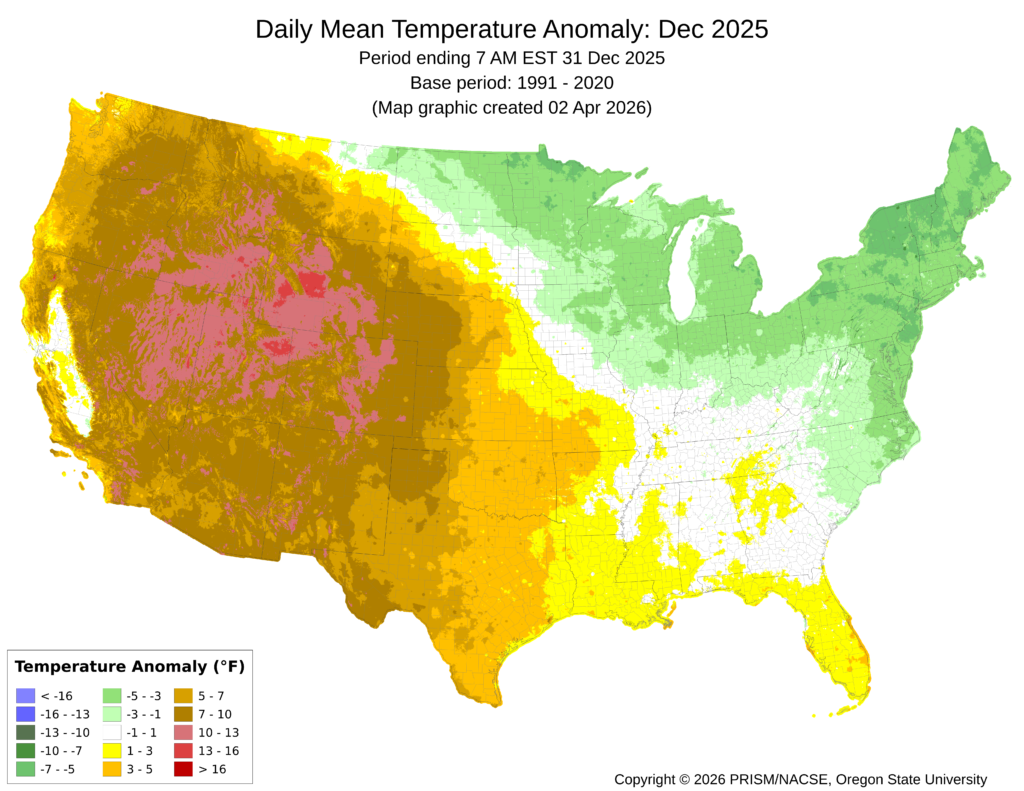
The 2025-2026 water year began with a degree of cautious optimism. Early autumn forecasts suggested a standard distribution of moisture, and initial cooling trends in late October allowed some high-altitude resorts to begin preliminary snowmaking operations. However, as the season progressed into the pivotal month of December, a massive thermal anomaly gripped the Western United States. According to data from the PRISM Climate Group, temperatures in December 2025 were between 5 and 15 degrees Fahrenheit above the long-term average across much of the West. This warm spell proved catastrophic for early-season snow accumulation.
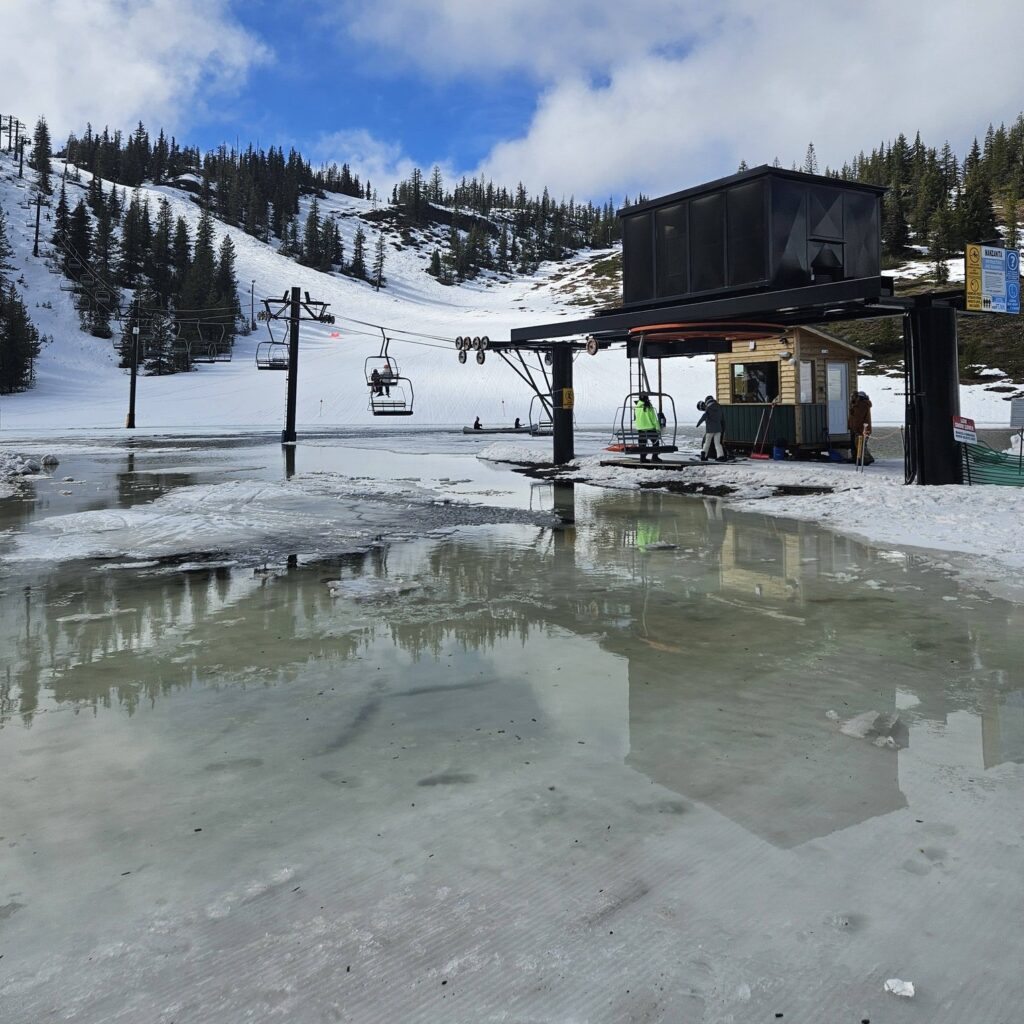
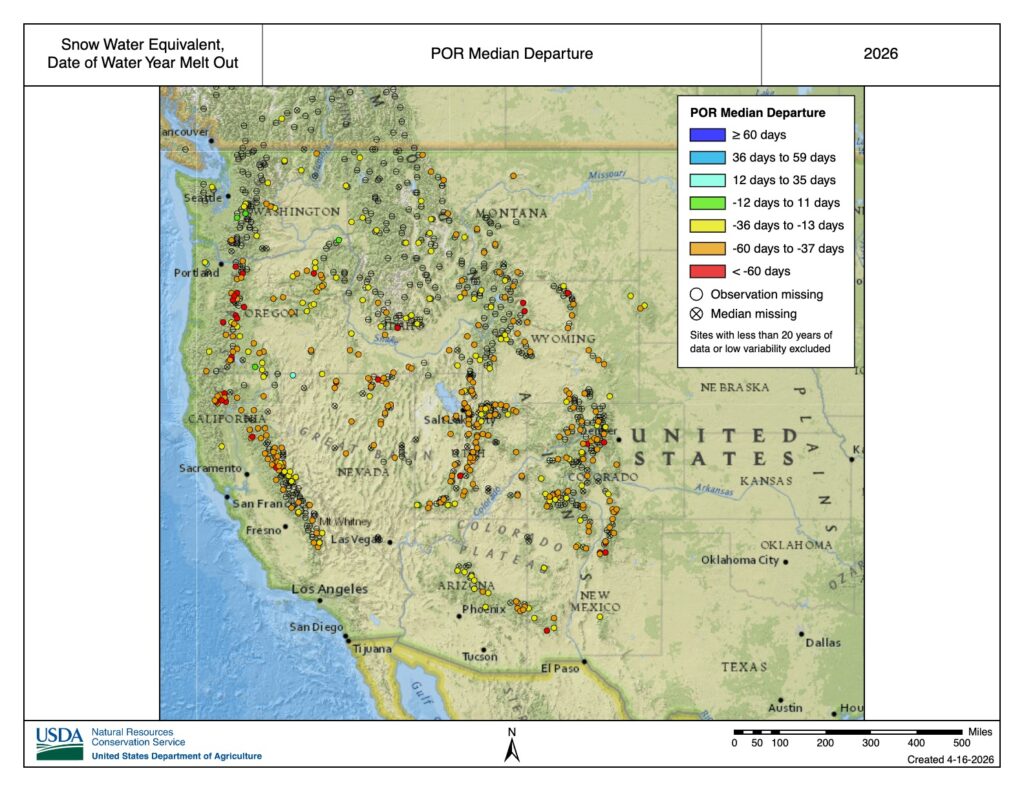
The traditional milestones of the winter season—the New Year’s holiday, Martin Luther King Jr. Day, and President’s Day—passed with many ski areas operating on limited terrain or, in some cases, pausing operations entirely due to rapid melt and rain-on-snow events. At Oregon’s Hoodoo Ski Area, for example, the mid-March period saw the appearance of "unscheduled pond skims," where meltwater collected in basins usually covered by several feet of packed snow. By the time spring break arrived, many low-to-mid-elevation resorts had already begun their final closures, weeks ahead of schedule. The "snow-off" dates—the calendar day when a station’s snow water equivalent reaches zero—occurred in many locations not just days, but months earlier than the historical mean.
Analyzing the Disconnect Between Precipitation and Snowpack
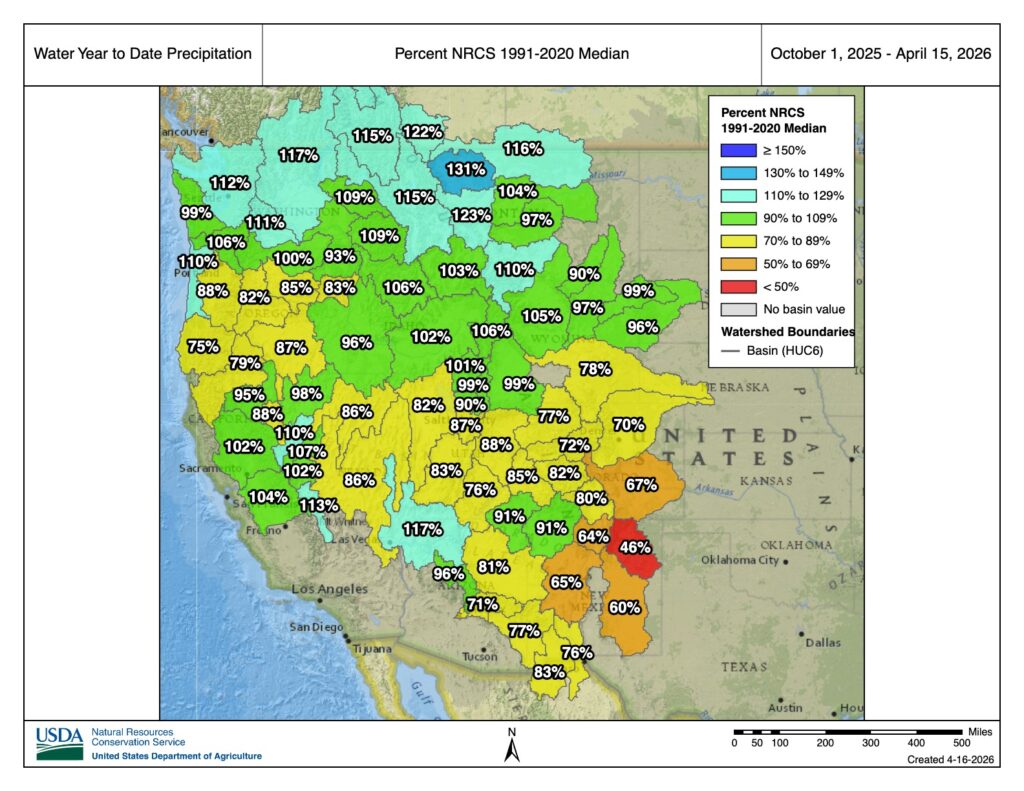
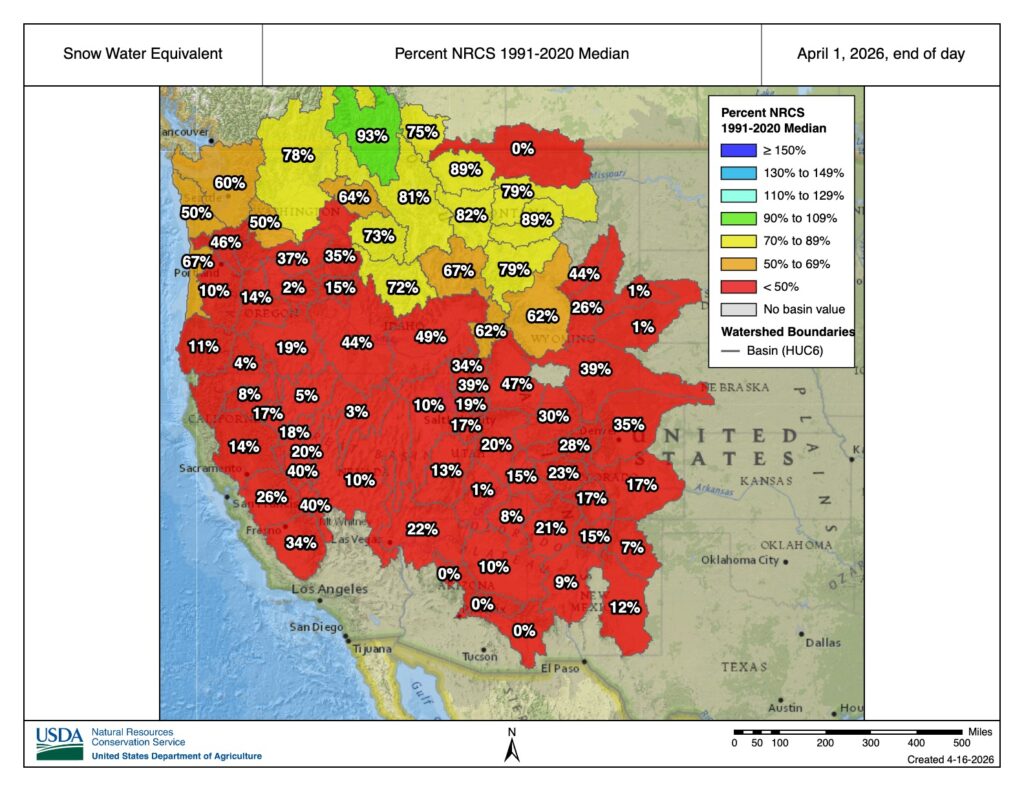
To understand the 2025-2026 season, it is necessary to distinguish between total precipitation and snow water equivalent (SWE). The "recipe" for a robust snowpack requires both moisture and cold. In terms of total water delivery, the 2025-2026 year was statistically average in many regions. Data from the Natural Resources Conservation Service (NRCS) indicates that while Oregon, Utah, and Colorado experienced slightly drier-than-normal conditions, regions including northwest Wyoming, Montana, Idaho, and Washington actually received slightly more precipitation than average.
The failure of the snowpack was therefore a "temperature-driven drought." Because the freezing level remained at much higher altitudes than usual, the precipitation that would normally fall as snow fell instead as rain. Rain not only fails to build the snowpack but can actively accelerate the melting of existing snow. By the critical benchmark of April 1, 2026—the date typically used to measure peak snowpack before the spring melt—SWE values across the West were a mere fraction of their long-term averages. Numerous observation stations reported their lowest peak values in 45 years, signaling a profound shift in the timing and state of regional water storage.
The Hydrologic Cycle and the Global Water Context
The implications of a failing snowpack extend far beyond the recreation industry. To put the importance of Western water resources into perspective, scientists often look at the total volume of accessible freshwater on Earth. While the planet is famously "blue," the vast majority of its water is saline or trapped in deep aquifers and polar ice caps. If all the Earth’s water were gathered into a single sphere, its diameter would be only about 10% of the Earth’s own diameter. Of that, less than one-hundredth of one percent is readily available to support human civilization, agriculture, and terrestrial ecosystems.
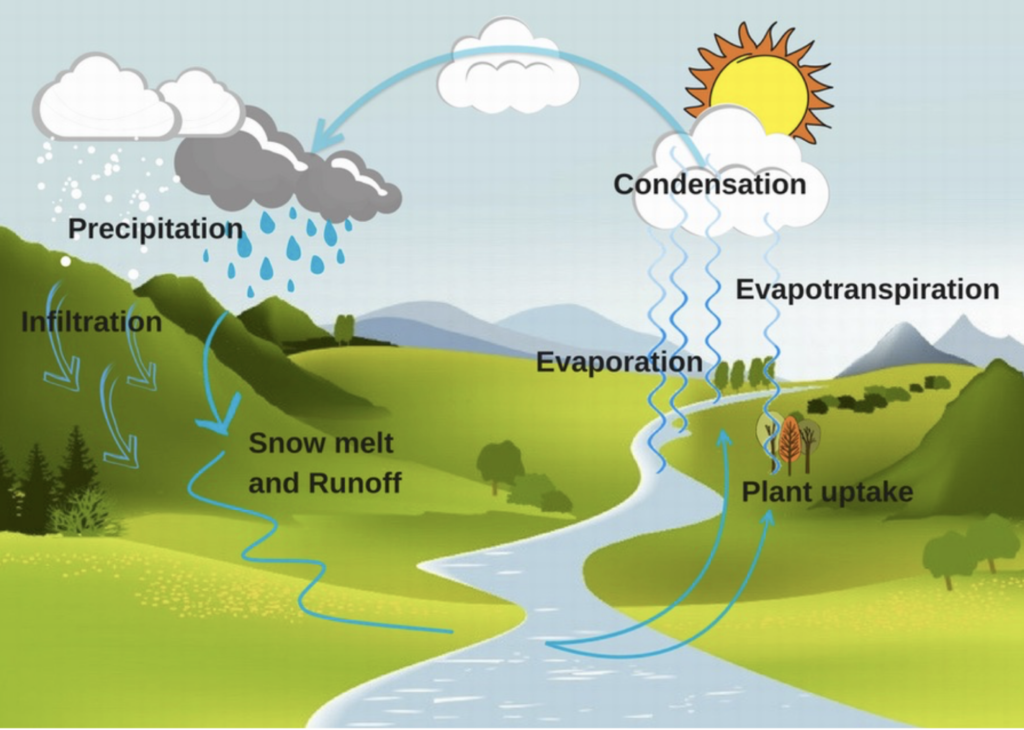
The hydrologic cycle functions as a massive, solar-powered distribution system. On average, the Earth’s land surfaces receive about one meter of precipitation annually. In the Western United States, the timing of this delivery is as important as the volume. The region typically receives the bulk of its moisture in the winter, while the highest demand for water—for irrigation and municipal use—occurs in the heat of the summer. This mismatch is traditionally bridged by the seasonal snowpack, which acts as a natural, distributed reservoir that holds water in solid form until it is needed in the warmer months.
Snowpack as Critical Infrastructure: The Lake Mead Comparison
The "natural reservoir" provided by mountain snow is a cornerstone of Western infrastructure. Unlike man-made dams, which require massive capital investment and can disrupt fish passage and sediment transport, the snowpack stores water across millions of acres of high-elevation wilderness. Estimates suggest that the amount of water stored in the contiguous United States’ snowpack at its peak is approximately five times the capacity of Lake Mead, the nation’s largest man-made reservoir.
The 2025-2026 season has highlighted the fragility of this natural storage. When snow melts prematurely or falls as rain, the water enters the river systems months before it is required for agriculture. This creates a dual crisis: a heightened risk of winter and early spring flooding, followed by severe water shortages in the summer. In the Colorado River Basin, where Lake Mead’s elevations have already been in a state of long-term decline due to decadal drought, the loss of the "snow subsidy" is particularly alarming. The Bureau of Reclamation and various state agencies are now faced with increasingly difficult decisions regarding water allocations for the millions of people and millions of acres of farmland that depend on the Colorado River system.
Economic and Ecological Consequences of an Early Melt
The socio-economic impacts of the 2025-2026 season have been felt immediately. The ski industry, a major employer in rural mountain communities, faced a volatile year of "opening and closing" that disrupted seasonal employment and local tax revenues. Beyond the resorts, the backcountry skiing and snowmobiling communities—key drivers of winter tourism—found their seasons cut short by hazardous, thin-cover conditions and early-season melt-out.
Ecologically, the early loss of snowpack has dire consequences for aquatic species. The gradual melting of snow throughout the spring and early summer provides a steady influx of cold water into mountain streams. This is vital for cold-water fish species, such as trout and salmon, which cannot survive in the elevated water temperatures associated with low-flow summer conditions. Furthermore, the early disappearance of snow leads to a faster drying of forest fuels, potentially lengthening the wildfire season and increasing the risk of high-intensity burns during the peak of summer.
Future Outlook and Climate Resilience
While the 2025-2026 season was exceptionally poor, climate scientists warn that it may serve as a preview of the "new normal." Long-term data, such as those collected at the Hogg Pass SNOTEL site in Oregon, show a clear downward trend in annual maximum SWE over several decades. While interannual variability remains high—meaning a "lean" year can still be followed by a "boom" year—the underlying trend is one of declining snow persistence and volume.
The transition from a snow-dominant to a rain-dominant hydrologic regime in the West necessitates a fundamental rethinking of water management. Potential adaptations include:
- Enhanced Groundwater Recharge: Capturing early-season runoff and injecting it into underground aquifers for later use.
- Forecast-Informed Reservoir Operations (FIRO): Using advanced meteorological modeling to better manage dam releases, allowing for more storage during wet periods while maintaining flood safety.
- Increased Water Conservation: Implementing more aggressive efficiency measures in both municipal and agricultural sectors to reduce the total demand on the shrinking "snow reservoir."
As the Western United States moves into the summer of 2026, the focus shifts from the mountains to the valleys. The "hot mess" of the winter will likely manifest as a summer of conservation, as managers attempt to stretch a diminished water supply through the hottest months of the year. The 2025-2026 season serves as a stark reminder that in the West, snow is not just a luxury for recreation; it is the lifeblood of the regional economy and the primary guarantor of water security. Moving forward, the ability to adapt to a more volatile and warmer winter climate will be the defining challenge for the next generation of water resource planning.

