
The Northwest Avalanche Center (NWAC) has welcomed a new Volunteer and Communications Coordinator, marking a significant step in the organization’s ongoing efforts to enhance its reach and reinforce its commitment to avalanche safety education. This strategic appointment is poised to invigorate NWAC’s engagement with the backcountry community, leveraging fresh perspectives and a robust background in communications and marketing to amplify the center’s vital mission. The individual, who recently returned to the Pacific Northwest after two years teaching English and exploring the French Alps, brings a unique blend of international experience and a deep-seated passion for the outdoors and mission-driven work.
A Strategic Return to the PNW for Enhanced Mission Impact
The decision to join NWAC represents a deliberate pivot back to the organization’s Pacific Northwest roots, with a clear ambition to contribute meaningfully to the nonprofit and outdoor industry sectors. The new coordinator’s background in communications and marketing is expected to be instrumental in developing and executing strategies that will broaden NWAC’s influence. "I was ready to come back to my PNW roots and develop my start in the nonprofit and outdoor industry spaces," the coordinator stated, highlighting a desire to integrate professional skills with a personal commitment to the region’s natural heritage. This move signifies a commitment to leveraging professional expertise for the betterment of a cause deeply valued.
Expanding the Scope: The Coordinator’s Multifaceted Role
In the newly established role of Volunteer and Communications Coordinator, the individual will undertake a diverse range of responsibilities. A primary focus will be on nurturing and expanding the network of NWAC volunteers, a critical component of the center’s operational capacity and community engagement. This involves not only supporting existing volunteers but also developing strategies to recruit and retain new individuals who are passionate about avalanche safety and outdoor recreation.
Furthermore, the coordinator will play a pivotal role in shaping NWAC’s digital presence. This includes contributing to social media content and strategy development, aiming to increase awareness, disseminate crucial safety information, and foster a more connected online community. Event planning will also fall under their purview, ensuring that NWAC’s outreach initiatives and educational programs are effectively organized and executed. The overarching goal is to support and amplify NWAC’s reach to an ever-wider spectrum of backcountry enthusiasts, encompassing individuals of all experience levels and diverse backgrounds. This multifaceted approach underscores NWAC’s dedication to inclusivity and comprehensive safety education.
Deepening Connections: A Love for the Mountains and Their Zones
The coordinator’s personal connection to the Pacific Northwest’s mountainous terrain is evident in their favorite locations. Growing up skiing at Crystal Mountain has instilled a lasting affection for the West South zone, a sentiment rooted in early experiences and formative memories. However, there is also a keen anticipation for exploring the Snoqualmie Pass zone, described as the "office backyard," suggesting an eagerness to engage with the immediate natural environment surrounding NWAC’s operations. This dual appreciation for established familiarity and new exploration reflects a broader enthusiasm for understanding and engaging with the diverse landscapes that NWAC serves.

A Universal Message: Respecting the Backcountry for All Users
A core tenet of the coordinator’s philosophy centers on a critical message for all backcountry users: universal responsibility for safety, regardless of experience. "The moment you step foot (or ski or board or sled!) into backcountry terrain, you are a backcountry skier/rider/snowshoer/user," they emphasized. This statement serves as a powerful reminder that the inherent risks of the backcountry apply to everyone, from novices to seasoned experts.
The coordinator further articulated that avalanche safety is not an optional consideration but a fundamental requirement for all who venture into these environments. "Whether your first day on snowshoes or your 100th day skinning up for the season, avalanche safety still applies!" This inclusive approach to safety education is crucial, as it combats the misconception that avalanche awareness is only relevant for advanced users. NWAC’s commitment to ensuring that "everyone deserves access to the outdoors, regardless of their experience level" is directly paralleled by the expectation that this access comes with a responsibility to "learn about and respect the mountain conditions." This principle is vital for fostering a culture of safety and informed decision-making in the backcountry.
Charting the Future: Innovation and Accessibility in Avalanche Safety
The excitement surrounding the future of NWAC and avalanche safety is palpable, with a strong emphasis on accessibility and innovation. The coordinator expressed enthusiasm for NWAC’s ongoing commitment to making avalanche resources readily available to all who are eager to engage with the backcountry. This forward-looking vision is underpinned by several key initiatives.
A significant project in development is a new website designed to serve as a centralized hub for avalanche forecasts across the entire country. This ambitious undertaking aims to streamline access to critical information, making it easier for users nationwide to consult up-to-date conditions and forecasts. Such a resource could have profound implications for national backcountry safety efforts, fostering greater consistency and accessibility of vital data.
Furthermore, NWAC is dedicated to continuously strengthening its community. This includes ongoing efforts to build and expand its base of volunteers and members, recognizing the invaluable contributions they make to the organization’s success. The development of more programs and opportunities tailored for individuals from diverse backgrounds is also a priority, reflecting NWAC’s commitment to ensuring that avalanche safety education and backcountry recreation are accessible and welcoming to all. This proactive approach to community building and program development is crucial for ensuring the long-term sustainability and impact of avalanche safety initiatives.
A Season of Global Discovery and Mountain Majesty
Reflecting on the past season, the coordinator shared a particularly memorable day on the snow that highlights the profound impact of experiencing mountainous landscapes. Extended time spent in the French Alps during the previous two winters provided opportunities for extensive exploration of remarkable terrain. A day skiing at Chamonix, described as a "bluebird day surrounded by a cathedral of alpine peaks," stands out as an exceptionally epic ski memory.
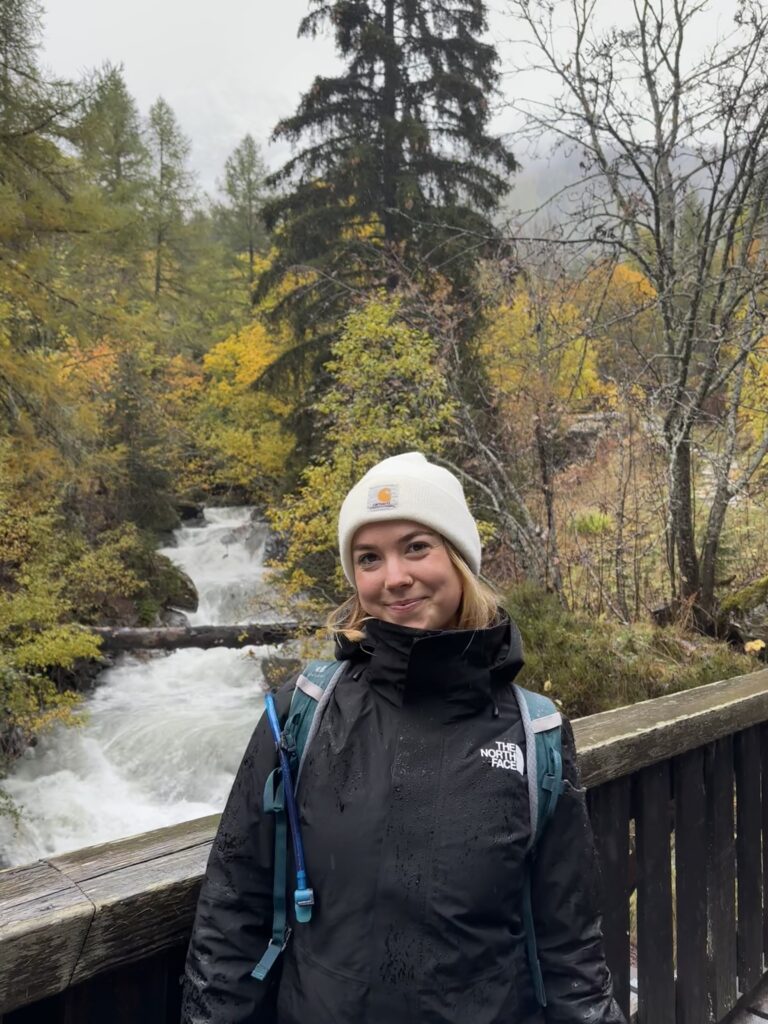
The experience was characterized by moments of profound connection with nature. "I had multiple moments of slowing down just to take in the surroundings, reminding myself of how special it is to be able to connect to nature and the mountains this way!" This reflection underscores the deep personal fulfillment derived from engaging with the natural world and the unique perspective that mountain environments offer. It also serves as a powerful testament to the enduring allure of the outdoors and the importance of preserving these spaces for future generations to experience.
Data and Context: The Evolving Landscape of Avalanche Safety
The appointment of a new coordinator at NWAC occurs against a backdrop of increasing engagement with the backcountry and evolving challenges in avalanche safety. Data from organizations like the National Ski Patrol and the Forest Service Avalanche Center indicate a steady rise in backcountry use over the past decade, particularly following the surge in outdoor activity during the COVID-19 pandemic. This trend, while positive for promoting outdoor recreation, places a greater emphasis on the need for comprehensive safety education and accessible information.
According to the Colorado Avalanche Information Center (CAIC), a leading authority in avalanche research, human factors remain a significant contributor to avalanche accidents. While weather and snowpack conditions are primary drivers, decision-making processes, group dynamics, and risk assessment all play critical roles. NWAC, as a key provider of avalanche forecasts and educational resources for the Northwest region, plays a vital role in mitigating these risks. The center’s forecasts are compiled from data collected by trained observers, automated weather stations, and field investigations, providing a crucial layer of information for backcountry users.
The development of a national forecast aggregation website, as mentioned by the new coordinator, could represent a significant leap forward in national avalanche safety coordination. Currently, avalanche information is dispersed across various regional centers, each with its own data collection and dissemination protocols. A centralized platform could standardize information, improve user accessibility, and facilitate cross-regional collaboration among avalanche professionals. This initiative aligns with broader trends in data science and information management, aiming to leverage technology for enhanced public safety.
Broader Implications for Public Safety and Outdoor Recreation
The strategic appointment at NWAC and the organization’s forward-looking initiatives carry significant implications beyond the immediate scope of avalanche safety. By fostering a more connected and informed backcountry community, NWAC contributes to the overall well-being of individuals who seek recreation and solace in the mountains. Enhanced accessibility to safety information can reduce the incidence of accidents, thereby lessening the burden on search and rescue teams and emergency services.
Furthermore, NWAC’s commitment to inclusivity and outreach to diverse communities is crucial for democratizing access to outdoor recreation. By breaking down barriers to entry and providing resources for all levels of experience, the organization promotes a healthier and more engaged society. This aligns with broader public health goals that emphasize the importance of physical activity and connection with nature. The success of these initiatives, driven by dedicated staff and volunteers, will serve as a model for other outdoor recreation and safety organizations, potentially influencing best practices across the nation. The long-term impact of these efforts will be a more knowledgeable, responsible, and inclusive backcountry community, better equipped to enjoy the profound benefits of the natural world while respecting its inherent risks.

