
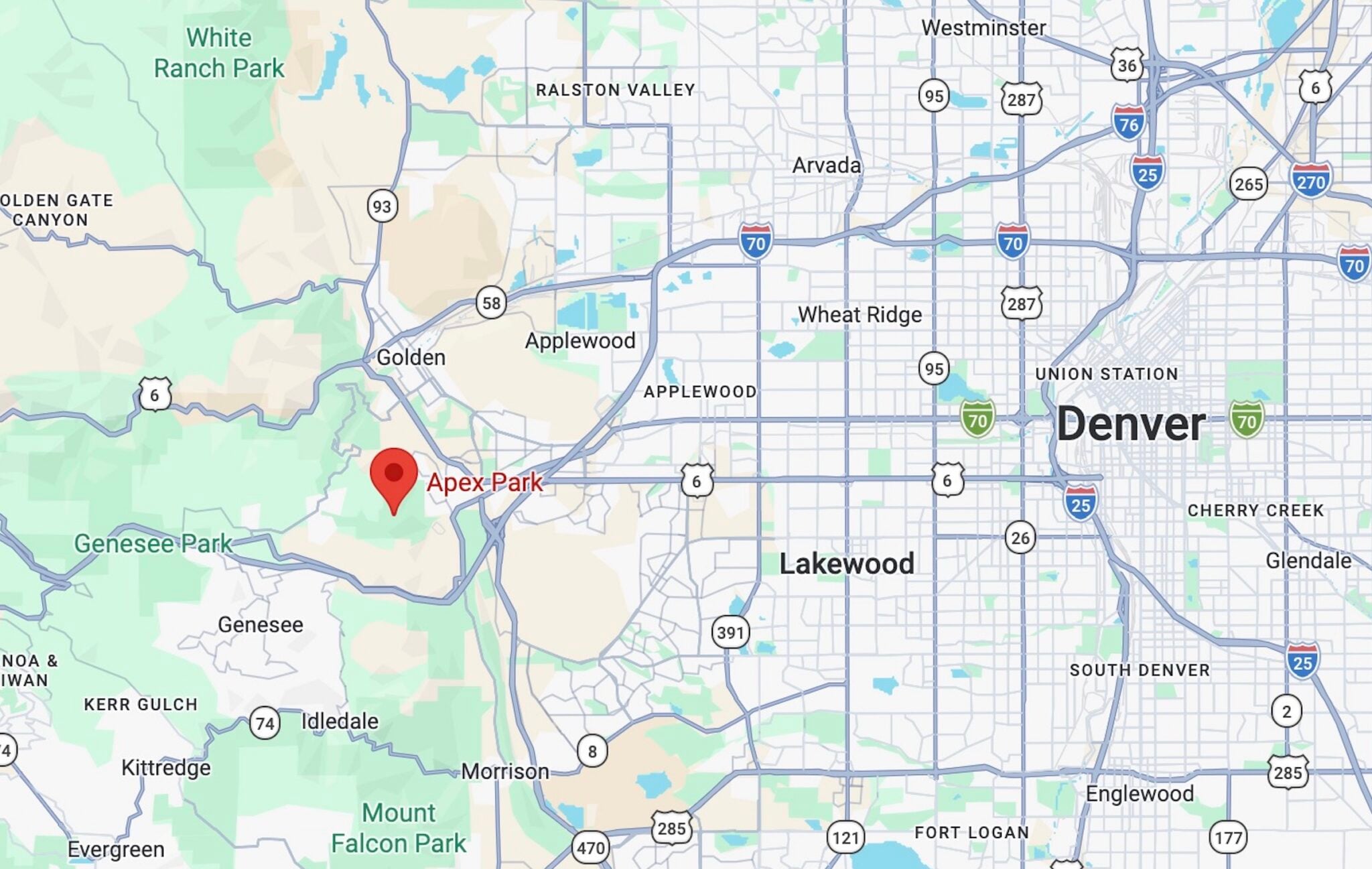
Apex Park, a cherished recreational area situated in the picturesque foothills west of Golden, Colorado, and a mere stone’s throw from the bustling city of Denver, has been temporarily shuttered due to a series of concerning encounters involving aggressive bear behavior. The closure, enacted by Jefferson County Open Space (Jeffco Open Space), aims to ensure public safety while Colorado Parks and Wildlife (CPW) meticulously monitors the situation and assesses the risks posed by the animals. As of the latest update, no definitive timeline for the park’s reopening has been provided, leaving avid hikers and mountain bikers eager for information about when they can once again access the park’s 10.1 miles of diverse trails, which include challenging singletrack routes and ascents towards the iconic Lookout Mountain.
Escalating Bear Encounters Prompt Park Closure
The decision to close Apex Park, a 797-acre expanse known for its rugged terrain and significant elevation gains, comes amid a period of heightened bear activity across the state. CPW data reveals a substantial increase in reported bear encounters, with 1,192 incidents logged statewide as of June 12th. Wildlife officials broadly attribute this surge to a confluence of environmental factors, notably a mild and dry winter that significantly diminished the availability of natural food sources for the region’s black bear population. This scarcity of traditional sustenance has reportedly driven bears to explore new territories and interact more frequently with human-populated areas in search of alternative food sources.
Context of the Current Bear Season
The current bear season in Colorado has been characterized by an unusual level of boldness and proximity to human settlements. Reports indicate bears foraging in residential areas, investigating unsecured garbage cans, and even entering garages and homes in pursuit of food. This intensified activity underscores a growing challenge for both wildlife management agencies and the public, requiring a concerted effort to mitigate potential conflicts. The closure of Apex Park, a highly trafficked destination for outdoor enthusiasts, serves as a stark indicator of the seriousness with which these bear encounters are being treated.
Official Responses and Wildlife Management Strategies
Jefferson County Open Space, in collaboration with Colorado Parks and Wildlife, is actively managing the situation. A spokesperson for Jeffco Open Space emphasized that public safety remains their paramount concern and that the park will only be reopened once CPW officials deem the area secure. CPW Area Wildlife Manager Tim Kroening issued a statement underscoring the root cause of most human-bear conflicts: "Most conflicts between people and bears begin when bears gain access to food, garbage or other attractants left by people. Properly storing food, securing trash and pet food, and keeping campsites clean helps protect both people and bears."
This statement highlights a critical aspect of bear management: the role of human behavior in influencing wildlife interactions. CPW’s guidance emphasizes preventative measures, urging the public to adopt responsible practices to minimize the likelihood of attracting bears. These include the secure storage of all food items, ensuring garbage cans are properly sealed and bear-resistant when possible, and keeping pet food indoors. The agency also stresses the importance of maintaining clean campsites and outdoor living spaces to avoid inadvertently luring bears.
Understanding Colorado’s Black Bear Population and Behavior
Colorado is home to an estimated black bear population ranging between 17,000 and 20,000 individuals. A significant portion of this population resides in mountainous and forested terrains where human recreational activities are common. Wildlife managers consistently point to human actions as the primary catalyst for conflicts, noting that the easy availability of human-generated food sources can diminish a bear’s natural apprehension towards people. This phenomenon can lead to bears becoming habituated to human presence, increasing the risk of dangerous encounters.
The bears’ behavior observed at Apex Park, described as "aggressive," suggests a level of comfort and assertiveness that warrants immediate intervention. While black bears are generally reclusive and prefer to avoid human contact, their natural instincts can be overridden by the pursuit of readily available food. This can manifest in various ways, including persistent presence, attempts to access food sources, and, in rare cases, defensive or predatory actions.
Safety Recommendations for Outdoor Enthusiasts
CPW provides a comprehensive set of safety guidelines for individuals venturing into bear country. Recreators are strongly advised to carry bear spray and be proficient in its use. Making noise while hiking or biking, such as talking loudly or singing, can help alert bears to human presence and prevent surprise encounters. Running from a bear is discouraged, as it can trigger a chase response. Instead, individuals should stand their ground, make themselves appear larger, and speak in a calm, firm voice.
Crucially, CPW reiterates the importance of proper food and attractant storage. This includes using bear-resistant containers for all food, toiletries, and garbage. In the event of a bear encounter that escalates to physical contact, CPW advises individuals to fight back aggressively rather than play dead. This guidance is based on observations of bear behavior, where fighting back has proven more effective in deterring an attack than feigning submission.
Implications for the Local Community and Recreation
The closure of Apex Park has a tangible impact on the local community and the broader outdoor recreation scene near Denver. Apex Park is a highly sought-after destination for mountain bikers, offering challenging technical trails and substantial climbs that appeal to enthusiasts of all skill levels. Its proximity to Golden and Denver makes it an accessible escape for urban dwellers seeking to connect with nature. The temporary closure disrupts these recreational patterns and underscores the delicate balance between human enjoyment of natural spaces and the need to coexist with wildlife.
The decision to close the park also serves as a reminder of the interconnectedness of ecosystems. Bears are integral components of the Colorado wilderness, and their presence, while sometimes posing challenges, is indicative of a healthy environment. The current situation emphasizes the need for ongoing education and vigilance to ensure that human activities do not unduly disrupt wildlife populations or create hazardous conditions for either humans or animals.
Looking Ahead: Monitoring and Reopening
The reopening of Apex Park will be contingent upon the successful monitoring and management of the bear activity. CPW officials will likely employ a range of strategies, including observation, tracking, and potentially relocation efforts if deemed necessary and feasible. The agency will continue to assess the bears’ behavior and their proximity to human activity. Until CPW provides clearance, Jeffco Open Space will maintain the park’s closure, prioritizing the safety of all visitors. The situation at Apex Park serves as a critical case study in the ongoing management of human-wildlife interactions in a rapidly growing region. Residents and visitors are urged to stay informed through official channels and to adhere strictly to all posted guidelines and advisories. The hope is that through a combination of responsible human behavior and effective wildlife management, popular recreational areas like Apex Park can be safely reopened to the public in the near future.

