
The 2026 autumn ski season has commenced under a cloud of uncertainty, as the Alps continue to grapple with the long-term impacts of record-breaking summer heat. On Saturday, September 26, 2026, the Austrian resort of Pitztal officially opened its doors for the new season, joining a dwindling list of accessible glacier areas that includes Val Senales and Passo Stelvio in Italy. However, the optimism surrounding this opening is tempered by the widespread cancellation of operations at other prominent Austrian glaciers, specifically Sölden and Kaunertal, where insufficient snow cover and persistent high temperatures have forced indefinite delays.
This fragmented start to the winter season underscores a deepening crisis for high-altitude tourism in Europe. After enduring the most severe summer on record—a season characterized by repeated heatwaves that at one point saw all lift-served skiing in the Alps cease entirely—resort operators are now contending with a landscape that is fundamentally altering in real-time.
A Strained Chronology of the 2026 Season
The difficulties currently facing the industry did not emerge overnight; they are the culmination of a summer marked by environmental instability. By early August 2026, the situation had become dire. Zermatt/Cervinia, usually a reliable bastion for year-round skiing, shuttered its summer slopes on August 1, followed shortly by Saas-Fee on August 10. The Italian resort of Passo Stelvio was forced to close mid-August due to the intensity of the heat, only managing to resume limited operations in September.
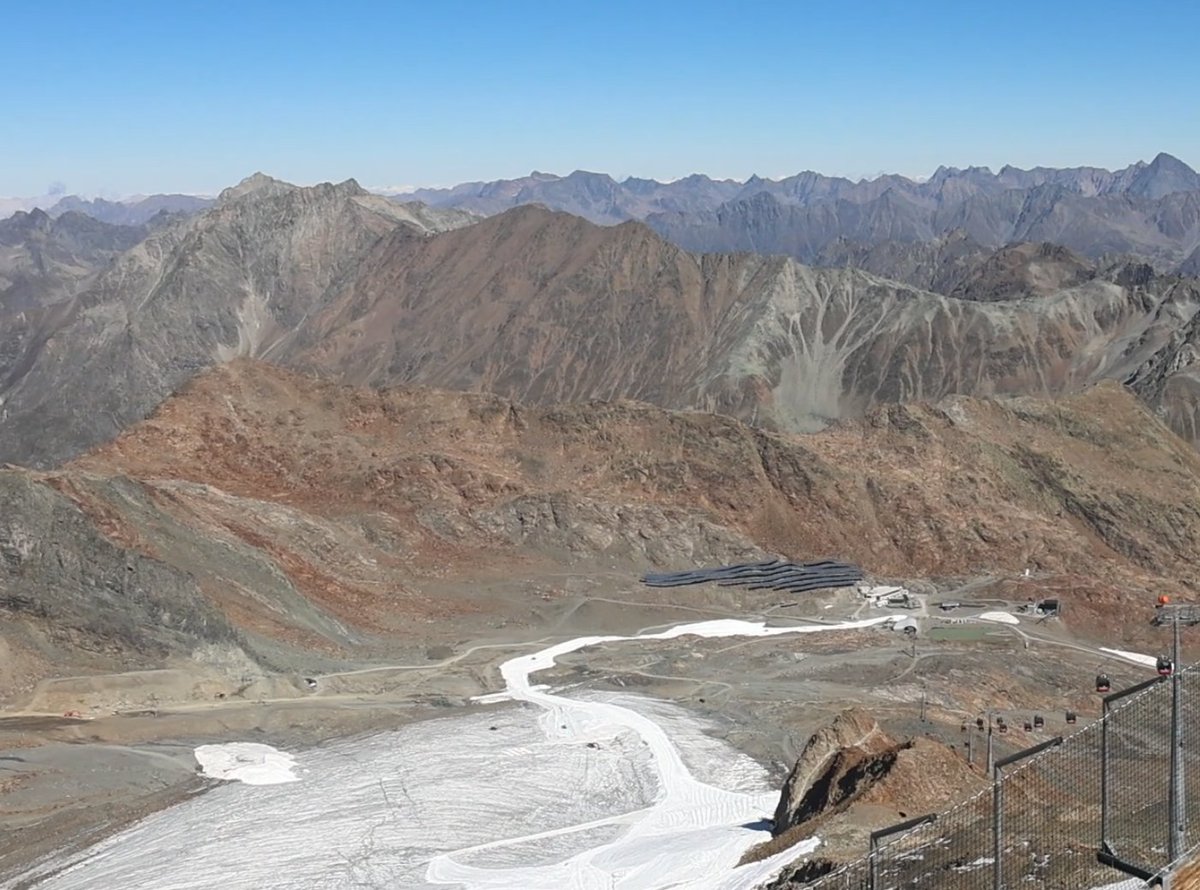
For those resorts that held out, the "base" of snow they rely upon has become increasingly difficult to maintain. Meteorologists and ski industry analysts have noted that while the second week of September brought a welcome, albeit brief, dusting of roughly 20 centimeters of fresh snow—the first significant accumulation since the previous spring—it proved insufficient to compensate for the thermal exhaustion of the underlying glaciers.
Official Responses and Resort Status
The contrast between the operational status of various resorts highlights the reliance on aggressive snow management techniques. Pitztal’s decision to open was a calculated move, relying on a "heavily managed base" to provide just two operational runs. In a statement released on social media, the resort management noted, "It’s about to start again! On Saturday, September 26th, we’ll kick off the new ski season at Pitztaler Gletscher."
Conversely, the disappointment at Kaunertal and Sölden reflects the reality of current weather patterns. A representative for the Kaunertal glacier operation stated, "Our planned season start for a training operation from September 26, 2026, cannot take place due to the current weather conditions. Instead of snow, there was rain recently, and the temperatures are still too high to start with snowfall. As soon as the snow and temperature conditions allow, we will start."
The Hintertux glacier, which historically has maintained a 365-day operation, is currently the primary focus for those looking toward the immediate future. It is scheduled to resume operations next weekend, marking its first period of activity since July. This reopening is viewed as a bellwether for the viability of late-autumn skiing in the region.
The Broader Impact: Data and Environmental Context
The 2026 summer season is expected to go down in the annals of meteorological history as the warmest summer ever recorded in the Alps. For sixty years, the industry has relied on the consistent, cold architecture of these glaciers to sustain the transition between seasons. That architecture is now failing.
Fraser Wilkin, a lead analyst at weathertoski.co.uk, provides a sobering assessment of the situation. "The extent of skiing on all these glaciers remains very limited," Wilkin observed. "Overall, the weather in the Alps this September has again been exceptionally dry and warm. Looking a bit further ahead, the forecast remains unfavourable for the glaciers, with next week set to get off to a very warm start across the board. Temperatures will remain above average for the foreseeable future."
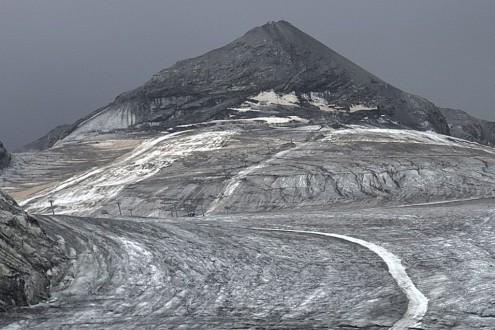
The implications are two-fold: operational and geological. Operationally, resorts are forced to rely on "snow farming"—the practice of storing snow from the previous winter under protective covers—to guarantee any kind of early-season offering. Geologically, the melting of these glaciers is not merely a seasonal concern but a permanent one. As the ice retreats, the surrounding mountain terrain becomes increasingly unstable, leading to higher risks of rockfalls and the degradation of the infrastructure that supports lift pylons and access roads.
A Comparative Look: The Finnish Approach
While the Alps struggle with the unpredictability of glacial health, other regions are moving toward alternative, technology-driven solutions. In Finland, the resorts of Levi and Ruka are preparing to open on October 2, 2026. Unlike the Alpine resorts that remain tethered to the health of their glaciers, these northern venues have industrialized the process of snow preservation.
Ruka, for instance, stores approximately 150,000 cubic meters of snow over the summer months. This volume, carefully preserved in insulated piles, is enough to blanket roughly 67 football fields. This method allows for a guaranteed start to the season that is entirely decoupled from the immediate meteorological conditions of the autumn, offering a model that many Alpine resorts are now studying with renewed interest.
Future Outlook: Planning for the 2026/2027 Winter
As the industry looks past the current setbacks, the focus shifts to the upcoming winter season of 2026/27. The early-season closures have forced a recalibration of marketing and logistics. Resorts are increasingly transparent about the "limited" nature of their offerings, managing expectations among professional training teams and recreational enthusiasts alike.
The transition from a "glacier-dependent" model to a more diversified, high-altitude strategy is becoming a necessity. Resorts that previously marketed themselves as year-round destinations are now having to pivot toward flexible opening windows, where the start of the season is dictated by real-time data rather than calendar dates.

Conclusion: The Path Forward
The challenges observed in September 2026 serve as a microcosm of the long-term structural shifts affecting the European ski industry. The combination of record-high temperatures and insufficient precipitation has created an environment where the traditional start of the ski season is no longer guaranteed.
While the opening of Pitztal provides a small victory for winter sports enthusiasts, the prevailing sentiment across the industry is one of caution. The reliance on artificial snow and stored snow reserves is likely to increase as the natural glacial base continues to thin. As the global climate continues to evolve, the resilience of the alpine economy will depend on the ability of resorts to innovate, adapt, and manage the realities of a warming planet.
For the millions of skiers and snowboarders who frequent the Alps, the next few months will be a period of adaptation. As resorts prepare for the winter, the priority remains to provide safe and sustainable access to the mountains, even as the definition of a "normal" season continues to shift beneath their feet. The industry, while resilient, is entering a new era—one where the mountains are no longer a constant, but a changing landscape requiring constant vigilance and advanced technical intervention.

