
The city of Vancouver, long established as the primary international gateway for skiers and snowboarders heading to the world-class resorts of British Columbia, is increasingly positioning itself as a destination of choice in its own right. While millions of travelers transit through Vancouver International Airport (YVR) each winter to reach iconic peaks such as Whistler Blackcomb, Sun Peaks, Fernie, Red Mountain, Whitewater, Revelstoke, and Kicking Horse, recent data suggests a significant shift in travel patterns. Tourists are increasingly choosing to integrate extended city stays into their winter sports itineraries, prompting local tourism boards and municipal authorities to re-evaluate the city’s role in the regional adventure travel ecosystem.
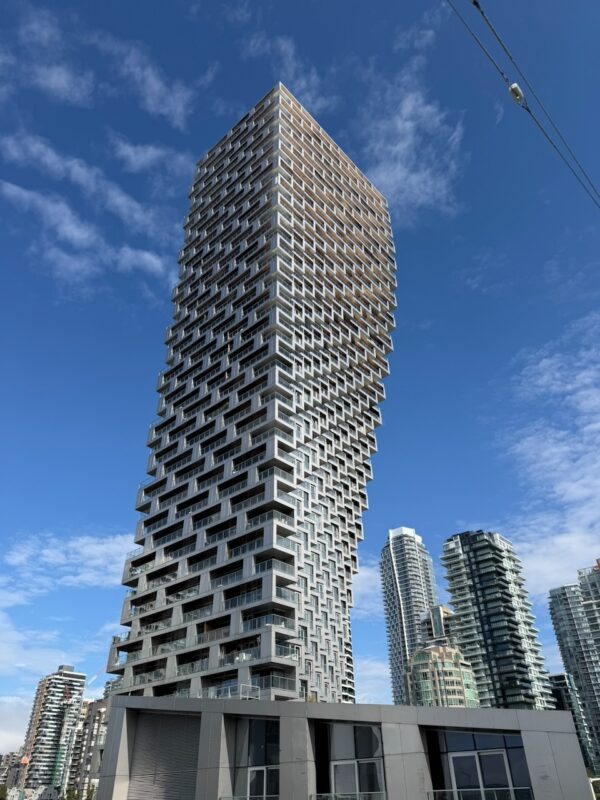
Architectural Evolution and Urban Geography
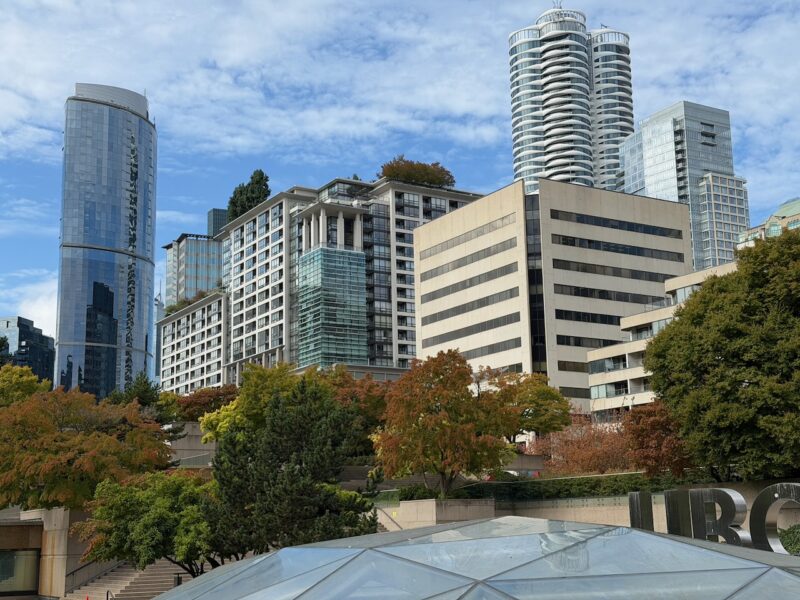
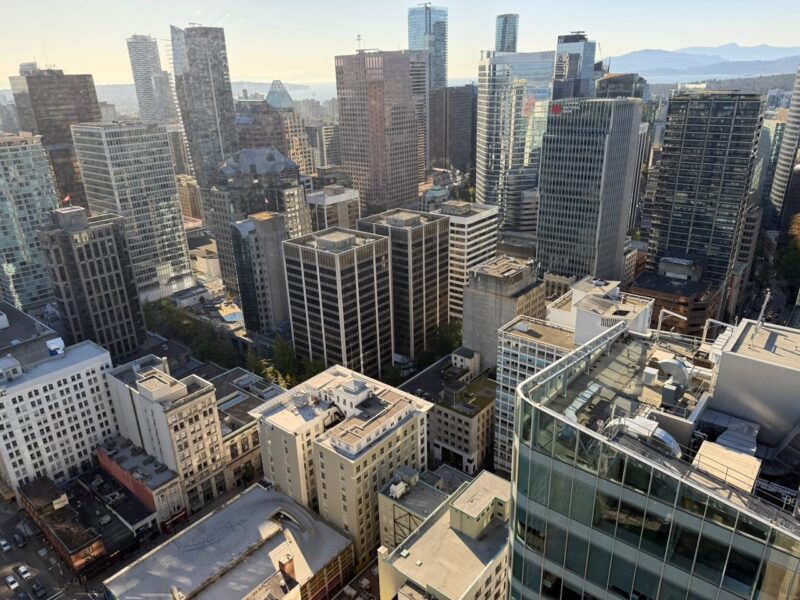
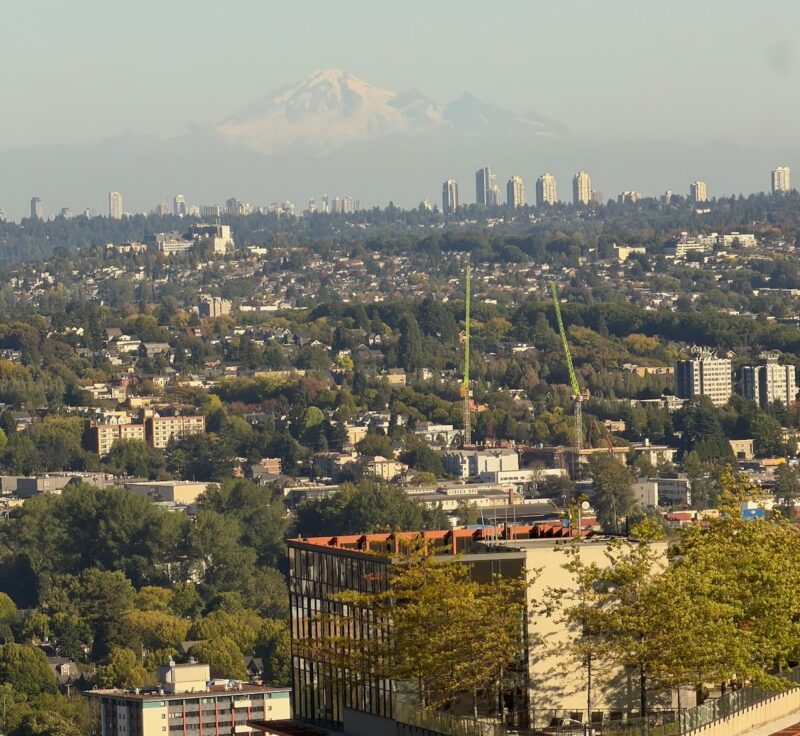
Vancouver’s urban landscape has undergone a profound transformation over the last decade, with its skyline often compared to global financial hubs like Singapore, New York, and Tokyo. The architectural density of the downtown core, characterized by high-rise glass towers and sustainable design, contrasts sharply with the rugged, immediate presence of the North Shore Mountains. This juxtaposition—where a dense urban center meets the edge of the Pacific Ocean and towering coastal ranges—has become a cornerstone of Vancouver’s unique branding.
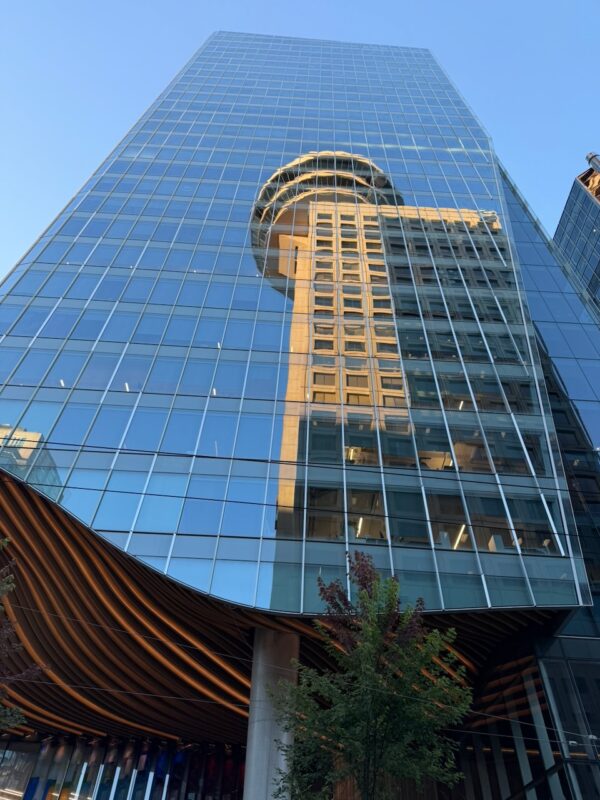
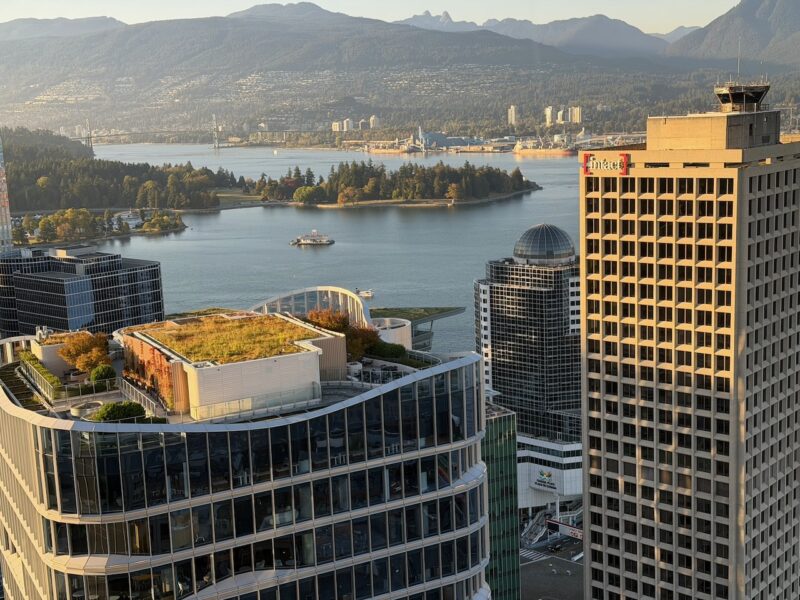
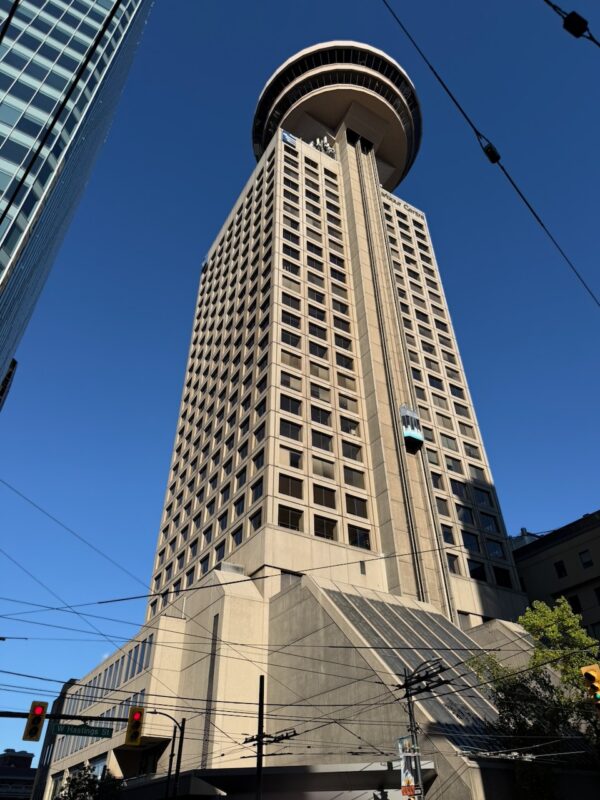
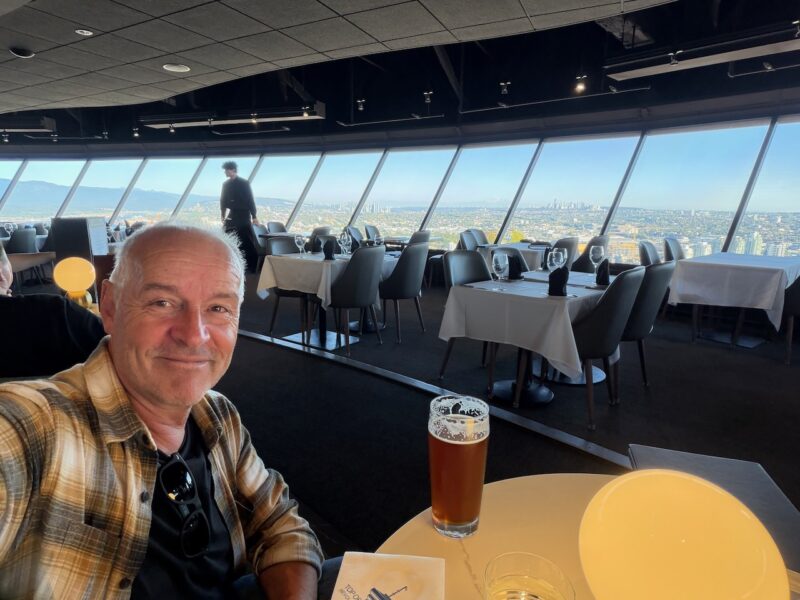
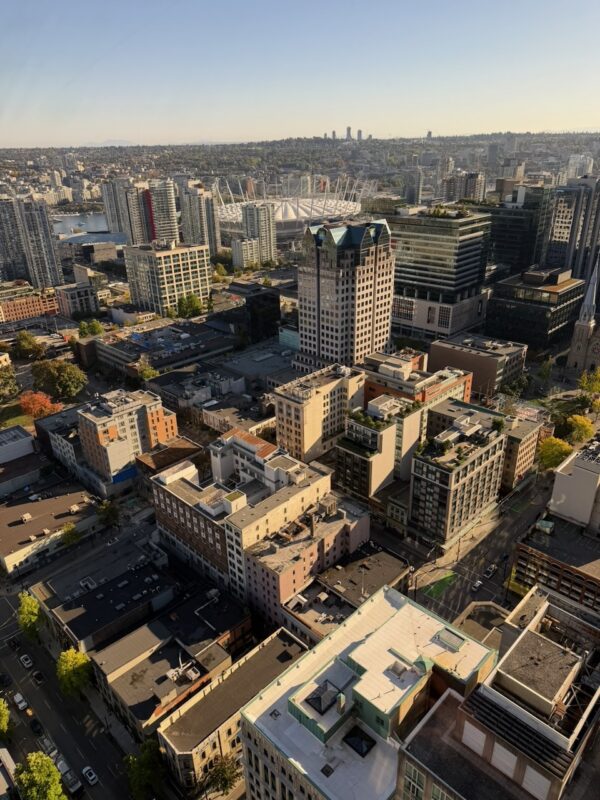
From an urban planning perspective, the city’s geography is defined by the Burrard Inlet and the surrounding mountain ranges. The Vancouver Lookout, situated 168 meters above the city, offers a comprehensive vantage point that illustrates the city’s complex layout. Recent trends in tourism have highlighted a shift away from traditional tourist traps toward more experiential visits. For instance, while a standard observation deck ticket is priced at $23 (approximately £12.27), savvy travelers and industry insiders have begun recommending the revolving restaurant located at the same summit level. By opting for a beverage, priced at $17.50 (£9.34), visitors gain access to the same 360-degree panoramic views without the formal entrance fee. This trend reflects a broader consumer preference for high-value, authentic local experiences.
Historical and Cultural Context
The history of Vancouver extends far beyond its modern glass skyline. The region is situated on the traditional, ancestral, and unceded territories of the Musqueam, Squamish, and Tsleil-Waututh peoples. Archaeological evidence suggests that indigenous settlement in the area dates back more than 10,000 years. This heritage is physically manifested in Stanley Park, where a collection of totem poles serves as a vital historical archive. These carvings, some of which have been in situ since 1920, provide a tangible connection to the region’s original stewards and the cultural narratives of the Northwest Coast.
In the historic Gastown district, the steam-powered clock has become a focal point of urban tourism. While it is a popular site year-round, local lore suggests it takes on a particular, aesthetic significance during the winter months, when the steam interacts with falling snow, creating a localized atmospheric effect that has gained significant traction on social media platforms. Such landmarks serve as essential components of the city’s efforts to maintain its identity amidst rapid modernization.
Economic Impact and Infrastructure
The economic implications of Vancouver’s dual identity as a transport hub and a tourism destination are substantial. As a major international seaport, the city facilitates the movement of goods between North American rail networks and global shipping lanes. The sight of massive container ships passing through the bay, often juxtaposed against the snowy peaks of the North Shore, is a visual representation of the city’s economic vitality.
For the modern traveler, transit infrastructure has been optimized to bridge the gap between the urban and the natural. The SeaBus, a commuter ferry service connecting downtown Vancouver to North Vancouver, offers a remarkably affordable entry point into the region’s landscape. With a return ticket priced at just $3.40 (£1.81), it provides one of the most cost-effective ways to view the city’s industrial and natural interface. This transit route is not merely a tourist attraction but a vital piece of infrastructure that underscores the efficiency of Vancouver’s multi-modal transport system.
Gastronomic and Cultural Tourism
The perception of Vancouver’s culinary scene has evolved significantly. Moving away from the stereotypical reliance on quick-service, processed food, the city has cultivated a sophisticated dining culture that emphasizes locally sourced ingredients and international influences. Establishments like The Nightingale and The Brass Fish represent a new wave of local dining that has received positive feedback from both residents and international visitors.
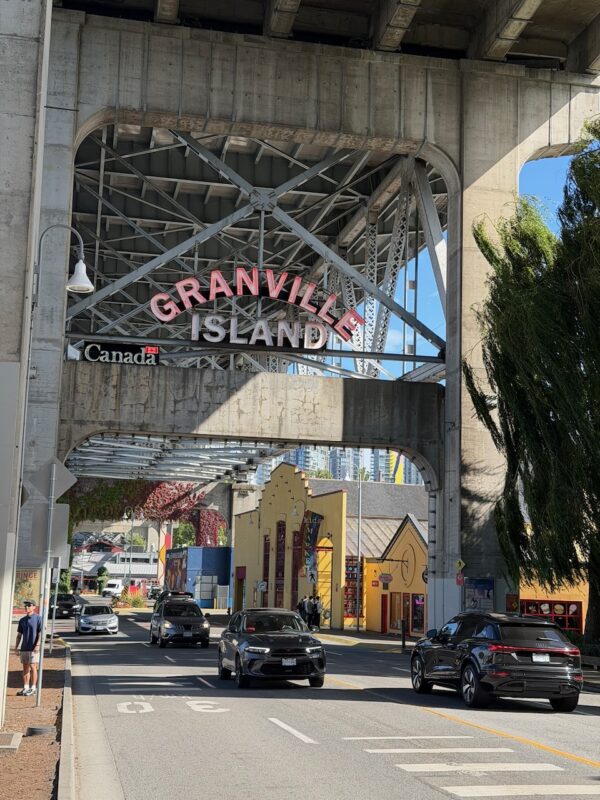
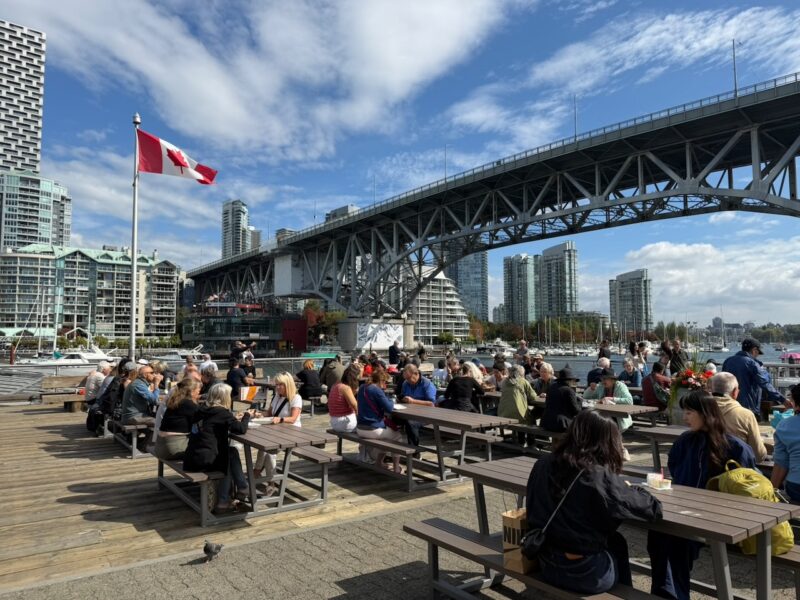
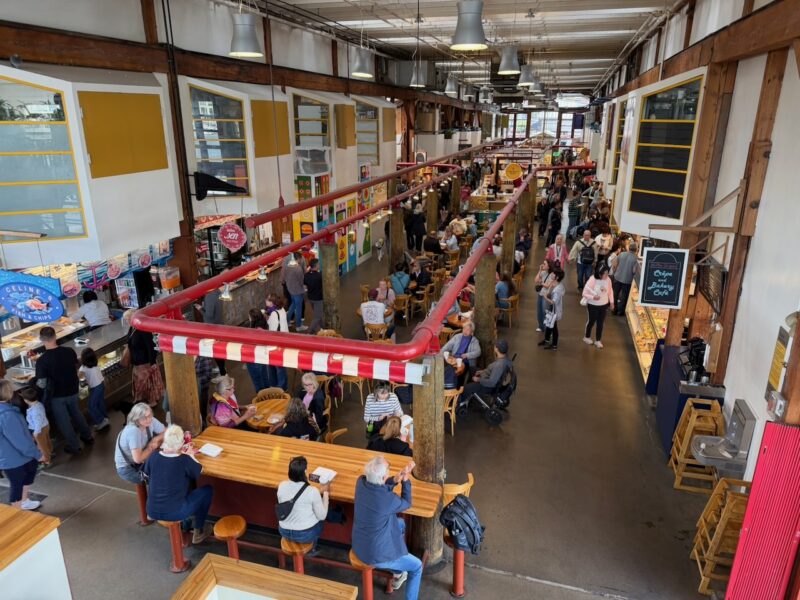
Furthermore, venues such as the Vancouver Art Gallery and the Bill Reid Gallery of Northwest Coast Art are increasingly viewed as essential stops for visitors who wish to engage with the region’s intellectual and artistic life. Granville Island, once an industrial manufacturing hub, has been successfully repurposed into an artisan center. It now hosts the largest public market in Western Canada, serving as a hub for local artists, food producers, and cultural festivals. This transition from industry to artisanal commerce serves as a case study in effective urban renewal.
Future Projections for Winter Tourism
As the 2026/2027 winter season approaches, stakeholders in the British Columbia tourism industry are looking to leverage these diverse offerings to increase the average length of stay for international visitors. The goal is to transition Vancouver from a "stop-off" city into a primary destination for "bleisure" (business and leisure) travel.
The integration of urban cultural experiences with proximity to world-class alpine sports provides a unique value proposition. Industry analysts note that as climate change influences snow reliability in other parts of the world, British Columbia’s high-elevation resorts, coupled with the stability of a major city like Vancouver, will likely remain a resilient draw for the global ski market.
Conclusion: A Strategic Pivot
The evidence suggests that Vancouver is successfully navigating the transition from a transient hub to a multifaceted destination. By emphasizing its indigenous heritage, sustainable urban planning, and a world-class culinary sector, the city has created an ecosystem that caters to a wide spectrum of travelers. As the winter season nears, the collaboration between mountain resort operators and urban tourism boards will be critical in sustaining this momentum. For the millions who arrive with skis in tow, the city is no longer just a place to land; it is an environment to be explored, providing a complex, rewarding experience that complements the intensity of the slopes.
The broader implications of this development are clear: cities that successfully synthesize their historical roots with modern amenities and environmental stewardship are better positioned to weather the fluctuations of the global travel market. Vancouver stands at the forefront of this shift, offering a compelling argument for the value of the "urban-alpine" connection. Whether it is a quiet moment at a totem pole in Stanley Park, a commute across the bustling Burrard Inlet, or a meal in the heart of the city’s historic core, Vancouver is proving that its appeal lies not in one singular attribute, but in the harmonious, often surprising, convergence of its many parts.

