
When winter approaches and ski resorts begin spinning their lifts, enthusiasts across the globe turn their attention to gear preparation, maintenance, and acquisition. With the outdoor retail market flooded with high-end innovations, premium carbon-composite skis, technical outerwear boasting astronomical waterproofing ratings, and smart-heated accessories, the financial barrier to entry for modern skiing has never been higher. Consumers are regularly confronted with a sprawling array of equipment choices, leading many to wonder which investments genuinely transform the on-mountain experience and which are merely clever marketing gimmicks. To uncover what truly delivers value, Unofficial Networks recently surveyed its dedicated community of winter sports enthusiasts on Facebook, asking a fundamental question: Beyond the basic necessities, which ski gear purchase proved to be worth every single penny?
The overwhelming consensus from the community highlighted that while flashy designs and top-tier skis certainly capture attention, comfort, precision fit, and thermal regulation reign supreme. Far from being a uniform endorsement of specific brand names, the responses revealed a deep appreciation for customized comfort, specialized modifications, and ergonomic engineering. To understand the implications of these consumer choices, it is necessary to examine how the ski industry has evolved, what specific equipment categories dominated the feedback, and how these investments directly influence performance and endurance in alpine environments.
The Evolution of Ski Equipment and the Quest for Comfort
Historically, skiing was characterized by rigid, painful leather or early plastic boots, straight wooden or metal skis, and heavy, non-breathable wool or cotton clothing. Frostbite was common, foot pain was considered an unavoidable rite of passage, and staying on the mountain for an entire day required remarkable physical resilience and mental fortitude. Over the past several decades, however, the intersection of materials science, biomechanics, and consumer feedback has completely revolutionized winter sports equipment.
Today’s skiers enjoy parabolic sidecuts, lightweight touring bindings, Gore-Tex membranes, and advanced composite materials that make skiing more accessible and physically demanding in entirely new ways. Yet, despite these technological leaps forward, one fundamental challenge has stubbornly persisted: the human foot is not naturally shaped like a rigid plastic ski shell. Consequently, the relationship between a skier’s foot and their boot remains the single most critical interface in the entire sport. When this interface fails, performance degrades, fatigue accelerates, and enjoyment plummets.
Custom-Fitted Ski Boots Dominate Consumer Feedback
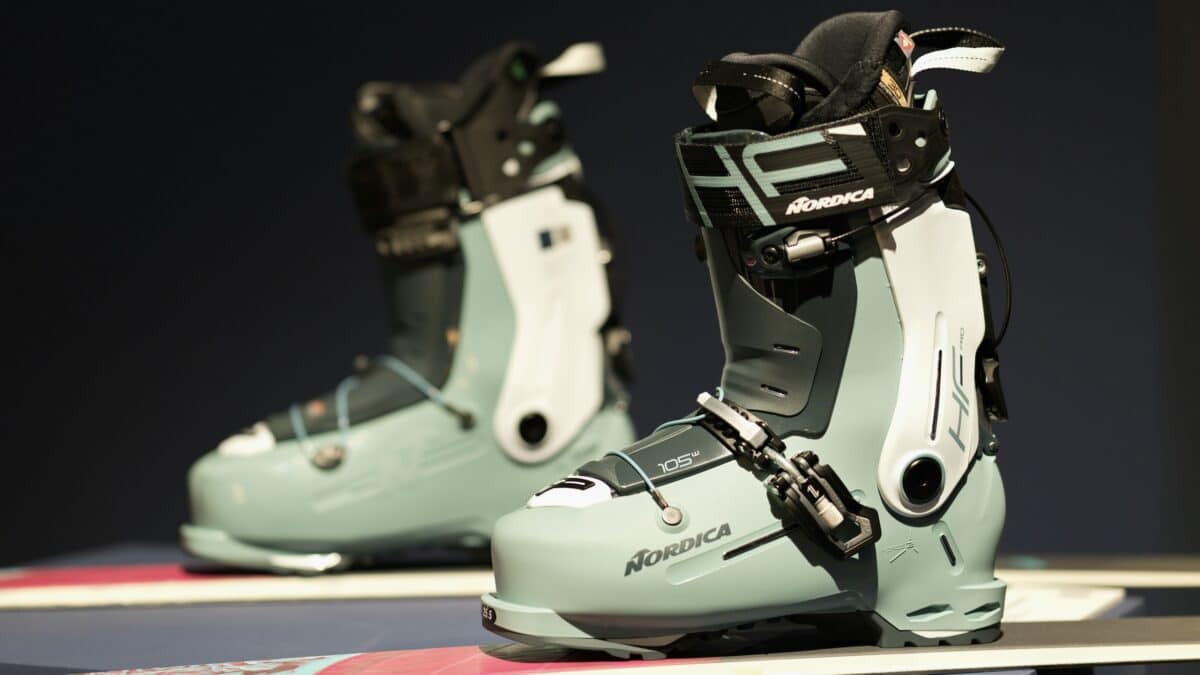
When Unofficial Networks polled its readership regarding purchases that genuinely justified their high costs, ski boots and custom fitting services dominated the conversation. Commenters repeatedly emphasized that no matter how advanced a pair of skis might be, or how expensive a jacket is, a poorly fitting boot compromises the entire experience.
A prominent theme among the responses was the distinction between off-the-shelf purchases and professionally customized solutions. Numerous skiers pointed to heat-molded shells, custom footbeds, and specialized aftermarket liners as transformative upgrades. One participant described heat-molded boots paired with custom footbeds as an absolute "game changer," while another articulated a golden rule of modern skiing: if your feet are not happy, it is virtually impossible to have a good day on the mountain.

Specific brands and technologies were frequently cited for their durability and performance. Skiers highlighted custom-fitted Lange boots and Fischer vacuum-molded boots as standout hardware investments. Beyond the hard plastic shells, internal components received equal praise. ZipFit cork-injected liners and Intuition thermo-moldable liners were singled out by multiple respondents as aftermarket upgrades that they would purchase again without hesitation. Similarly, foundational support products like Superfeet insoles and bespoke orthotics were credited with eliminating chronic foot pain, cramping, and numbness.
Professional bootfitting services also emerged as a critical variable. Several contributors noted that spending money on the equipment itself is insufficient; the expertise of a master bootfitter who understands stance alignment, shell punching, and volume reduction is where the real value lies. As one experienced skier noted, if your boots are not right, nothing else on your setup matters.
Thermal Regulation and Heated Gear as Essential Upgrades
While foot pain represents a mechanical barrier to enjoyment, cold temperatures represent an environmental one. Thermal discomfort has historically forced skiers to retreat to the lodge prematurely, cutting expensive lift-ticket days short. In response, the market for heated ski gear has expanded dramatically, transitioning from a luxury novelty to a staple investment for comfort-conscious enthusiasts.
Heated ski boots, heated socks, heated mittens, and standalone boot heaters received high praise across the survey responses. One commenter, drawing on professional experience teaching skiing at Vermont’s Sugarbush Resort, recounted the operational advantage of heated Lange boots. Being able to activate the heating element while riding the chairlift and experiencing fully warmed toes by the time the safety bar was raised transformed the teaching experience from an endurance test into a sustainable occupation.
Other participants highlighted specific thermal products, including Hotronic heat systems, Lenz heated socks, battery-powered heated gloves, and Therm-ic boot heaters. The widespread endorsement of these items indicates a shift in consumer priorities. Modern skiers increasingly view thermal gear not as an unnecessary extravagance, but as a practical tool designed to extend their time on the mountain, maximize the financial value of season passes, and maintain fine motor skills essential for safe skiing.
Optics, Skis, and Safety Equipment
Beyond boots and thermal regulation, several other categories of equipment earned high marks from the Unofficial Networks community, particularly regarding safety, visibility, and performance enhancement.
Visibility is a critical factor in alpine environments, where weather conditions can deteriorate rapidly, producing flat light, heavy snowfall, or blinding whiteouts. Several skiers emphasized the value of high-quality goggles featuring advanced lens technology designed to enhance contrast in low-light conditions. Respondents noted that investing in premium optics significantly reduces eye strain and improves terrain reading, thereby boosting confidence when navigating challenging runs under adverse weather skies.
Skis themselves also commanded significant attention. Premium European and domestic brands such as Stöckli, Rossignol, Völkl, Fischer, and K2 were frequently mentioned. While some skiers advocated for purchasing brand-new, high-end models, others praised the economic strategy of buying lightly used demo equipment at steep end-of-season discounts, proving that high value can be achieved through strategic timing rather than simply spending top dollar.
Safety equipment and technical apparel rounded out the core responses. Helmets, technical shell jackets, insulated bibs, and durable gloves were cited for their longevity, with many users noting that quality outerwear can remain functional and waterproof for decades if properly maintained. Furthermore, backcountry and sidecountry skiers highlighted avalanche safety gear—specifically avalanche beacons, probes, and specialized backpacks—as indispensable investments. One commenter remarked that carrying a reliable beacon and safety pack represents a foundational purchase that, in worst-case scenarios, preserves life itself.
Economic and Industry Implications
The insights shared by the Unofficial Networks community offer valuable takeaways for both consumers and ski industry manufacturers. For the average skier navigating a crowded marketplace, the data suggests a clear hierarchy of investment priority. Rather than blowing a budget on the latest graphic design on a ski top sheet or purchasing unnecessary accessories, capital is best allocated toward anatomical interface points—specifically, custom-tailored boots, insoles, and liners—followed closely by thermal management and high-visibility optics.
For manufacturers and retailers, the responses underscore the ongoing importance of customer service and specialized expertise. While e-commerce continues to grow, the high praise directed toward professional bootfitters demonstrates that brick-and-mortar retail shops offering specialized fitting services provide an irreplaceable value proposition. Consumers are clearly willing to invest significant financial resources into equipment, provided that the product delivers tangible improvements in comfort, health, and performance.
Ultimately, skiing remains an expensive and gear-dependent pursuit, but understanding where to direct financial resources can make the difference between a miserable day of frozen toes and painful pressure points, and an unforgettable experience carving fresh powder from first chair to last call. As winter sports continue to evolve, the enduring emphasis on custom fit and thermal comfort serves as a reminder that the best gear is not necessarily the most expensive, but the gear that allows a skier to forget they are wearing it entirely.

