
The 2026 winter sports season in the Southern Hemisphere has encountered a significant setback as record-breaking warmth and a lack of natural precipitation have forced major resorts across Australia and New Zealand to postpone their opening dates. While the late-June period typically marks the beginning of peak activity for the alpine tourism sector, the current landscape is defined by barren slopes and idle machinery. Meteorological data indicates that June 2026 will be classified as one of the most challenging starts to a ski season in recent history, leaving industry stakeholders and domestic tourists navigating a period of high uncertainty. In Australia, the situation is particularly dire, with many premier destinations unable to offer any skiable terrain, while New Zealand is only just beginning to see a reprieve due to a shift in high-pressure systems.
The Australian Alpine Crisis: A Season on Hold
In the Australian Alps, spanning New South Wales and Victoria, the lack of natural snowfall has reached critical levels. Historically, the month of June provides an average snowfall of approximately 35 centimeters, serving as a foundational base for the busier months of July and August. However, for 2026, these totals have plummeted to near-zero in several key regions. Mount Hotham in Victoria, often regarded as one of Australia’s most reliable snow catchments due to its high-altitude village and aspect, has recorded no natural snow accumulation whatsoever as of June 28.
The absence of snow is compounded by unseasonably high overnight temperatures, which have frequently remained above the freezing threshold required for traditional snowmaking. Typically, snow guns require a wet-bulb temperature of at least -2 degrees Celsius to operate efficiently. The persistent "blocking highs" over the Tasman Sea have funneled warm, moist air from the north, preventing the cold Antarctic fronts that usually sweep across the Great Dividing Range from reaching the alpine peaks.
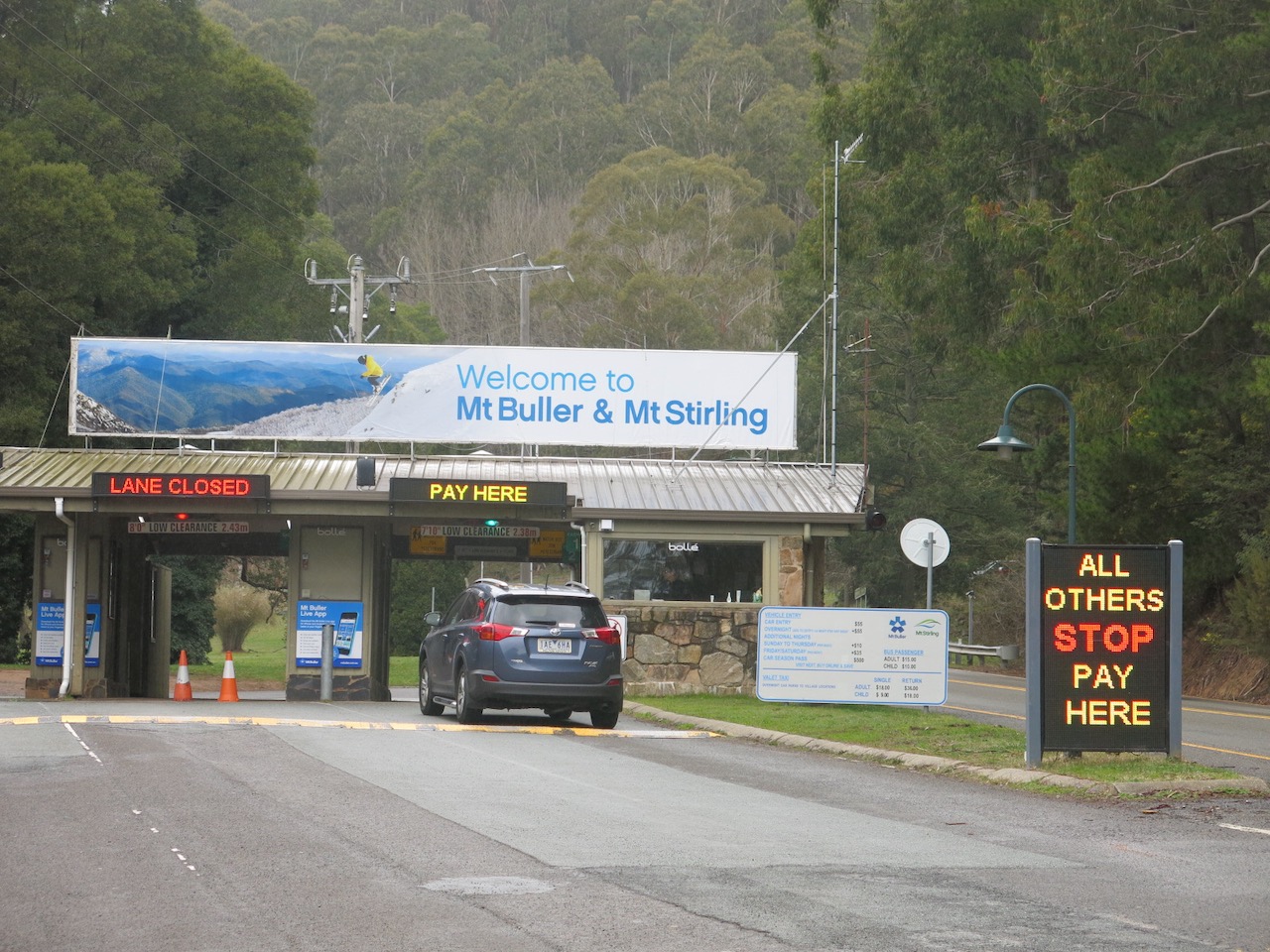
Currently, the operational status of Australian resorts is minimal. Out of dozens of major lift systems across the country, only two chairlifts are functional for skiing and snowboarding. These include the ‘Easy Does It’ quad chair at Thredbo in New South Wales and the ‘Bourke Street Express’ at Mount Buller in Victoria. Perisher, the largest resort in the Southern Hemisphere, has managed to open only one small beginner slope, a far cry from its usual mid-season capacity of over 40 lifts.
The Emergence of All-Weather Snowmaking Technology
The limited activity seen at Thredbo and Mount Buller is not a result of natural weather patterns but rather a testament to significant capital investment in "all-weather" snowmaking technology. Unlike traditional snow guns that atomize water into cold air, these advanced units—often referred to as vacuum cooling systems or "SnowFactories"—can produce man-made snow in temperatures as high as 20 degrees Celsius.
These units operate inside a temperature-controlled container, freezing water into small dry ice flakes that are then blown onto the slopes. While this technology allows resorts to guarantee a small "learning area" for beginners and ensure that the King’s Birthday opening weekend festivities have at least some white cover, it is not a viable solution for covering entire mountain ranges. The energy costs and logistical limitations of all-weather snowmaking mean that the vast majority of intermediate and advanced terrain remains closed until natural cold fronts arrive.
Regional Reports: Falls Creek and the Victorian High Country
The situation at Falls Creek remains a point of concern for the Victorian tourism industry. As of late June, the resort remains entirely closed for skiing and boarding. Betony Pitcher, the Brand and Experience Manager for Falls Creek, emphasized the resilience and readiness of the operational teams despite the meteorological setbacks. "Our snowmaking team will be making snow at every opportunity, and we’ll be keeping a close eye on conditions to open for skiing and boarding as soon as we are able to," Pitcher stated.
The closure of Falls Creek has a ripple effect on the local economy of the Kiewa Valley, particularly the town of Mount Beauty, where businesses rely heavily on the winter influx of tourists. The delay in the season has led to a surge in cancellations for accommodation providers and a reduction in seasonal employment hours for mountain staff. Mountainwatch, a leading authority on alpine weather and snow conditions, has officially categorized June 2026 as one of the worst starts to a season since records began, drawing comparisons to the infamously dry winters of 2006 and 1923.
New Zealand: A Glimmer of Recovery
Across the Tasman, the outlook for New Zealand’s South Island is notably more optimistic. While the season also started slowly in the Remarkables and Coronet Peak, a recent shift in weather patterns has brought the cold air necessary for operations. On Friday, June 26, Cardrona Alpine Resort near Wanaka officially opened its season. While the coverage is not yet at peak levels, the resort has benefited from a combination of higher elevation and more consistent overnight lows, allowing their extensive snowmaking fleet to supplement the natural dusting.
Mt Hutt, located on the edge of the Canterbury Plains, has also managed to get its season underway. New Zealand’s geography often allows for "southerly busters"—fast-moving cold fronts from the Southern Ocean—to hit the Southern Alps with more intensity than they hit the Australian mainland. Forecasts for the final days of June and the first week of July suggest a series of low-pressure systems will move across the South Island, potentially bringing 15 to 30 centimeters of fresh snow to higher elevations. This has provided a much-needed boost to local morale and travel bookings in Queenstown and Wanaka.
Chronology of the 2026 Winter Season
The progression of the 2026 season highlights the volatility of the current climate cycle:
- Early May 2026: Initial long-range forecasts predicted a "neutral" ENSO (El Niño-Southern Oscillation) phase, leading to hopes for an average winter.
- June 6-8, 2026 (Opening Weekend): Australia celebrates the official start of the season with festivals and events, but virtually no skiing is possible. Resorts rely on small patches of man-made snow for "rail jams" and promotional photos.
- June 15-20, 2026: A persistent high-pressure system settles over south-eastern Australia, bringing daytime temperatures in the alpine villages to 10-12 degrees Celsius, melting what little frost had accumulated.
- June 26, 2026: Cardrona (NZ) opens after a 48-hour window of cold temperatures allows for intensive snowmaking.
- June 28, 2026: Mountainwatch and other meteorological agencies confirm record-low snowfall totals for June across the Australian High Country.
Economic Implications and the Tourism Multiplier Effect
The delay of the ski season carries heavy economic weight. The Australian ski industry contributes more than $2 billion annually to the national economy, supporting thousands of jobs in regional areas. When resorts fail to open by late June, the "multiplier effect" is felt by everyone from rental shop owners to grocery stores in gateway towns like Jindabyne and Bright.
Analysts suggest that if the drought continues into mid-July, the financial impact could lead to a permanent shift in how these resorts are managed. Many operators are already diversifying their offerings to include year-round mountain biking and hiking infrastructure to mitigate the risks associated with shorter, more volatile winters. The 2026 season serves as a stark reminder of the vulnerability of "monocultural" tourism economies that depend solely on frozen water.
Scientific Context: Why the Snow is Missing
Climate scientists point to several contributing factors for the 2026 anomaly. While individual seasons vary, the long-term trend in the Australian Alps shows a decline in maximum snow depth and a shortening of the season duration. The Indian Ocean Dipole (IOD), a phenomenon involving the difference in sea surface temperatures between the western and eastern parts of the ocean, has been in a "positive" phase throughout early 2026. A positive IOD typically results in less rainfall and higher temperatures across southern Australia.
Furthermore, the Southern Annular Mode (SAM), which describes the north-south movement of the westerly wind belt that circles Antarctica, has been in a predominantly positive phase. This keeps the cold, snow-bearing frontal systems further south, preventing them from making landfall over the Australian continent.
Looking Ahead: The Forecast for July
Despite the grim start, veteran skiers and resort managers remain hopeful. In the Australian Alps, "Miracle Julys" have occurred in the past, where a single week of intense blizzard conditions has turned a "brown" season into a "white" one overnight. Meteorologists are currently tracking a potential cold front expected to arrive around July 4, which could bring the first significant drop in temperature needed to activate the full fleet of snow guns at Perisher, Thredbo, and Falls Creek.
In New Zealand, the focus is on consolidation. With Cardrona and Mt Hutt open, the goal is to expand terrain offerings as the forecast snow arrives. The contrast between the two nations this year underscores the importance of altitude; New Zealand’s higher peaks provide a buffer that Australia’s lower, older mountains lack.
As the industry waits for the weather to break, the message from resort management remains one of preparation and patience. The infrastructure is in place, the staff are on standby, and the technology is ready to supplement nature the moment the thermometer drops. For now, however, the 2026 season remains a waiting game, defined by the tension between a warming climate and the enduring appeal of the mountains.

