
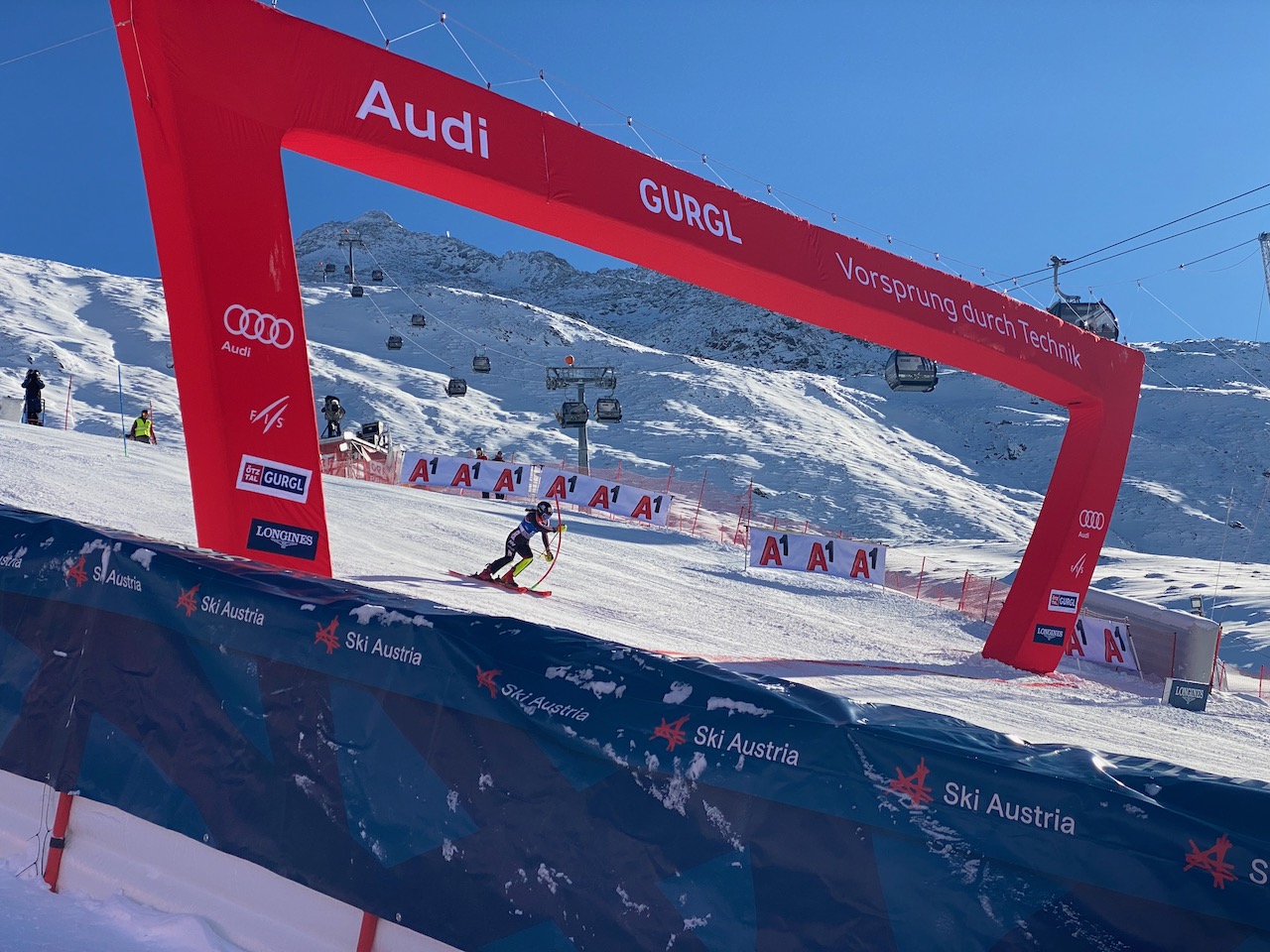
The International Ski and Snowboard Federation (FIS) has officially confirmed the extension of its long-standing partnership with Audi, ensuring the German automotive manufacturer remains the title sponsor of the FIS Alpine World Cup through the 2029-2030 season. This significant renewal also secures Audi’s position as an official partner of the FIS Alpine World Ski Championships, solidifying a relationship that has become one of the most recognizable and enduring alliances in international winter sports. Under the terms of the new agreement, Audi branding will maintain its pervasive presence across the global skiing landscape, appearing prominently at competition venues, throughout international television broadcasts, and across the full spectrum of digital and online media platforms.
The extension comes at a pivotal moment for the sport as it navigates a rapidly evolving media landscape and prepares for a series of high-profile international events. By securing this commitment through 2030, FIS ensures financial and promotional stability during a period that encompasses two Olympic cycles and multiple World Championships. The partnership, which has already spanned over two decades, is designed to enhance the professionalization of the sport while leveraging Audi’s technological expertise and global marketing reach to attract new audiences to Alpine skiing.
A Legacy of Collaboration: The Evolution of the Audi-FIS Relationship
The partnership between Audi and FIS is not merely a commercial transaction but a foundational element of the modern Alpine World Cup. The relationship dates back to the 2002/2003 season, when Audi first took over the title sponsorship. Since that inception, the "Audi FIS Alpine Ski World Cup" has become a household name in sports broadcasting, synonymous with high-performance engineering and elite athletic competition.
Over the past 24 years, the collaboration has expanded far beyond simple logo placement. Audi has integrated its brand into the very fabric of the race weekend. The "Audi Start Hut" has become an iconic visual marker of the beginning of every race, while the "Audi quattro" branding often highlights the technical "split-time" sections of the course, drawing a direct parallel between the traction of the automotive brand’s all-wheel-drive systems and the edge-control of world-class skiers.
This latest extension through 2030 marks nearly three decades of continuous cooperation. Historically, such long-term renewals are rare in the sports world, reflecting a deep level of mutual trust and a shared demographic. Both FIS and Audi target a premium global audience that values precision, innovation, and outdoor lifestyle, making the partnership a natural fit for both entities’ long-term strategic goals.
Strategic Integration and Global Media Reach
The scope of the renewed agreement covers the entire logistical and promotional ecosystem of the Alpine World Cup. The visibility of the Audi brand is managed through a sophisticated multi-channel approach:
- Venue Branding: Audi’s presence is felt at every major stop on the World Cup circuit, from the legendary Streif in Kitzbühel to the technical slopes of Cortina d’Ampezzo. This includes finish area branding, bibs for the top-ranked athletes, and vehicle displays that allow fans to engage with the latest automotive technology in a mountain environment.
- Television and Broadcast Graphics: As part of the title sponsorship, Audi receives primary placement in all official broadcast graphics. With the Alpine World Cup reaching an estimated cumulative global audience of over 1.2 billion viewers annually, the exposure provides a consistent return on investment for the automotive giant.
- Digital and Social Media: In an era where fan engagement is increasingly driven by mobile devices, the partnership includes integrated digital content. This involves "behind-the-scenes" features, technical analysis of race runs, and interactive fan experiences hosted on FIS and Audi social platforms.
By maintaining this high level of visibility, Audi reinforces its association with "Vorsprung durch Technik" (Progress through Technology), a slogan that resonates with the data-driven world of modern ski racing, where victories are often decided by hundredths of a second.
Financial Stability and the Professionalization of Alpine Skiing
The financial terms of the extension, while not publicly disclosed in granular detail, represent a multi-million-euro commitment that provides the bedrock for FIS’s operational budget for Alpine disciplines. This funding is critical for the "professionalization" mentioned by FIS President Johan Eliasch.
Professionalization in this context refers to the enhancement of race-day production, the implementation of more rigorous safety standards, and the expansion of the prize money pool for athletes. The stability provided by a title sponsor like Audi allows FIS to invest in long-term projects, such as the improvement of snow-making technologies and the development of more sustainable event logistics.
Furthermore, the sponsorship helps mitigate the rising costs of hosting world-class events. Local organizing committees (LOCs) rely heavily on the central funding and sponsorship activations provided through FIS partnerships to ensure that venues meet the increasingly complex technical requirements of the modern World Cup circuit.
Official Perspectives: Commitment to Excellence
FIS President Johan Eliasch emphasized the qualitative aspects of the partnership during the announcement. He noted that the relationship is built on a foundation of shared values, particularly a commitment to excellence and innovation.
“Audi has been a key partner in the continued growth and professionalization of Alpine Skiing, helping to elevate the visibility and global appeal of our sport worldwide,” Eliasch stated. He further noted that the extension through 2030 is particularly strategic as the federation looks toward the next Olympic cycle, aiming to deliver "exceptional experiences" for all stakeholders, including athletes, organizers, and fans.
From the perspective of Audi, the partnership serves as a high-performance laboratory. For years, the company has offered FIS athletes access to its state-of-the-art wind tunnel center in Ingolstadt. This allows skiers to refine their aerodynamic positions in a controlled environment, a service that has become indispensable for the world’s top speed specialists. This technical synergy reinforces the narrative that Audi is not just a financier of the sport, but a technical contributor to its evolution.
Sustainability and the Shift Toward Electric Mobility
A significant component of the 2026-2030 agreement is expected to focus on sustainability. As climate change poses an existential threat to winter sports, both FIS and Audi have committed to reducing the environmental footprint of the World Cup circuit.
Audi has already begun transitioning its event fleets to fully electric and plug-in hybrid models. The "e-tron" branding is increasingly visible at World Cup events, reflecting the company’s goal to become a provider of carbon-neutral premium mobility. Under the new agreement, Audi will continue to provide the shuttle fleets for athletes and officials, with an increasing emphasis on zero-emission vehicles.
FIS, under Eliasch’s leadership, has also pursued a "Climate Positive" agenda. The alignment with Audi’s corporate sustainability goals is crucial for the sport’s public image. Future events are likely to see more "Green" initiatives, such as the use of renewable energy for venue operations and the reduction of travel-related emissions through more efficient scheduling of the race calendar—a move often referred to as "geographic clustering."
Implications for the Next Olympic Cycle and Beyond
The 2030 horizon of this agreement is strategically significant. It ensures that Audi will be the face of the World Cup during the lead-up to and the aftermath of the 2026 Winter Olympics in Milan-Cortina. It also covers the period during which the host for the 2030 Winter Olympics—likely the French Alps—will be preparing for the Games.
The continuity of a title sponsor during these high-stakes periods provides the FIS with leverage when negotiating media rights and other secondary sponsorships. It signals to the market that Alpine skiing remains a premium asset with a loyal and affluent fan base.
Moreover, the deal provides a sense of security for the athletes. A well-funded World Cup circuit ensures that the "World Cup tour" remains the pinnacle of the sport, capable of attracting the best talent and maintaining high standards of competition. For younger athletes entering the circuit in 2026, the Audi partnership represents a stable professional environment that will exist for the duration of their peak competitive years.
Analysis of Market Impact and Future Outlook
The renewal of the FIS-Audi partnership is a testament to the enduring value of traditional sports sponsorship when combined with modern technical integration. In a sports market that is increasingly fragmented by streaming services and niche disciplines, the Alpine World Cup has maintained its status as a "blue-chip" property.
The implications of this deal extend to other winter sports as well. It sets a benchmark for value and duration that other federations, such as those for biathlon or ski jumping, will look to emulate. It also highlights the importance of automotive partners in the winter sports sector, where ruggedness, reliability, and "quattro" capabilities are easily marketed to consumers who frequent mountain regions.
As the partnership moves toward 2030, the focus will likely shift toward further digital transformation. We can expect to see more augmented reality (AR) features in broadcasts and more personalized fan experiences delivered via mobile apps, all powered or "presented by" Audi.
In conclusion, the extension of the partnership between FIS and Audi through 2030 secures the financial and promotional future of Alpine skiing for the remainder of the decade. It reinforces a legacy of technical collaboration and sets the stage for a new era of sustainable, professionalized, and globally accessible winter sports competition. With the support of one of the world’s leading automotive brands, the FIS Alpine World Cup is well-positioned to maintain its status as the premier winter sports circuit on the global stage.

