
Cross-country skiing has long held a reputation among endurance athletes and winter sports enthusiasts as one of the most demanding and comprehensive full-body workouts available. Engaging virtually every major muscle group—including the cardiovascular system, arms, legs, back, core, and stabilizing stabilizers—the sport requires a synchronized harmony of motion. Moderate-paced cross-country skiing typically burns between 400 and 700 calories per hour. Comparative physiological studies indicate that an individual would need to endure approximately two and a half hours of downhill skiing to match the caloric expenditure achieved in just one hour of cross-country skiing. Despite these unmatched fitness benefits, the sport’s greatest barrier has always been accessibility, heavily reliant on geographic location, seasonal weather patterns, and an abundance of natural snow.
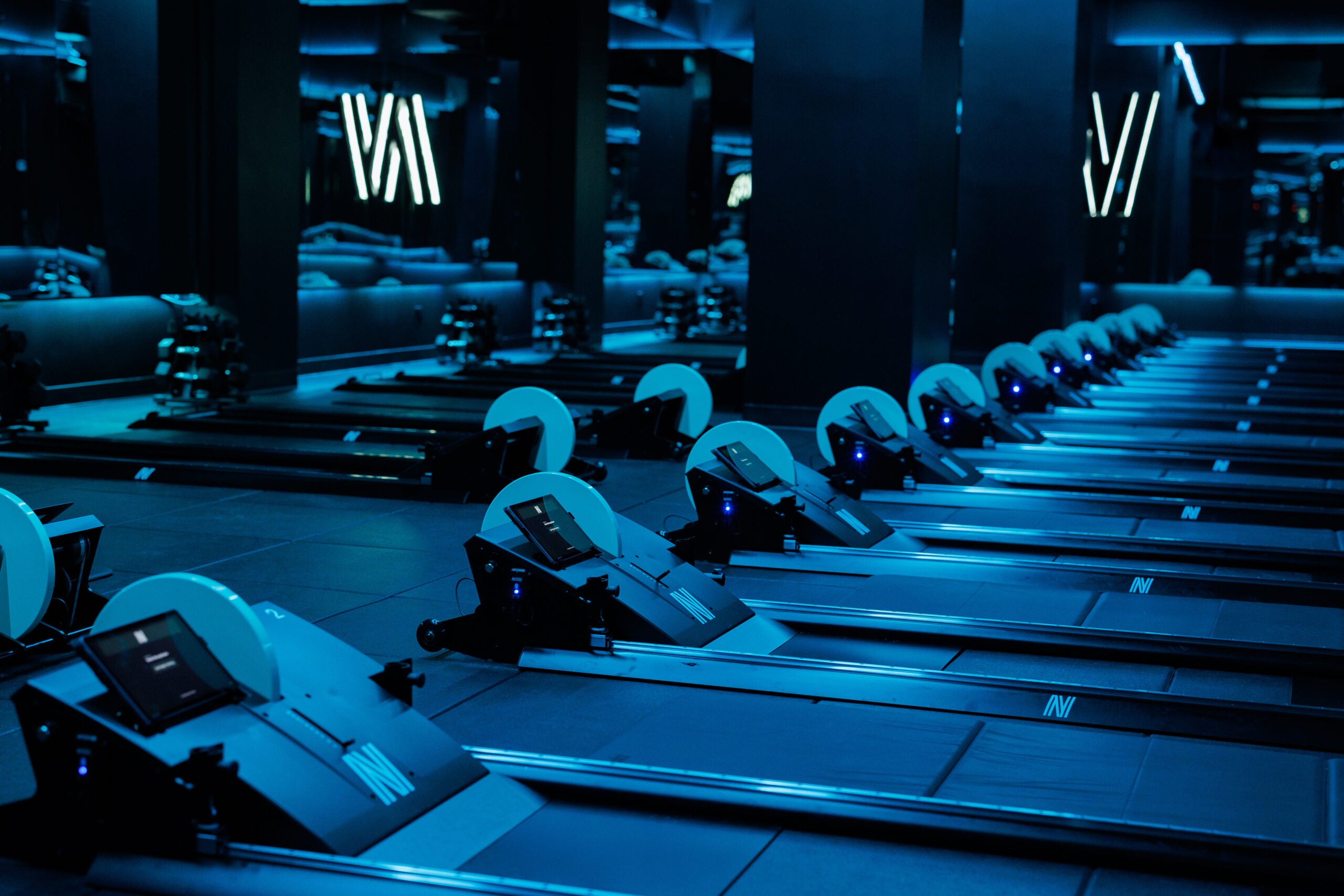
To circumvent these geographical and environmental limitations, fitness innovators have increasingly looked to indoor adaptations. Just as runners embraced treadmills and indoor cycling revolutionized stationary cardiovascular training, the winter sports community has engineered space-efficient apparatuses to replicate the cross-country skiing experience year-round. This trend has officially arrived in major metropolitan markets, most notably through the expansion of NRTHRN Strong, a Danish-born fitness concept that recently established a flagship location in New York City’s Flatiron district. By utilizing a custom-designed hybrid machine that mimics professional Nordic skiing equipment, urban gyms are introducing high-intensity, low-impact winter sports conditioning to a broader demographic.
The Evolution of Nordic Fitness Indoors
The concept of indoor ski training is not entirely new to elite athletics, where national teams have long utilized ergometers to maintain cardiovascular and upper-body conditioning during the off-season. However, translating these specialized training tools into a boutique fitness studio environment represents a significant evolution in commercial gym programming. NRTHRN Strong’s arrival in New York City marks a strategic effort to bridge the gap between niche outdoor endurance training and mainstream urban fitness culture.
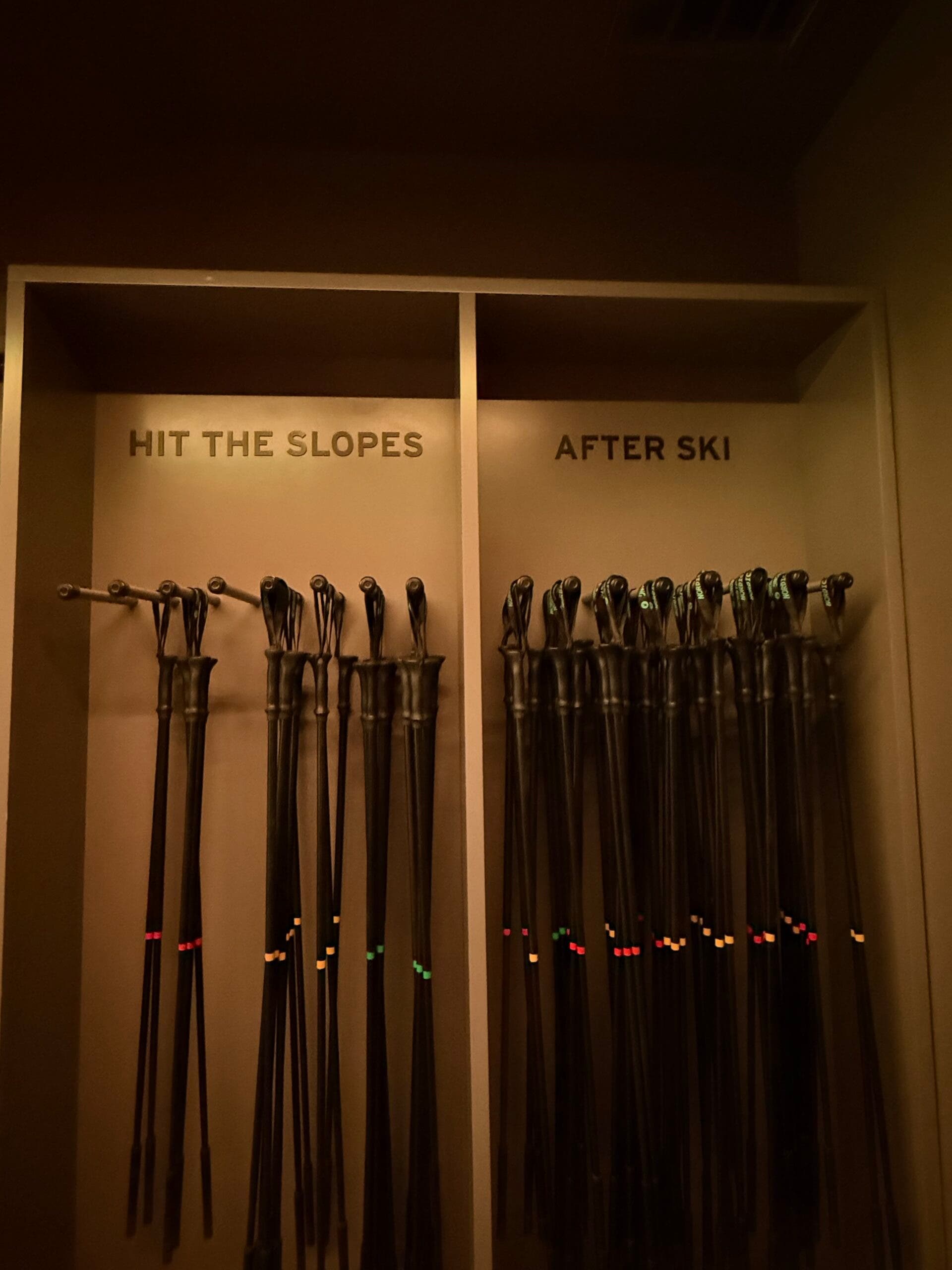
The centerpiece of the workout is the proprietary NRTHRN Trainer, a specialized apparatus that visually and functionally resembles a hybrid between a rowing ergometer and a slide board. The machine integrates two poles that slide seamlessly into specialized sockets on either side, moving in tandem with the user’s upper and lower body movements. Positioned at the front of each machine is a digital monitor that tracks real-time performance metrics, including stroke rate, elapsed time, average pace per 1,000 meters, and total distance covered. This data-driven approach allows participants to quantify their effort, mirroring the objective performance tracking found in modern cycling and rowing studios.
Inside the Studio: Structure and Methodology
A typical 50-minute session at the Flatiron studio is designed around High-Intensity Interval Training (HIIT) principles, alternating between intervals on the NRTHRN Trainer and floor-based conditioning. Classes generally divide the time evenly, requiring participants to spend approximately ten-minute blocks on the machine followed by equivalent intervals dedicated to lower-body and core movements on adjacent exercise mats.
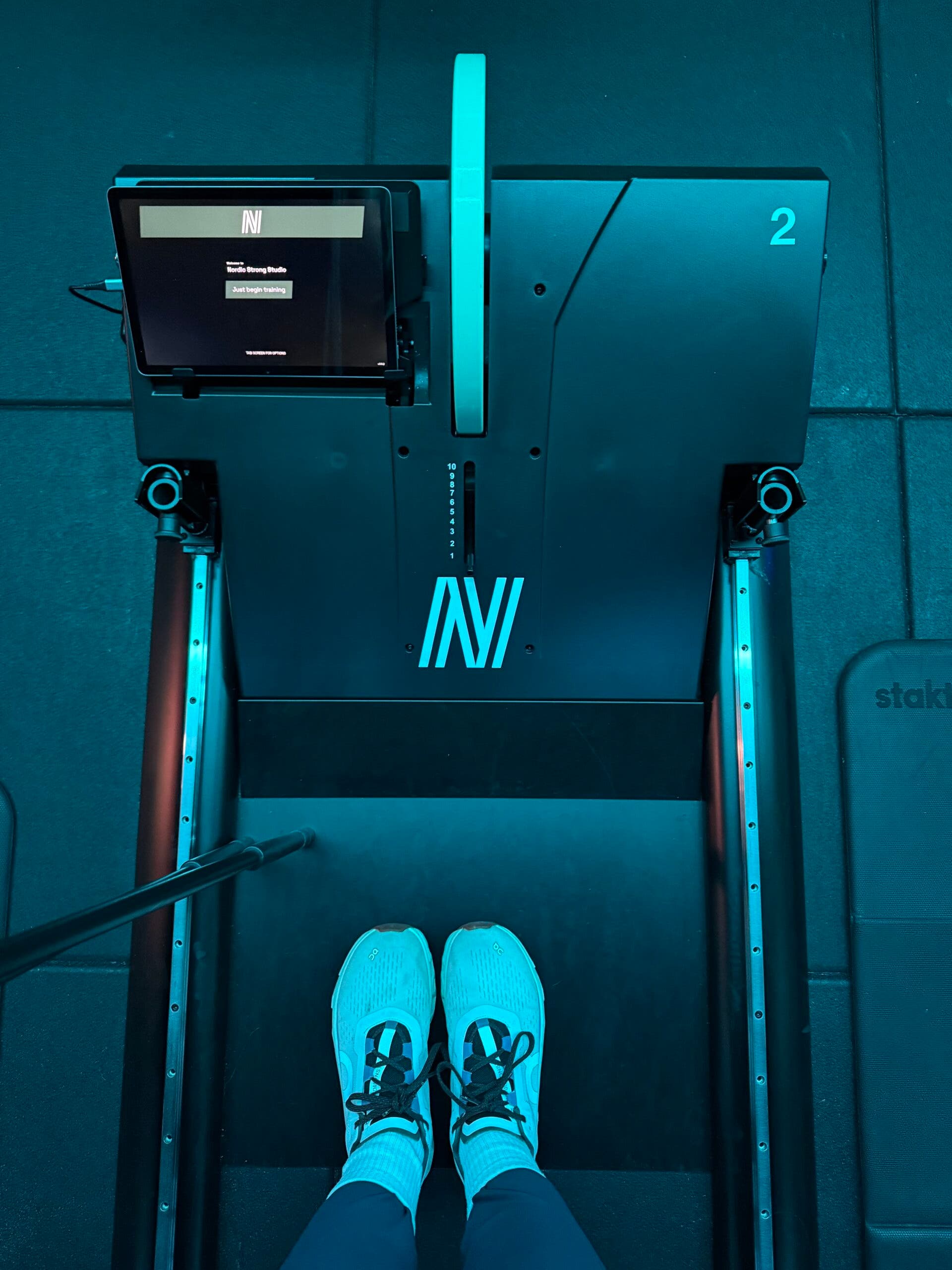
Unlike traditional weightlifting classes that isolate specific muscle groups, the NRTHRN workout emphasizes compound, plyometric movements designed to maximize time under tension while protecting joints from excessive impact. Instructors guide participants through varying target stroke rates, encouraging scalable exertion levels suitable for both first-time novices and seasoned endurance athletes. Because the resistance and momentum are entirely user-generated—meaning the machine responds directly to the force exerted by the individual—the workout naturally accommodates varying fitness levels within the same class environment.
Physiological Advantages and Accessibility
From a kinesiological perspective, the rise of indoor ski-simulated workouts addresses a critical gap in urban fitness offerings: the need for high-cardiovascular output combined with minimal joint impact. Traditional high-intensity modalities, such as running on pavement or heavy plyometric jumping, often place substantial stress on the knees, ankles, and lumbar spine.
Medical and exercise science professionals note that apparatuses utilizing gliding mechanics—similar to a Pilates reformer carriage—offer significant rehabilitation and longevity benefits. By distributing the workload across both upper and lower extremities, the movement pattern enhances bilateral coordination and rotational core stability without the concussive forces associated with standard urban running tracks or hard-surface boot camps. This makes the modality uniquely suited not only for high-performing athletes looking to improve their off-season VO2 max, but also for populations requiring joint-friendly conditioning options.
Broader Industry Implications and Future Outlook
The introduction of specialized Nordic ski studios to dense urban centers reflects a broader consumer shift toward functional, performance-oriented fitness experiences. As boutique fitness markets become increasingly saturated with traditional cycling, rowing, and strength concepts, operators are seeking differentiated modalities that offer distinct physiological benefits and engaging visual formats.
Furthermore, the cross-pollination between indoor training and outdoor recreation is gaining traction. Participants who engage in winter sports report measurable improvements in balance, upper-body endurance, and neuromuscular coordination when they eventually transition back to outdoor snow sports. As brands like NRTHRN Strong continue to scale their international footprint—maintaining operations in Copenhagen and New York City—the boundary between seasonal outdoor recreation and year-round urban training continues to blur, signaling a robust market for specialized athletic conditioning in non-traditional environments.

