
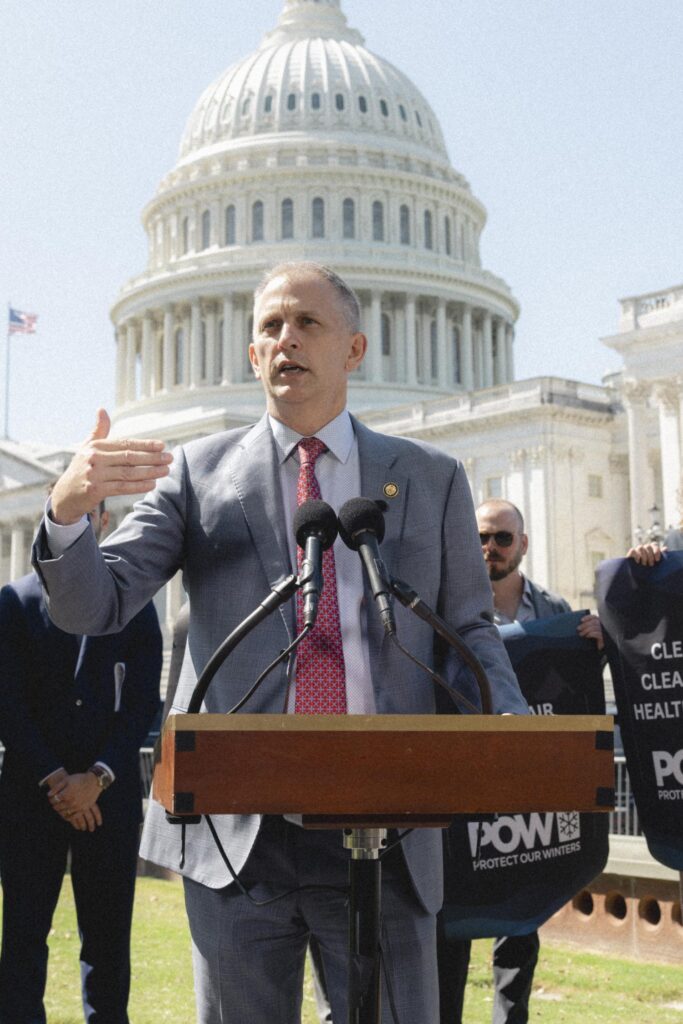
For five decades, the Environmental Protection Agency (EPA) stood as the bedrock of American public health, a federal institution built on the bipartisan consensus that clean air and water are fundamental rights rather than political bargaining chips. However, that long-standing consensus has fractured. In recent years, the agency has faced a systematic hollowing out, with its regulatory teeth dulled and its scientific mission undermined by shifting administrative priorities. On September 16, a coalition of lawmakers and advocacy groups, led by Representative Sean Casten and Senator Sheldon Whitehouse, introduced the Environmental Health Restoration Act (EHRA), a legislative attempt to cement the agency’s authority and insulate its core functions from political volatility.
The introduction of the EHRA represents a significant inflection point in the ongoing debate over the role of federal agencies in climate regulation. As environmental protections have been rolled back through executive action and judicial interpretation, the EHRA seeks to codify the agency’s original mandate, ensuring that science-based safeguards for air and water quality remain robust regardless of which party holds the executive branch.
The Erosion of Environmental Authority: A Historical Context
The EPA was established in 1970 under the Nixon administration with the explicit goal of consolidating disparate environmental responsibilities under one roof. For nearly half a century, the agency utilized the Clean Air Act, the Clean Water Act, and the Endangered Species Act to regulate industrial emissions and toxic runoff.
However, the last several years have marked a period of rapid deregulation. According to data from the Sabin Center for Climate Change Law, more than 100 environmental rules were reversed or weakened between 2017 and 2021 alone. These rollbacks affected everything from fuel efficiency standards for automobiles to the definition of "waters of the United States" under the Clean Water Act, which determines which wetlands and streams fall under federal protection.
The EHRA is designed to reverse this trend. By formalizing the agency’s authority, the bill aims to prevent future administrations from unilaterally dismantling protections through regulatory "midnight rulemaking" or executive orders. Proponents argue that by enshrining these powers in statute, Congress can create a more predictable regulatory environment for businesses while ensuring that public health remains the primary metric for agency action.
Legislative Mechanics: What the EHRA Proposes
The Environmental Health Restoration Act is multifaceted, focusing on three primary pillars: statutory restoration, science-based enforcement, and long-term regulatory durability.
First, the legislation explicitly restores the EPA’s authority to regulate greenhouse gas emissions as pollutants under the Clean Air Act. This is a direct response to recent Supreme Court rulings, such as West Virginia v. EPA, which limited the agency’s ability to implement broad power-sector carbon regulations. The EHRA seeks to clarify congressional intent, providing the agency with the explicit mandate to address climate change as a public health imperative.
Second, the bill mandates that agency decision-making must rely on "best available science," limiting the ability of political appointees to suppress research or ignore findings from the agency’s scientific advisory boards. Historically, these boards have been essential for translating complex data into policy, yet they have faced scrutiny and restructuring in recent cycles. The EHRA provides these boards with greater independence, ensuring their recommendations are transparent and accessible to the public.

Third, the act introduces "regulatory safeguards," which create higher procedural hurdles for any future administration attempting to weaken existing protections. Any rollback would require a more rigorous justification process, including public comment periods and scientific peer reviews that must be submitted to Congress.
Economic and Public Health Implications
The impact of weakened environmental regulations extends far beyond the walls of the EPA headquarters. Economic analysts note that environmental degradation has a tangible cost to the American economy. The outdoor recreation industry, which contributes hundreds of billions of dollars to the U.S. GDP annually, is particularly sensitive to changes in environmental quality.
Data from the Bureau of Economic Analysis (BEA) indicates that the outdoor recreation sector accounted for 2.2% of U.S. GDP in 2022. When air quality declines—often due to increased wildfire smoke or industrial emissions—participation in outdoor activities drops, impacting local economies that rely on hunting, fishing, tourism, and winter sports.
Furthermore, the public health costs associated with air pollution are staggering. According to the American Lung Association, nearly 120 million people in the United States live in counties with failing air quality grades. Fine particulate matter (PM2.5) exposure is linked to premature death, asthma attacks, and cardiovascular disease. By strengthening the EPA’s ability to enforce emission standards, the EHRA aims to mitigate these long-term public health expenditures, which currently cost the U.S. healthcare system billions of dollars annually.
Coalition Support and Stakeholder Perspectives
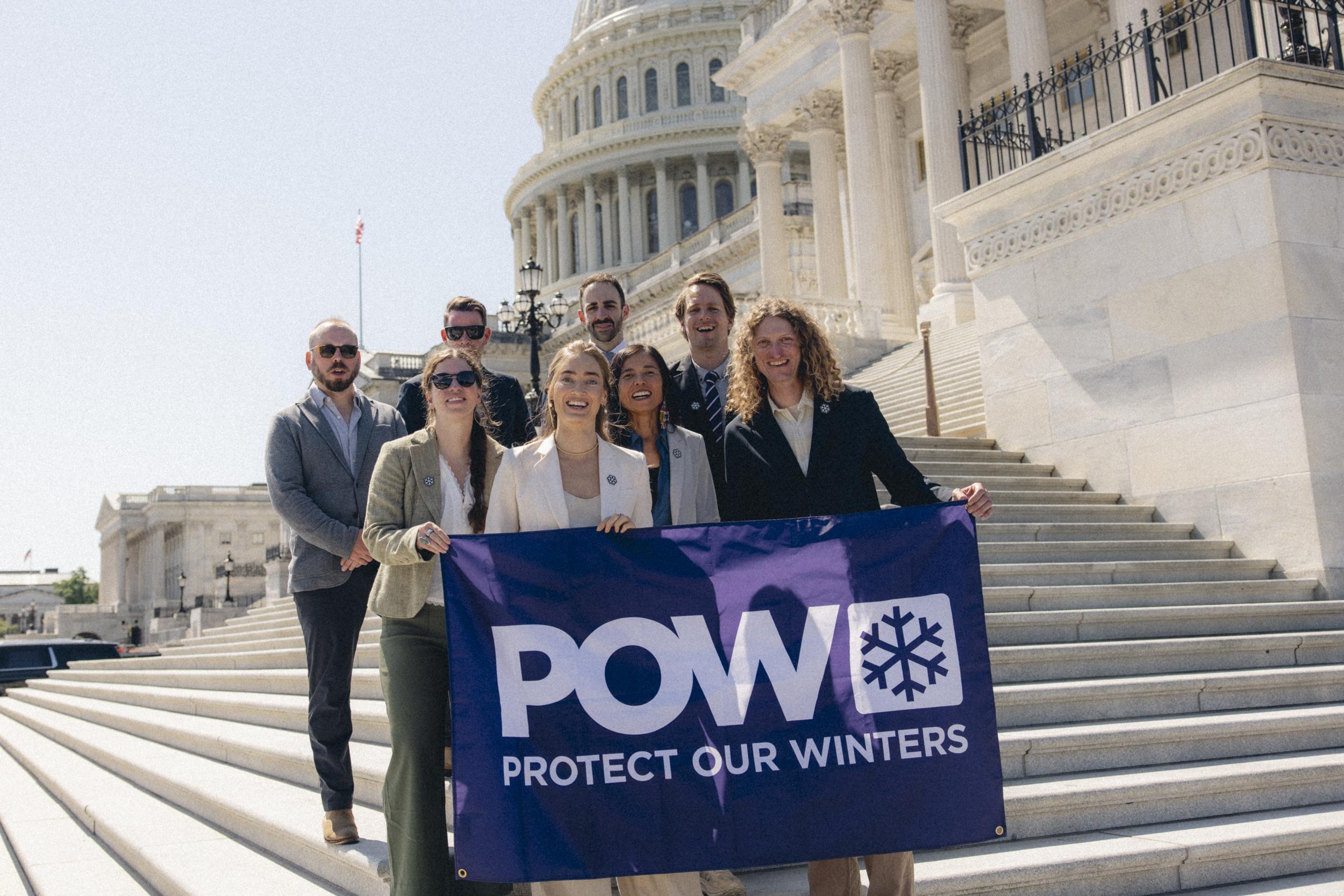
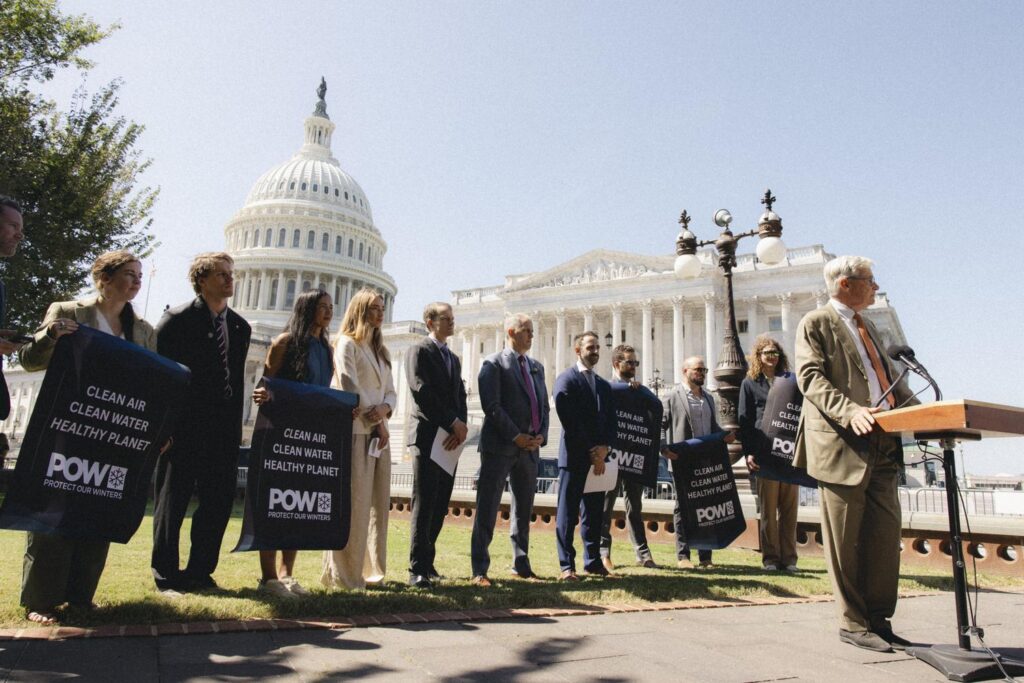
The introduction of the EHRA was marked by a gathering of diverse stakeholders, including athletes, scientists, and environmental advocacy organizations. Protect Our Winters (POW), a nonprofit focused on climate advocacy within the outdoor community, was a primary organizer of the event.
Tommy Caldwell, a world-renowned climber and member of the POW alliance, provided a personal perspective on the urgency of the legislation. "I’ve seen less and less snow, glaciers shrinking at a not so glacial pace, and volatile air quality," Caldwell stated during the press conference. "This directly affects our community’s health and economy. A stronger, more durable EPA is essential for clean air, clean water, and a strong healthy community."

The coalition backing the bill includes the League of Conservation Voters, the Surfrider Foundation, and the Natural Resources Defense Council (NRDC). These groups argue that the current regulatory landscape leaves communities vulnerable to industrial pollution and climate-driven disasters.
However, the bill also faces significant opposition. Industry groups and some lawmakers argue that an emboldened EPA could lead to regulatory overreach, potentially increasing operational costs for energy producers and manufacturers. They contend that the agency’s current authority is sufficient and that additional legislative restrictions would stifle economic growth and domestic energy independence.
The Long Road Ahead: A Legislative Timeline
Navigating the EHRA through a divided Congress will be an arduous process. As it stands, the bill has been introduced in both chambers, but it faces a difficult path toward a floor vote.
Political analysts suggest that the current legislative climate is unlikely to produce a broad, bipartisan environmental package before the upcoming election cycle. Instead, the introduction of the EHRA serves as a foundational "marker bill." In legislative terms, a marker bill is a piece of legislation introduced to signal an intent to act, to educate the public, and to build momentum for future sessions.
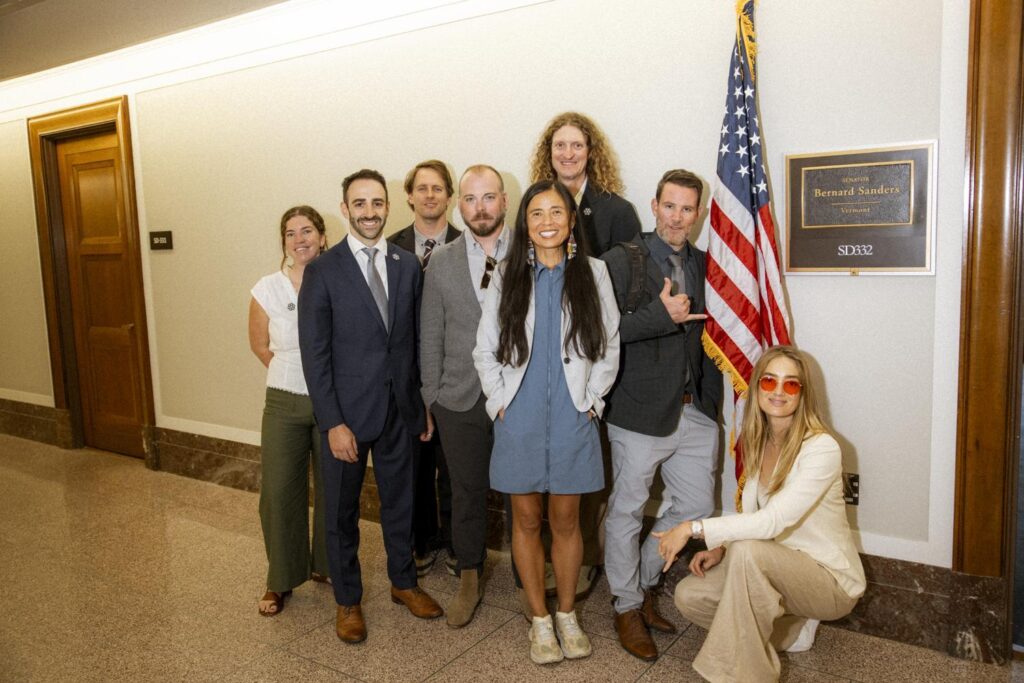
"We’re clear-eyed that this bill likely won’t pass this year," noted Ben Gubits, Vice President of Advocacy and Campaigns at POW. "This is how major federal legislation moves. An idea develops, champions step forward, a bill is introduced, coalitions grow, and the record builds until the right conditions for passage exist."
The timeline for potential passage is estimated to span several years. Advocates are already looking toward the 120th Congress (2027–2029) as a more realistic window for serious deliberation. This long-term strategy involves a systematic effort to meet with congressional offices on both sides of the aisle, framing the protection of the EPA as a non-partisan issue of public health and infrastructure stability.

Conclusion: The Future of Environmental Governance
The debate surrounding the Environmental Health Restoration Act is, at its core, a debate about the nature of the American state. Is the EPA a transient arm of the executive branch, subject to the whims of each new administration, or is it a permanent pillar of government tasked with protecting the common good?
By introducing the EHRA, proponents are challenging the current trend of regulatory instability. They argue that without a permanent, robust framework for environmental enforcement, the country will continue to cycle between periods of protection and degradation, leaving the public and the economy in a state of constant uncertainty.
Whether the bill gains traction in the coming years will depend on the evolution of public opinion and the ability of its supporters to translate their coalition’s enthusiasm into tangible political pressure. For now, the EHRA remains a testament to the ongoing struggle to define the relationship between environmental science, federal authority, and the health of the nation’s citizens. As the political climate shifts toward the next Congress, the conversation surrounding the EPA will likely remain a central point of contention in American policy, reflecting the broader challenges of governing in an era of environmental crisis.

