
The European Orienteering Championships (EOC) in Lithuania reach a pivotal juncture this Saturday as Eirik Langedal Breivik prepares to compete in the middle-distance event, aiming to reclaim his standing as the premier specialist in the discipline. Following a challenging performance in Thursday’s long-distance race—where he finished 27th, over 11 minutes behind gold medalist and teammate Kasper Fosser—Breivik faces significant pressure to recover both his form and his competitive position in the overall World Cup standings.
The stakes in Druskininkai are twofold. Not only are the athletes battling for the continental title, but these races serve as the grand finale for the 2026 orienteering World Cup. Breivik, currently sitting in fourth place, finds himself trailing Switzerland’s Fabien Aebersold by 11 points. A podium finish on Saturday is essential if he hopes to overcome this deficit and secure a top-three finish in the season-long rankings.
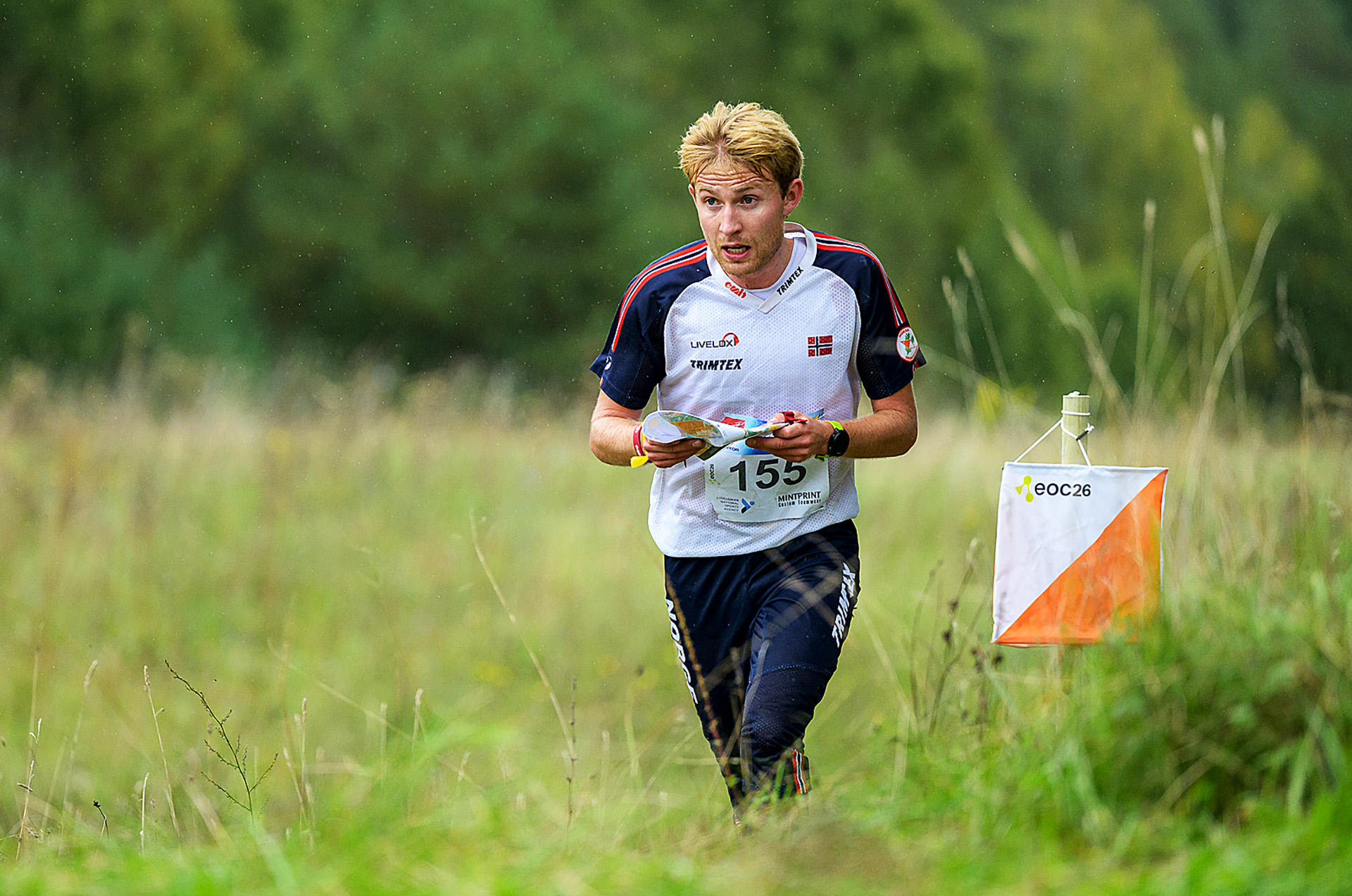
A Career Defined by Specialization
Eirik Langedal Breivik has long been recognized as one of the most formidable middle-distance runners in the world. His credentials include a European Championship title from 2024 and a World Championship gold in 2025, both achieved in his preferred format. However, his career has frequently been viewed through the lens of his rivalry and association with Kasper Fosser. Fosser, a dominant force in long-distance orienteering, has consistently set the standard, often overshadowing the technical brilliance of his teammates.
Despite this "shadow," Breivik has established a formidable track record. With 11 Norwegian championship titles between 2018 and 2025, and a recent double-gold performance at the national championships in Enebakk earlier this year, his pedigree is unquestionable. The challenge for the 28-year-old remains consistency across different formats.
The Long-Distance Hurdle: A Pattern of Performance
The divergence between Breivik’s middle-distance mastery and his long-distance results has been a recurring theme in his professional career. During the 2025 World Championships in Kuopio, Breivik displayed his resilience by overcoming a DNF (Did Not Finish) in the long-distance race—a race he had been leading—to mount an impressive comeback and capture the middle-distance gold medal.

National team coach Janne Salmi has previously noted that the physiological and psychological demands of the longer formats occasionally conflict with Breivik’s focus. "Eirik has occasionally struggled to maintain the necessary intensity and concentration when the competition duration extends significantly," Salmi explained. This observation held true on Thursday in Lithuania, where the 17-kilometer technical course proved unforgiving.
For the coaching staff, the focus is now on resetting. The transition from the grueling physical test of a long-distance race to the high-speed, high-precision requirements of a middle-distance event requires a total recalibration of pace and route-choice strategy.
World Cup Implications and Strategic Shifts
The 2026 World Cup finale adds a layer of intensity to Saturday’s proceedings. With Kasper Fosser having already mathematically secured his place atop the standings, the battle for the remaining podium spots has become the primary narrative. Fabien Aebersold’s silver medal on Thursday was a tactical masterclass, pushing him into a favorable position against the surging Norwegian contingent.
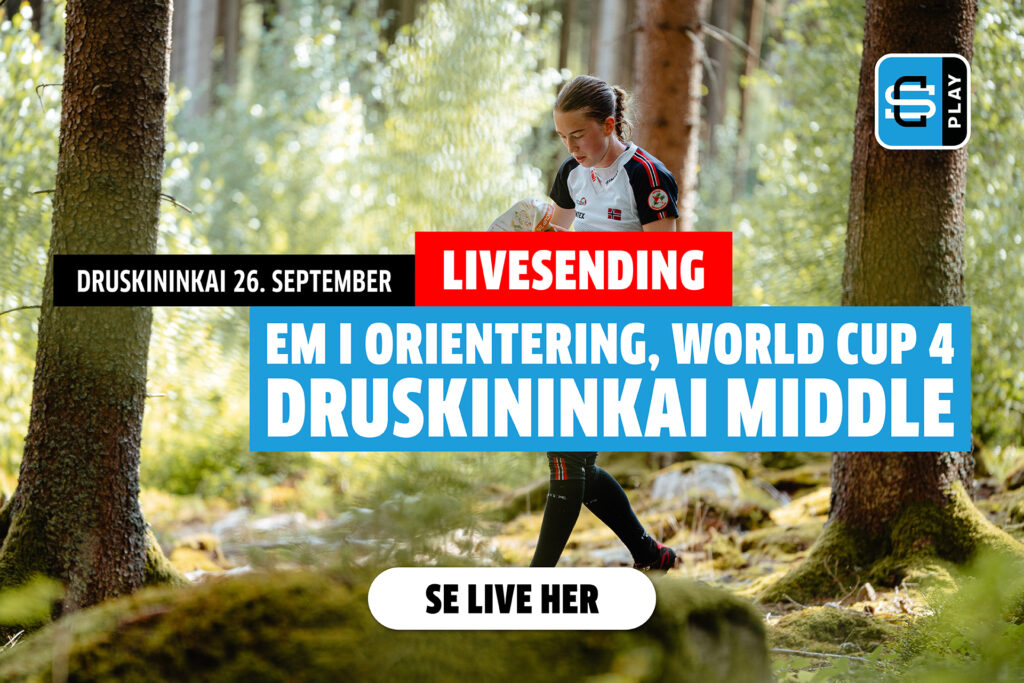
For Breivik, the mission is binary: he must outperform Aebersold by a sufficient margin to close the 11-point gap. In the current scoring system, where every position counts, a top-three finish is not just a personal goal but a mathematical necessity. The terrain around Druskininkai, characterized by dense, technical forest sections and intricate elevation changes, historically favors runners who can process information quickly while maintaining a high heart rate—the exact conditions where Breivik has historically excelled.
The Norwegian Dominance and Team Dynamics
The success of the Norwegian men’s team in recent years has been a result of internal competition. Since 2024, Norway has claimed gold in the relay events at both the European and World Championships. This depth of talent ensures that even when one athlete falters, as Breivik did on Thursday, the team remains a threat to the podium.
Fosser’s victory in the long-distance event on Thursday was his fourth World Cup title achievement, cementing his status as a modern legend of the sport. His ability to navigate the mental fatigue caused by stomach issues during the race—a testament to his resilience—provided a morale boost for the entire Norwegian camp. While the media focus is often on the contrast between the two, team insiders maintain that the healthy rivalry between Fosser and Breivik has been the catalyst for their collective improvement.
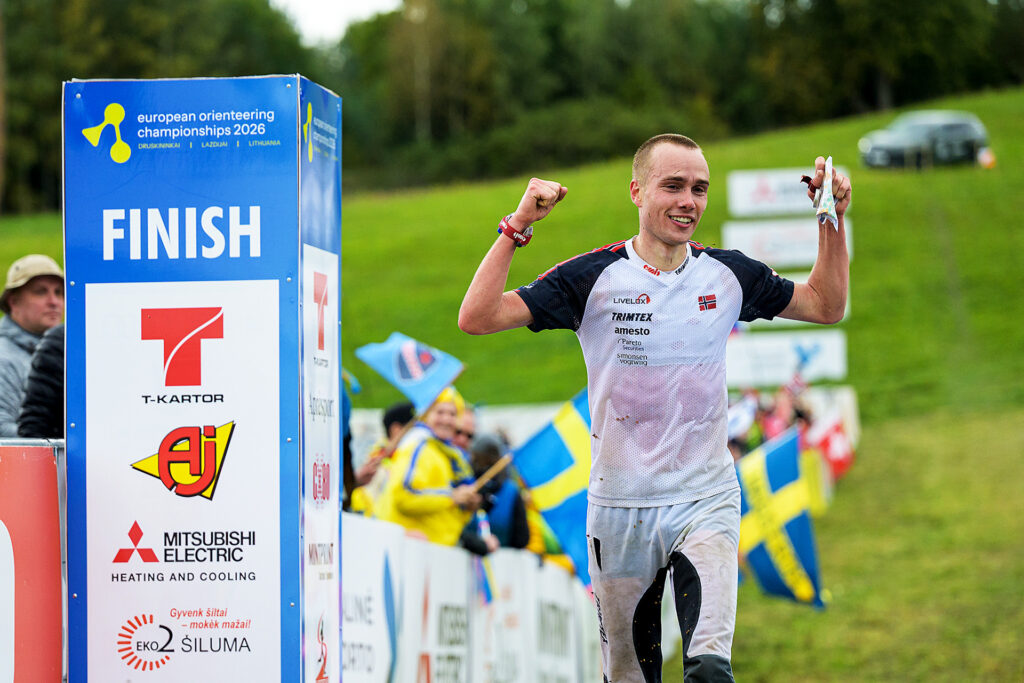
Looking Toward Sunday’s Relay
While Saturday’s individual middle-distance race is the focus, the conclusion of the weekend’s festivities on Sunday—the relay—looms large. With the current momentum, Norway enters the relay as the heavy favorites. Should Breivik produce a strong performance on Saturday, he will undoubtedly anchor or play a critical role in the relay, providing him an opportunity to leave Lithuania with multiple medals despite the early-week disappointment.
Technical Analysis of the Course
The organizers of EOC 2026 have designed courses that test both raw aerobic capacity and micro-navigation. The middle distance, typically ranging from 30 to 40 minutes for the leaders, leaves no room for hesitation. A single missed control or a poor route choice on a short leg can result in a loss of 30 to 45 seconds, a margin that usually equates to falling out of the top ten.
Breivik’s success will depend on his "flow"—a term used in the orienteering community to describe the seamless integration of running speed and map interpretation. During his training sessions earlier this week, observers noted that his compass work was precise, suggesting that the technical errors witnessed on Thursday were an anomaly rather than a decline in skill.
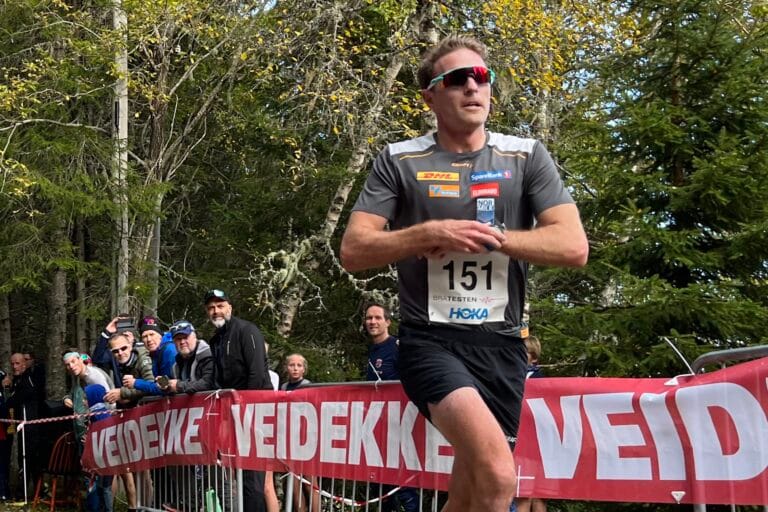
Expert Opinions and Predictions
Industry analysts covering the event suggest that the middle-distance race is the most unpredictable of the weekend. Unlike the long distance, which often rewards the strongest endurance athletes, the middle distance acts as a "leveler." It favors the technician who can navigate complex terrain while under physical duress.
"Eirik has shown us time and again that he is a master of the bounce-back," said one independent orienteering analyst. "The 27th place on Thursday is likely to serve as the fuel he needs. When he is in this position, he doesn’t race against the others; he races against the map. That is when he is most dangerous."
Conclusion: A Test of Character
As the broadcast of the World Cup final begins on Saturday, all eyes will be on the start gate. For Eirik Langedal Breivik, the race in Lithuania represents more than just a quest for another medal. It is a moment to validate his consistency and prove that his status as a former European and World Champion is the baseline of his career, not an outlier.
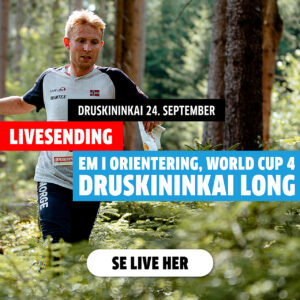
Whether he can bridge the gap to Aebersold and step back onto the podium remains the primary question. However, given his history of responding to adversity with technical precision, few would bet against the Norwegian specialist finding his stride on the course that matters most. The sport of orienteering rewards the resilient, and Saturday will serve as the definitive test of whether Breivik can turn the disappointment of a long-distance defeat into a middle-distance triumph.
Quick Summary of the 2026 EOC Schedule:
- Thursday: Long Distance (Result: Kasper Fosser, 1st; Eirik Langedal Breivik, 27th)
- Saturday: Middle Distance (World Cup Final, Start: 11:40)
- Sunday: Relay (Conclusion of EOC 2026)
For live updates and comprehensive coverage of the European Orienteering Championships, viewers can tune in via the official broadcast channels.

