
Dynamic movement, targeted mobility, and intentional rest form the foundation of Jonny Moseley’s modern fitness regimen, reflecting a lifelong evolution in how elite athletes approach health, recovery, and longevity. Decades after revolutionizing the sport of freestyle skiing en route to an Olympic gold medal, Moseley remains at the forefront of athletic conditioning. Today, his philosophy bridges the gap between old-school grit and cutting-edge wellness technology, offering a blueprint for athletes seeking to maintain peak physical condition well beyond their competitive prime.
The 1998 Nagano Winter Olympics represented a watershed moment for American freeskiing, and Moseley was its undisputed pioneer. Entering the Games at the absolute peak of his physical career, Moseley did not secure his historic gold medal through natural talent alone. Instead, he relied on a revolutionary training methodology that challenged conventional sports science wisdom of the late 1990s.
Long before biometric tracking became ubiquitous among everyday fitness enthusiasts, Moseley was meticulously monitoring his physiological metrics. He tracked his heart rate variability, maintained detailed journals of his daily performance, and closely evaluated second-day muscle soreness to determine precisely when his body was primed for optimal output. This obsessive attention to the delicate balance between strain and recovery allowed him to redefine the boundaries of what was physically possible on skis.
Reflecting on the unique pressures of elite competition, Moseley has frequently noted the intense psychological and physical toll of quadrennial sporting events. When an athlete has essentially one primary opportunity every four years to perform on the world’s biggest stage, the margin for error narrows to zero. This high-stakes environment breeds an intense focus on periodization—the systematic cycling of training intensity and recovery phases to peak at the exact moment of competition.
Moseley’s meticulous preparation paid immense dividends during the 1998 World Cup circuit, where he dominated the competition by winning the first two major events. He carried this momentum directly into the Nagano Olympic Winter Games, capturing the gold medal with a breathtaking performance characterized by a new-school aesthetic. By seamlessly incorporating a snowboard-style grab into his aerial spin, Moseley permanently altered the technical trajectory and creative culture of competitive freestyle skiing.
The Evolution of Athletic Recovery and Modern Wellness Partnerships
In the years following his competitive retirement, Moseley’s relationship with fitness and recovery has undergone a natural transformation. While his early career was defined by high-impact training and grueling competitive schedules, his current lifestyle prioritizes functional longevity, joint mobility, and advanced therapeutic interventions.
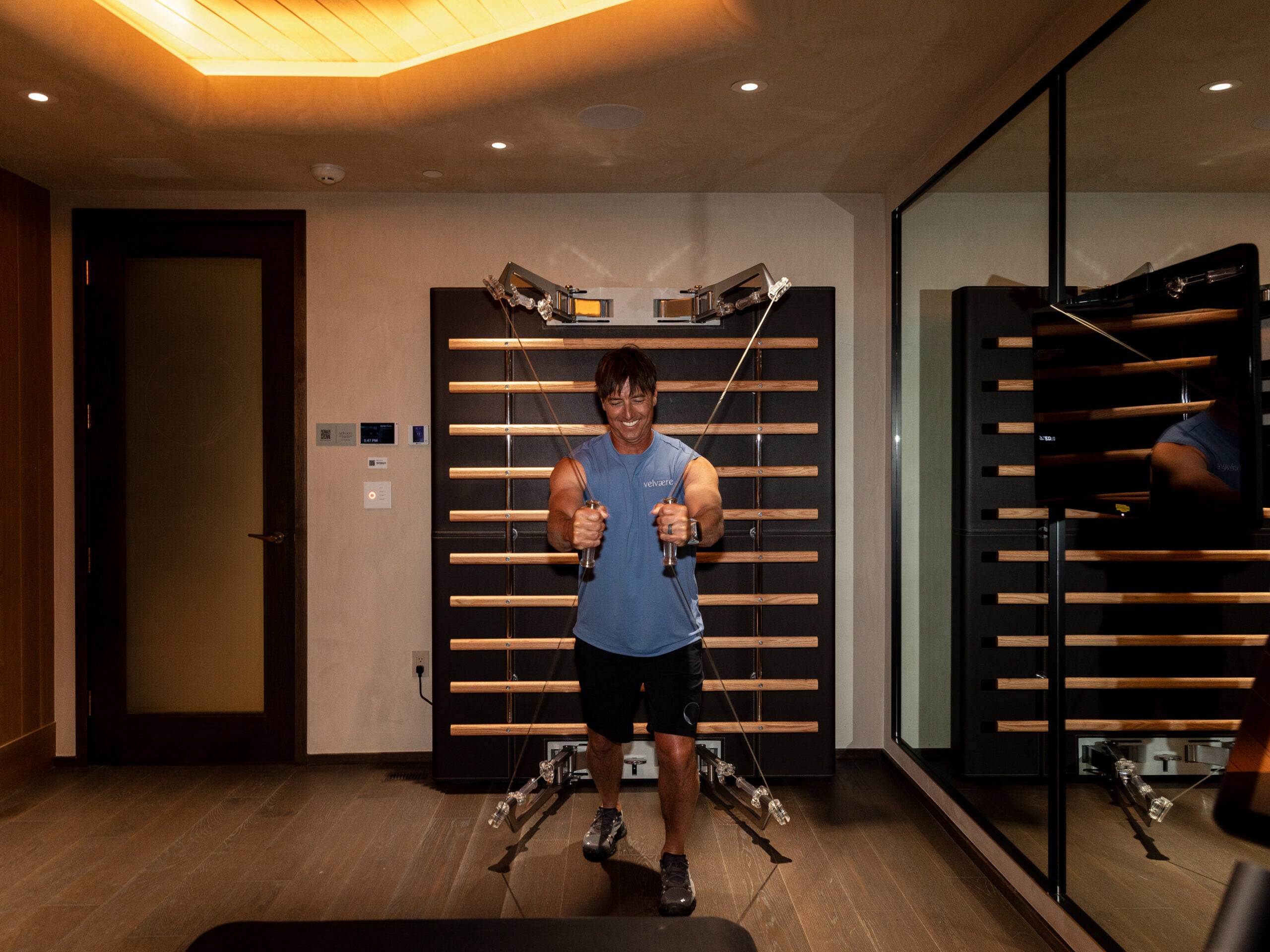
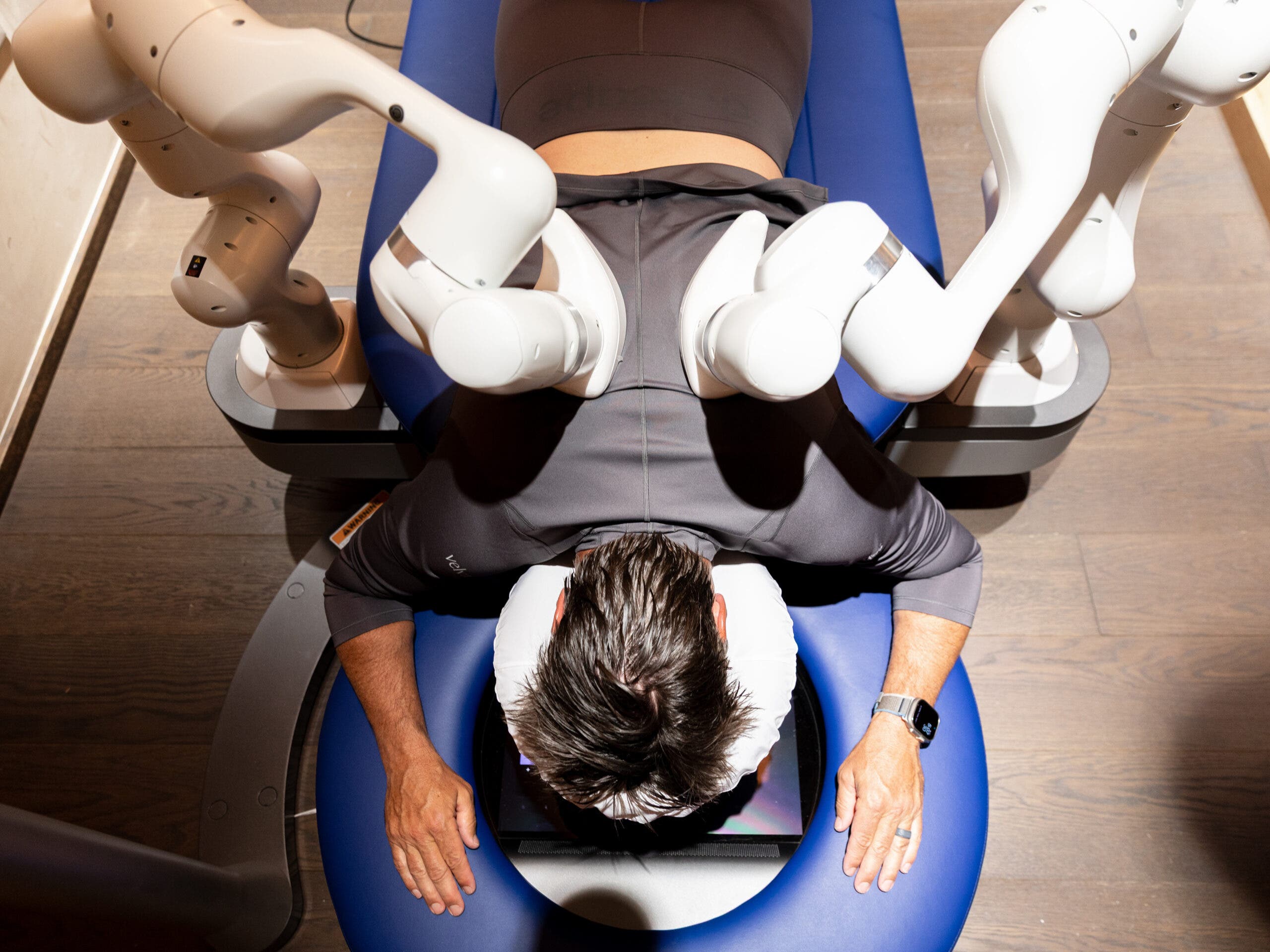
This ongoing pursuit of physical optimization led to his recent partnership as an official brand ambassador for Velvaere, an exclusive private ski and wellness community situated in Deer Valley, Utah. The residential and resort development integrates high-end, wellness-focused amenities directly into its ski-in, ski-out properties. The facility features an array of advanced recovery tools, including AI-powered robotic massage systems that evaluate human musculature before administering customized treatments, cryotherapy chambers, LightStim LED therapy units, flotation tanks, TechnoGym equipment, and traditional contrast-therapy circuits featuring saunas and cold plunges.
For Moseley, stepping into the Velvaere recovery suite evokes memories of elite institutional training environments. He notes distinct parallels between the Utah wellness community and the high-performance facilities operated by the United States Olympic and Paralympic Committee. These specialized hubs have historically remained on the absolute cutting edge of sports science, constantly evaluating emerging technologies to maximize human athletic potential.
The integration of artificial intelligence and advanced biometrics into everyday wellness spaces mirrors the broader historical trajectory of sports science. When heart rate monitoring was first introduced to the commercial market with early telemetry devices in 1982, it was viewed as a niche tool for exercise physiologists. It took more than a decade for coaches and elite competitors to fully recognize how continuous cardiovascular data could influence training adaptations and performance outcomes. Today, technologies such as AI-driven muscle assessment and targeted photobiomodulation represent the bleeding edge of recovery science, much like VO2 max testing and heart rate variability tracking did a generation ago.
Year-Round Conditioning: From Tahoe to Park City
Maintaining the physical capacity to ski aggressively at an advanced age requires strict year-round discipline. Whether residing at his home in Lake Tahoe or spending time in Park City, Moseley adheres to a rigorous daily conditioning schedule designed to safeguard his joints while maintaining cardiovascular health and muscular strength.
His morning routine consistently begins with a dedicated block of steady-state cardio, typically lasting between thirty and sixty minutes. This initial phase of the day often involves a brisk walk with his dog or a sustained session on the treadmill to elevate his core temperature and stimulate metabolic function. Following cardiovascular conditioning, Moseley transitions directly into targeted resistance training.
The structural focus of his strength routine shifts systematically depending on the calendar and seasonal demands. At the onset of the summer months, his primary objective is foundational strength development, utilizing heavy compound movements to build overall muscular resilience. However, as ambient temperatures drop and the autumn transition gives way to winter, his training philosophy pivots toward muscular endurance and unilateral stability.
To properly prepare his body for the lateral forces experienced on the ski slopes, Moseley incorporates extensive single-leg training regimens. By utilizing slide boards and specialized stability tools, he ensures that his lower extremities can handle the asymmetrical loads and rapid directional shifts inherent to alpine skiing.
Historically, Moseley’s weightlifting routine relied heavily on traditional, lower-body compound exercises designed to absorb the massive G-forces generated during high-speed mogul skiing. In recent years, however, he has intentionally broadened his physical repertoire. Recognizing the cumulative impact of decades of high-impact athletics, he has embraced disciplines like hot yoga to enhance his overall flexibility and joint range of motion. When weather conditions permit, he also supplements his routine with dynamic recreational pursuits such as wing foiling, which challenges core stability and upper-body endurance in an unpredictable marine environment.
Plyometric Preparation and Seasonal Transitioning
As the autumn months wane and the first substantial snowfalls coat the higher elevations, Moseley’s training program enters its final, highly specific preparation phase. This window requires a distinct shift toward explosive, multi-directional power output to ready the neuromuscular system for the physical demands of skiing.
According to Moseley, conditioning the body for the slopes necessitates entering a dedicated plyometric training mode. He identifies box jumps as the industry gold standard for developing explosive leg power and shock absorption capabilities. However, he issues a practical cautionary note for recreational athletes attempting to replicate elite routines: transitioning abruptly from a sedentary lifestyle or routine daily activity straight into high-altitude box jumps can be exceptionally jarring to the skeletal system and connective tissues. Instead, he advocates for a progressive approach, advising athletes to begin with lower-height platforms and gradually scale up explosive movements to prevent acute injury.
This seasonal inflection point highlights Moseley’s deep investment in comprehensive lifestyle wellness. Because he is actively engaged in advanced ski-specific conditioning and recovery protocols, his body remains resilient against the physical shocks of the early-season snowpack.
Despite his disciplined approach to training, Moseley candidly acknowledges that he is not naturally inclined toward forced relaxation or sedentary self-care—unless he is recovering from an acute injury. Nevertheless, he has learned through decades of elite competition that prioritizing structured mobility work and evidence-based recovery protocols is non-negotiable for staying limber and injury-free. Ultimately, he credits his longevity not merely to isolated workout routines, but to immersing himself in an environment where holistic wellness is woven into the fabric of daily community life, proving that sustainable athletic performance requires as much dedication in the recovery room as it does on the mountain.

