
As winter approaches and enthusiasts prepare to transition from autumn routines to alpine slopes, orthopedic and sports medicine specialists emphasize that effective ski conditioning extends far beyond last-minute pre-trip workouts. According to Dr. Kevin Stone, an orthopedic surgeon at The Stone Clinic in San Francisco and a former physician for the U.S. Ski Team, optimal preparation requires year-round general fitness rather than compressed, sport-specific regimens initiated just weeks before the first snowfall.
The physiological demands of alpine skiing place immense stress on the lower extremities, core stabilizers, and cardiovascular system. Consequently, medical professionals and athletic trainers are increasingly advocating for holistic, continuous physical maintenance. This comprehensive approach encompasses not only muscular endurance and dynamic movement patterns, but also psychological focus, technological advancements in ski equipment, and sophisticated medical interventions for both acute trauma and degenerative joint conditions.
The Evolution of Off-Season Training: From Sport-Specific to Total-Body Fitness
Historically, pre-season preparation for alpine skiing heavily emphasized isolated, highly specific movements—such as lateral ski jumps and specialized dynamic squats—concentrated entirely within the autumn months immediately preceding the ski season. However, contemporary sports science suggests a paradigm shift. Dr. Stone notes that the optimal time to begin training for a ski season is effectively the moment the previous season concludes, maintaining baseline quad strength and cardiovascular endurance without requiring year-round execution of identical ski-specific drills.
Modern conditioning philosophy prioritizes total-body fitness through enjoyable, sustainable physical activities. Whether through cycling, distance running, or generalized gym routines, the primary objective is maintaining a high level of physical preparedness. According to clinical guidelines, an effective off-season program relies on three foundational pillars: adherence, enjoyment, and social engagement. Athletes who participate in group-oriented fitness are statistically more likely to maintain consistent workout habits, thereby preserving the functional movement patterns required to navigate variable mountain terrain safely.
For individuals whose off-season activity levels have fallen short of ideal targets, medical professionals recommend prioritizing dynamic movements shortly before hitting the slopes. Dynamic, side-to-side squats remain the gold standard of ski conditioning, effectively replicating the lateral loading forces experienced during carving turns and variable snow conditions.
Chronology of Ski Preparation and Injury Management
Understanding the timeline of injury prevention and physical conditioning helps athletes manage their health throughout the annual ski cycle.
- Spring (Post-Season): The transition period immediately following the closure of ski resorts. This is identified by sports medicine professionals as the ideal starting point for maintaining baseline cardiovascular and lower-body strength to prevent deconditioning.
- Summer (Off-Season Base Building): A multi-month phase dedicated to general physical fitness, incorporating activities such as cycling, swimming, and strength training. Group fitness participation is encouraged to sustain long-term engagement.
- Autumn (Pre-Season Transition): The crucial window two to three months prior to the first ski trip, during which athletes incorporate dynamic, multi-planar movements, plyometrics, and balance training into their routines.
- Winter (Active Season): The operational window on the slopes. Emphasizes mental alertness, proper gear maintenance, and immediate reporting of any acute joint trauma.
- Post-Injury Recovery Phase: Encompasses immediate diagnostic evaluations (including physical exams, X-rays, and MRIs) following trauma, followed by customized rehabilitation regimens designed to return the athlete to the sport stronger and more resilient.
Psychological Factors and Cognitive Focus in Injury Prevention
While physical conditioning is essential for athletic performance, physiological strength alone cannot entirely protect joints from acute trauma. Clinical data gathered from elite ski racers and recreational participants alike reveals a critical correlation between cognitive lapses and severe injuries.
Dr. Stone emphasizes that the vast majority of sports-related injuries stem from mental errors rather than pure muscle fatigue or power deficits. Patients frequently report an intuitive sense that "something was off" immediately preceding an accident. These incidents often coincide with moments of distraction—such as anticipating lunch arrangements or dwelling on personal matters—rather than the physical demands of navigating a steep descent. Maintaining a high level of situational awareness and mindfulness while sliding on snow is therefore categorized as a primary mechanism of injury prevention.
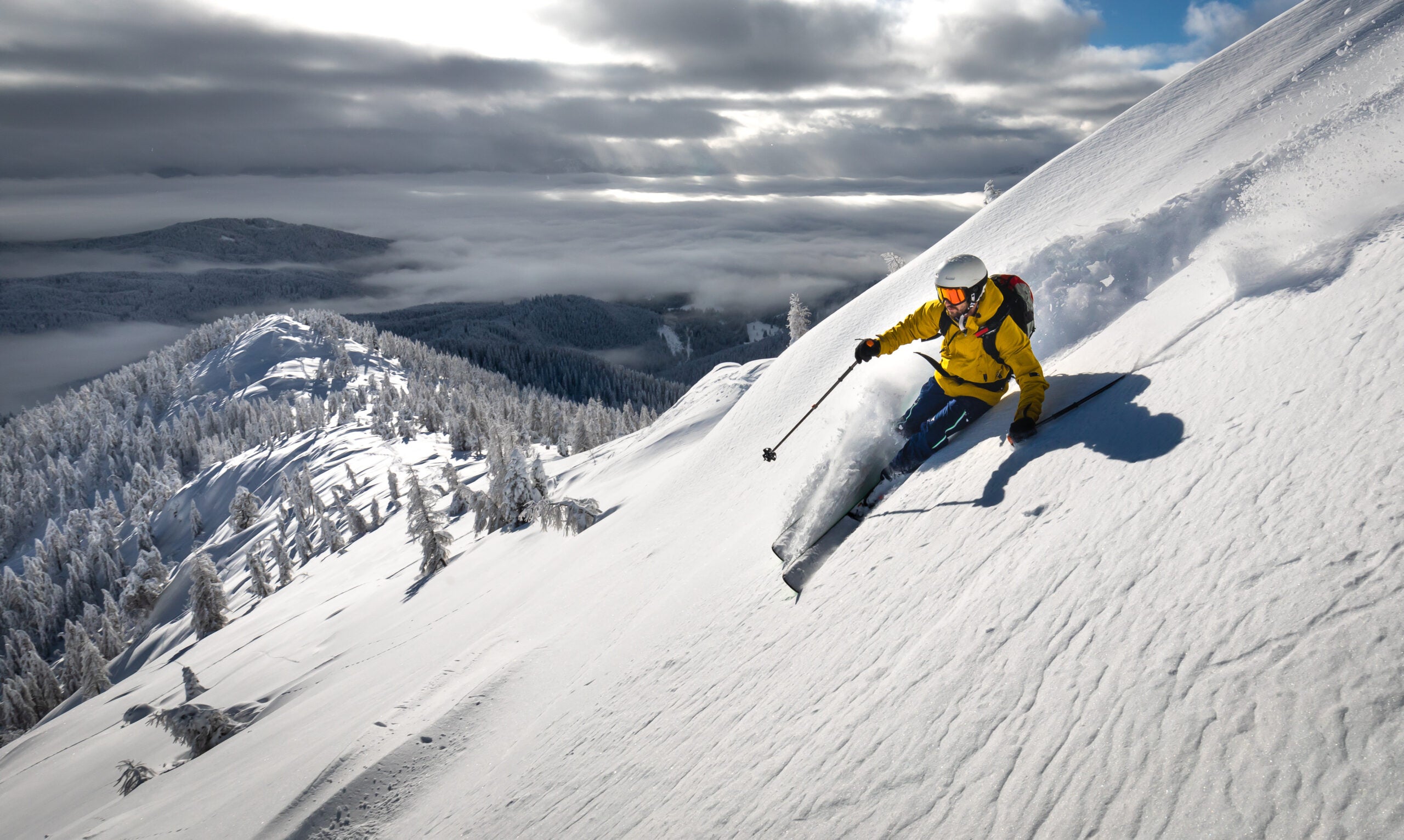
Technological Advancements in Ski Equipment and Safety Standards
Beyond physical and mental preparation, modern advancements in ski gear technology play an instrumental role in performance and safety. Historically, traditional equipment philosophies dictated that skiers must endure stiff, highly rigid boots and outdated binding systems to maintain proper forward lean and ski control.
Contemporary orthopedic and biomechanical analyses have invalidated these older paradigms. Modern boot and binding engineering prioritizes customized flexibility and precise power transmission. For approximately 90 percent of skiers, softer, well-fitting boots provide a safer and more enjoyable experience by allowing nuanced articulation of the ankles and knees during turns. Furthermore, contemporary binding release mechanisms and ski geometries significantly reduce the incidence of torsional stress fractures compared to legacy equipment from previous decades.
Pediatric and Adolescent Ski Injuries: Diagnosis and Intervention
Younger skiers presenting with acute trauma at orthopedic clinics frequently sustain specific types of injuries, most notably anterior cruciate ligament (ACL) tears, meniscus damage, and upper-extremity trauma such as shoulder dislocations and rotator cuff tears.
Medical protocols dictate that accurate and rapid diagnosis is critical for long-term joint health. Clinical indicators—such as the triad of a twisting knee injury, an audible or physical "pop," and immediate joint effusion (swelling)—carry a statistical probability of approximately 90 percent for significant internal structural damage. Such presentations require comprehensive diagnostic imaging, including high-resolution X-rays and magnetic resonance imaging (MRI).
When surgical reconstruction is necessary, particularly for ACL injuries, specialized orthopedic surgeons increasingly favor allografts (donor tissue) over autografts harvested from the patient’s own patellar tendon or hamstrings. This preference aims to preserve native muscle strength, joint flexibility, and overall biomechanical efficiency during the recovery process. Experts consistently advise patients to seek out medical providers who actively participate in winter sports, ensuring a comprehensive understanding of the specific kinematic demands placed on the musculoskeletal system by alpine skiing.
Management of Degenerative Joint Conditions in Aging Populations
As the demographic profile of active skiers broadens to include older adults, chronic conditions such as knee osteoarthritis present distinct management challenges. Total joint replacement remains a viable long-term solution for advanced joint degradation; however, regenerative medicine and interventional orthopedics have introduced effective conservative alternatives designed to delay or avoid invasive surgery.
Advanced intra-articular injections—utilizing hyaluronic acid for mechanical lubrication and platelet-rich plasma (PRP) to harness the body’s natural growth factors—have demonstrated significant clinical efficacy. Many patients presenting with advanced radiological findings, including bone-on-bone articulation in the knee, hip, or ankle joints, successfully utilize targeted biologic injections to manage pain and restore function throughout consecutive winter seasons. These therapies allow older demographics to maintain an active lifestyle into their later decades.
Broader Economic and Public Health Implications
The intersection of alpine sports, orthopedic medicine, and fitness technology carries substantial economic and public health implications. Ski resorts, equipment manufacturers, and healthcare systems operate within an interconnected ecosystem where injury prevention directly correlates with reduced emergency medical expenditures and sustained tourism revenue.
By shifting the wellness paradigm toward year-round general fitness, cognitive mindfulness, and properly fitted modern equipment, the winter sports industry aims to mitigate the societal costs associated with catastrophic knee and shoulder trauma. Ultimately, sports medicine specialists view injuries not merely as setbacks, but as critical catalysts for structural behavioral change—motivating athletes to return to the mountain with enhanced physical conditioning, superior technical equipment, and a heightened appreciation for cognitive focus.

