
The inherent unpredictability of alpine environments ensures that skiing remains one of the most high-risk recreational sports, necessitating a rigorous approach to physical preparation well before the first snowfall. Whether navigating early-season "white ribbons of death" or peak-winter powder, skiers are constantly exposed to hidden obstacles, including submerged rocks, dense treelines, and abrupt changes in snow density. These environmental variables, combined with the high velocities of downhill travel, create a landscape where injury is a constant possibility. While external factors remain beyond an individual’s control, sports medicine experts and physical therapists emphasize that proactive physiological conditioning is the most effective variable for risk mitigation.
According to Dr. Matt Hastings, a Doctor of Physical Therapy at The Alpine Athlete in Denver, Colorado, the transition from a sedentary lifestyle to the high-impact demands of the slopes is a primary driver of orthopedic trauma. Data from the National Ski Areas Association (NSAA) and various sports medicine journals indicate that knee injuries, particularly tears of the anterior cruciate ligament (ACL) and medial collateral ligament (MCL), account for approximately 25% to 45% of all alpine skiing injuries. By implementing a targeted exercise regimen focused on eccentric strength, isometric stability, and core control, athletes can significantly improve their "brain-body connection," allowing for better reactive movements when terrain turns treacherous.
The Chronology of Pre-Season Preparation
The window for effective ski conditioning begins long before the lifts start spinning. Sports scientists generally recommend an 8-to-12-week training block to allow for neuromuscular adaptation and hypertrophic gains.
In the late summer months (August and September), the focus typically rests on building a base of aerobic capacity and general strength. As the calendar shifts toward October and November, the training must become sport-specific. This is the period where the "five essential exercises" identified by physical therapists become critical. By the time December arrives, the body should be primed to handle the eccentric loads of carving and the isometric demands of high-speed traverses. Failure to follow this timeline often results in "early-season fatigue," a state where muscles lack the endurance to stabilize joints, leading to a spike in injuries during the first few weeks of the resort season.
Eccentric Strengthening: The Mechanics of Shock Absorption
One of the most misunderstood aspects of skiing is the type of muscle contraction required to descend a mountain. Most traditional gym exercises focus on the concentric phase—the shortening of the muscle, such as the upward portion of a bicep curl. However, skiing is fundamentally an eccentric sport.
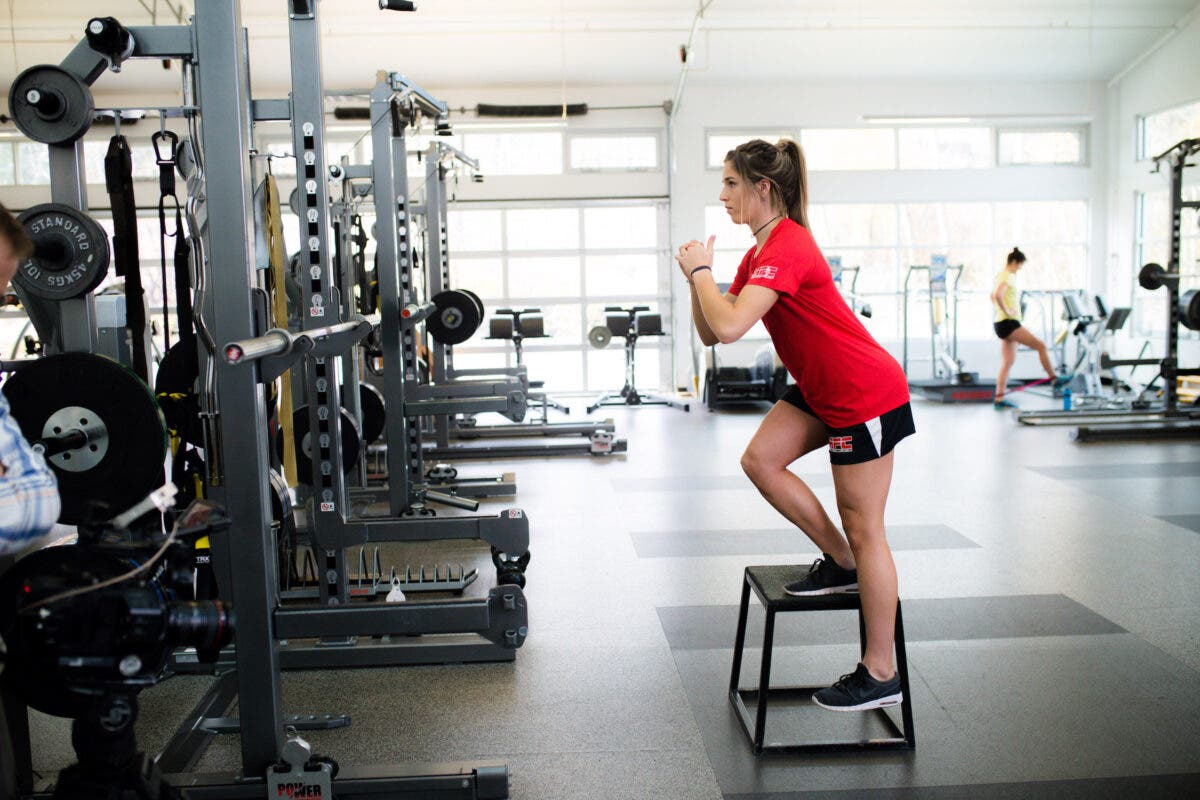
Eccentric movements occur when a muscle lengthens under tension. In the context of a squat, the eccentric phase is the lowering motion. On the hill, your legs act as sophisticated shock absorbers, constantly resisting the force of gravity and the irregularities of the terrain. As a skier hits a bump or enters a compression, the quadriceps must lengthen while under extreme load to prevent the knees from buckling.
To prepare for these forces, Dr. Hastings recommends slowing down the "lowering" phase of traditional lifts. For instance, during a weighted squat or leg press, an athlete should take three to five seconds to descend. This tempo training increases the muscle’s tolerance to sustained loads and builds the structural integrity of the tendons. Improving eccentric control not only prevents acute failures, such as ACL ruptures during a "back-weighted" fall, but also reduces the onset of muscle soreness after a full day of vertical descent.
Isometric Stability and the Prevention of "Quad Burn"
While eccentric strength handles the bumps, isometric strength handles the turns. An isometric contraction occurs when a muscle fires without changing its length or the angle of the joint. This is most evident when a skier holds a long, high-pressure arc on a groomed run or maintains a tuck position on a flat catwalk.
The notorious "quad burn" experienced by many skiers is often the result of poor isometric endurance. When the muscles can no longer maintain a stable joint angle under pressure, the body’s form breaks down. This breakdown usually manifests as the hips dropping too far back or the knees oscillating, both of which increase the risk of a catastrophic edge-catch.
The "wall sit" remains the gold standard for building this specific type of endurance. To maximize the benefit, athletes should simulate the various joint angles encountered on the hill—ranging from a shallow tuck to a deep athletic stance. Progressions include holding weighted plates or using a stability ball between the back and the wall to engage minor stabilizer muscles. By increasing isometric capacity, skiers can maintain a "quiet" upper body and precise edge control even during the final runs of the day.
Single-Leg Proprioception and Unilateral Strength
Skiing is frequently described as a series of weight transfers from one leg to the other. At any given moment during a turn, the majority of a skier’s weight is concentrated on the downhill (outside) ski. This makes skiing a functional single-leg sport.
Relying solely on bilateral exercises like the traditional barbell squat can mask imbalances between the left and right legs. If one leg is significantly weaker, the body will compensate, often leading to over-rotation of the torso or an uneven weight distribution that can cause the weaker leg’s ski to "wash out."
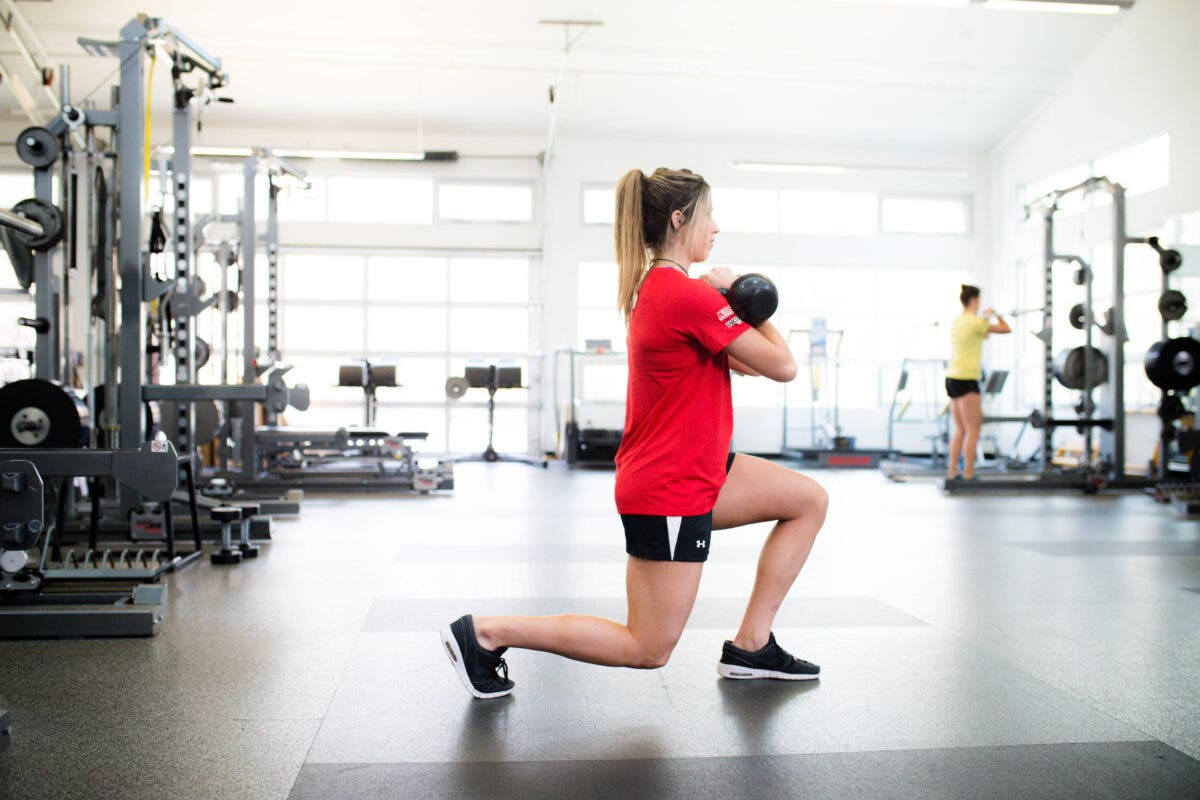
Incorporating lunges in multiple planes—forward, reverse, and lateral—is essential for mimicking the dynamic movements of the mountain. Lateral lunges, in particular, prepare the adductor and abductor muscles for the side-to-side forces of carving. Furthermore, single-leg exercises challenge the body’s proprioception, or its ability to sense its position in space. Improved proprioception allows a skier to make micro-adjustments to their balance instantaneously, which is the difference between a "near-miss" and a season-ending fall.
Core Integration and Trunk Stability
A common misconception among recreational skiers is that the sport is purely a "leg workout." In reality, the legs are merely the levers; the core is the anchor. The ability to maintain a stable trunk while the lower extremities move independently is what separates expert skiers from intermediates.
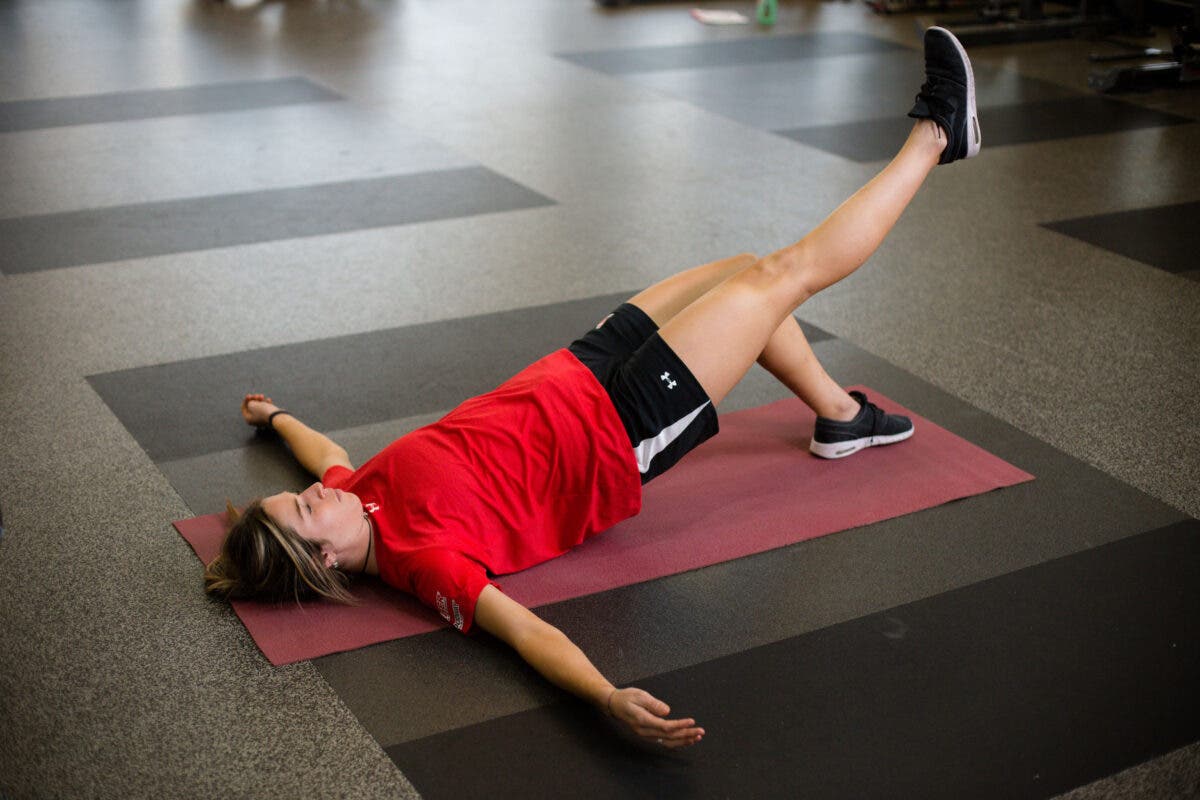
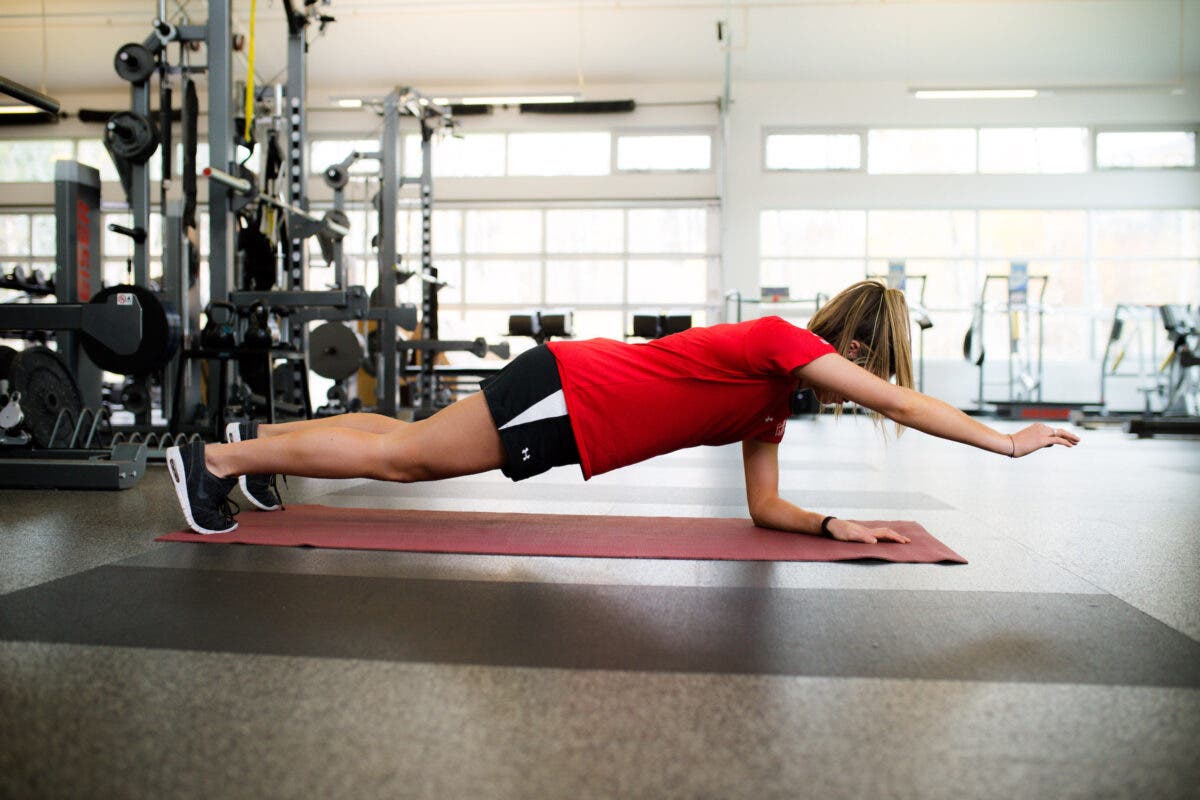
Plank variations are the most effective tool for developing this "trunk-limb dissociation." A standard forearm plank provides a baseline, but skiing requires resistance against rotational forces. Advanced variations, such as the Copenhagen plank (which targets the inner thigh and oblique connection) or planks with alternating arm reaches, force the core to stabilize against shifting centers of gravity.
A strong core protects the lumbar spine from the jarring impacts of moguls and heavy snow. It also ensures that the power generated by the legs is efficiently transferred to the skis. Without a stable midsection, the upper body often flails to compensate for balance, a phenomenon known as "screwing," which leads to inefficient turning and rapid exhaustion.
The Role of Mobility and Recovery Tools
The final pillar of injury prevention is mobility, which differs from simple flexibility. Mobility is the ability to move a joint actively through its full range of motion. For skiers, the most critical areas are the ankles, hips, and thoracic spine.
Strict ski boots often lock the ankle into a fixed position, but a lack of "dorsiflexion" (the ability to pull the toes toward the shin) can prevent a skier from getting over the front of their boots, leading to the dangerous "backseat" skiing position. Similarly, tight hips limit the ability to angulate the skis, making it difficult to grip firm snow.
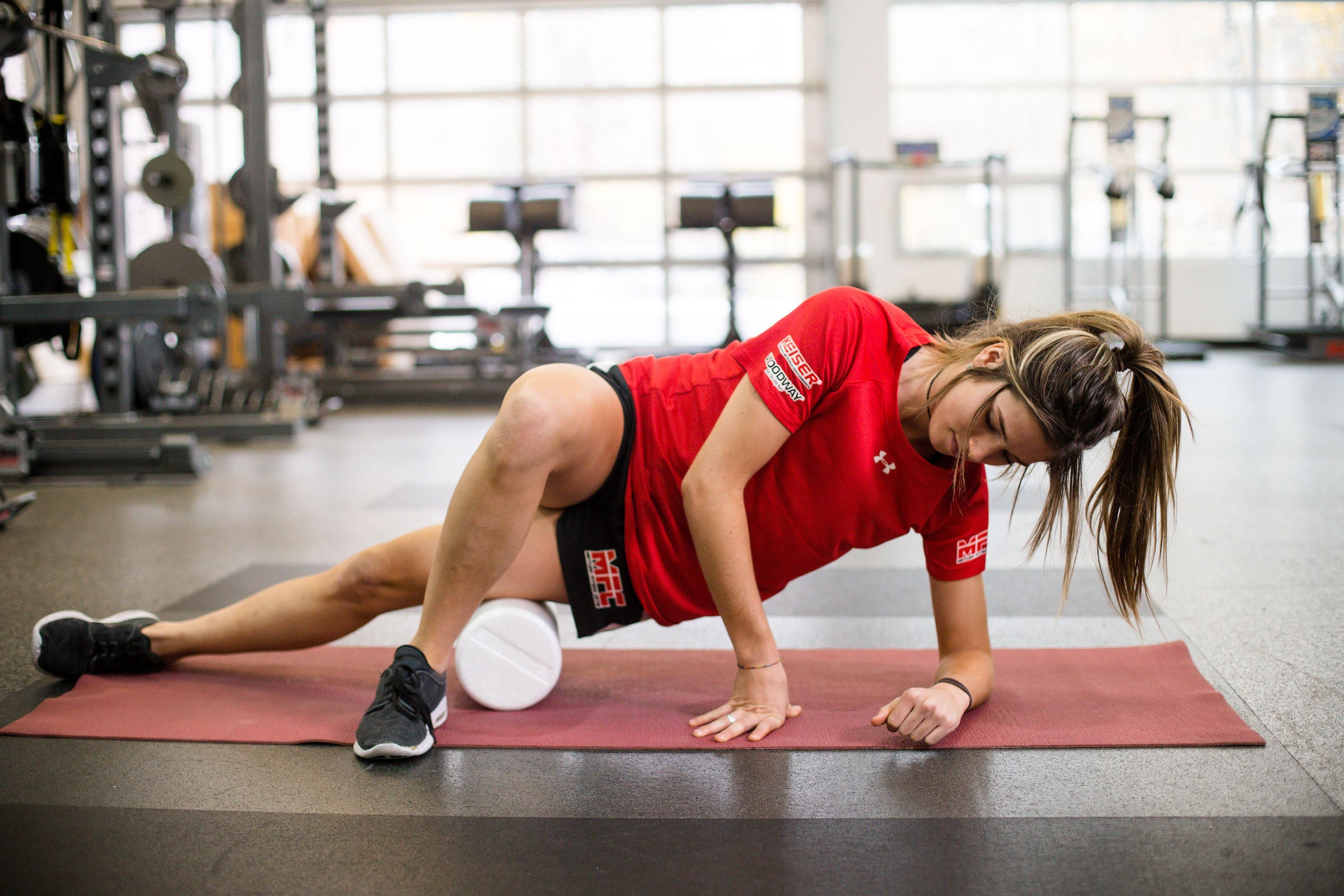
Dr. Hastings emphasizes the use of foam rollers, massage guns, and dynamic stretching as part of a daily routine. These tools aid in myofascial release, increasing blood flow to tired tissues and speeding up the removal of metabolic waste like lactic acid. Research suggests that a dedicated 10-minute mobility session post-skiing can reduce muscle stiffness by up to 30% the following morning, ensuring that athletes can maintain peak performance throughout a multi-day ski trip.
Broader Impact and Economic Implications
The importance of these exercises extends beyond individual health; there is a significant economic and systemic impact to ski-related injuries. A study published in the Journal of Trauma and Acute Care Surgery noted that the average cost of an ACL reconstruction and subsequent physical therapy can range from $20,000 to $50,000, depending on the region and complications.
For the outdoor industry, injuries result in "lost skier days," impacting resort revenue, equipment rentals, and local mountain economies. Furthermore, the long-term health implications of major joint trauma include an increased risk of early-onset osteoarthritis. By prioritizing physical therapy-based conditioning, the skiing community can reduce the burden on healthcare systems and ensure the longevity of the sport’s participants.
Conclusion and Expert Recommendations
The consensus among medical professionals like those at The Alpine Athlete is clear: the most dangerous day on the mountain is the one for which you are physically unprepared. As equipment technology continues to allow for higher speeds and more aggressive maneuvers, the physical demands on the human body increase proportionally.
By integrating eccentric loading, isometric holds, single-leg stability, core variations, and dedicated mobility work, skiers can create a "buffer" against the unpredictable nature of the sport. These five pillars do more than just prevent injury; they unlock a higher level of performance, allowing for more precise turns, greater endurance, and a more enjoyable experience on the slopes. As the industry looks toward the 2025-2026 season, the shift toward "pre-habilitation" is no longer just for professional racers—it is an essential requirement for anyone looking to navigate the mountains safely and effectively.

