
Change is the only constant, a principle that defines both the natural environment and the career trajectory of tattoo artist Angel Lopez. Originally from Tijuana, Mexico, and now a fixture in the California outdoor community, Lopez has spent his professional life bridging the gap between fine art and environmental stewardship. His latest collaboration, a merchandise partnership between Protect Our Winters (POW) and Teton Gravity Research (TGR), represents a tactical shift in how environmental organizations engage their base, moving beyond traditional lobbying into the realm of lifestyle-integrated advocacy.
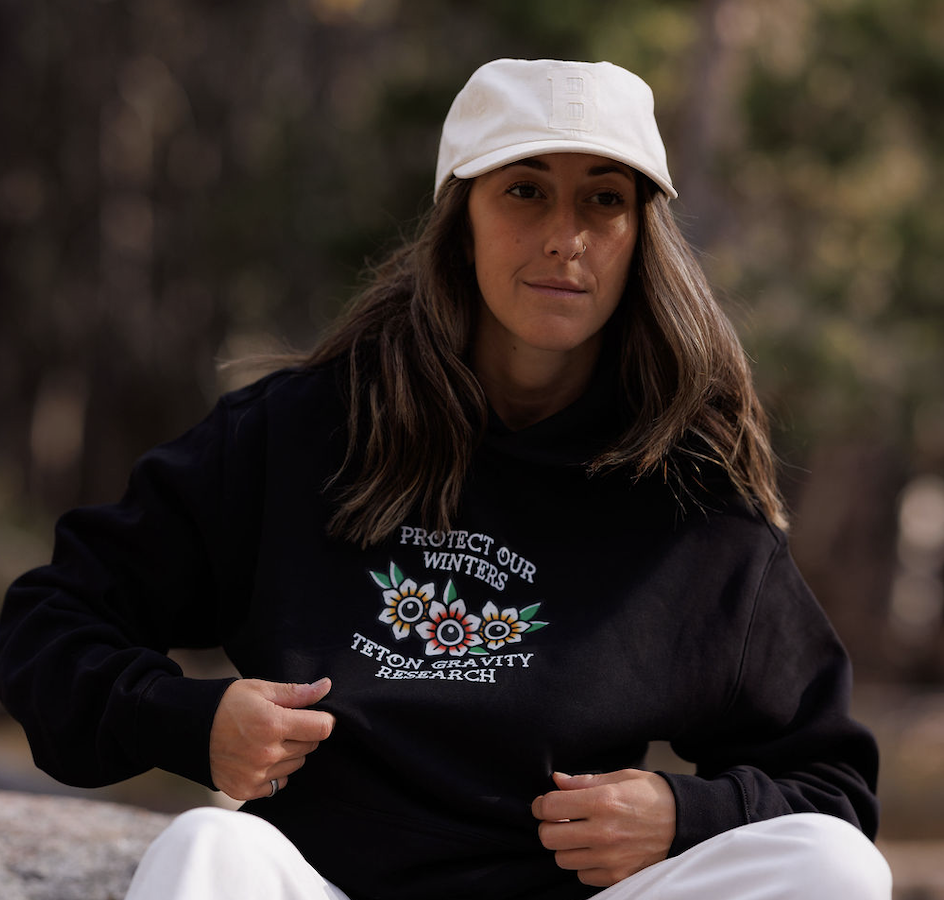
The collaboration, which features a new line of apparel, is more than a retail initiative; it is a funding mechanism designed to support the climate advocacy work of POW. With 10 percent of all sales earmarked for the organization, the project highlights the intersection of commerce and conservation. By leveraging Lopez’s unique position as both an artist and an outdoor enthusiast, POW and TGR are attempting to reach demographics that may not be moved by conventional legislative alerts but are deeply invested in the culture of the outdoors.
A Chronology of Advocacy
Angel Lopez’s involvement in climate advocacy is not a recent development. For over 16 years, he has utilized his platform to influence the climbing, mountain biking, and skateboarding communities. His journey from a tattoo artist to an environmental strategist began long before the current intersectional trends in activism.
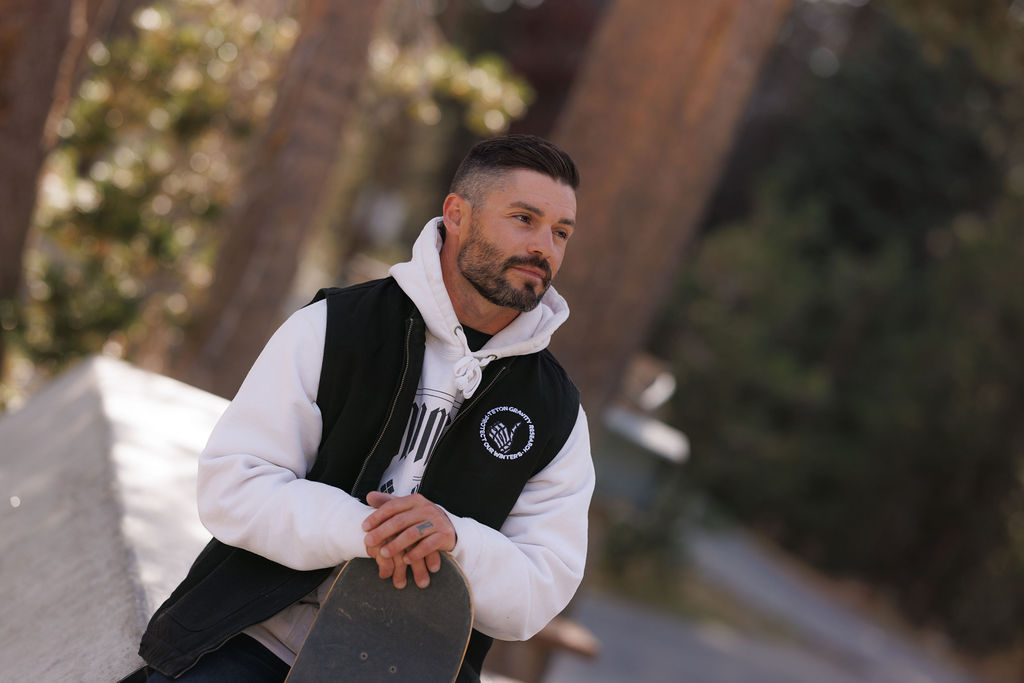
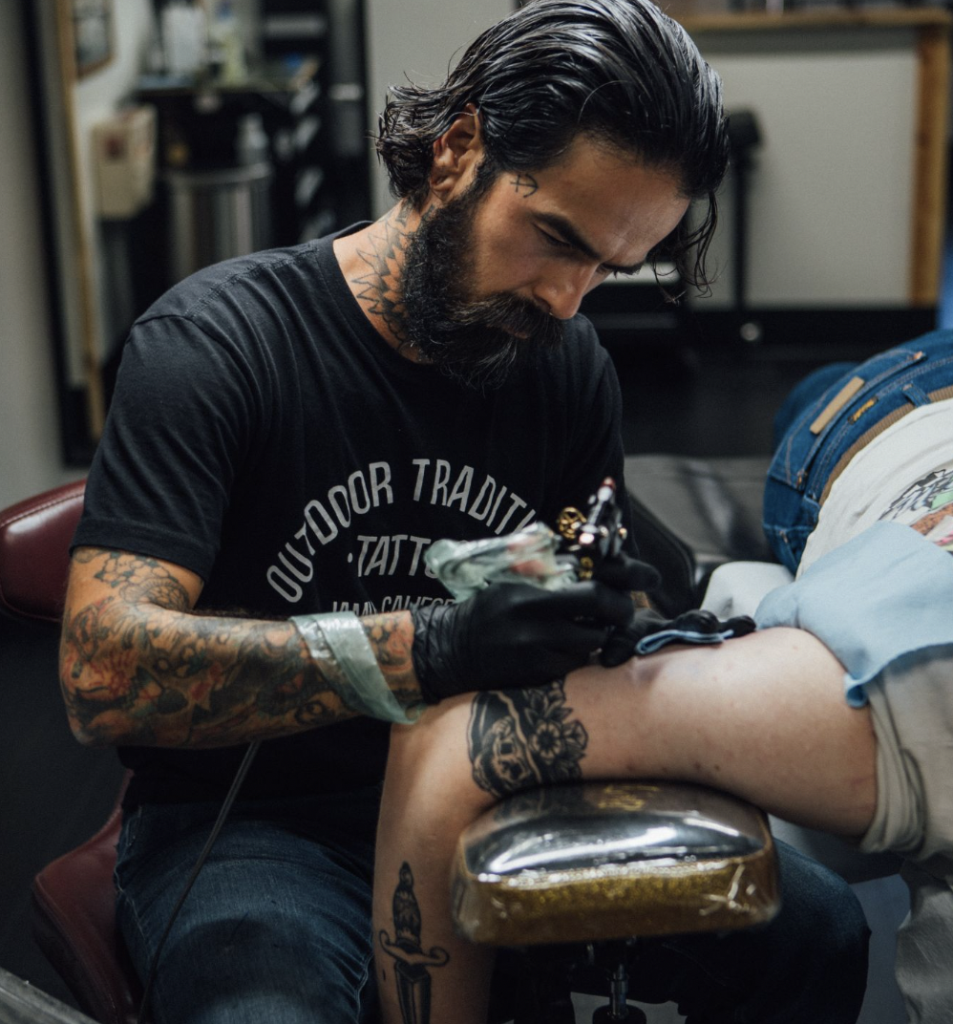
In the mid-2000s, Lopez began to recognize that the outdoor spaces he frequented—the crags and trails of California—were undergoing rapid ecological shifts. His response was to formalize his personal commitment to the environment into his business model. Unlike typical charitable contributions, which often come from corporate profits, Lopez implemented a direct donation model. He allocates between 20 and 50 percent of his tattoo proceeds to organizations such as the Access Fund, Protect Our Winters, and various local mountain biking associations. This model ensures that his artistic output serves as a continuous, reliable funding stream for conservation efforts.
The COVID-19 pandemic served as a critical inflection point in his career. In 2020, as the global health crisis necessitated the temporary closure of many businesses, including tattoo studios, the outdoor community experienced a surge in participation. Trails and climbing areas became essential refuges for a public in distress. During this period, Lopez pivoted his focus, launching a series of tattoo flash events specifically designed to raise capital for San Diego-based mountain bike advocacy groups. This period of disruption crystallized his guiding philosophy: be brave and protect the people and places that sustain you.
Integrating Art into the Climate Movement
The collaboration with TGR and POW is a testament to the evolving nature of modern activism. Environmental organizations are increasingly diversifying their tactics to remain relevant in a fragmented media landscape. Traditional advocacy models often focus on policy-making, legislative pressure, and large-scale public demonstrations. However, internal data from non-profit sectors suggests that creative partnerships—those that integrate the mission into the daily aesthetic of the supporter—tend to foster deeper, more sustained engagement.
By treating the human body as a canvas for environmental support, and subsequently translating that ethos into apparel, Lopez and his partners are attempting to normalize the concept of "active lifestyle advocacy." This is a departure from the traditional model where the environmentalist is a separate entity from the consumer. Instead, the collaboration invites the participant to view their clothing as an expression of their values, effectively turning the consumer into a walking billboard for the climate movement.
Data-Driven Conservation and the Role of Non-Profits
The necessity for such creative funding models is underscored by the current state of environmental advocacy. According to recent industry reports, while charitable giving to environmental causes has increased in nominal terms, the sheer scale of the climate crisis requires an exponential increase in resources. Organizations like POW have moved toward a "creative alliance" model, recognizing that professional artists, filmmakers, and athletes possess the influence required to mobilize younger, digitally native populations.
The partnership with TGR is particularly significant given the latter’s historical role in documenting the extreme sports and mountain culture that are most directly threatened by rising global temperatures. As snowpack levels continue to decline in the Western United States, the sports featured in TGR films are facing existential risks. By aligning with POW, TGR is not merely documenting the outdoors; they are investing in the preservation of the landscapes that make their content possible.
Perspectives on Cross-Sector Collaboration
Representatives from both Protect Our Winters and Teton Gravity Research have characterized this project as a necessary evolution. The strategy behind this initiative is to meet the audience where they are—in the gym, on the trails, or in the studio.
"We are stepping out of our comfort zone," stated a spokesperson for the collaboration. "Some of us are in Washington, D.C., working on policy, while others are in the field teaching nature-curious individuals about the impacts of climate change. Angel, however, is behind the tattoo gun. Every one of these roles is essential to the broader mission of protecting our winters."
The implication of this cross-sector approach is clear: the climate movement is no longer the sole domain of scientists and lobbyists. It has expanded to include the creative class, whose ability to communicate complex, urgent issues through visual media and personal style is proving to be a potent tool for building community resilience.
Broader Implications for Environmental Activism
The broader impact of this initiative lies in the normalization of "advocacy-as-a-lifestyle." By embedding donation mechanisms into the retail sector, organizations can move toward more sustainable, recurring revenue models. Furthermore, this partnership serves as a case study for how individuals can leverage their professional skills—whether that be tattooing, graphic design, or technical cinematography—to create tangible benefits for public lands.
The project also highlights the importance of localized action. While global climate policy is often discussed in abstract, high-level terms, Lopez’s focus on regional mountain biking groups and the Access Fund reminds the public that environmentalism is also about the stewardship of the trails, crags, and local ecosystems that exist in one’s immediate vicinity.
As climate change continues to alter the physical landscapes of the planet, the need for both grassroots funding and high-profile advocacy will only grow. The POW x TGR collection, featuring the designs of Angel Lopez, is a manifestation of this dual requirement. It serves as a reminder that the tools for change are diverse, and that every individual, regardless of their profession, has a role to play in the protection of the natural world.
A Call to Continued Engagement
For those involved in the project, the goal is to ensure that the message behind the merchandise survives long after the initial sale. The apparel is designed to spark conversation, to prompt questions about the intersection of art and activism, and to remind the wearer of the ongoing effort to secure a sustainable future.
The trajectory of Angel Lopez’s career—from the streets of Tijuana to the mountain trails of California—mirrors the broader movement of environmentalism itself: a transition from passive observation to active, creative, and persistent engagement. As the partnership moves forward, the success of this collaboration will be measured not just in sales, but in the sustained attention it brings to the environmental causes that are currently at the center of the global climate debate.
By choosing to wear a piece of this collection, participants are effectively signaling their alignment with a community that prioritizes the health of the planet over the convenience of the status quo. It is an invitation to engage, to support, and to recognize that the protection of the outdoors is a responsibility shared by all, from the peaks of the mountains to the ink in the studio.

