
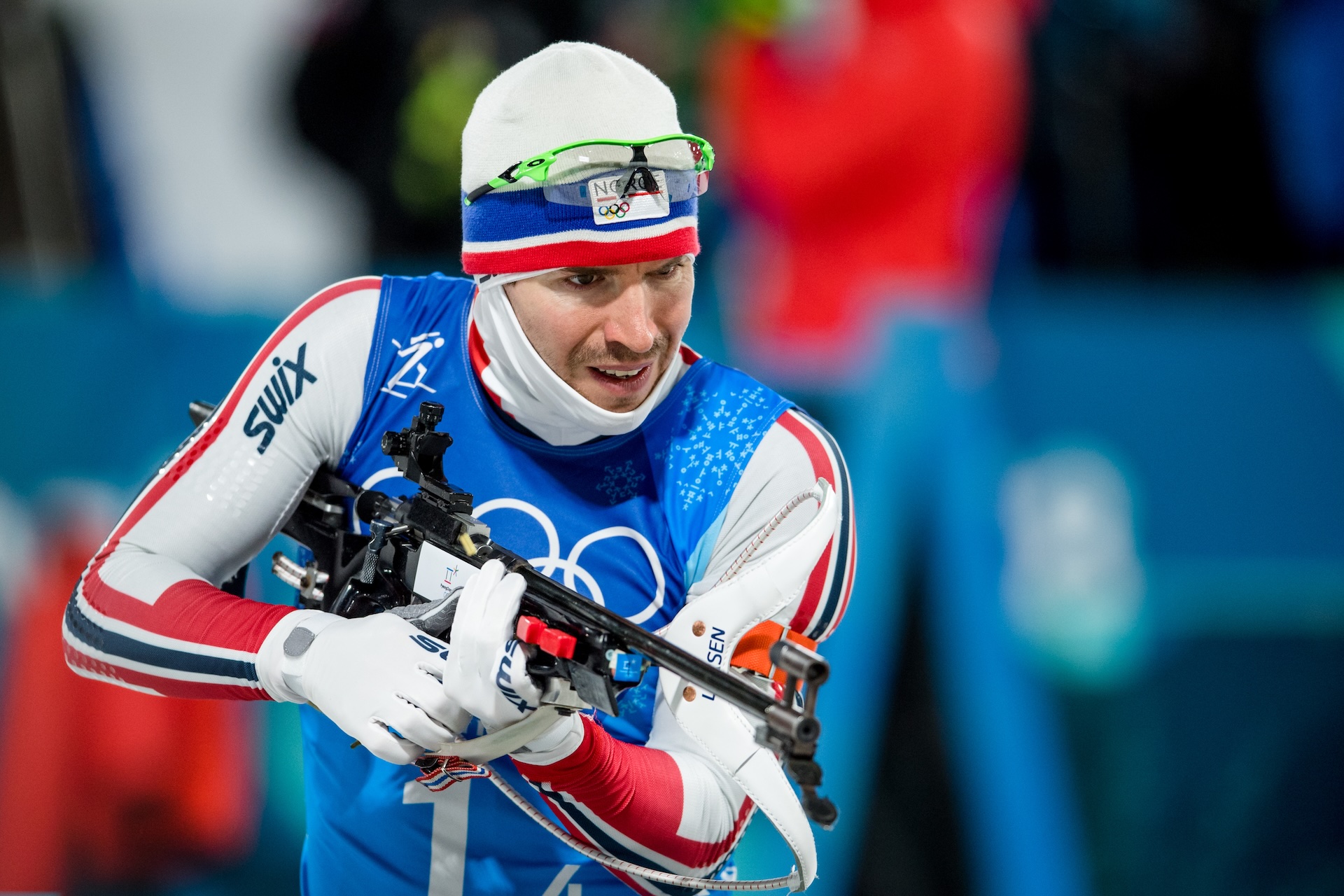
The Norwegian biathlon legends Emil Hegle Svendsen and Liv Grete Skjelbreid have officially exited the inaugural season of the NRK reality production "Mesternes Mester Team," marking an early conclusion for two of the most decorated athletes in winter sports history. Despite their extensive competitive backgrounds and initial optimism entering the tournament, the duo found themselves unable to sustain the physical demands required by the show’s rigorous athletic challenges.
The exit highlights a recurring theme in the lives of retired professional athletes: the friction between the enduring competitive mindset of an elite performer and the physiological limitations imposed by age and past injuries. For both Svendsen and Skjelbreid, the experience served as a poignant reminder that while the mental drive to compete remains as sharp as it was during their peak years, the physical vessel is no longer capable of maintaining the intensity of their prime.
The Evolution of the Mesternes Mester Format
"Mesternes Mester" (Champions of Champions) has long been a staple of Norwegian television, traditionally pitting individual former stars against one another in a decathlon-style competition. However, the introduction of "Mesternes Mester Team" represents a strategic pivot for the broadcaster. By grouping athletes into pairs, the producers aimed to test not only individual physical prowess but also interpersonal synergy and tactical cooperation under pressure.
This shift in format demands a different kind of endurance. In individual competitions, an athlete can pace themselves based on their specific strengths. In a team setting, partners must compensate for each other’s weaknesses, often leading to a higher cumulative physical load. For athletes who have been retired from full-time training for years, this change in intensity proved to be a decisive factor in their early elimination.
A Career Reflection on Physical Limits
Liv Grete Skjelbreid, a multi-time World Champion and Olympic medalist who retired from professional biathlon in 2006, spoke candidly about the physiological realities of aging. At 52, Skjelbreid noted that the transition from a world-class training regimen to post-professional life involves a permanent change in how the body processes exertion.
"There is a reason why you perform at your best between the ages of 20 and 35, when you are at your peak both physically and psychologically," Skjelbreid stated in an interview following their exit. "Once you approach 40, the trajectory begins to decline, regardless of how much effort you put into training. My body has been pushed to its absolute limits for decades, and like most former top athletes, I have accumulated various physical ailments along the way. The mind remains hungry, but the body simply cannot endure the same strain."
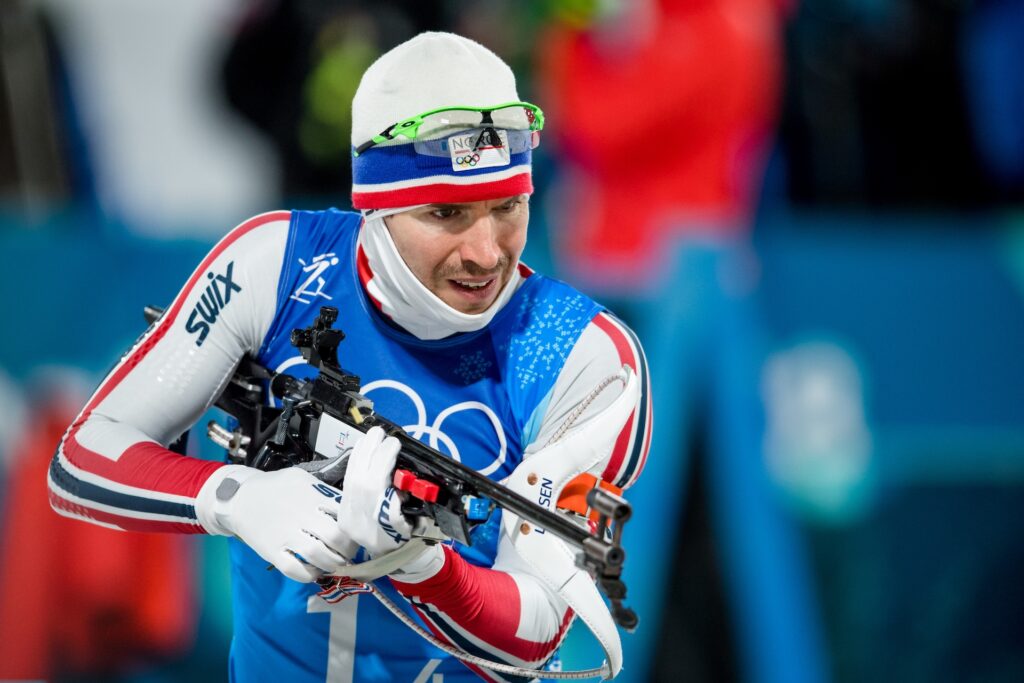
Emil Hegle Svendsen, 41, faced a similar realization. Having retired from the professional circuit in 2018, Svendsen has maintained a high level of fitness, but the explosive, high-impact nature of the "Mesternes Mester" challenges is distinct from the controlled endurance training of biathlon. Svendsen’s previous appearance on the show in 2020 left him with a sense of unfinished business, yet this year’s team format highlighted how even elite-level muscle memory cannot override the natural biological aging process.
Chronology of the Champions
To understand the gravity of their exit, one must consider the sheer volume of their athletic achievements:
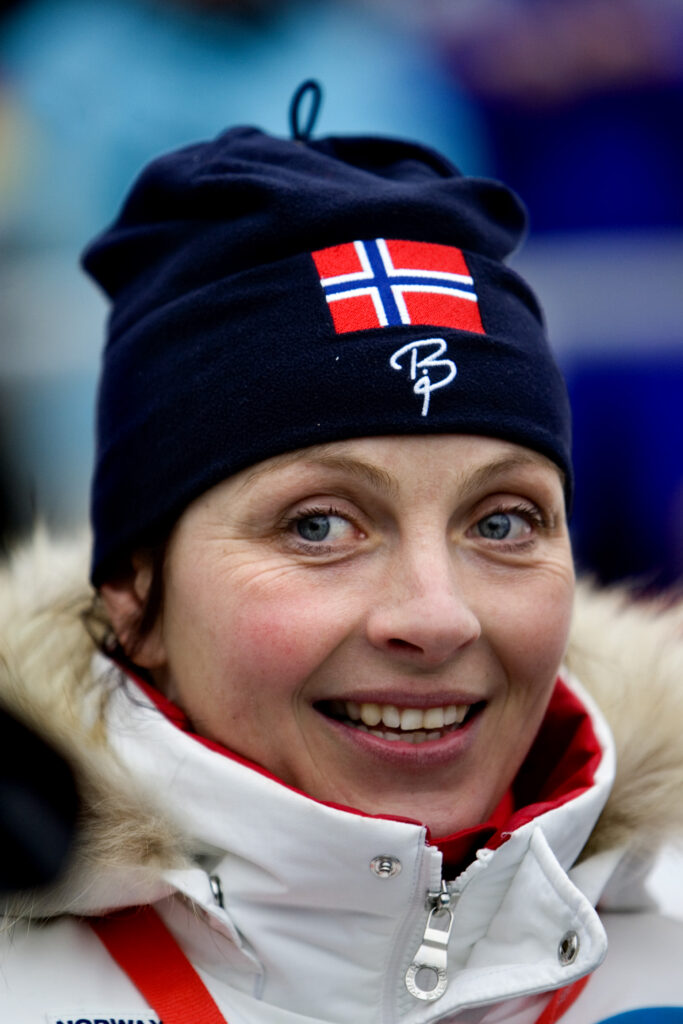
- Liv Grete Skjelbreid (Retired 2006): A trailblazer in Norwegian biathlon, Skjelbreid secured 11 World Championship medals, including eight gold medals. Her dominance during the early 2000s set the standard for the modern Norwegian biathlon program.
- Emil Hegle Svendsen (Retired 2018): A powerhouse of the 2010s, Svendsen’s career included four Olympic gold medals and 12 World Championship titles. His rivalry with international stars and his consistent podium presence made him one of the most recognizable figures in winter sports.
The transition for these athletes from professional competition to entertainment programming is a delicate one. While the skills—shooting accuracy, cardiovascular endurance, and tactical thinking—remain latent, the recovery times and structural integrity of joints and muscles shift significantly over a decade of relative inactivity.
The Physiological Perspective
Sports medicine experts often point to the "re-entry" phenomenon, where retired athletes attempt to replicate their peak performance levels in recreational or entertainment settings. The primary risk is not a lack of skill, but a mismatch between motor control and structural capacity.
When a former athlete performs a high-intensity task, their brain sends signals based on the capacity they had at age 25. If the tendons, ligaments, and cardiac output are not aligned with that memory, injury or rapid exhaustion is the inevitable result. In the case of the team competition, the psychological pressure to perform for a partner can lead athletes to exceed their safe physical boundaries, leading to the "head versus body" conflict described by Skjelbreid.
Impact on the Series and Future Implications
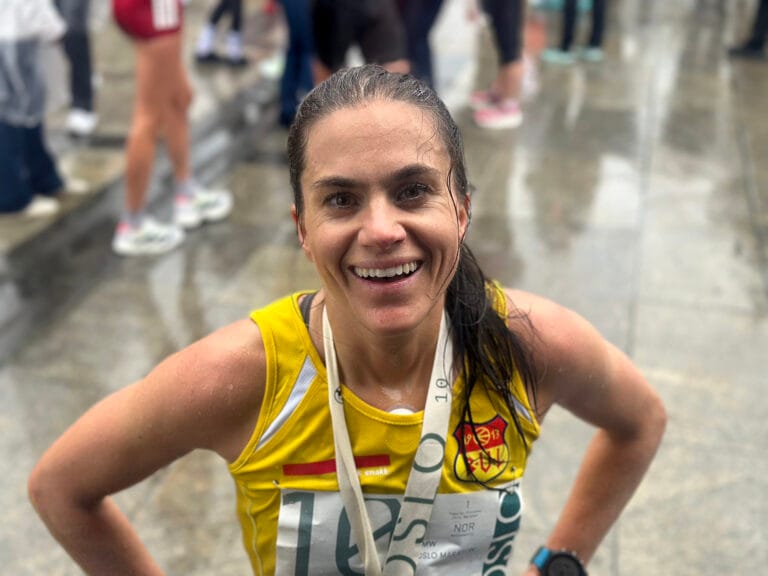
The early elimination of two such high-profile competitors creates a vacuum in the show’s narrative. Audiences are naturally drawn to the "comeback" story, and when favorites are forced out early, it forces the production to pivot toward the remaining participants. For NRK, the challenge is to maintain viewer interest when the most iconic names have departed.
However, the departure also serves as a masterclass in transparency for the public. By speaking openly about their physical limitations, Svendsen and Skjelbreid have provided a rare look into the reality of life after professional sports. It demystifies the "superhuman" image often projected by Olympians and acknowledges that there is a finite period for elite performance.
Broader Context of Reality Sports
"Mesternes Mester" has been instrumental in keeping former athletes relevant in the public eye long after their final race or match. The social dynamics, the behind-the-scenes interviews, and the pressure of the competition allow fans to see the human side of their idols. The "Team" iteration, while physically demanding, is arguably more focused on the mental resilience required to work in pairs.

As the industry continues to produce these spin-offs, the selection process for participants will likely need to account for the increasing age of the "retired" pool. As stars from the 2010s and 2020s continue to move into the retirement phase, the competition will naturally become more intense, potentially requiring producers to adjust the physical requirements of the challenges to ensure longevity for the contestants.
Looking Ahead
Despite the disappointment of an early exit, both Skjelbreid and Svendsen have expressed that the experience was worth the effort. For Skjelbreid, who initially hesitated to return to reality television, the motivation was the sheer enjoyment of the environment and the camaraderie of the other competitors. For Svendsen, the participation was an extension of his enduring love for the thrill of competition, even if the result was not what he had hoped for.
The legacy of these two athletes remains untarnished by their performance in a reality format. Their historical records in biathlon stand as the true metric of their careers. As "Mesternes Mester Team" continues into its next phase, the focus will shift to the remaining teams, but the lesson provided by the biathlon legends will likely echo throughout the season: even the greatest champions must eventually bow to the reality of the human condition.

The show is scheduled to continue, with the next season of the flagship "Mesternes Mester" series slated for a New Year’s premiere, promising a fresh slate of competitors and new challenges. For fans of Norwegian sport, the transition from active competition to these light-hearted but intense televised tests remains a vital bridge between the golden eras of their youth and the present day.

