
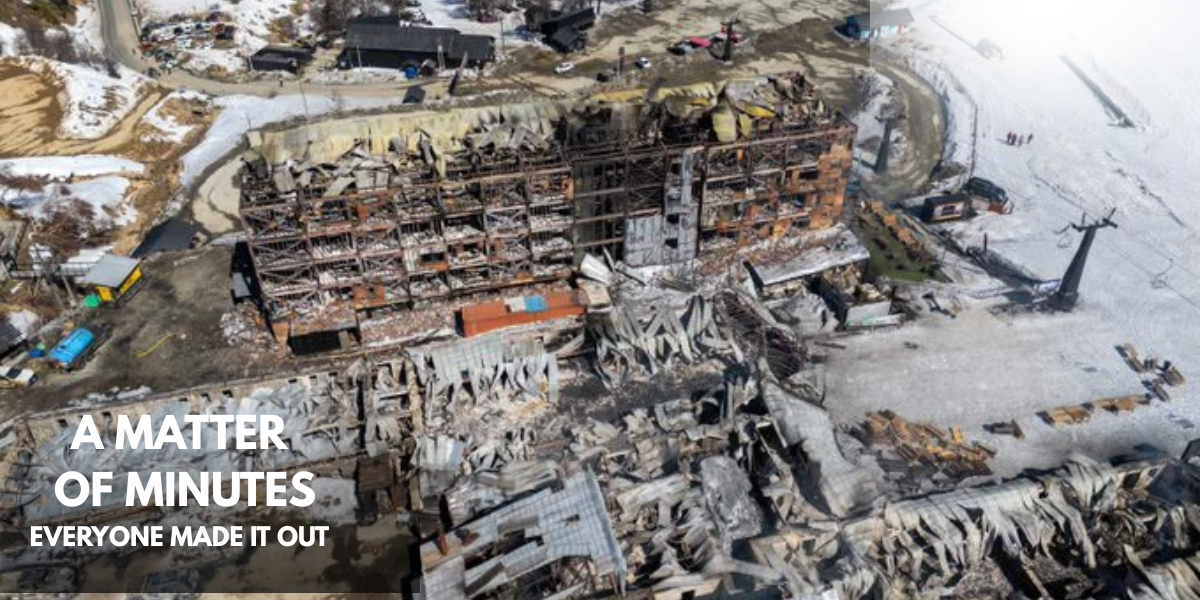
A catastrophic fire swept through the Hotel Alto Nevados at the Nevados de Chillán ski resort in Chile on September 6, resulting in the total destruction of the hotel and significant damage to the surrounding resort infrastructure. The blaze, which broke out in the early evening, forced the immediate cancellation of the FIS Masters Cup season opener, a marquee event for the international skiing community. While the property loss is extensive—including the hotel, a ski rental shop, retail facilities, and critical lift components—local authorities and resort management confirmed that all guests and staff were successfully evacuated, with no fatalities or serious injuries reported.
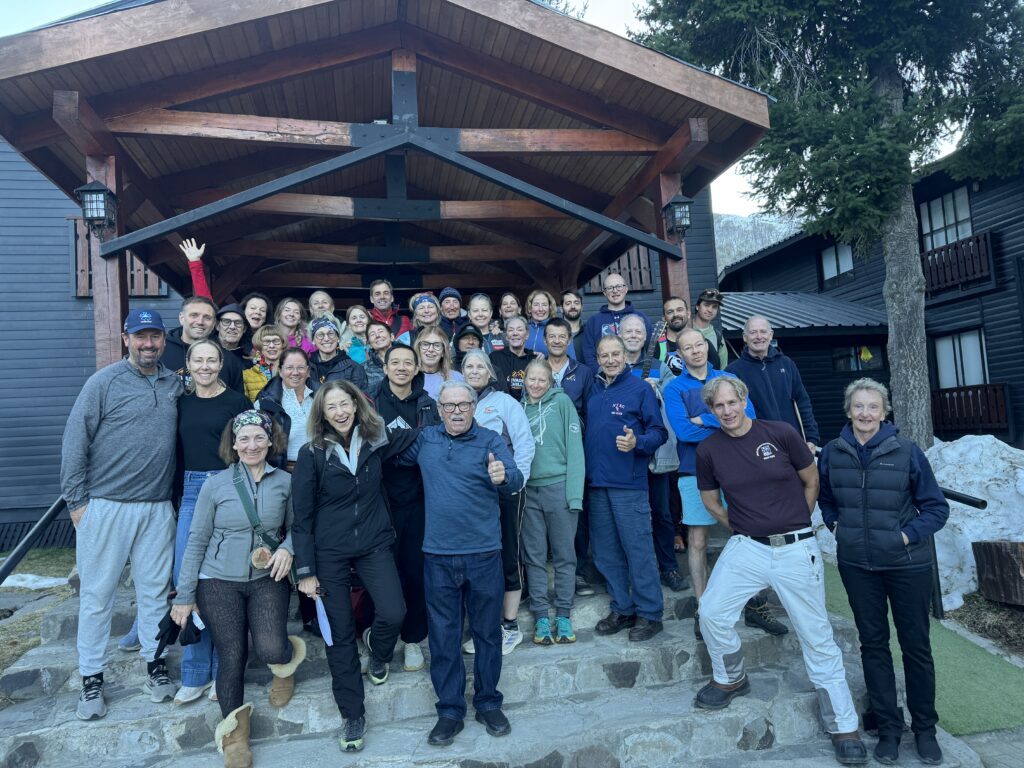
The incident occurred during a peak training window for the South American Masters camp, an annual gathering directed by Lisa Ballard. The camp had brought approximately 40 athletes and coaches from the United States, Canada, Australia, Great Britain, and France to the Chilean Andes. The timing of the fire proved to be a critical factor in the survival of the group, as the majority of the guests were awake and in their rooms on the upper floors of the hotel when the blaze began at approximately 5:30 p.m. local time.
Chronology of the Emergency
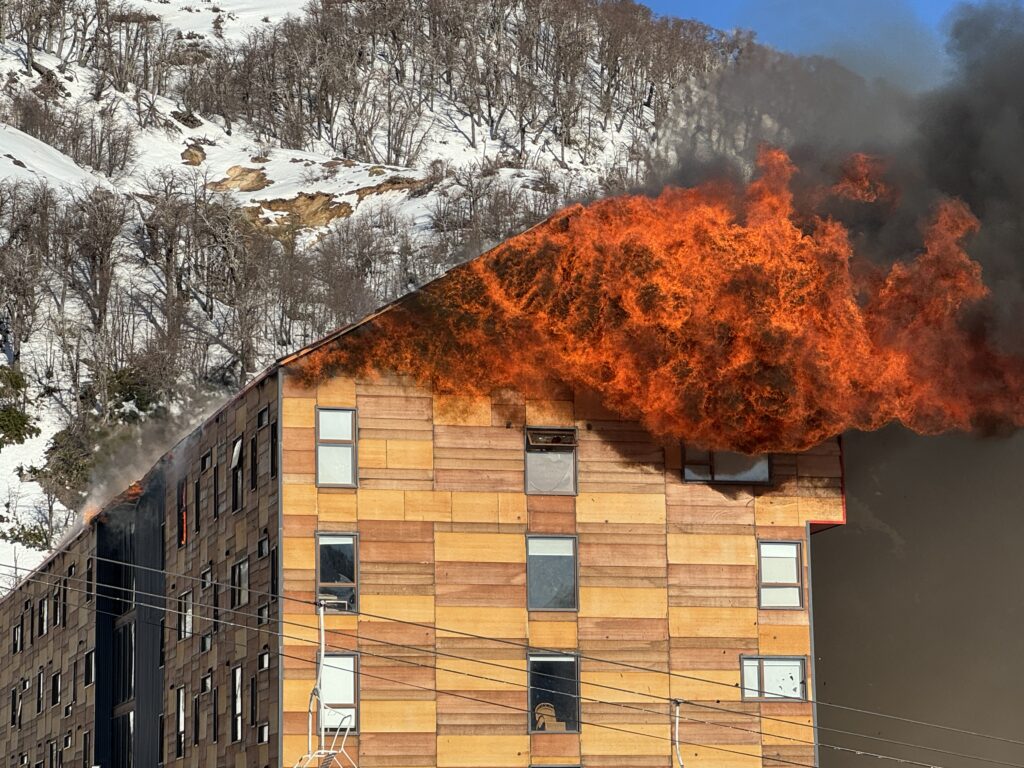
The sequence of events unfolded with rapid intensity. According to eyewitness accounts, there was no audible fire alarm system to alert the building’s occupants, nor were there clear indications of a centralized sprinkler system typical of North American hotel fire safety standards. Instead, the alert was disseminated via a disorganized chain of communication: phone calls between guests, shouts from individuals outside the building, and hotel staff physically knocking on doors to warn occupants of the encroaching smoke.
Lisa Ballard, who was in her fourth-floor room reviewing training footage on her laptop, first learned of the danger through a phone call from Canadian racer Isabelle Reed. Upon looking out her window, Ballard observed thick, black smoke emanating from the roofline, confirming the severity of the situation. Within minutes, the evacuation commenced. Guests were forced to navigate stairwells amidst heavy smoke, with some residents, such as Masters racer Lee Ormiston, expressing confusion over the lack of illuminated exit signage. Ormiston later noted that a secondary stairway near his room, which proved to be a viable escape route, lacked the universal red "EXIT" lighting that would have provided immediate clarity during the high-stress evacuation.
By the time the first responders arrived—estimated to be roughly one hour after the initial ignition—the structure was already fully engulfed. The resort’s own ski patrol, while not equipped for major structural firefighting, played a pivotal role in the evacuation, conducting sweep operations to ensure that no individuals remained trapped in the upper-level rooms.
Logistical Challenges and Immediate Aftermath
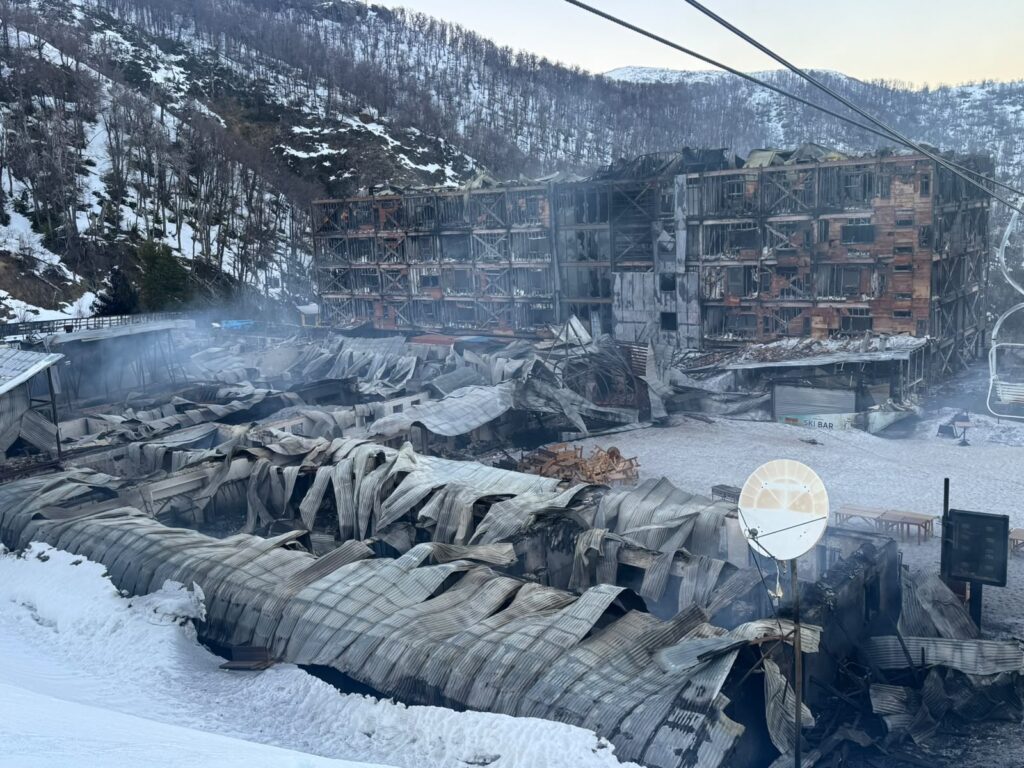
The destruction of the hotel was total, and the impact extended to the resort’s operational capacity. The fire caused significant damage to the upper base area, including the ski school and rental facilities. Preliminary reports from the scene indicated that the intense heat from the burning hotel also damaged adjacent lift infrastructure, potentially compromising the resort’s ability to host future events in the immediate term.
Following the successful evacuation, the displaced group faced a complex series of logistical hurdles. The immediate priority shifted to the basic needs of the 40-member delegation: shelter, food, and the replacement of essential medications. The resort’s management team facilitated transport for the group to nearby condominiums and secondary lodging. The coordination of medical supplies was particularly urgent, as the age range of the Masters racers spans from 30 to over 80, necessitating the recovery of various prescription medications. Resort staff worked through the night, making multiple trips to the city of Chillán—a 90-minute drive from the resort—to secure replacements from local pharmacies.
Beyond medical needs, the loss of travel documentation posed a significant obstacle. With many athletes having escaped with only the clothing they were wearing, passports, credit cards, and identification documents were destroyed in the fire. The U.S. Consulate in Santiago and various other international embassies coordinated with the group to expedite emergency travel documents, a process that occupied the following 48 to 72 hours and determined the timeline for the athletes’ departures from Chile.
Implications for International Ski Racing

The cancellation of the FIS Masters Cup, which was slated to be the opening series of the season, represents a significant disruption to the professional and amateur racing calendar. The decision to cancel was finalized not only due to the loss of the event venue but also because of the total loss of technical equipment. Most participants lost their race skis, boots, speed suits, and specialized tuning gear in the fire.
Industry analysts note that the loss of a specialized facility like the Hotel Alto Nevados, which serves as a central hub for international training camps in the Southern Hemisphere, creates a ripple effect. The infrastructure at Nevados de Chillán is uniquely positioned for high-altitude training; however, the damage to the lift systems and base facilities will necessitate a long-term recovery process. The financial implications for the resort, as well as for the athletes who lost thousands of dollars in high-end racing equipment, are still being tabulated.
Lessons in Emergency Preparedness
The incident has sparked a broader conversation within the international sports community regarding travel safety protocols. For many athletes, the fire served as a harsh reminder of the discrepancies in fire safety regulations between different nations. While large-scale commercial hotels in the United States are subject to stringent NFPA (National Fire Protection Association) codes, international travelers often encounter varying standards that may not include modern fire detection or automated suppression systems.
Lee Ormiston, reflecting on his experience, emphasized the necessity of "getting off the X"—a security term used to describe the immediate exit from a point of danger. He highlighted that while he had been conditioned by workplace fire drills to grab essentials such as a passport and laptop, the lack of standardized exit signage in the hotel demonstrated a critical vulnerability. The consensus among the group is a shift in travel strategy: many survivors now plan to carry portable smoke and carbon monoxide detectors for all future international excursions and to prioritize the identification of secondary exit routes immediately upon check-in.
Moving forward, organizers of international training camps, such as the one led by Ballard, are expected to formalize hotel evacuation procedures as a mandatory component of pre-trip briefings. This includes the establishment of an external "rally point" for all team members, ensuring that in the event of a crisis, the group can be accounted for without the confusion that characterized the early minutes of the Chillán fire.
Community and Professional Solidarity
Despite the loss of property, the event highlighted the resilience of the local community and the solidarity of the global skiing family. The dedication of the Nevados de Chillán staff, who continued to support the displaced athletes even as their own workplace was reduced to rubble, was described by participants as a "miracle" of human kindness. Reports from the scene noted that several key employees remained on duty for nearly 48 hours to manage the transition of the guests, showing a level of commitment that went beyond standard hospitality.
The broader racing community has also mobilized to provide support. Manufacturers and peer organizations have initiated efforts to help athletes replace the equipment lost in the fire, illustrating the tight-knit nature of the sport. As the investigation into the cause of the fire continues—with initial, unconfirmed reports suggesting a possible electrical origin—the focus remains on the successful recovery of the athletes and the long-term restoration of the resort.
Ultimately, while the financial and physical losses are profound, the primary outcome of the September 6 event is that 40 individuals survived a disaster that could have easily resulted in a tragedy. The incident stands as a sobering case study in the unpredictability of travel and the life-saving importance of maintaining situational awareness in unfamiliar environments.

