
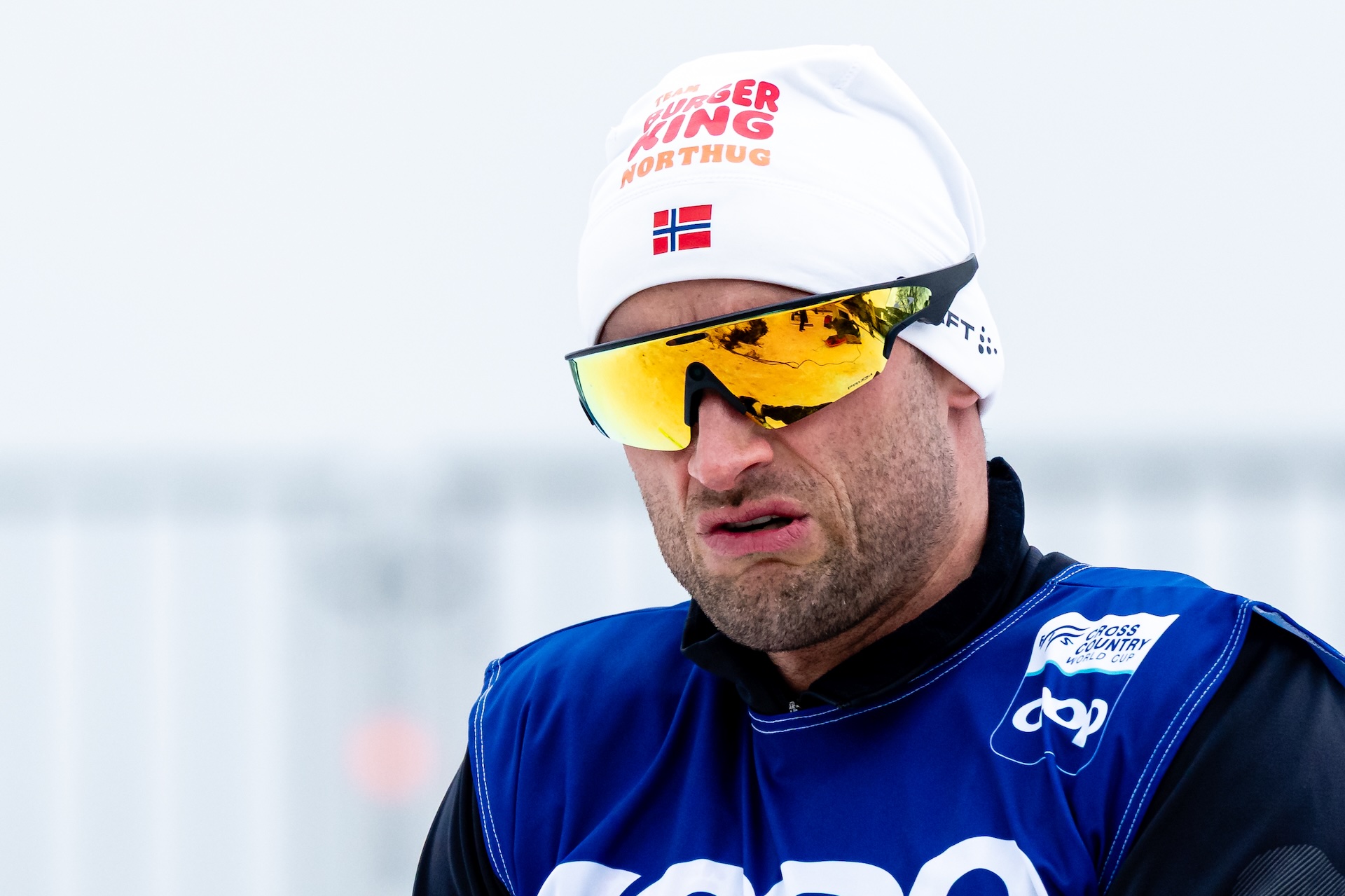
The signature ski event launched by former cross-country skiing legend Petter Northug, Janteloppet AS, is currently facing a terminal crisis that threatens to dissolve the company entirely. Following a formal notice of compulsory liquidation issued on September 11, 2026, the company—co-owned by Northug and Lebanese financier Reda El Chaar—has been granted a final reprieve until November 2, 2026. If the stakeholders fail to settle outstanding debts and resolve severe administrative deficiencies by this date, the entity will face final bankruptcy proceedings.
This development marks the culmination of a turbulent period for the event, which was initially envisioned as a revolutionary addition to the international cross-country skiing calendar. With approximately 10 million NOK in accumulated deficits and a mounting list of unpaid creditors, the future of the event has shifted from a question of growth to a matter of corporate survival.
Chronology of a Corporate Collapse
The downward trajectory of Janteloppet AS has been punctuated by a series of legal and financial setbacks over the past 24 months.
- 2023: Petter Northug launches the revitalized Janteloppet with high-profile promises of record-breaking prize money and a "new standard" for the sport.
- April 2026: Reports emerge detailing a significant financial downturn, with Brønnøysund Register Centre filings revealing nearly 50 payment remarks totaling 1.4 million NOK.
- Spring 2026: Janteloppet AS is officially evicted from its primary venue, Hafjell and Mosetertoppen, following disputes with local organizers. The company responds by filing a lawsuit against the technical organizers, citing contractual breaches.
- July 1, 2026: The company receives an official notice of compulsory liquidation due to the failure to appoint a state-authorized auditor, a requirement for companies exceeding specific turnover thresholds.
- September 11, 2026: The compulsory liquidation process is formally triggered by the court after the deadline for compliance passes without action.
- Present: Bankruptcy trustee Thomas Piro has assumed temporary control of the company assets pending the upcoming November creditors’ meeting.
Financial Instability and Auditor Oversight
While the immediate catalyst for the liquidation was the failure to appoint a state-authorized auditor, financial experts suggest that the administrative lapse is merely a symptom of deeper systemic issues within the company. According to bankruptcy trustee Thomas Piro, the current claims against the estate have reached approximately 700,000 NOK, with very few liquid assets available to satisfy these debts.
The discrepancy between the company’s ambitious marketing and its actual fiscal health has been a point of contention for months. With a reported 10 million NOK loss over the last two fiscal years, the organization has struggled to maintain operational liquidity. The failure to appoint an auditor, which Reda El Chaar characterized as a "summer holiday oversight," has drawn criticism from industry observers who note that such compliance is non-negotiable for a firm managing large-scale sporting events and significant sponsorship contracts.
Strategic Missteps and Operational Challenges
The vision for Janteloppet was to create a festival-style event that bridged the gap between professional elite racing and amateur participation. However, the event has suffered from a series of operational scandals that have undermined its credibility.
In the previous year, the organization faced public backlash after the abrupt cancellation of the women’s elite category just hours before the start of the race. This was followed by the total cancellation of the elite category in 2026. These decisions alienated participants and sponsors alike, leading to declining registration numbers. The eviction from the Hafjell venue, a premier location in Norway, further restricted the company’s ability to host a race of the scale required to generate the revenue necessary to service its debt.
Official Responses and Stated Intentions
Reda El Chaar, who holds a 70% stake in the company compared to Northug’s 30%, remains publicly optimistic regarding the brand’s future. In correspondence with local media outlets, El Chaar has maintained that the current crisis is a temporary hurdle.
"Janteloppet AS missed the deadline to appoint an auditor due to an error during the transition of financial thresholds," El Chaar stated. "The deadline coincided with the summer holiday period and unfortunately did not receive the attention it required. The matter will be resolved."
Despite the legal threat, El Chaar continues to insist that the organization is committed to its original mission of fostering interest in skiing for future generations. However, the path forward remains opaque. With no venue secured for the April 2027 edition and the company under the administration of a bankruptcy trustee, stakeholders and participants are left with significant uncertainty.
Broader Economic Implications for Event Sport
The situation surrounding Janteloppet AS provides a cautionary case study on the risks associated with scaling sporting events without a robust fiscal foundation. The "Northug brand" initially attracted significant interest, but the inability to convert that interest into a sustainable, cash-positive business model has highlighted the thin margins inherent in large-scale event production.
Legal analysts point out that the ongoing litigation against the former Hafjell organizers could further drain the company’s remaining resources. Even if Northug and El Chaar manage to secure the necessary two million NOK to clear the current insolvency notice, they face the monumental task of restoring trust among vendors, local municipalities, and the skiing community.
Future Outlook: Can the Brand Survive?
As the November 2 deadline approaches, the pressure on the co-owners to provide a transparent recovery plan is mounting. The role of the bankruptcy trustee will be pivotal; if the debts cannot be covered, the company will face final dissolution. This would likely result in the liquidation of all remaining assets, including the intellectual property rights to the Janteloppet brand.
For Petter Northug, whose personal brand is inextricably linked to the event, the outcome of these proceedings carries significant reputational weight. While he has maintained a lower profile regarding the specific administrative failures, the collapse of a project that was explicitly built around his legacy poses a challenge to his transition from professional athlete to successful entrepreneur.
The event’s organizers have stated that the next edition of Janteloppet is scheduled for April 10, 2027. However, without a venue contract and with the company in the midst of a court-mandated liquidation process, industry experts remain skeptical. The coming weeks will determine whether the "Janteloppet" concept can undergo a restructuring that satisfies creditors or if it will join the list of failed sporting ventures that overestimated their market reach and underestimated their operational requirements.
As of late September 2026, the company remains in a state of flux. The legal requirements are clear: the court demands proof of financial solvency and professional administration. Whether the leadership can meet these stringent standards remains to be seen, but the window for action is rapidly closing. The sporting world will be watching closely to see if the once-celebrated signature event can navigate its way out of this financial winter, or if the lights will be turned off permanently on the Janteloppet project.

