
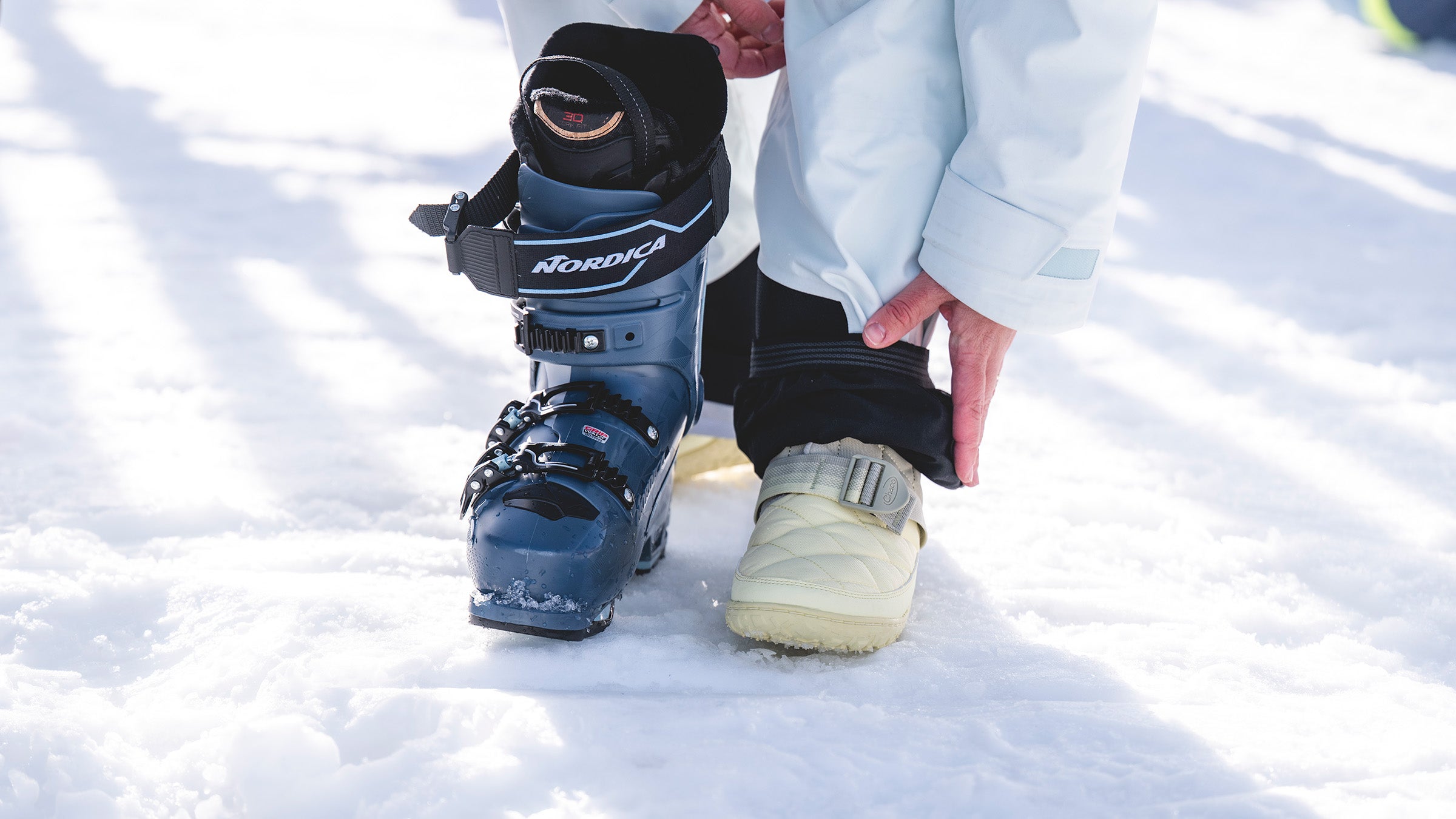
The rigorous evolution of women’s alpine ski equipment reached a significant milestone ahead of the 2027 winter season, following two intensive weeks of field evaluations at Timberline Lodge, Oregon. Conducted in partnership with industry authorities Masterfit and America’s Best Bootfitters, the annual testing protocol brought together a dedicated crew of professional bootfitters, shop technicians, and expert female skiers to scrutinize dozens of newly engineered alpine ski boots. The resulting lineup reflects a paradigm shift in how manufacturers address female physiology, balancing anatomical precision with cutting-edge customization technologies such as BOA closure systems and hands-free entry mechanics.
Background Context and Testing Methodology
For decades, the standard approach to women’s ski boot manufacturing largely involved shrinking unisex molds and applying pastel colorways—a practice industry veterans refer to colloquially as "shrink it and pink it." However, modern biomechanical research and extensive on-snow testing have proven that female anatomy requires dedicated engineering. Women generally possess a lower-positioned calf muscle, shorter lower leg proportions relative to foot length, and a distinctively narrower heel pocket. When ski boots fail to accommodate these specific structural variances, skiers are forced into a constant battle with their equipment, leading to fatigue, cold feet, and compromised edge control.
The Timberline Lodge evaluation protocol is widely recognized as the most exhaustive in the snowsports industry. During the multi-week test window, an all-female panel of evaluators logged thousands of vertical feet across a diverse spectrum of Oregon snow conditions, ranging from hardpack morning groomers to afternoon crud and variable slush. Boots were systematically categorized by width—narrow (Low Volume / LV, typically a 98mm last), medium (Medium Volume / MV, around 100mm), and wide (High Volume / HV, 102mm and above)—and evaluated on 15 detailed fit and stance parameters.
Scoring criteria encompassed initial box fit, on-snow dynamic performance, neutral stance alignment, edge power transmission, quickness of transition, and hardware features. To capture real-time feedback, evaluators utilized a proprietary smartphone application developed specifically for the Masterfit testing ecosystem, logging metrics immediately following every three-run rotation. The overarching objective of the collaborative testing effort is to cut through marketing hype and provide consumers with objective, data-driven insights into which products genuinely deliver on-snow performance and comfort.
Main Findings: The 2027 Top-Tier Women’s Ski Boots
The 2027 market highlights significant advancements in material science, particularly the integration of multi-dial BOA configurations and articulated rear-entry mechanisms designed to eliminate the traditional struggle of donning and doffing high-performance alpine gear.
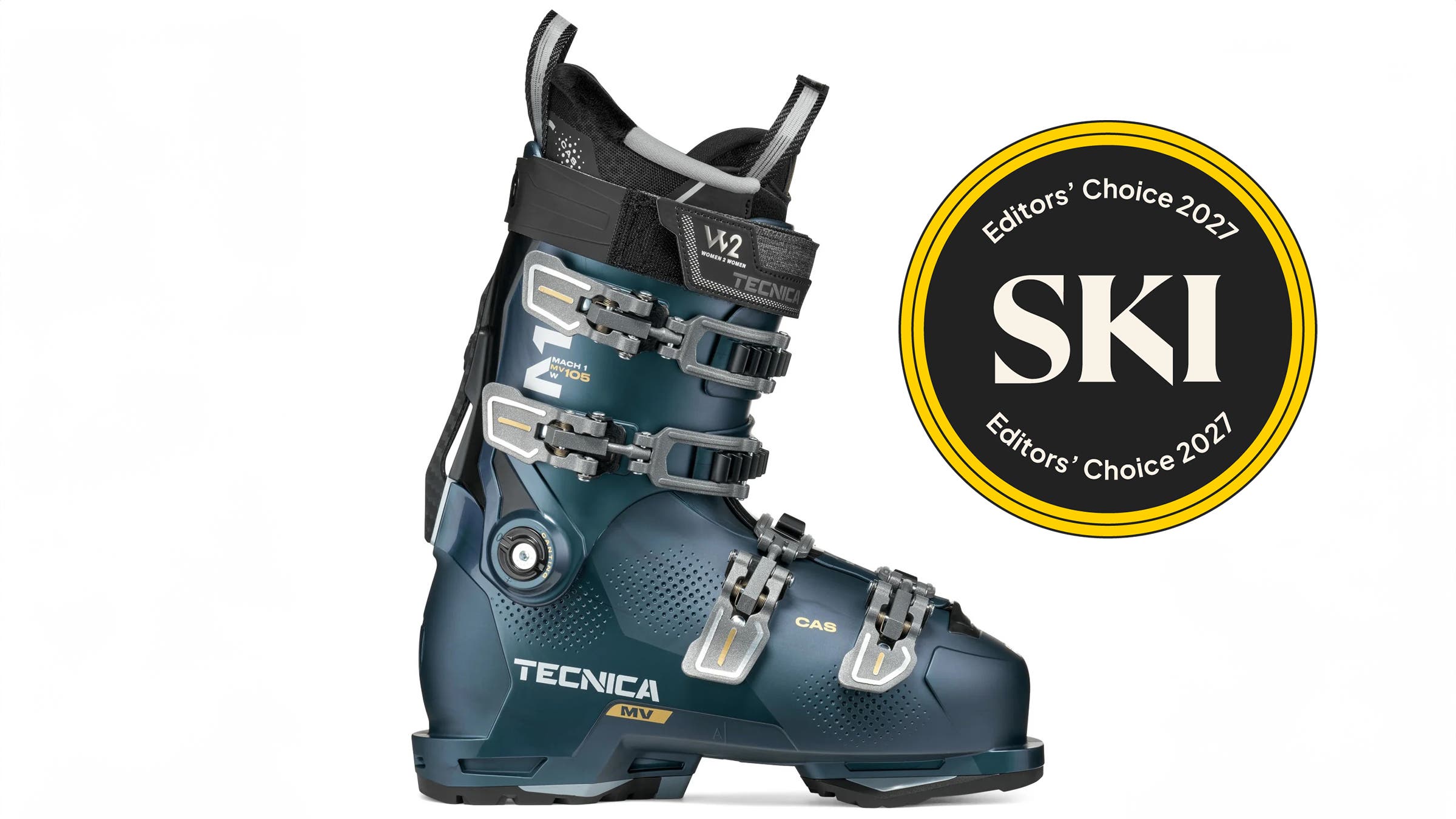
At the pinnacle of the all-mountain category sits the Tecnica Mach1 MV W TD2 (priced from $700). Evaluators awarded it Editors Choice honors, praising its updated shell and liner architecture. For over ten years, the Mach1 series has maintained a loyal following, but the 2027 iteration successfully addresses historical entry friction while introducing a new T-Drive 2.0 cuff connection. Paired with a lighter Grilamid cuff, the boot delivers a snappy flex feel and rapid edge response without requiring an overly aggressive stance. While a few testers noted minor ankle pocket bite initially, the overall consensus designated it as the most versatile high-performance all-mountain boot of the class.
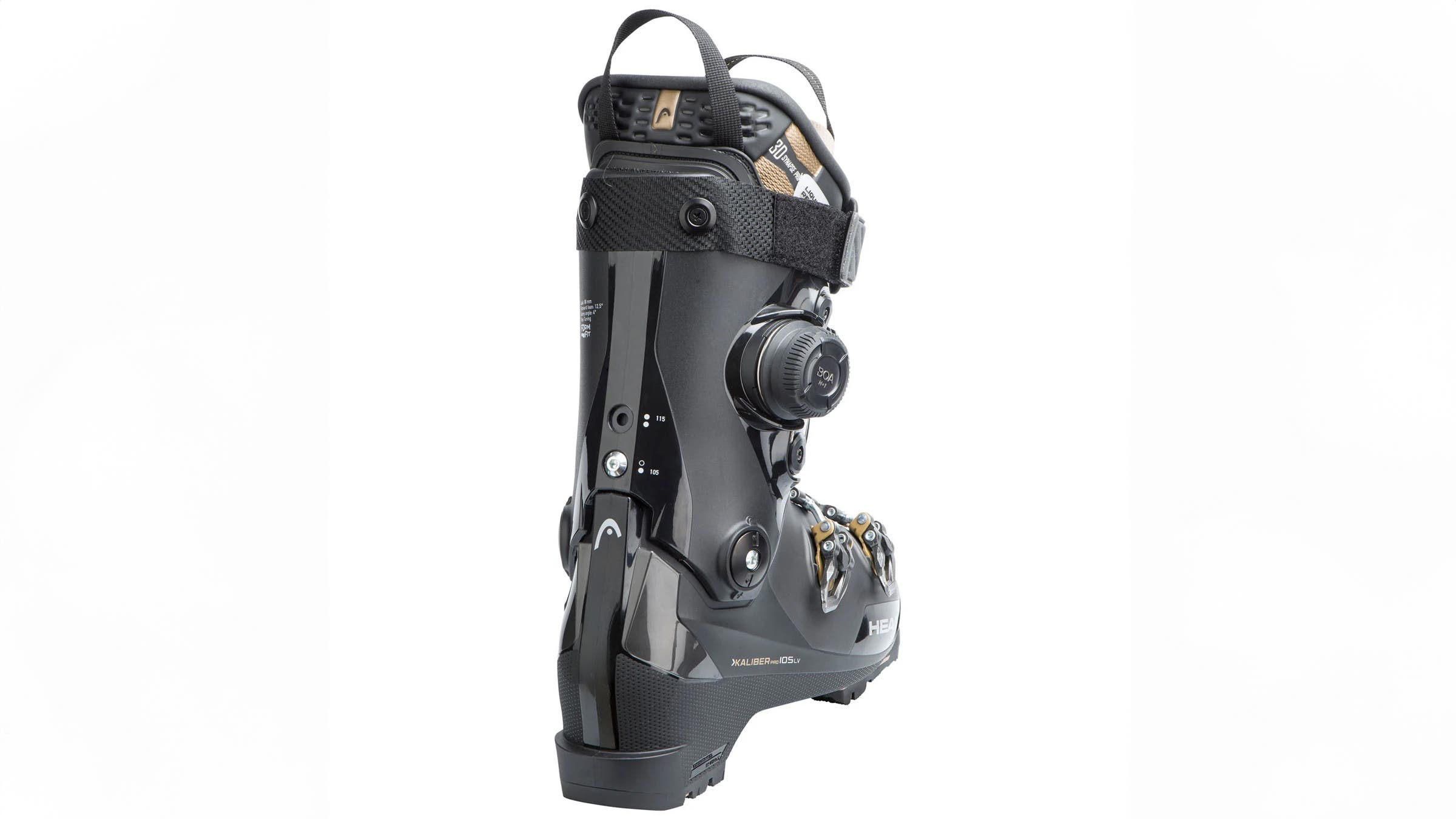
For skiers seeking a balance of comfort, ease of use, and adaptability, the Head Kaliber Pro W LV BOA (starting at $550) emerged as the "Best for Most." Occupying the elusive middle ground between a true low-volume and medium-volume fit, the Kaliber Pro features a clean lower shell design, traditional lower buckles for independent zone adjustments, and a BOA-driven upper cuff. The boot allows for straightforward customization; while shipped with a responsive 105 flex, it can be mechanically modified via included hardware to a stiffer 115 flex, accommodating heavier or more aggressive skiers.
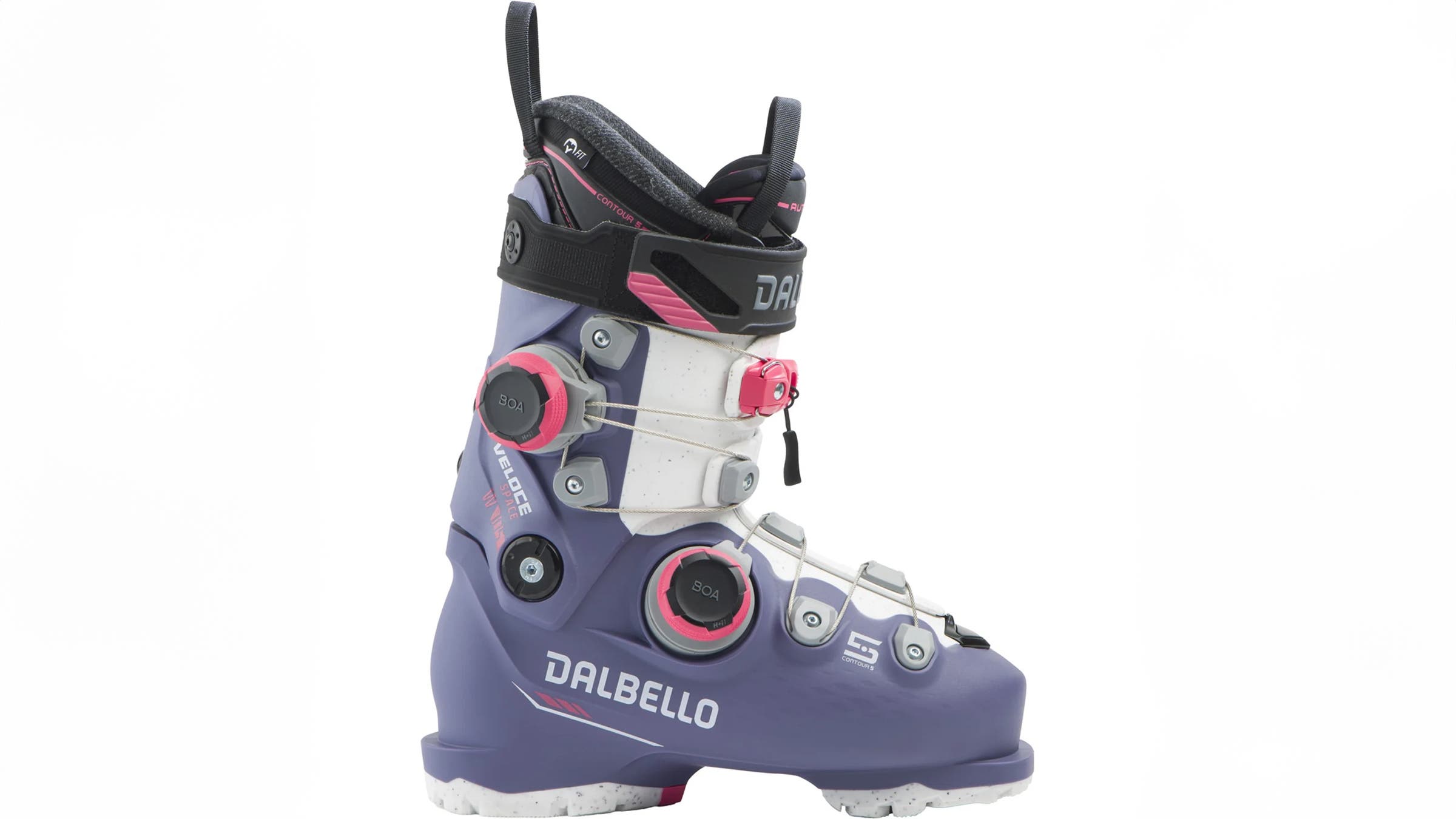
Value-conscious consumers found exceptional performance in the Dalbello Veloce Space Dual W ($830). Utilizing a dual-BOA system, this medium-last boot provides precise micro-adjustment across the foot and lower leg. Despite an initial learning curve associated with the dual cabling, evaluators confirmed that the polyurethane shell offers stability and edge control comparable to models priced significantly higher, securing its status as the top value pick of the test cycle.
Addressing Comfort and Specialized Anatomical Needs
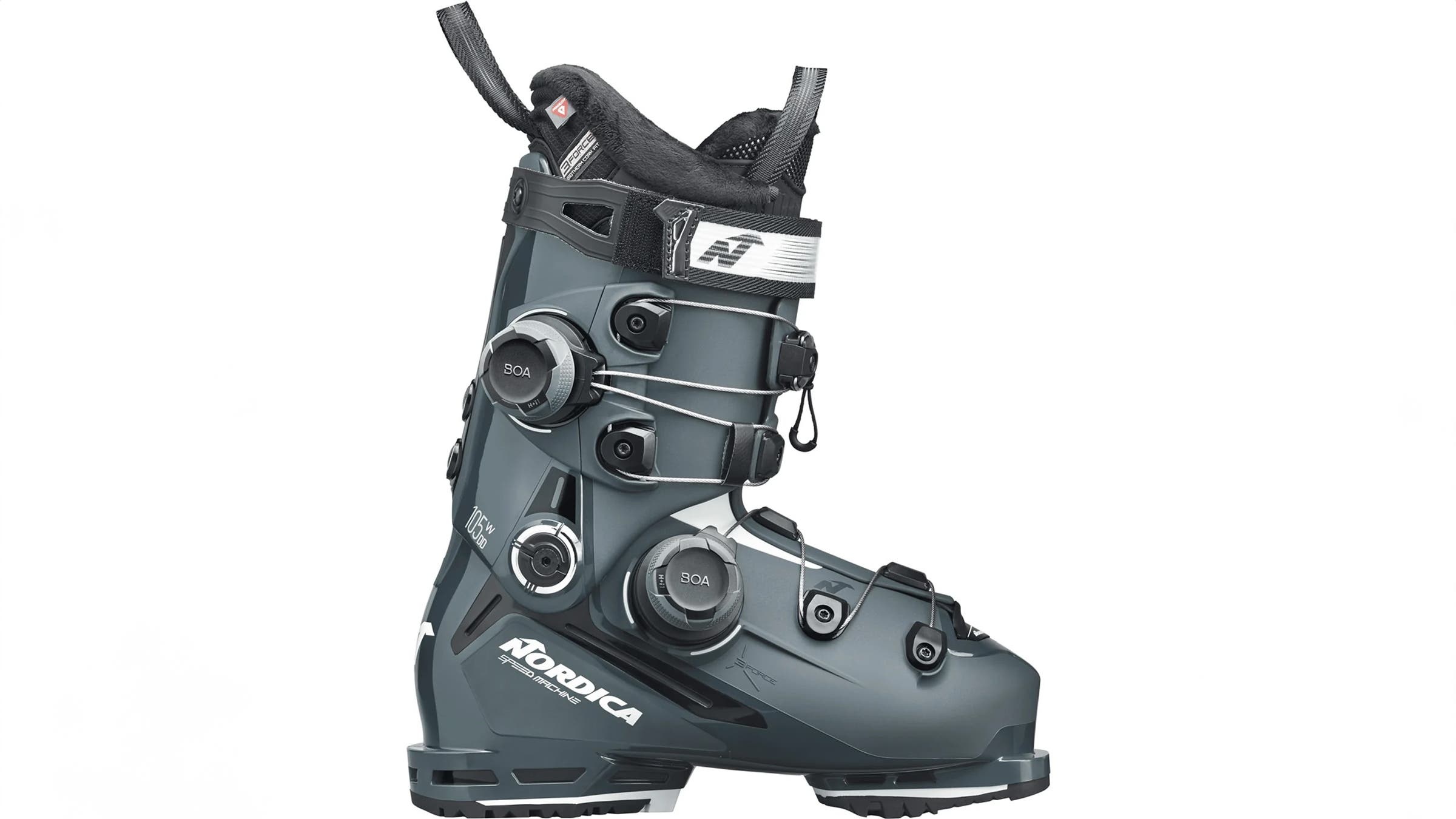
Comfort in alpine skiing remains a subjective metric, yet manufacturers continue to refine internal dimensions to cater to diverse foot morphologies. The Nordica Speedmachine 3 W BOA DD (starting at $700) captured the "Most Comfortable" designation for the 2027 season. Designed with a 100mm last, it targets average-volume feet while offering a secure heel and ankle hold that satisfies narrower-footed skiers. The inclusion of a Double Dial (DD) BOA system allows for fine-tuning over an already accommodating chassis, though evaluators noted that the stiffer 115 flex version requires deliberate effort during entry.
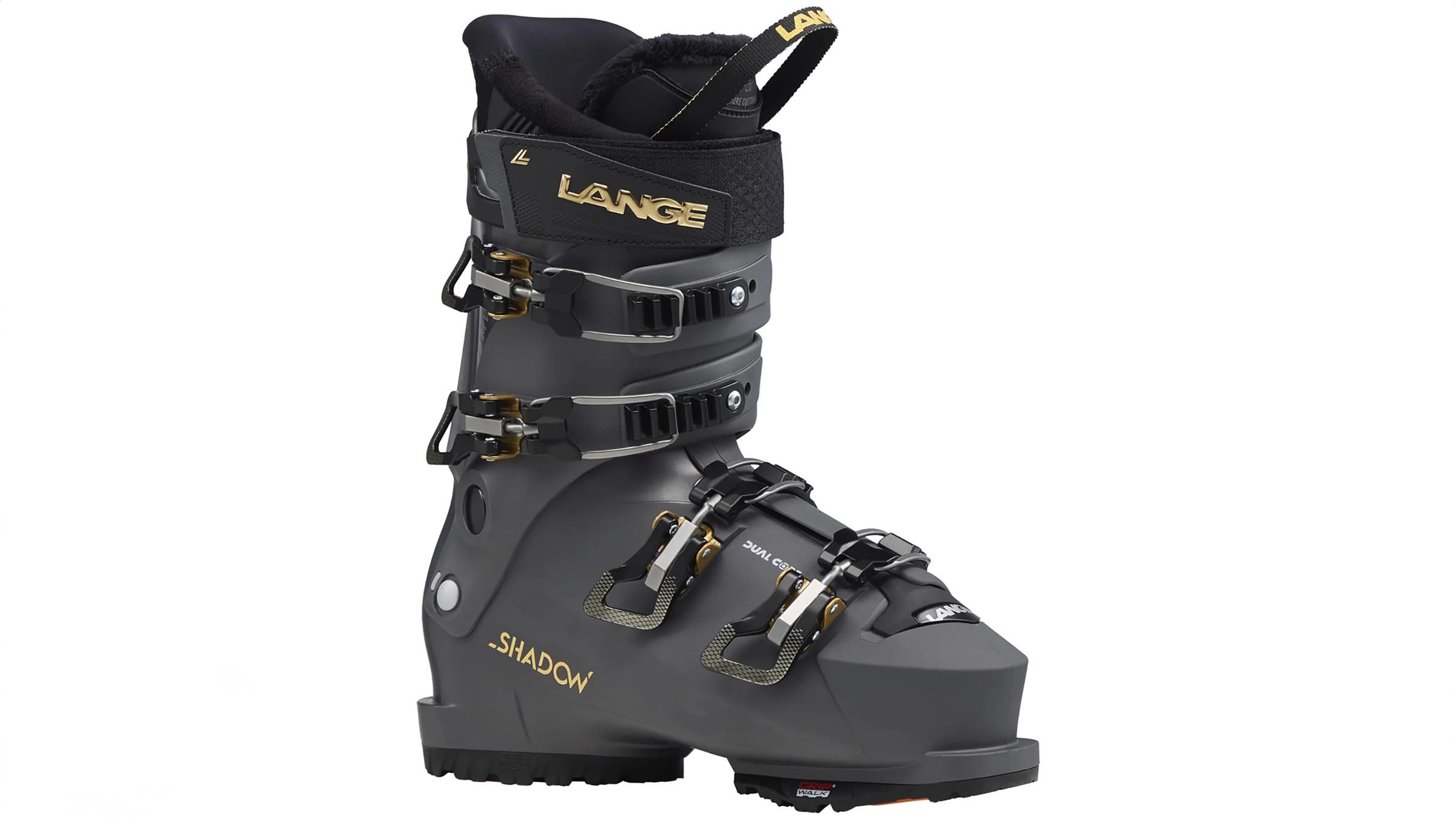
For expert skiers demanding uncompromising power transmission and high-speed stability, the Lange Shadow W MV (starting at $600) proved exceptional. Utilizing a multi-point cuff anchor equipped with rubber-bushing dampeners, the Shadow minimizes wasted energy and translates subtle forward ankle movements directly into the ski’s tips. An updated liner featuring heat-moldable EVA-foam ankle pockets successfully reduced heel slippage and minimized pack-out by approximately 15 percent, delivering precise steering for technical carving enthusiasts.
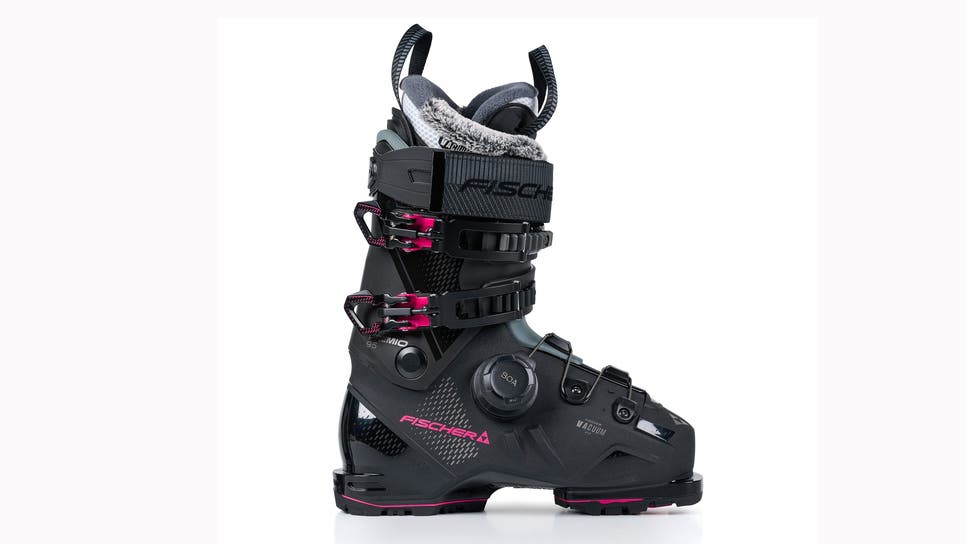
At the broader end of the anatomical spectrum, the Fischer Premio BOA ($550) shattered historical limitations associated with wide-last ski boots. Earning a maximum volume score across all measured zones, the Premio features a distinctively square toe box that allows the forefoot to spread naturally. Unlike predecessor models in the high-volume category that often sacrificed edge control for interior space, the Premio maintains a planted, stable platform, proving that wide-footed skiers no longer need to sacrifice performance for comfort.
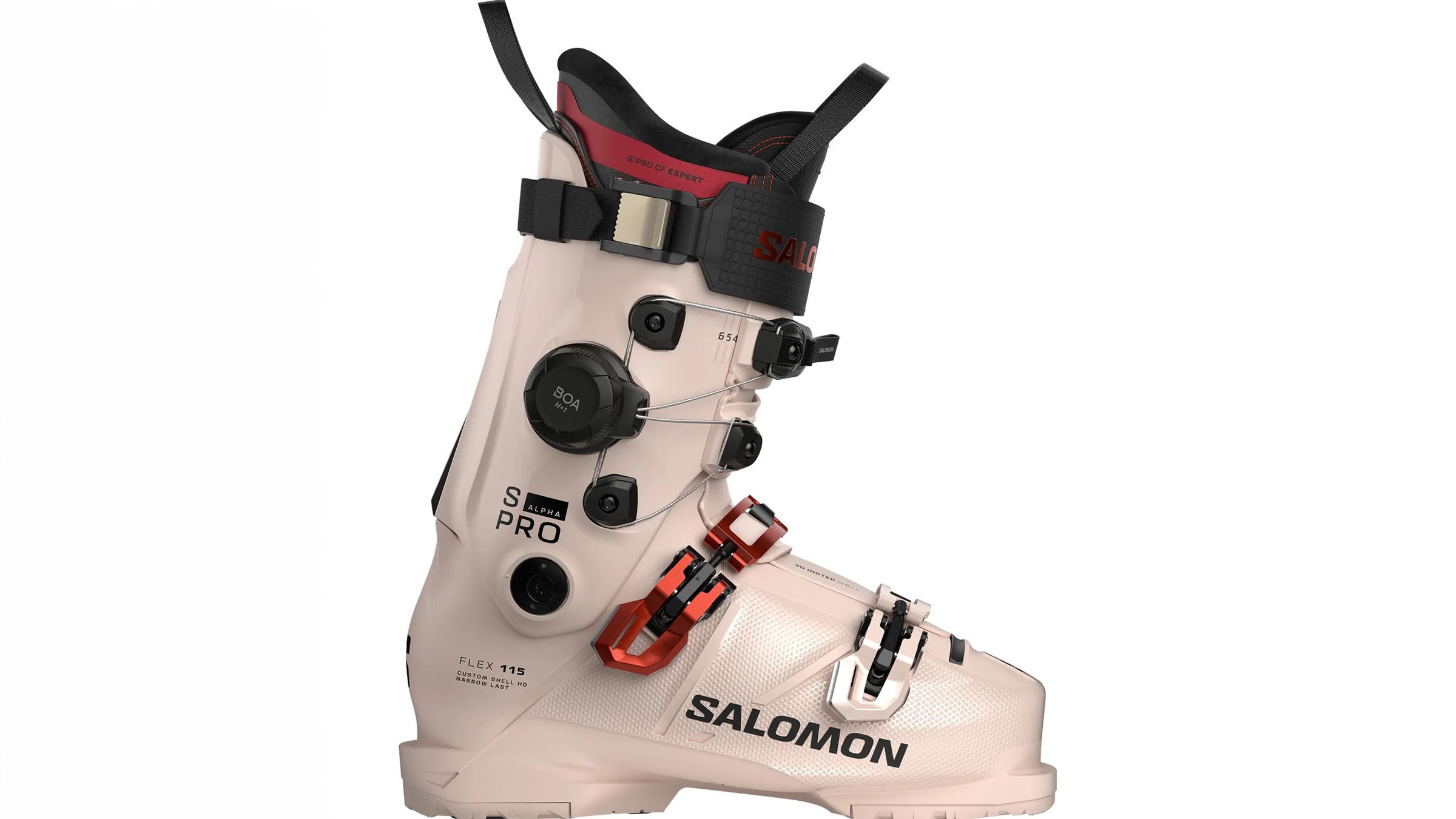
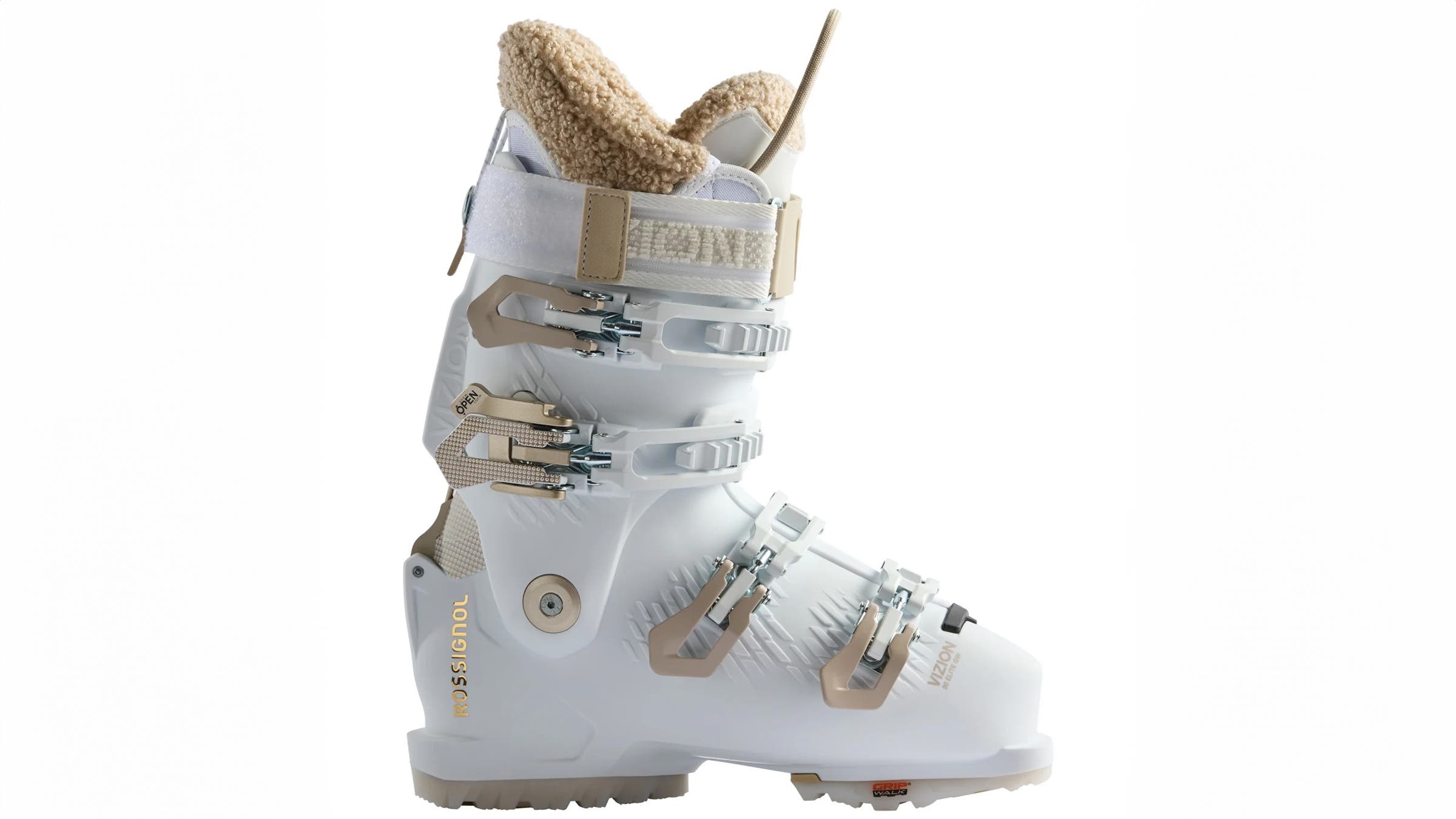
Conversely, skiers with slender legs and low-volume feet found their ideal match in the Salomon S/Pro Alpha C BOA W (starting at $650). Omitting the traditional inside-ankle pivot point in favor of the polyurethane ExoDrive cuff, this model delivers a snug, wraparound fit designed to maximize lateral response. Meanwhile, the Rossignol Vizion 4B Elite W ($700) revolutionized the convenience sector by introducing a rear-hinging cuff release mechanism, earning the title of "Easiest On/Off" boot. Designed primarily for recreational cruisers and skiing parents, it pairs a plush, warm interior with sufficient structural integrity to navigate the entire mountain.
Analysis of Broader Industry Implications
The commercial availability of these 2027 models underscores a broader maturation within the ski boot industry. The widespread adoption of BOA technology—moving beyond simple cable tightening to sophisticated, multi-zone wrapping systems—indicates that traditional four-buckle plastic overlaps are no longer the default standard for performance. Manufacturers are successfully decoupling ease of entry from structural rigidity, allowing skiers to enjoy high-flex, powerful edge-control platforms without enduring the physical strain historically associated with race-adjacent gear.
Furthermore, the emphasis on targeted anatomical tailoring reflects a data-driven understanding of consumer demographics. As participation among female skiers continues to grow, equipment manufacturers are investing heavily in localized shell geometries and modular components that reduce the need for extensive, costly aftermarket modifications.
Consumer Guidance and the Role of Professional Bootfitters
Despite the advanced engineering highlighted in the 2027 testing data, industry experts emphasize that catalog specifications and review scores cannot replace professional consultation. Foot morphology involves complex three-dimensional measurements that extend beyond simple Mondopoint length and last width.
Mark Elling, a veteran bootfitter, PSIA-certified instructor, and coordinator of the Masterfit test protocol, stresses that selecting the correct ski boot requires careful consideration of personal skiing style, structural alignment, and individual tolerance for pressure points. Because retail ski boots feel substantially softer at room temperature than they do in sub-freezing mountain environments, consumers are strongly advised to purchase equipment through specialty ski shops where certified bootfitters can perform shell expansions, custom footbed integration, and thermal liner molding. By combining advanced factory innovations with professional retail customization, skiers can ensure optimal performance, warmth, and control for the duration of the winter season.

