
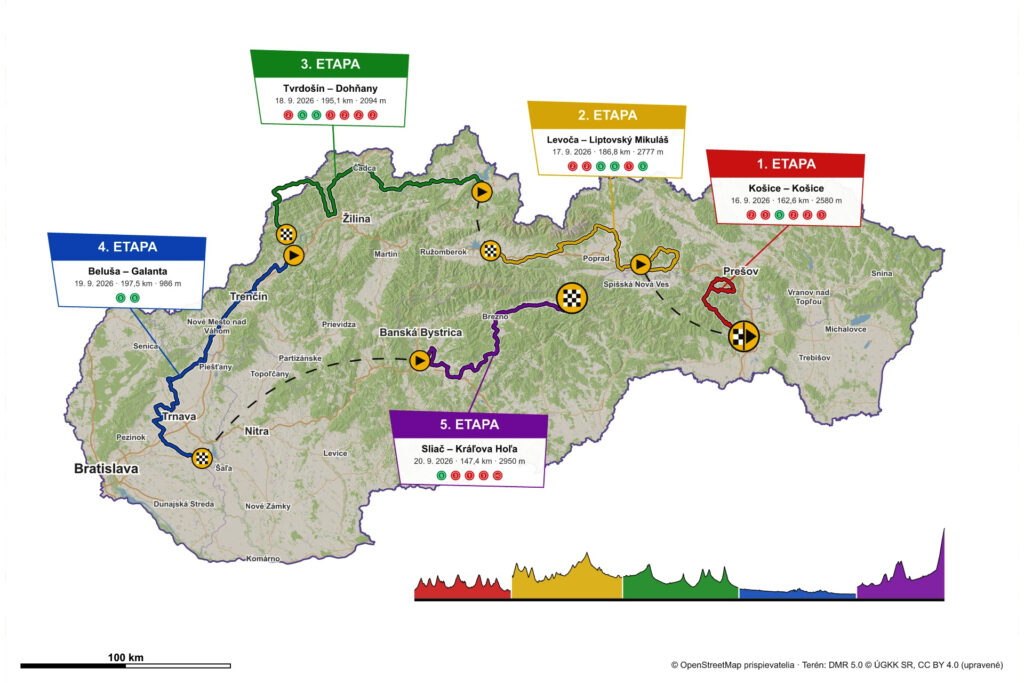
The opening stage of the 2026 Tour of Slovakia represents a quintessential tactical dilemma for the peloton, as 163 kilometers of undulating terrain between start and finish in the historic city of Košice sets the stage for a dramatic showdown. With five categorized climbs peppered throughout the route, the race organizers have created a profile that invites aggressive racing from the outset, forcing team directors to decide whether to commit their resources to a controlled chase or to permit a long-range breakaway to contest the inaugural victory.
The Geography of the Route
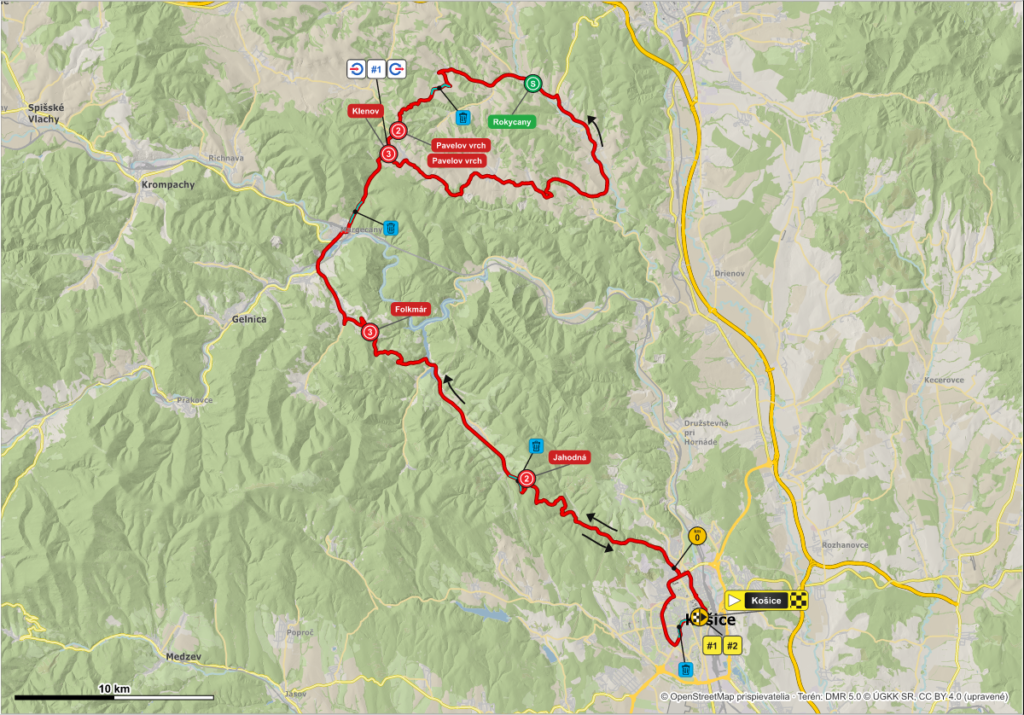
The course profile for this opening stage is deceptively challenging. While none of the five categorized ascents are classified as high-mountain obstacles, the cumulative elevation gain, combined with several unlisted, sharp inclines, threatens to fatigue the pure sprinters long before they reach the final kilometer. The route leads the riders northward from Košice, traversing the scenic but demanding landscape of eastern Slovakia, before looping back toward the urban center for what is expected to be a high-speed, albeit selective, finale.
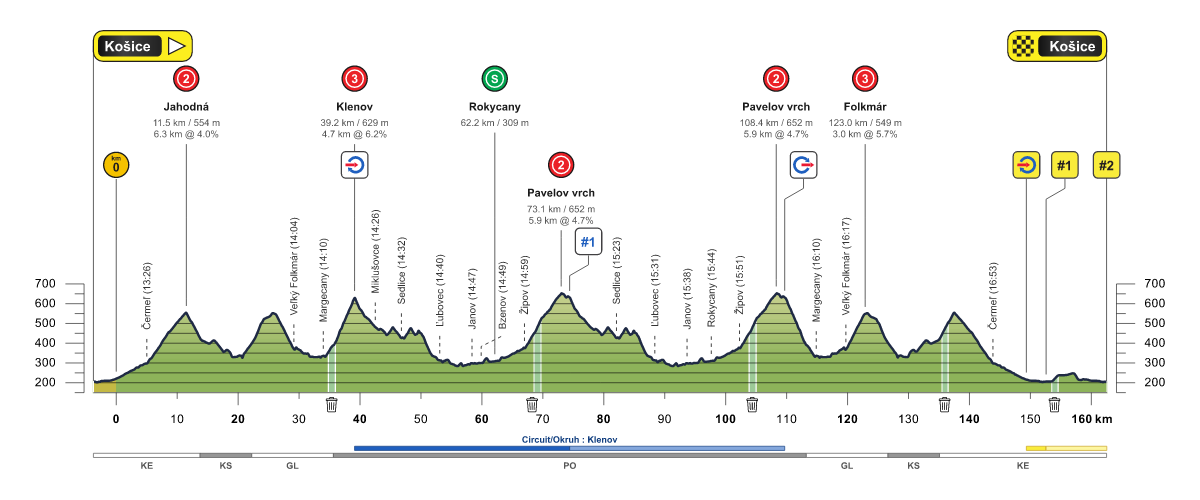
The final categorized climb of the day occurs at the 123-kilometer mark. This leaves a significant 40-kilometer window for teams to organize their pursuits. This gap is the critical variable: if a breakaway group establishes a substantial lead before this final peak, the peloton’s chase must be surgical and highly coordinated to reel them in. Conversely, if the pace remains high over the final hills, the peloton may fracture, leaving only the most resilient sprinters to contest the win.
A Historical Perspective on the Opening Stage
In the previous year’s edition of the Tour of Slovakia, Soudal Quick-Step’s Paul Magnier secured a victory in Košice, demonstrating that the finish is well-suited to riders with high technical proficiency and a powerful finishing kick. However, the 2026 edition introduces subtle variations in the route that may undermine the dominance of traditional sprint teams. The tactical landscape has evolved, with more WorldTour teams prioritizing versatility over pure speed.
The presence of three WorldTour squads in this year’s start list places the burden of control on their shoulders. These teams generally dictate the tempo of the race, and their strategic choices during the first 100 kilometers will determine the viability of any early-race moves. Historically, the Tour of Slovakia has served as a pivotal testing ground for emerging talents, and the pressure on these WorldTour teams to manage the race often allows smaller, continental-level teams to punch above their weight by animating the breakaway.
Strategic Implications and Tactical Considerations
The race features a single intermediate sprint located in the town of Rokycany, situated just before the route pivots back toward the south. With 20 points awarded to the stage winner and only six points allocated to the winner of the intermediate sprint, the victor of the first stage is almost mathematically guaranteed to don the leader’s green jersey. This serves as a powerful incentive for teams to commit their lead-out trains early in the day.
The time bonuses available—10, 6, and 4 seconds for the top three finishers—further complicate the math for general classification (GC) contenders. Even at this early stage, every second counts. If a breakaway is allowed too much freedom, the GC riders may be forced to emerge from the protection of their teammates to close the gap, potentially sacrificing energy that will be needed in the subsequent stages of the tour.
Chronology of the Race Day
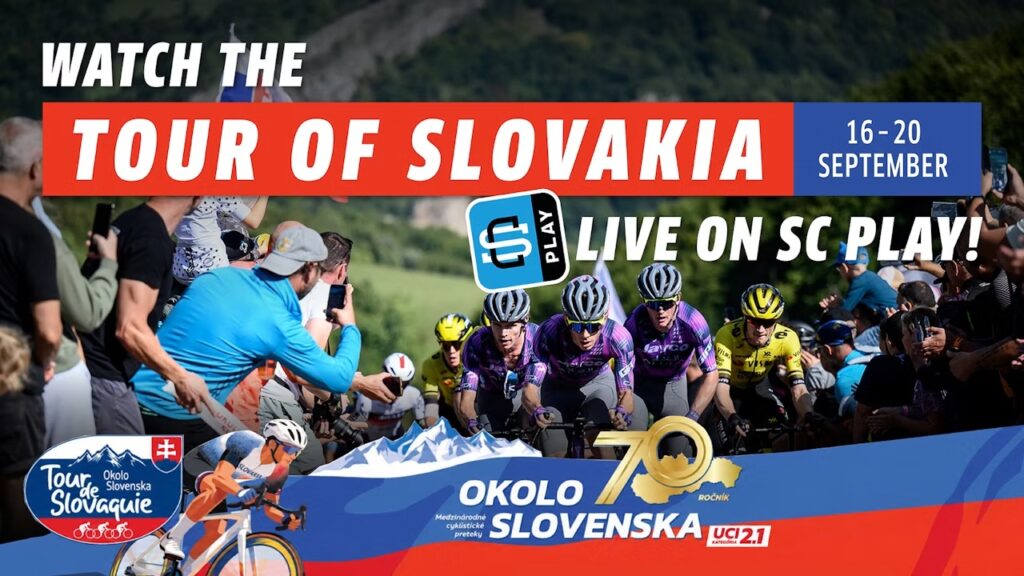
The stage is scheduled to commence in the heart of Košice, with riders expected to reach the finish line between 17:06 and 17:29 local time. The initial phase of the race will likely be characterized by a flurry of attacks as smaller teams look to secure a spot in the day’s "break of the day." Establishing a presence in the breakaway is a priority for teams seeking exposure, particularly when the broadcast coverage on platforms such as SC Play commences at 14:30.
The mid-race period will see the peloton navigate the series of categorized climbs. It is during this stretch that the composition of the breakaway will be solidified. Should the weather conditions—specifically wind speed and direction—prove challenging, the peloton may experience "echelons," or wind-split groups, which could effectively end the chances of any riders caught in the trailing sections.
The Role of WorldTour Teams
The presence of WorldTour organizations acts as the primary stabilizer for the race. These teams typically employ a "control and contain" strategy, keeping the breakaway on a "leash" that rarely exceeds three to four minutes. Their goal is to keep the race together for a sprint finish, thereby protecting their designated sprinters and ensuring they remain in contention for the overall points classification.
However, if the pace set over the climbs is high enough to shed the heavier sprinters, the tactical outlook shifts immediately. In such a scenario, the race turns into an attritional battle, favoring "puncheurs"—riders who excel on short, steep inclines and possess the explosive power to finish from a small group. Team directors will be monitoring the gap to the breakaway with heightened intensity, as the final 40 kilometers will be ridden at near-threshold heart rates.
Data and Metrics for the Pelotons
To analyze the difficulty of Stage 1, one must look at the specific parameters of the climbs. While the official categorization suggests a manageable day, the technical nature of the descent leading into the final 20 kilometers is a known bottleneck. Riders who have not conserved their energy during the initial 120 kilometers will find the descent and the subsequent run-in to Košice particularly taxing.
- Stage Distance: 163 km
- Categorized Climbs: 5
- Intermediate Sprints: 1 (Rokycany)
- Time Bonuses: 10s, 6s, 4s for podium finishers
- Green Jersey Points: 20-15-12-10-8-6-4-3-2-1
- Broadcast Start: 14:30 (SC Play)
These figures indicate a high-stakes, high-tempo race. The concentration of points at the finish line suggests that the peloton will be highly motivated to keep the breakaway within reach, as the sprinters’ teams will not want to relinquish the early advantage in the green jersey competition.
Implications for the Remainder of the Tour
The result of this first stage will establish the hierarchy for the remainder of the week. A victory for a sprinter will likely lead to a defensive race in the following stages, as their team will assume the responsibility of defending the leader’s jersey. Conversely, if a breakaway succeeds, the race dynamics will be blown wide open, forcing the favorites and their teams to be much more aggressive in the second and third stages.
Furthermore, the Tour of Slovakia serves as a crucial development platform for young cyclists. Many of the riders in the current start list are looking to secure professional contracts for the following season. A strong showing on the first day, whether through a gutsy breakaway or a well-timed sprint, is often the catalyst for a breakthrough career moment.
Expert Analysis and Expectations
From a logistical standpoint, the race organizers have ensured that the finish in Košice is as spectator-friendly as possible, with the route passing through key landmarks before the final sprint. The city, known for its vibrant atmosphere, typically draws large crowds, adding to the pressure on the riders.
While it is tempting to predict a mass sprint, the current trend in modern professional cycling favors more aggressive, unpredictable racing. The "classic" style of racing, where teams allow a break to go and then chase it down with surgical precision, is increasingly being challenged by teams who prefer to force a selection earlier in the day. Given the undulating profile of the Slovakian terrain, there is a high probability that the winning move will be initiated by a group of riders who are capable of navigating the final climb at a higher intensity than the rest of the pack.
Conclusion
As the riders assemble in Košice, the atmosphere is one of focused anticipation. The tactical interplay between those who want a bunch finish and those who seek to disrupt it will be the defining narrative of the first stage. Whether the day ends in a spectacular photo finish on the main thoroughfare of the city or a solitary rider crossing the line with a hard-fought lead, the 2026 Tour of Slovakia promises to be a showcase of tactical brilliance and physical endurance. The world of cycling will be watching closely as the peloton navigates the challenges of the Slovakian landscape, setting the tone for what is shaping up to be an intensely competitive race.

