
Even though gravity does much of the work during a descent, alpine skiing remains one of the most physically demanding sports in the world. As winter approaches, skiers ranging from weekend warriors to elite competitors are turning their attention toward pre-season conditioning. While raw leg strength is frequently cited as the primary requirement for mastering steep back bowls, moguls, and high-speed carving, modern sports science reveals that true alpine fitness requires a more sophisticated attribute: power endurance.
Recognizing this physiological demand, veteran trainer and elite ski coach Chris Miller has released an updated, comprehensive training curriculum designed to prepare athletes for the rigors of the upcoming season. Drawing on years of experience conditioning top-tier international ski racers, Miller’s methodology bridges the gap between muscular strength and cardiovascular stamina, offering a blueprint for maximizing performance from the first chair to the final run.
Understanding Power Endurance in Alpine Skiing
Power endurance is defined as the musculoskeletal and cardiovascular ability to repeatedly generate high-intensity muscular force over an extended period without significant drops in performance. In the context of alpine skiing, this translates to the capacity to absorb violent terrain changes, execute precise edge sets, and maintain a stable, athletic stance for hours at a time.
During a typical top-to-bottom run, a skier’s quadriceps, glutes, and core are subjected to continuous eccentric loading—muscles lengthening under tension to decelerate the body and control momentum. This creates immense micro-trauma and metabolic fatigue. Without adequate power endurance, lactic acid accumulation and central nervous system fatigue set in rapidly. The consequences of this fatigue are well-documented among orthopedics and ski patrollers: deteriorating technique, delayed reaction times, compromised joint stability, and an exponentially higher risk of lower-extremity injuries, particularly anterior cruciate ligament (ACL) tears.
According to sports physiologists, incorporating plyometric circuits, explosive multi-directional movements, and core stability exercises into a pre-season regimen reprograms the neuromuscular system. It trains muscle fibers to fire efficiently under distress, allowing skiers to maintain pristine form even when tackling late-afternoon crud or steep, icy chutes.
The Evolution of Ski Conditioning: From Bulk Strength to Functional Agility
Historically, pre-season ski training focused almost exclusively on high-repetition weightlifting or static wall sits to build massive quads. However, modern athletic development has shifted toward functional, movement-based conditioning that mirrors the dynamic environments found on the mountain.
Coach Chris Miller’s training program reflects this evolution. Rather than isolating individual muscle groups in a traditional bodybuilding format, Miller’s routines emphasize integrated, multi-plane movements. The curriculum focuses on three foundational pillars: dynamic mobility, lower-body explosive power, and trunk anti-movement stability.
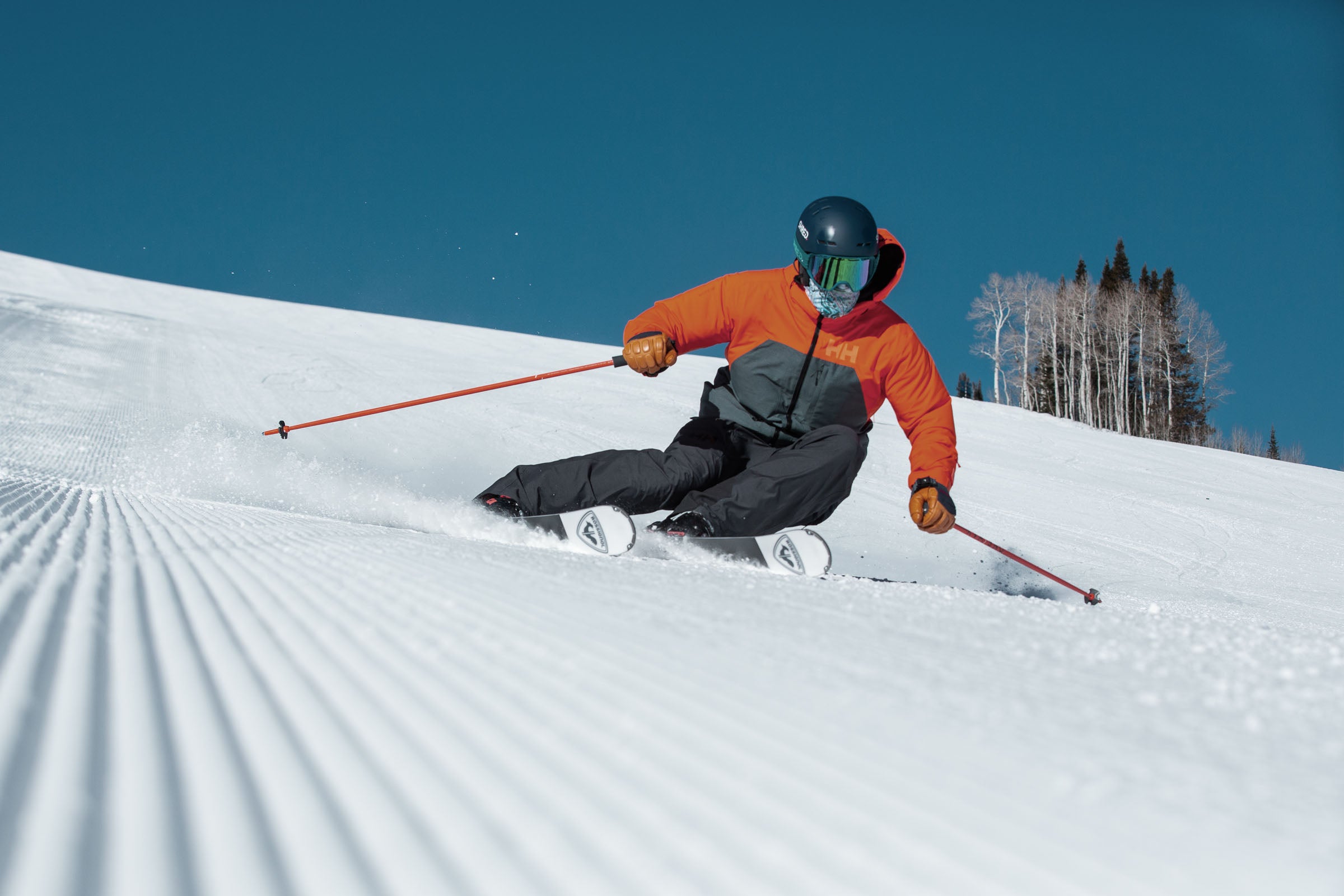
This multi-tiered approach addresses the specific biomechanical demands of modern parabolic skis. Because contemporary carving skis generate immense G-forces through clean arcs, the skier’s core and lower extremities must act as dynamic shock absorbers. Training programs that neglect rotational stability and deceleration mechanics leave athletes ill-prepared for the lateral forces encountered at high speeds.
Breakdown of the Miller Method Power Endurance Routine
To help athletes achieve optimal physical readiness, Miller’s updated pre-season framework is structured into a logical sequence of warm-ups and high-intensity circuits. Designed to be accessible yet intensely challenging, the routine requires minimal specialized equipment—primarily bodyweight, a sandbag, and adequate floor space.
1. The Cardiovascular and Mobility Warm-Up
Before initiating explosive movements, raising the core body temperature and lubricating the joints is critical to injury prevention. The warm-up phase begins with a targeted cardiovascular activation, transitioning seamlessly into a quadruped mobility series performed for six repetitions per side. This sequence activates neglected stabilizing muscles in the shoulders, hips, and thoracic spine.
Following the quadruped series, athletes transition into a dynamic lunge series (two repetitions per side) designed to open up the hip flexors and ankles—two critical joints that frequently experience restricted mobility in ski boots. The warm-up concludes with a dynamic movement series (six repetitions per side) that elevates the heart rate and primes the central nervous system for the explosive work to follow.

2. Power Circuit No. 1: Lower-Body Explosive Endurance
The first primary circuit targets the legs and lower kinetic chain, utilizing a sandbag series to introduce variable, shifting resistance. This mimics the unpredictable nature of skiing through variable snow conditions, crud, and powder.
The leg circuit requires athletes to perform four continuous sets of exercises with zero rest between individual movements, followed by a strict 45-second recovery window between full sets. This structure forces the cardiovascular system to clear metabolic waste while the muscles remain under a state of high-intensity stress, directly replicating the physiological demands of a sustained, aggressive ski run. Exercises such as skater hops and weighted lunges build lateral stability and single-leg power, ensuring that both the dominant and stabilizing legs can handle asymmetric loads during turns.
3. Power Circuit No. 2: Trunk and Core Anti-Movement Stability
While leg strength receives the majority of the attention, the core is the literal and figurative anchor of a skier’s balance. Without a robust trunk, power generated in the legs leaks out, leading to an unstable upper body and erratic edge engagement.
Circuit No. 2 focuses on core "anti-movement"—the ability of the spine and pelvis to resist unwanted rotation, flexion, or extension when external forces are applied. Incorporating movements such as the dead bug exercise (performed across three sets with 45 to 60 seconds of rest between sets), this circuit trains the deep abdominal wall, transverse abdominis, and obliques to maintain a rigid, supportive cylinder around the spine. This stability allows skiers to isolate their lower body movements while keeping their upper torso quiet and pointed down the fall line.
Broader Implications and Industry Impact
As the snow sports industry continues to grow—with millions of participants hitting domestic and international resorts annually—safety and performance education have become paramount. Equipment manufacturers have made significant strides in ski technology, producing wider, more versatile skis and advanced release bindings. However, industry analysts emphasize that technological advancements cannot entirely protect a skier from the physical consequences of poor conditioning.
Programs like Coach Chris Miller’s pre-season power endurance protocol represent a proactive shift in snow sports culture. By democratizing access to elite-level training methodologies through instructional media, fitness experts are helping to reduce the incidence of preventable early-season injuries. Resort medical clinics frequently report a surge in trauma cases during the opening weeks of winter, largely attributed to out-of-shape skiers attempting advanced terrain before their bodies are physiologically prepared.

Sports medicine professionals strongly advise integrating a structured, 6-to-8-week conditioning regimen prior to the first ski trip of the year. Consistency is critical; training two to three times a week using power endurance circuits ensures that the transition from a sedentary office environment or summer routine to aggressive alpine skiing is smooth and sustainable.
Preparing for Opening Day
With ski resorts across North America and Europe preparing their snowmaking infrastructure and anticipating strong visitor numbers, the window for pre-season preparation is rapidly narrowing. Athletes are encouraged to evaluate their current fitness levels, clear space at home, and incorporate targeted explosive endurance work into their weekly schedules.
By prioritizing power endurance, functional mobility, and core stability, skiers can transform their mountain experience. Rather than cutting ski days short due to heavy, burning legs or fatigue-induced mistakes, properly conditioned athletes can enjoy full, bell-to-bell days on the slopes—carving deeper, skiing faster, and returning home safely when the last chair closes.

