
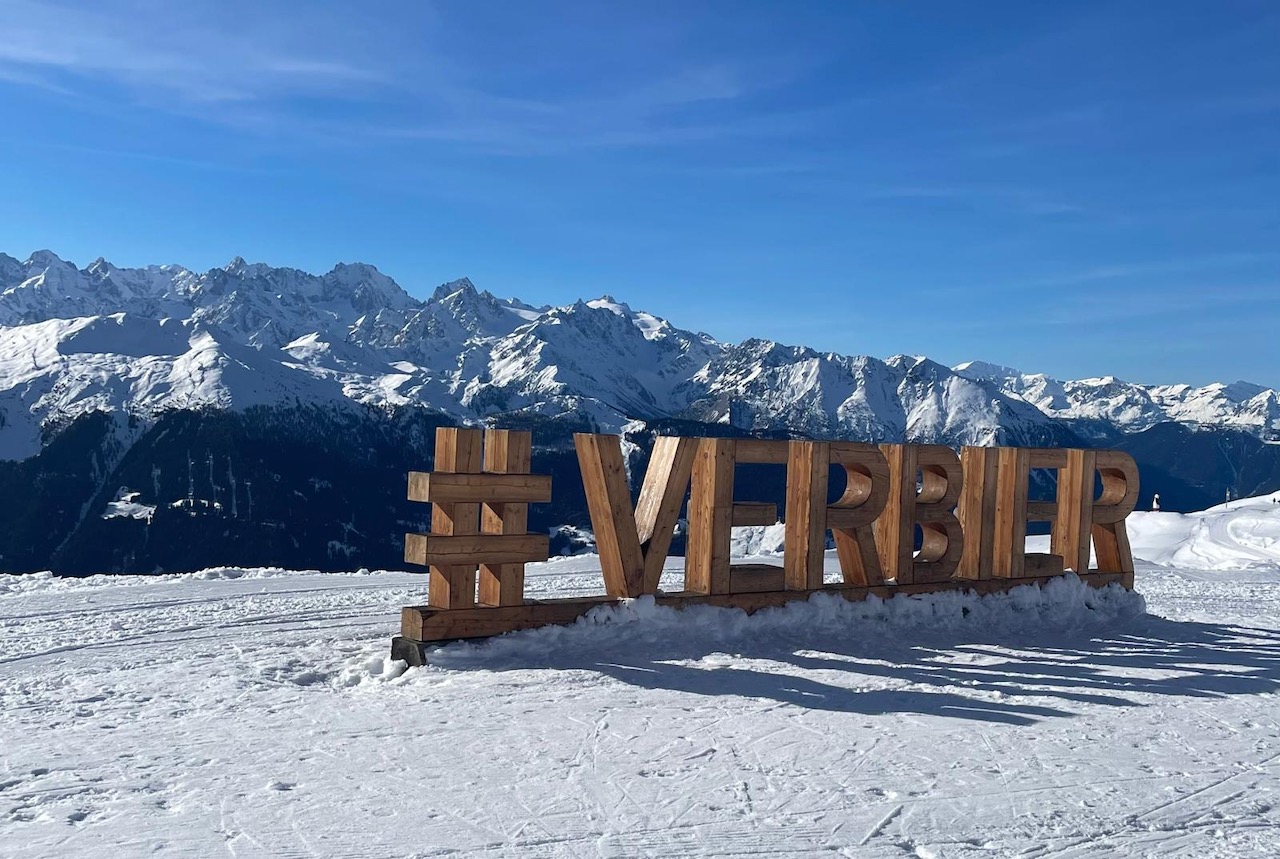
As the 2026/27 winter season approaches, Verbier, the crown jewel of the Val de Bagnes, is positioning itself for a transformative period. With the season scheduled to run from November 2026 through April 25, 2027, the resort is unveiling a suite of strategic infrastructure upgrades, enhanced logistical connectivity, and a renewed focus on its identity as a global hub for freeride skiing. These developments come at a pivotal time for the Swiss Alps, as resorts increasingly balance the demand for high-end hospitality with the necessity for sustainable, integrated transport solutions.
Enhanced Connectivity: The Rail Revolution
One of the most significant barriers to alpine travel has historically been the final-mile connection from international hubs. Addressing this, Verbier, in collaboration with regional transport authorities, has introduced a major logistical breakthrough: a direct weekend rail service from Geneva Airport to Le Châble.
Commencing December 13, 2026, the service will feature six direct trains on weekends, eliminating the previously required transfer at Martigny. By connecting seamlessly to the cable car network at Le Châble, the service reduces transit friction for international visitors—a critical improvement for the UK market, which remains the primary source of overseas tourism for the resort. Industry analysts suggest that this direct line will not only decrease the carbon footprint of arriving guests but also alleviate road congestion in the narrow Val de Bagnes during peak holiday periods.
Infrastructure and Mobility: The Esserts–Savoleyres Telemix
Within the ski area itself, the introduction of the Esserts–Savoleyres Telemix marks a sophisticated approach to resort circulation. This hybrid lift system is designed to streamline the flow of skiers between the main Verbier hub and the Savoleyres sector.
For years, the morning rush toward the Médran lift has created significant bottlenecks. The new Telemix, accompanied by a newly constructed piste connecting Le Carrefour to the departure station, provides a strategic alternative for skiers. By integrating the Les Ruinettes area more fluidly with the La Tzoumaz side, the resort is effectively de-congesting its central arteries. Furthermore, the design of the lift accommodates non-skiers, facilitating pedestrian access to mountain restaurants. This inclusivity is a deliberate attempt to cater to mixed-ability groups, allowing non-skiers to participate in the mountain experience without being relegated to the valley floor.
The Freeride Evolution and Olympic Aspirations
Verbier’s identity is intrinsically linked to its status as the "spiritual home" of freeride skiing, a reputation solidified by the annual Xtreme Verbier competition. As the International Olympic Committee continues to evaluate the integration of new disciplines, the prospect of freeride becoming an official Olympic sport has moved from speculation to a near-certain reality.
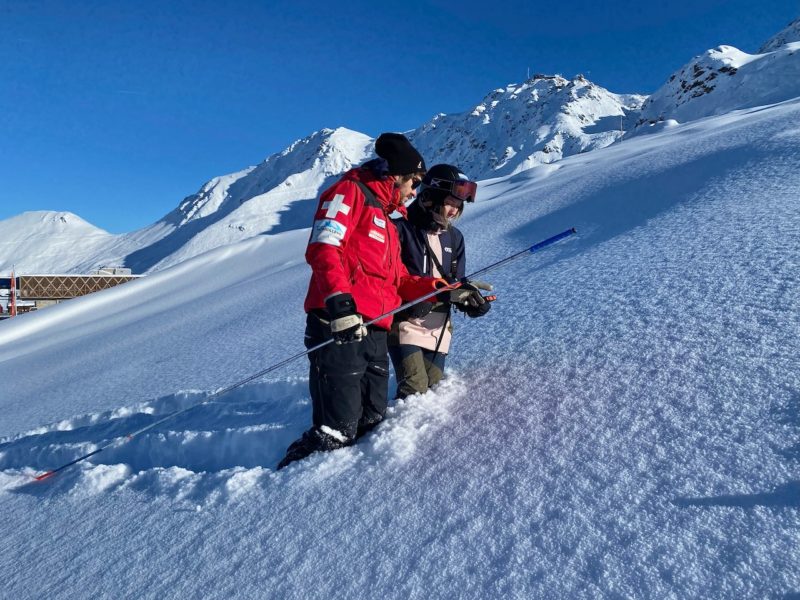
Verbier has been proactive in preparing for this shift. The resort has invested heavily in safety infrastructure, including the DVA (Digital Avalanche Transceiver) Park and advanced ski-touring instruction programs. These facilities are not merely for elite athletes; they are designed to bridge the gap between piste skiing and backcountry exploration. By providing structured, professional training in avalanche awareness and navigation, Verbier is encouraging a culture of safety that allows competent skiers to expand their range beyond the groomed trails. This emphasis on education is a strategic move to future-proof the sport as it moves toward the global Olympic stage.

Hospitality: A New Boutique Standard
The luxury accommodation landscape in Verbier is notoriously tight, with only 14 hotels providing roughly 503 rooms, leaving the vast majority of visitors in private chalets or apartments. The December 2026 opening of a new 4-star Ski Lodge on Rue de la Poste represents a notable addition to the local hospitality inventory.
Developed by Norwood, the property is a study in modern alpine architecture. Comprising 36 suites, the hotel is designed with a specific focus on sustainability—a requirement for modern high-end developments in the Swiss Alps. Featuring Minergie certification, photovoltaic energy production, and district heating systems, the lodge serves as a pilot for the resort’s broader sustainability goals. With rates starting at approximately CHF 500 per night, the hotel targets a demographic seeking a balance between intimate boutique service and the functional convenience of proximity to the village’s primary lift infrastructure.
Diversification: Night Skiing and Cultural Integration
While Verbier is synonymous with world-class off-piste terrain, the resort is expanding its offerings in the valley to ensure year-round vibrancy. The village of Lourtier, situated approximately 15 minutes from Le Châble, serves as the stage for this expansion. The Dzora ski lift, now offering night skiing and sledging, provides a low-cost, high-engagement activity for families and groups looking to extend their time on the snow after the main resort lifts have shuttered for the evening.
Lourtier itself provides a necessary cultural counterpoint to the high-energy, international atmosphere of Verbier. Its preservation of traditional wooden architecture and slower pace of life allows visitors to experience the "Pays des Bagnes" in a more authentic, localized fashion.
Late-Season Strategy: The E.N.D Session
The financial health of any ski resort depends heavily on the strength of its end-of-season performance. With 63% of the ski area now supported by artificial snowmaking, Verbier is insulated against the volatility of early spring melt. The resort’s strategy to remain open until April 25, 2027, is bolstered by the "E.N.D Session," an end-of-season festival that combines live music, slope-side entertainment, and a series of large-scale events.
This initiative is aimed at maximizing occupancy during the shoulder season, offering better value for travelers while maintaining the high-energy, celebratory atmosphere that the resort has cultivated over decades. The success of the inaugural edition of this event has prompted local stakeholders to increase their investment in the 2027 closing celebrations, signaling a long-term commitment to extending the winter season.
Fact-Based Analysis: The Broader Impact
The cumulative effect of these changes is a more accessible, diversified, and sustainable Verbier. The integration of direct rail lines and the modernization of the lift system are not merely incremental upgrades; they are fundamental shifts in how the resort manages its human capital.
The reliance on the UK market—which accounts for a significant share of the resort’s 5,000 chalet beds and 1,300 hotel beds—necessitates this type of infrastructure evolution. By reducing transit times and diversifying the range of activities (from freeride training to night skiing), Verbier is insulating itself against the challenges of a changing climate and shifting tourist expectations.

Furthermore, the focus on the "4 Valleys" network, which encompasses 410km of pistes across six distinct villages, ensures that even during peak weeks, the resort can distribute its visitor volume more effectively. While the resort remains a high-end destination, the efforts to incorporate sustainable building practices and broader, multi-generational activities suggest a strategic pivot toward a more rounded, resilient tourism model.
Conclusion: A Season of Consolidation and Growth
As of late September 2026, the mood among local stakeholders and tourism boards is one of measured optimism. The combination of improved connectivity, new high-spec accommodation, and the ongoing professionalization of the freeride sector positions Verbier to maintain its standing among the world’s elite ski resorts.
For the upcoming 2026/27 season, the message from the Val de Bagnes is clear: Verbier is not simply resting on its reputation as a premier freeride destination. Instead, it is building the infrastructure necessary to meet the demands of the next decade, ensuring that whether visitors are looking for the extreme vertical of the Xtreme course or the quiet, traditional charm of a Lourtier night-skiing session, the destination remains as relevant as ever. The integration of these disparate elements—from the Olympic-grade freeride parks to the quiet, sustainable hotel suites—reflects a comprehensive vision of what a modern alpine resort should be in the late 2020s. With all systems slated for completion before the first major snowfalls of November, the region is fully prepared for a busy, efficient, and record-breaking winter season.

