
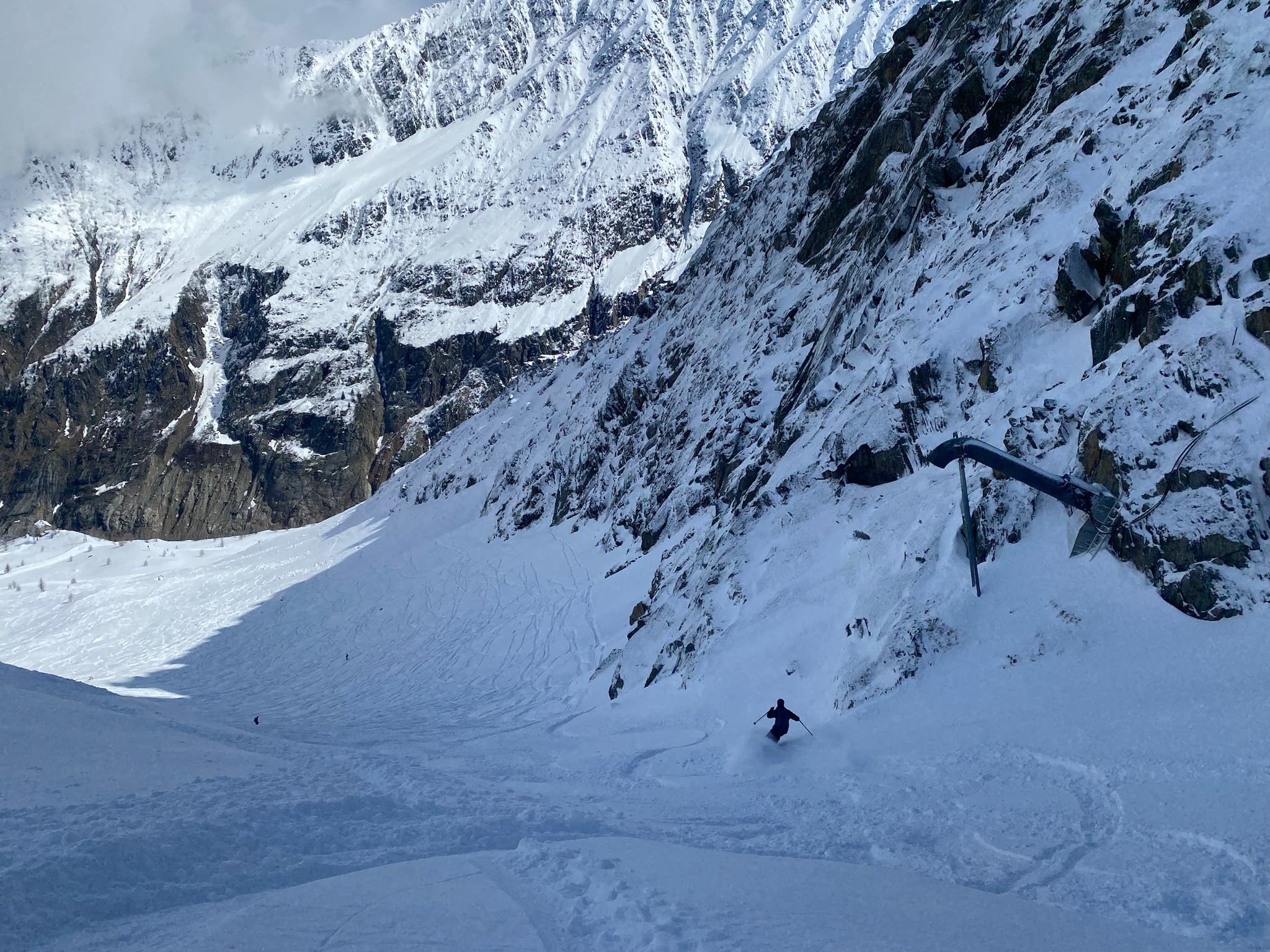
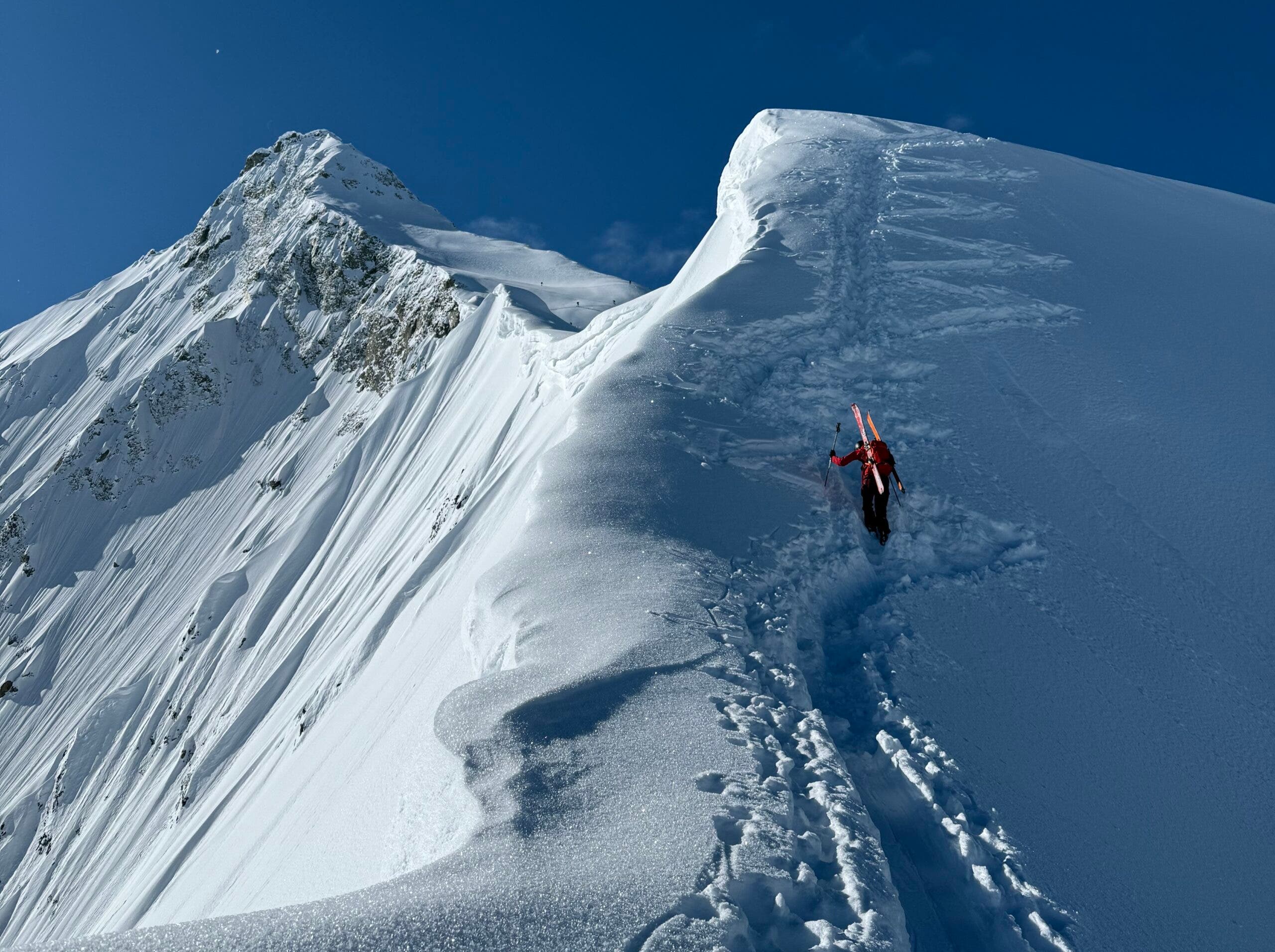
October 17, 2025, marks a notable shift in how winter sports enthusiasts view off-season conditioning, as fitness experts and veteran athletes increasingly point to targeted weight training as a primary defense against chronic sports-related injuries. Newton’s third law of physics states that every action has an equal and opposite reaction, a principle that frequently manifests in high-impact endurance sports like alpine skiing. While powder days deliver immense psychological and recreational rewards, the physical toll often materializes years later as chronic joint pain, muscle imbalances, and debilitating lower back injuries. For years, recreational and professional skiers alike accepted aches and pains as an inevitable consequence of the sport. However, a growing body of anecdotal evidence supported by sports science suggests that incorporating structured resistance training can effectively reverse these degenerative patterns, dramatically extending an athlete’s longevity on the slopes.
The Physical Toll of Alpine Skiing and Modern Sedentary Lifestyles
Alpine skiing places extraordinary demands on the human musculoskeletal system. The sport requires rapid, high-load transitions, rotational forces generated by the upper body, and continuous absorption of vertical impacts. For individuals who balance intense winter seasons with sedentary desk jobs, these biomechanical demands often expose profound underlying muscle imbalances.
Medical professionals and fitness physiologists indicate that the human body is not inherently engineered for the specific repetitive loads associated with skiing or prolonged sitting. Over time, physical inactivity weakens the posterior chain—the network of muscles spanning the backside of the body, including the hamstrings, glutes, and lower back—while overworking stabilizing joints. As individuals age, natural physiological declines reduce muscle malleability and responsiveness, increasing susceptibility to tears, chronic stiffness, and acute muscle spasms.
For many athletes, these cumulative strains reach a critical threshold in their early thirties. Lower back spasms, joint degradation, and persistent upper-limb discomfort from past fractures frequently force early retirements from the sport. Traditional management strategies, such as yoga, stretching, foam rolling, and rest days, often provide temporary relief but fail to address the core issue: structural muscle weakness and instability.
Chronology of Recovery: Transitioning from Passive Care to Active Resistance
For a significant portion of the skiing community, the journey toward resistance training begins only after traditional remedies fail. Historically, injured or sore skiers relied on passive recovery methods, including massage therapy, heat treatments, core-strengthening sit-ups, and cardiovascular adjustments like cycling or hiking. While these practices support general physical health, they rarely build the structural resilience required to protect the spine and joints against the high-torque environments of aggressive skiing.
When standard physical maintenance methods proved insufficient to prevent severe, bed-rest-inducing back spasms, affected athletes began exploring progressive resistance training regimens. Within the span of a single year, individuals who previously experienced decade-long bouts of chronic pain reported a transformative reduction in symptoms. By systematically loading the skeletal and muscular systems through controlled movements, participants observed restored mobility, reduced joint inflammation, and an overall physical capacity resembling that of their late teens.
Supporting Data and Expert Analysis on Musculoskeletal Health
Sports science and orthopedic research consistently highlight the physiological benefits of resistance training for endurance and high-impact athletes. According to fitness programmers and strength coaches, such as Franco Morris, Head of Program Delivery at a Sydney-based training facility, targeted muscle development does more than simply correct posture—it fundamentally alters bone and tissue composition.
"Building muscle promotes bone density, as well as adding cushioning tissue around bones," Morris explains, emphasizing the preventive nature of weight training.
Data from sports medicine journals indicate that resistance training increases tendon stiffness and ligament tensile strength, allowing joints to better withstand sudden torsional forces typically experienced during a ski fall or aggressive carve. Furthermore, structured weight programs counteract age-related sarcopenia—the gradual loss of skeletal muscle mass—ensuring that athletes maintain the necessary muscular armor to protect vulnerable joints well into their later decades. Experts note that the average person possesses substantial room for physical improvement, meaning that targeted conditioning can successfully counter the degenerative effects of aging and repetitive sport trauma for many years.
Official Recommendations for Skiers Initiating Resistance Training
Transitioning from alpine sports to the weight room requires a structured, deliberate approach to minimize injury risk and maximize functional strength. Fitness professionals recommend several core principles for athletes beginning a resistance training program:
1. Professional Guidance and Group Programming
Executing movements with proper biomechanical form is critical. Engaging a qualified personal trainer ensures that exercises target appropriate muscle groups without exacerbating existing vulnerabilities. For many athletes, group training models offer a cost-effective alternative to one-on-one coaching, providing expert oversight and structured progression within an affordable financial framework.
2. Prioritizing the Posterior Chain
Because skiing demands prolonged forward-flexed postures and powerful hip extensions, strengthening the posterior chain is paramount. Essential movements include:
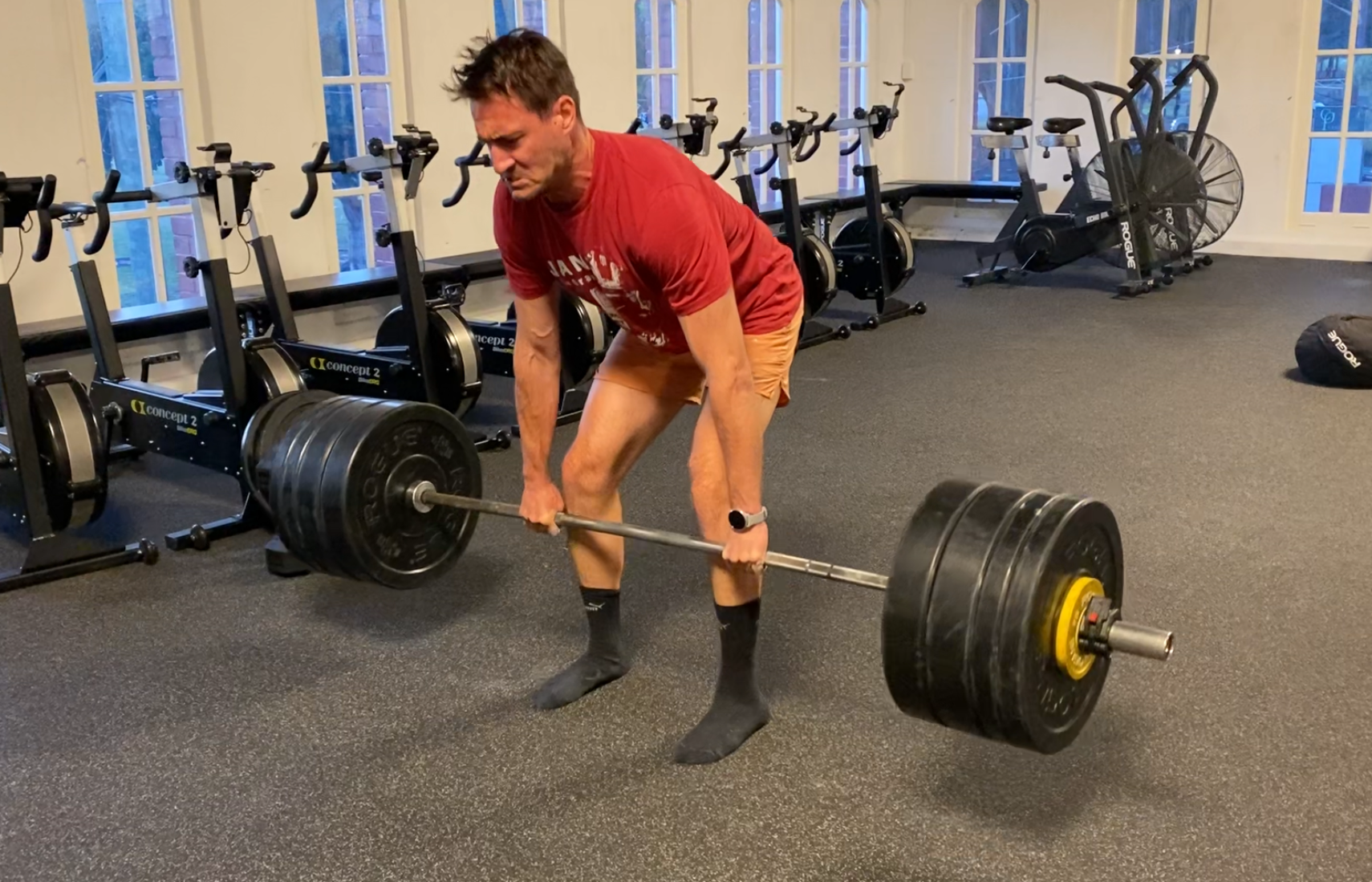
- Deadlifts: Engaging the entire posterior chain from hamstrings to the upper back by lifting a weighted barbell from the floor to hip level.
- Kettlebell Swings: Utilizing explosive hip hinge mechanics to drive power primarily through the glutes rather than the upper extremities.
- Barbell Hip Thrusts: Strengthening gluteal engagement through targeted vertical hip elevation.
- Barbell Step-Ups: Enhancing unilateral leg stability and strength through controlled vertical lifting movements.
3. Emphasizing Movement Control Over Maximum Load
Unlike powerlifters or bodybuilders, alpine skiers function primarily as endurance athletes. Consequently, training regimens should prioritize movement control, eccentric discipline, and high repetition volumes over maximal weight loads. Performing moderate weights for higher repetitions builds muscular endurance and protects against acute joint strain without adding excessive, counterproductive upper-body mass.
4. Strategic Exercise Selection
While traditional compound movements like back squats offer significant benefits for quadriceps and gluteal development, athletes must weigh specific risks and rewards. Certain loaded spinal positions may temporarily aggravate pre-existing lower back sensitivities, requiring modified exercise selections tailored to individual orthopedic profiles.
Broader Impact and Implications for Mountain Sports Longevity
The growing adoption of structured weight training among skiers signifies a broader cultural shift within mountain sports. Historically characterized by a subculture of carefree endurance and casual off-season conditioning, the skiing community is increasingly embracing evidence-based sports science to safeguard physical health.
By reframing physical conditioning as a non-negotiable component of winter sport participation, athletes are effectively dismantling the notion that joint deterioration is an unavoidable cost of a life spent in the mountains. As medical research continues to validate the protective effects of resistance training on bone density and joint stability, structured conditioning programs are expected to become a standard preventative protocol for winter athletes seeking to preserve their mobility, productivity, and passion for decades to come.

