
The environmental movement has long prioritized technological innovation, carbon taxation, and international policy summits as the primary levers for climate progress. However, recent legislative and executive actions have forced a paradigm shift: the most significant obstacle to climate mitigation is no longer the state of renewable technology, but the composition of the executive branch and the integrity of the electoral process itself. Climate advocates, led by organizations like Protect Our Winters (POW), are increasingly arguing that voting access is the foundational prerequisite for all environmental policy.
The Legislative Reversal: A Chronology of Climate Setbacks
The current political landscape is marked by a series of aggressive rollbacks that have fundamentally altered the trajectory of domestic energy policy. The pivot point for this shift occurred with the passage of the federal tax and budget law, the One Big Beautiful Bill Act, which signaled a decisive move away from green incentives.
- August 2025: The enactment of the One Big Beautiful Bill Act mandates a major reduction in clean energy tax credits. The legislation significantly curtails the development timeline for renewable projects, moving the sunset date for specific tax incentives from a nine-year window to a single year.
- January 2026: Market analysis reveals that approximately $83 billion in solar, wind, and battery storage projects are either canceled or indefinitely postponed due to the shortened investment horizon. Economists estimate that these projects represented the potential for 470,000 clean energy jobs.
- July 13, 2026: In a significant executive action, the administration announces a 90 percent reduction of the Bears Ears National Monument. The protected area is slashed from 1.36 million acres to 121,000 acres, effectively ending the co-management agreement with the tribal commission and authorizing mining operations to commence within a 60-day window.
These developments demonstrate that legislative and executive power, rather than shifts in public opinion or market demand, now dictate the pace of the green transition. The rapid nature of these reversals highlights the vulnerability of climate policy to changes in political leadership.
The Systematic Targeting of Electoral Integrity
The degradation of climate-positive policy has occurred in parallel with a concerted effort to restrict voter access. Political analysts note that these two trends are not coincidental; they are structural components of a broader governance strategy. By limiting the electorate, officials reduce the accountability required to maintain unpopular environmental rollbacks.
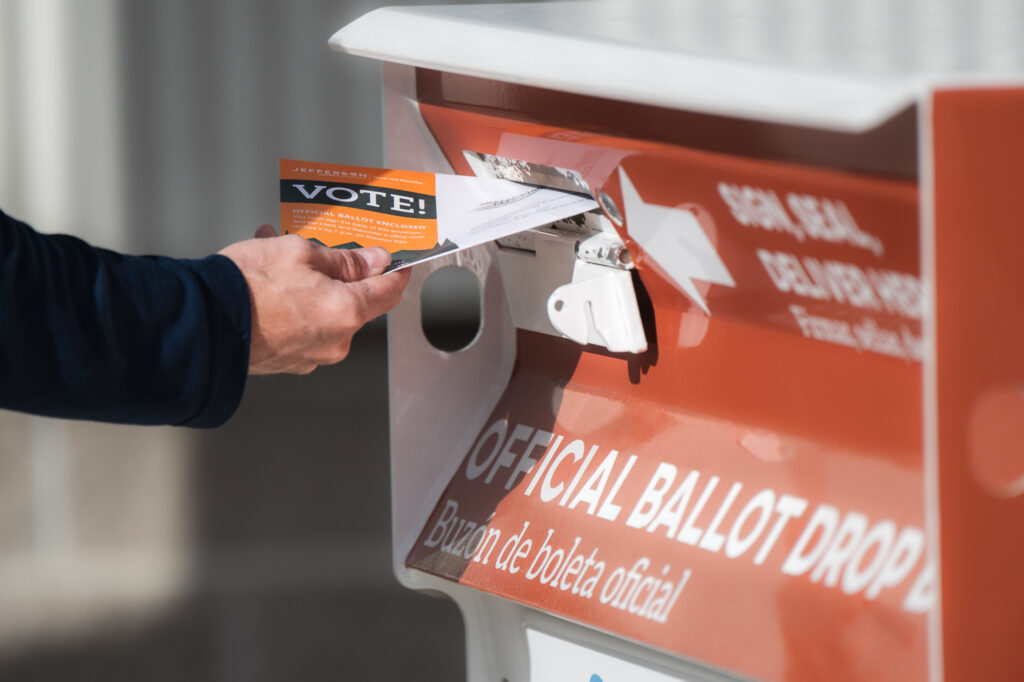
Since early 2026, the administration has implemented a series of administrative and procedural changes aimed at the electoral process:
- Administrative Directives: In March 2026, the Department of Homeland Security (DHS) was ordered to aggregate comprehensive citizen lists, while the United States Postal Service (USPS) received directives to curtail the delivery of specific mail-in ballots. While federal courts subsequently invalidated several of these measures as unconstitutional, the intent behind these actions has caused widespread alarm among civil rights groups.
- The Erosion of Oversight: By July 2026, the Election Assistance Commission (EAC)—the body responsible for certifying voting hardware and software—was left without a functional quorum after the administration terminated the remaining commissioners. This effectively paralyzed the agency’s ability to approve new voting technologies or oversee audit standards ahead of the midterm elections.
- State-Level Restrictions: The trend is echoed in state legislatures, where a dozen states have implemented stringent requirements for documentary proof of citizenship to register to vote. South Dakota and Utah have already activated these protocols for the current cycle. Furthermore, Texas has initiated a systemic purge of voter rolls utilizing federal data sets that experts have criticized as prone to high error rates, while Ohio faces ongoing litigation regarding similar efforts to remove registered voters from rolls.
Data-Driven Implications: The Cost of Policy Inertia
The economic and ecological consequences of these policy shifts are quantifiable. The cancellation of $83 billion in infrastructure projects serves as a case study in the fragility of the "Green Economy." The lost 470,000 jobs represent a significant blow to the labor sector, specifically in rural and semi-rural areas where wind and solar development had become a primary economic engine.
Environmental economists note that the removal of these tax credits creates a "capital flight" scenario. Investors, faced with a one-year regulatory window, are opting for traditional fossil fuel ventures that do not rely on long-term tax credit stability, thereby locking in carbon-intensive energy production for decades to come.
Regarding public lands, the downsizing of Bears Ears presents a permanent loss of biodiversity and cultural heritage. The decision to prioritize mineral extraction over preservation in such a short timeframe underscores the lack of long-term planning inherent in current executive decision-making.
Official Responses and Institutional Reactions
While the administration maintains that these actions are intended to ensure fiscal discipline and promote national energy independence, a broad coalition of stakeholders has voiced dissent. Environmental NGOs, including Protect Our Winters, have shifted their operational focus to mitigate what they perceive as a systemic threat to democratic participation.
"The protection of the ballot is not merely a democratic duty; it is an essential component of environmental stewardship," stated a spokesperson for an advocacy coalition. "We are witnessing a feedback loop where administrative power is used to insulate itself from the voters who prioritize climate health."
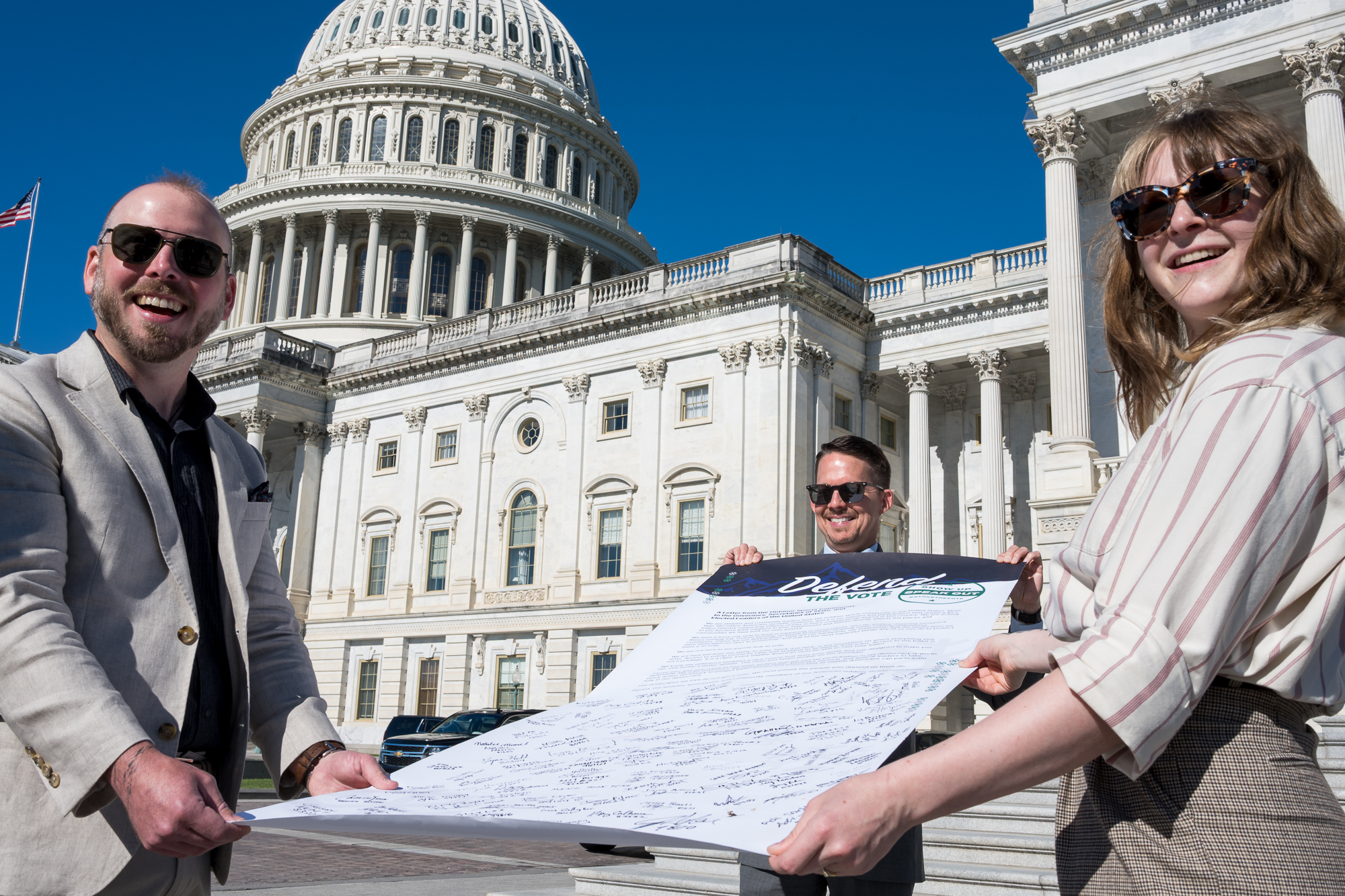
Outdoor industry leaders, typically focused on land conservation, have increasingly joined this discourse. Several high-profile brands have signed on to initiatives like the "Defend the Vote" campaign, acknowledging that the political volatility of the last eighteen months has made traditional lobbying ineffective. These corporate entities, which rely on public lands for their business models, are now viewing election integrity as a primary business risk.
The Strategic Shift: Defending the Vote as Climate Action
In response to these challenges, organizations are pivoting their resources toward local election monitoring and voter registration. The focus has moved from federal lobbying—which has been largely ineffective against the current executive agenda—to the state and local levels.
The "Defend the Vote" initiative, spearheaded by advocacy groups, is currently prioritizing engagement with secretaries of state in Montana and New Hampshire. The logic is to strengthen the "infrastructure of democracy" in regions where election administration is most susceptible to political interference. By securing the mechanisms of voting, these groups aim to provide a firewall against further legislative rollbacks.
Analysis: The Intersection of Policy and Power
The current climate crisis is being framed not just as a struggle against carbon emissions, but as a struggle against the disenfranchisement of the climate-conscious public. The recent history of the One Big Beautiful Bill Act and the subsequent administrative actions suggest that political power is the ultimate arbiter of environmental policy.

As the midterm elections approach, the focus on "turnout" has become the central strategy for environmental groups. If the legislative path to climate mitigation is blocked by those currently in office, the only remaining pathway is the replacement of those officials. Consequently, the act of voting has been elevated from a civic duty to a core pillar of climate activism.
The implications for the broader climate movement are clear: any environmental policy that does not also account for the stability and accessibility of the electoral system is fundamentally incomplete. Protecting the vote is no longer a peripheral issue; it is the frontline of the climate fight. As civil society groups continue to mobilize, the coming months will likely see an unprecedented merger of environmental activism and voting rights advocacy, as both become inextricably linked in the pursuit of long-term policy stability.

