
The autumn expedition across British Columbia marks a significant phase in the regional travel circuit, transitioning from the maritime serenity of the Sunshine Coast to the rugged, high-altitude terrain of the Canadian Rockies. This journey, undertaken on September 26, 2026, by James Cove, highlights the diverse geographical and economic landscape of the province, bridging the gap between coastal recreational hubs and the high-end, remote wilderness of the interior. The expedition serves as a case study in the evolving accessibility and economic shifts within British Columbia’s tourism sector, particularly regarding the accessibility of winter sports destinations.
The Maritime Gateway: Navigating the Sunshine Coast
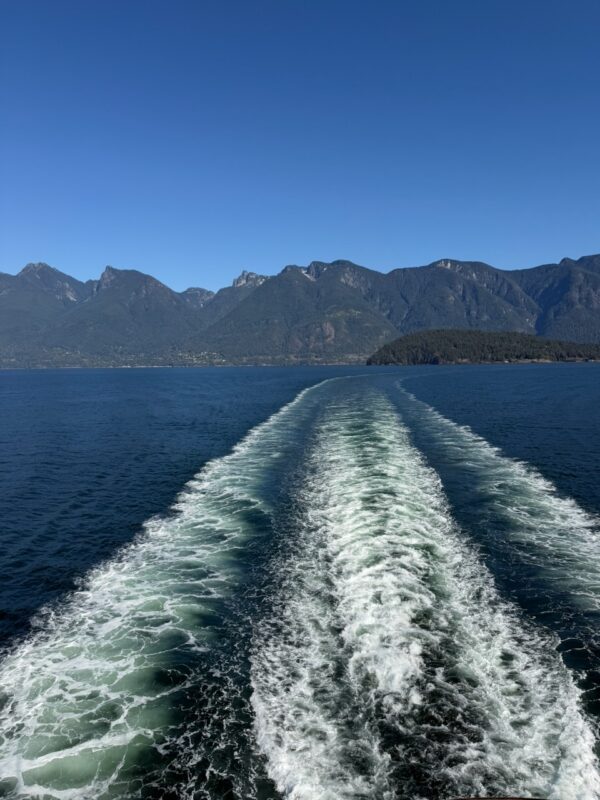
The journey began at Horseshoe Bay, a critical transit node located just north of Vancouver. Horseshoe Bay serves as the primary gateway for the BC Ferries route to Langdale, the entry point for the Sunshine Coast. This 110-mile stretch of coastline, bordering the Salish Sea to the east of Vancouver Island, is geographically unique; despite its proximity to the Vancouver metropolitan area—roughly 10 miles as the crow flies—it remains isolated from the mainland road network, reachable only by ferry, private boat, or seaplane.
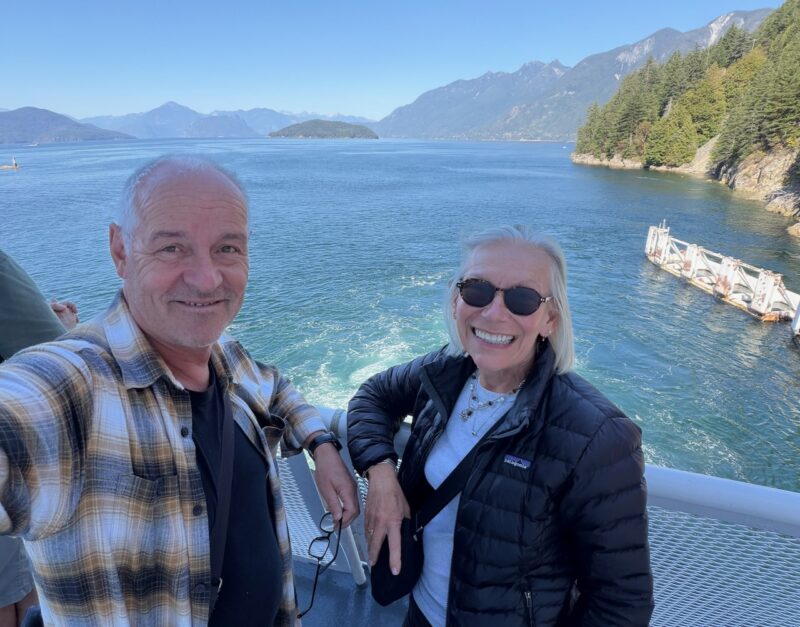
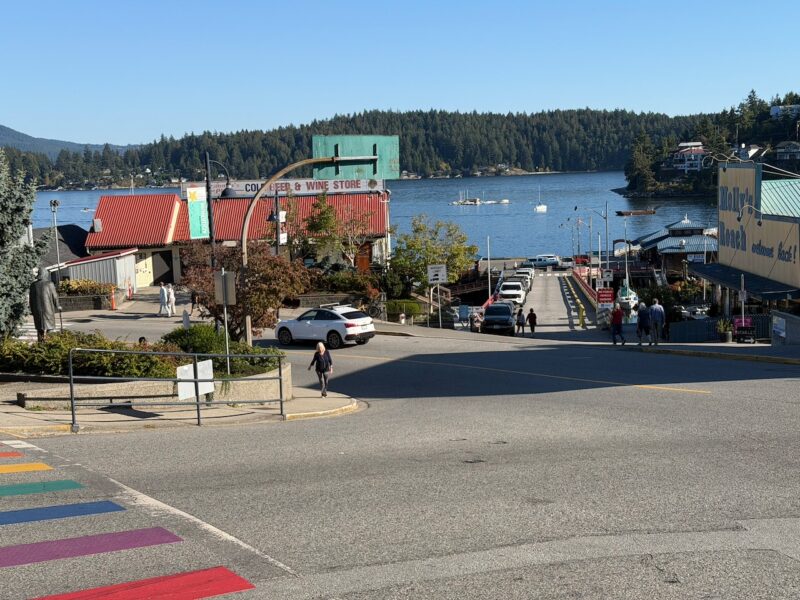
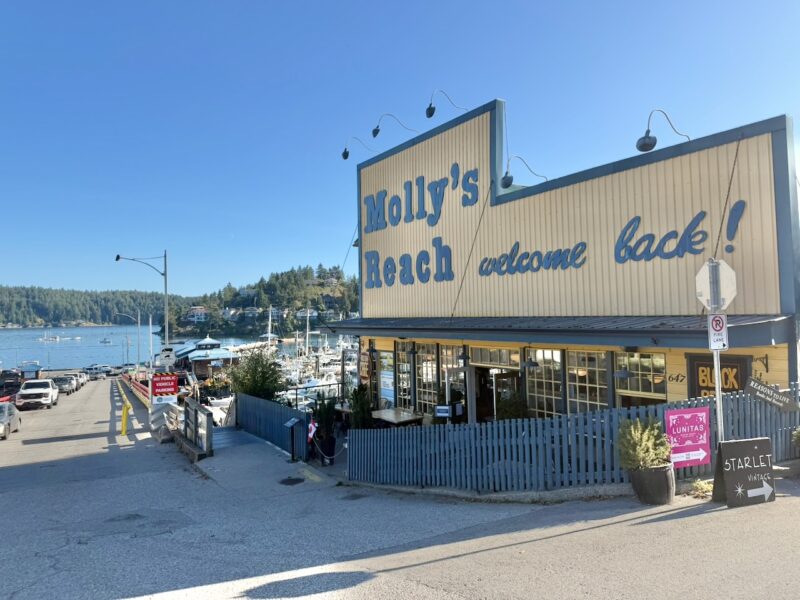
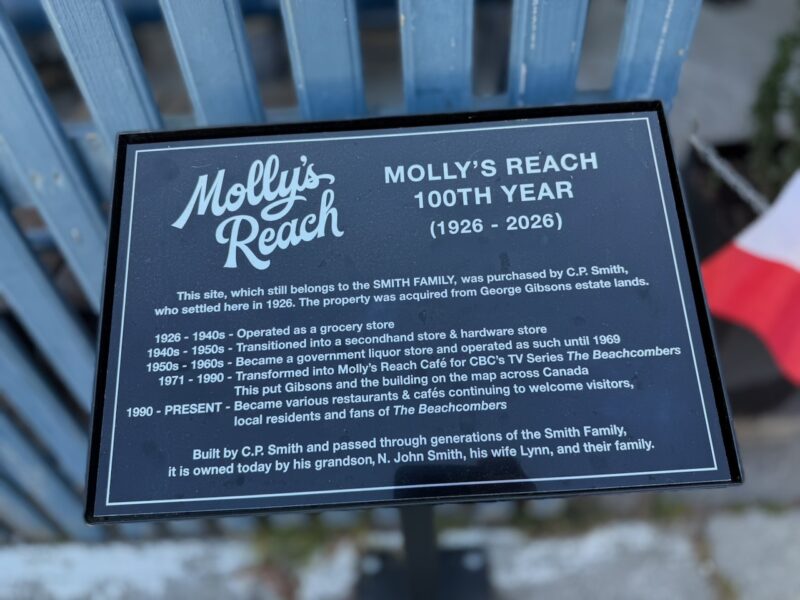
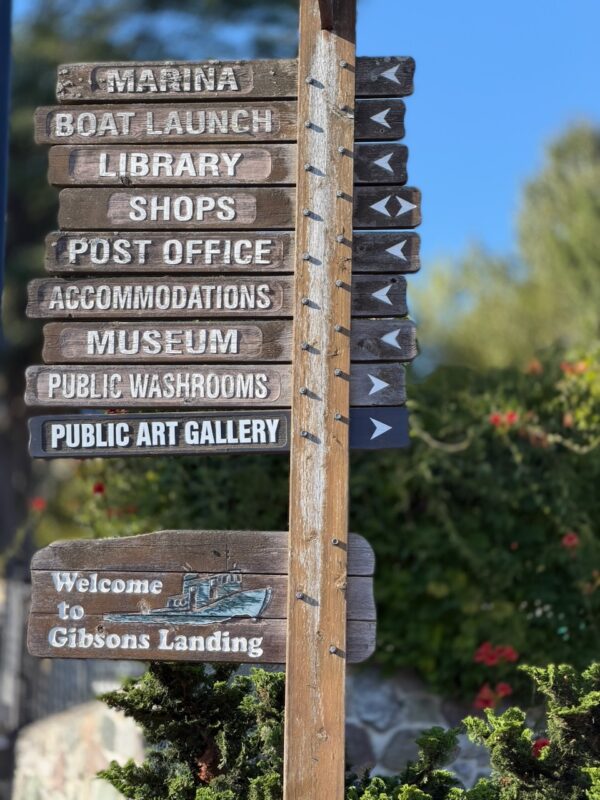
This isolation has fostered a distinct cultural and economic environment. Unlike the high-density urban sprawl of Vancouver, the Sunshine Coast maintains a reputation for a slower pace of life, characterized by artisan shops, independent art galleries, and a burgeoning culinary scene. A primary stop on this route is Gibsons Landing, a village historically significant for its role in Canadian media culture as the primary filming location for the CBC series The Beachcombers. The series, which aired 387 episodes between 1972 and 1990, remains a touchstone of Canadian identity. The site of "Molly’s Reach," the iconic café from the program, continues to attract regional tourism, illustrating how cultural heritage remains a cornerstone of local economic development.
Geographical and Environmental Context
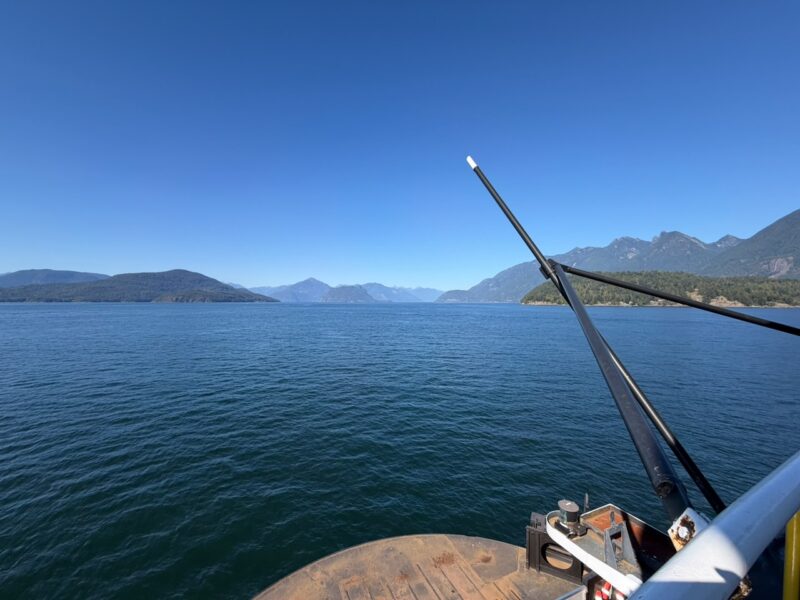
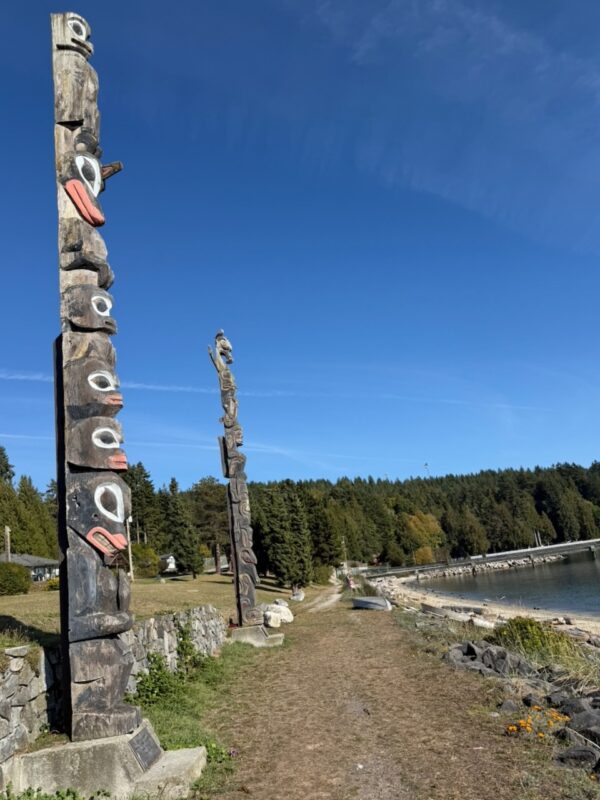
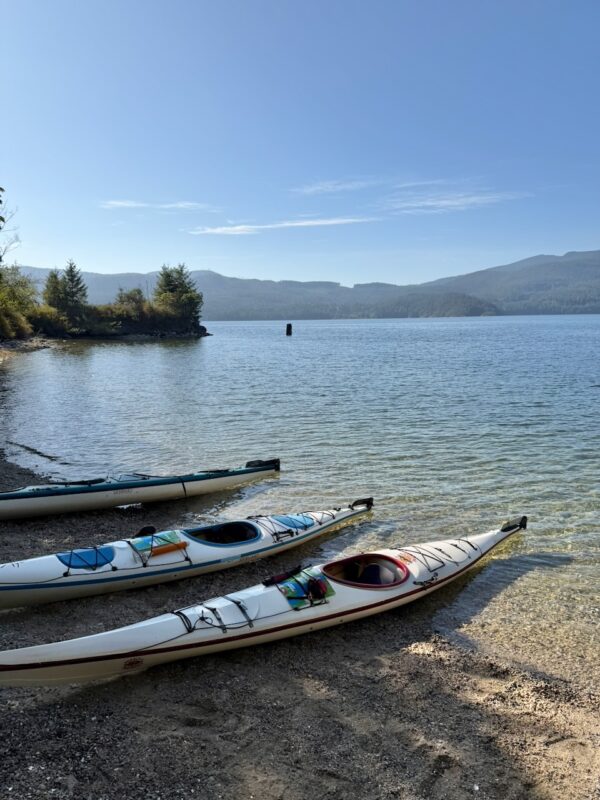
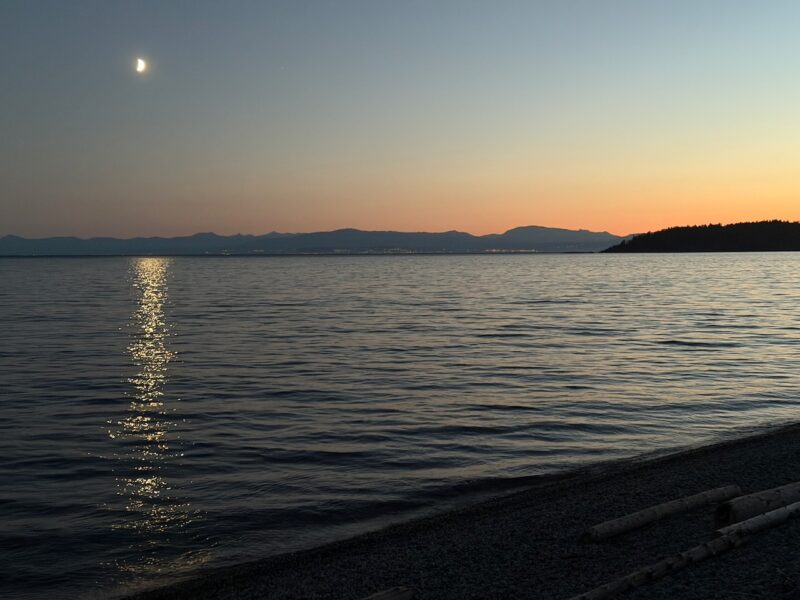
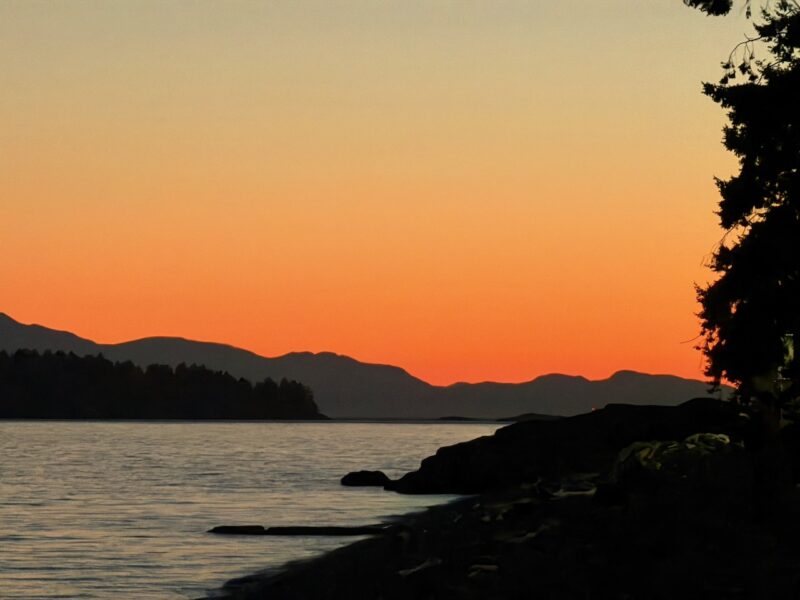
Continuing north, the expedition arrived in Sechelt, situated on a sandbar separating the Salish Sea from the Sechelt Inlet. This region is the ancestral territory of the Shishalh Nation, whose influence is physically manifested in the totem poles that overlook the local beaches. The region’s geography—a complex interplay of inlets and mountain ranges—provides an ideal environment for outdoor activities, including kayaking and hiking in areas such as Smugglers Cove Marine Park.
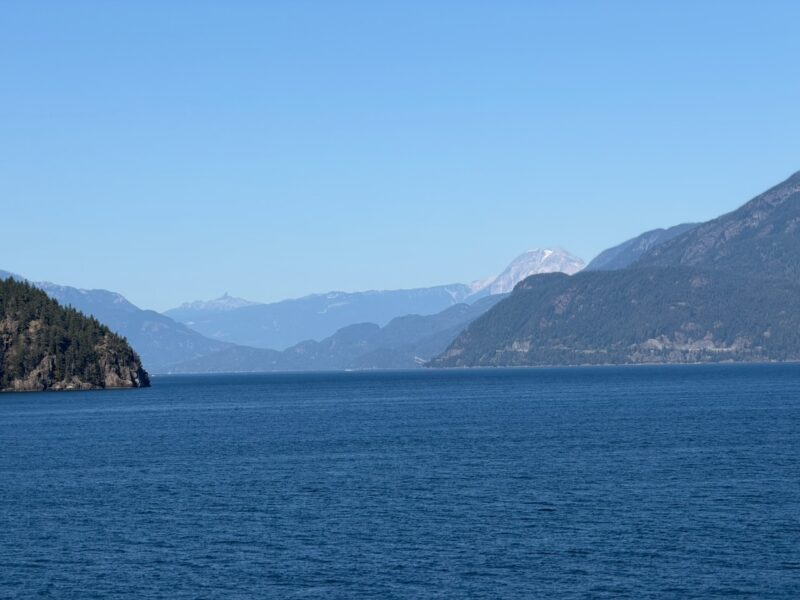
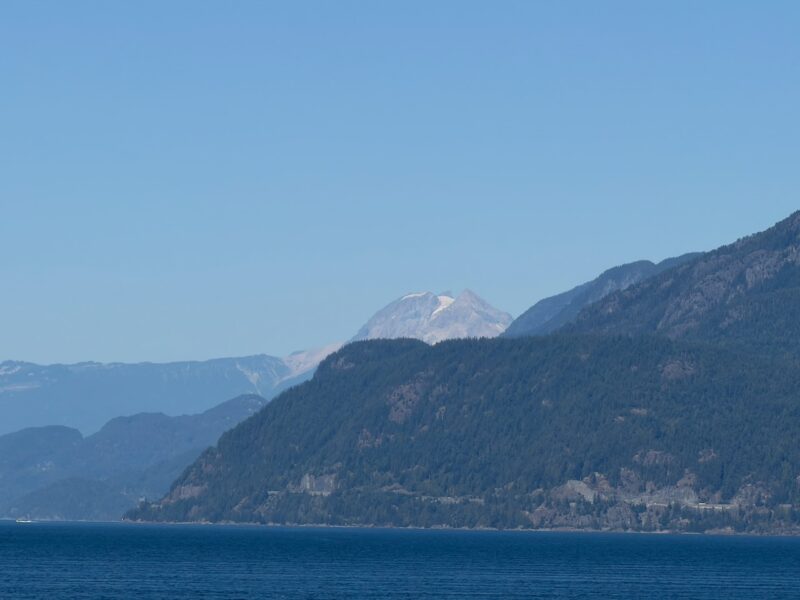
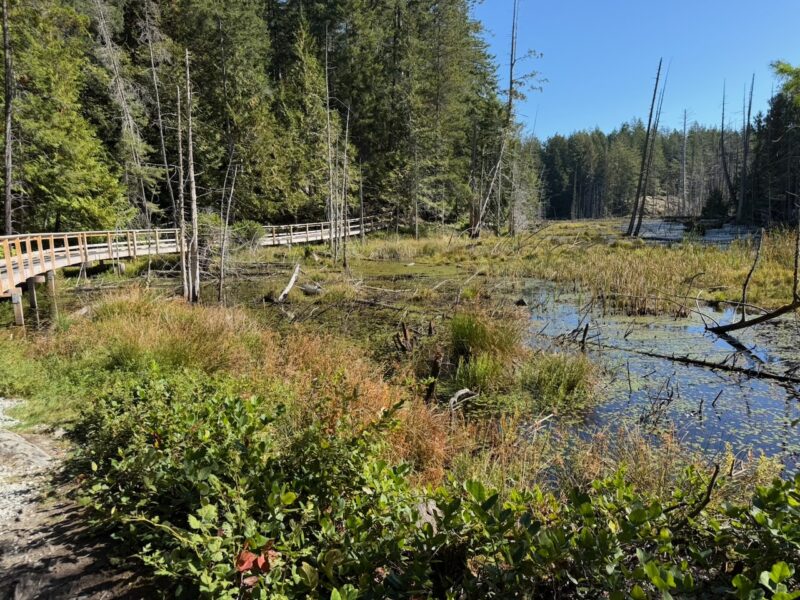
Smugglers Cove, in particular, offers insight into the region’s socioeconomic history. During the prohibition era, the area was a tactical hub for the illicit transport of liquor, and later, it became a clandestine entry point for maritime migration. Today, the park serves as a protected wetland and a hub for biodiversity, supporting populations of deer, beaver, and river otters, while serving as a strategic viewpoint for observing the surrounding coastal glaciers.
The Economics of Modern Alpine Tourism
A central theme of the current tour involves an analysis of the shifting economic accessibility of major ski resorts in British Columbia. Conversations with local stakeholders, such as those at the Pedals and Paddles facility in Sechelt, reveal a growing sentiment regarding the "corporatization" of the ski industry.
According to regional operators, the acquisition of major resorts by large international entities, such as Vail Resorts, has significantly altered the cost-benefit analysis for local participants. The rise in daily lift ticket prices has, for many residents, moved the sport into a luxury category, effectively pricing out segments of the domestic population. This shift has prompted a move toward smaller, independently operated "community hills." While these smaller mountains lack the vast infrastructure and high-speed lift systems of their larger counterparts, they are increasingly viewed as the last bastions of "authentic" skiing—prioritizing sport and community over high-volume commercial throughput.
This economic trend suggests a bifurcated future for the Canadian ski industry: a premium, destination-resort model catering to international and high-net-worth clientele, and a localized, grassroots model that maintains the sport’s accessibility for regional residents.
Transitioning to the High Interior: The Tyax Experience
Following the coastal leg, the expedition moved inland toward Whistler and eventually deep into the Canadian Rockies, targeting the Tyax Lodge. This transition from the temperate coast to the mountainous interior highlights the logistical challenges of remote travel in British Columbia. The route to the lodge is categorized as "rugged," reflecting the transition from coastal transit corridors to wilderness access roads.
Tyax Lodge operates as a multi-seasonal destination, functioning as a premier heli-skiing lodge during the winter months. Its location offers a stark contrast to the coastal environment, providing access to high-alpine terrain that is largely inaccessible by conventional road networks. The site also serves as a critical point for wildlife observation. Recent reports from the lodge indicate an increase in interactions with grizzly bears, a trend that is currently being documented to better understand the ecological shifts in the region.
Broader Implications for Regional Tourism
The 2026 autumn tour underscores the necessity of a balanced approach to regional tourism. The Sunshine Coast’s success lies in its ability to market its relative inaccessibility and historical charm, whereas the interior’s appeal is built upon the extreme, high-end wilderness experience.
Data from the regional tourism boards suggests that travel to areas like the Sunshine Coast is experiencing a post-pandemic recovery, with a focus on "slow tourism"—trips that prioritize longer stays, local culinary experiences, and sustainable engagement with the environment. In contrast, the interior tourism market remains highly sensitive to seasonal variations and the global economic climate, particularly as it relates to the cost of high-intensity sports like heli-skiing.
As the expedition continues, the observations gathered will serve to map the current state of British Columbia’s tourism infrastructure. The juxtaposition of the coastal, community-driven economy and the mountain-based, resource-heavy model provides a comprehensive view of the province’s diverse offerings.
Future Outlook and Sustainability
Looking ahead, the sustainability of these tourism models will likely become a point of contention. As climate patterns shift and the accessibility of glaciers and snow-dependent areas changes, the economic viability of remote lodges like Tyax will depend on their ability to diversify their offerings beyond traditional winter sports. Similarly, the pressure on coastal communities to accommodate increasing numbers of visitors without compromising the environmental integrity of areas like Smugglers Cove will require stringent management of transit and land use.
The upcoming analysis of the summer season at Whistler, alongside the winter assessment at Tyax, will provide a complete picture of the operational cycle for these disparate locations. By examining both the economic barriers and the environmental opportunities, this report seeks to provide a factual, objective assessment of the current state of British Columbia’s recreational landscape.
In conclusion, the journey from the Salish Sea to the peaks of the Rockies reveals a province in transition. Whether through the preservation of local history in Gibsons Landing or the challenging economic realities of the modern ski industry, British Columbia remains a focal point for understanding the tensions between global commercial interests and regional, authentic experiences. As the tour progresses into the deeper wilderness, the focus remains on capturing the realities of these regions, free from the influence of external tourism marketing, to provide a clear, journalistic record of the current climate in Western Canada.

