
On September 26, 2026, an international coalition of researchers led by ETH Zurich and Vrije Universiteit Brussel unveiled the Global Glacier Extinction Explorer, a sophisticated interactive digital platform designed to bridge the gap between abstract climate modeling and the tangible reality of vanishing landscapes. This launch follows a pivotal study published in Nature Climate Change, which provides the most granular assessment to date of individual glacier survival under various global warming trajectories. By translating complex scientific datasets into an accessible, visual format, the platform allows users to zoom into specific mountain regions and observe the projected lifespans of local glaciers.
The arrival of this tool coincides with a particularly catastrophic year for cryospheric stability in the European Alps. While final end-of-summer data are still being processed, preliminary indicators suggest that 2026 will rank among the most severe years for ice loss since the dawn of systematic glaciological measurements. The cumulative effect of diminished winter snowpack—which serves as a protective seasonal buffer—compounded by a series of intense, sustained summer heatwaves, has accelerated the thinning of alpine ice to levels that threaten the viability of even long-standing glaciers.
The Science of Cumulative Loss
Glaciologists emphasize that the disappearance of a glacier is rarely the consequence of a singular anomalous weather event, but rather the result of decades of persistent mass imbalance. Dr. Harry Zekollari, a co-author of the study, explains that glaciers exist in a state of delicate equilibrium. They accumulate mass through winter snowfall and shed it through summer ablation. When that cycle is disrupted by rising mean temperatures, the glacier begins a process of terminal retreat.
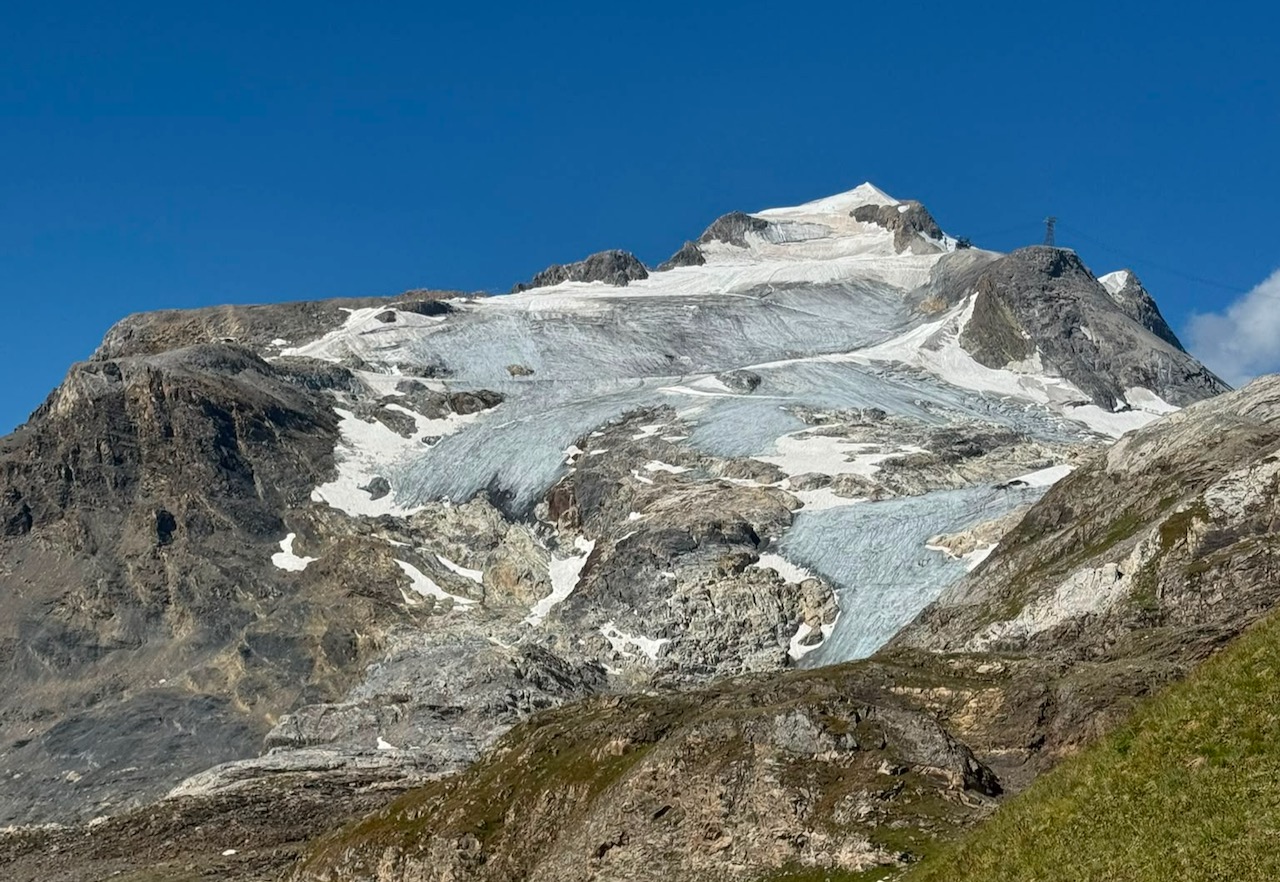
“Year after year, insufficient snowfall and strong summer melt gradually reduce a glacier until it can no longer sustain itself,” Zekollari noted. “Extreme melt years, such as 2022 or 2026, act as accelerants, pushing glaciers that were already on the brink of survival past their physiological threshold.”
The Global Glacier Extinction Explorer utilizes a color-coded system to communicate these risks: dark red signals that a glacier is already extinct; orange denotes a predicted demise between 2027 and 2041; and light blue identifies glaciers expected to persist through 2100. The platform allows users to toggle between different warming scenarios—1.5°C, 2°C, 2.7°C, and 4°C—demonstrating that even if the most optimistic climate targets are met, the world is committed to a period of unprecedented glacial retreat.
Chronology of the Crisis
The current decline of mountain glaciers is a trend that has been documented with increasing alarm over the past two decades. The trajectory of this decline can be traced through several key markers:
- 2000–2010: Systematic monitoring programs began to report a consistent acceleration in the rate of ice loss across the Himalayas, the Andes, and the Alps.
- 2022: A record-breaking heatwave across Europe resulted in historic ice loss, serving as a wake-up call for the vulnerability of smaller, low-altitude glaciers.
- 2026: Continued atmospheric warming and a lack of winter precipitation have combined to potentially surpass the record losses of 2022, signaling a new, more volatile phase of climate change impact.
- 2027–2041: The predicted window during which thousands of smaller glaciers globally are expected to vanish entirely, according to the new modeling.
Global Scale, Local Impact
While the Global Glacier Extinction Explorer focuses on individual glaciers, the implications are planetary in scope. Separate, large-scale studies have quantified the massive volume of water released from the Antarctic and Greenland ice sheets since the 1970s. The scale of this melt is staggering—sufficient to fill four and a half billion Olympic-sized swimming pools. This influx of freshwater into the global oceans is a primary driver of sea-level rise, with profound consequences for coastal cities and island nations worldwide.

The significance of these glaciers extends far beyond their physical mass. They are essential components of global hydrology, regulating the flow of rivers that provide water for agriculture, hydroelectric power, and municipal use. In regions like the Hindu Kush-Himalayas, the "Third Pole," the melting of glaciers threatens the water security of over a billion people. Furthermore, the loss of these frozen landscapes carries a profound cultural and emotional weight for mountain communities, for whom glaciers have long served as iconic landmarks and foundations of regional identity.
Adaptation and the Limits of Intervention
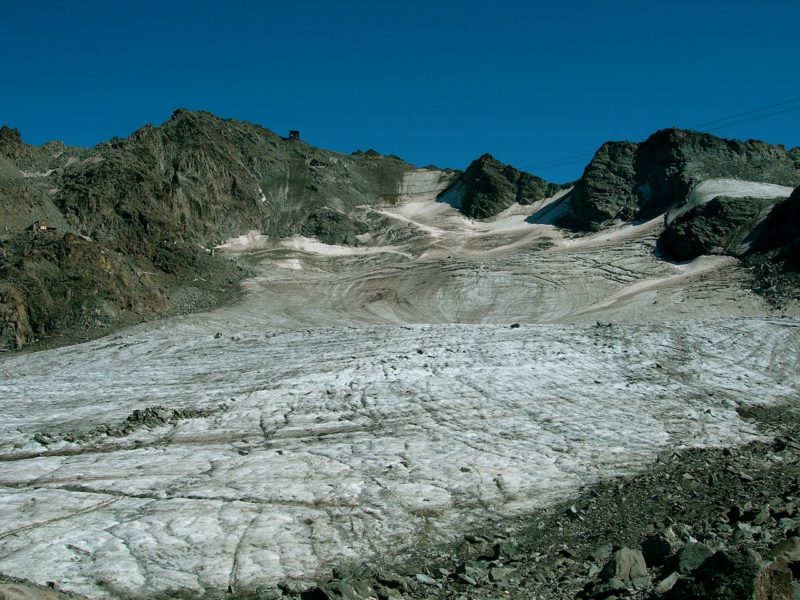
As the reality of rapid glacial retreat becomes undeniable, various experimental interventions have emerged. One notable project, "Keep It Wool," has been trialed on the Tsanfleuron Glacier in Switzerland. By covering approximately 200 square meters of ice with biodegradable sheep’s wool blankets, researchers sought to determine if natural materials could replicate the protective effects of conventional synthetic geotextiles, which are typically used to shield ski slope infrastructure from sun exposure.
Preliminary results from the trial suggest that the wool is indeed effective at insulating the ice and slowing the rate of summer melting. However, the scientific community remains cautious about the scalability of such solutions. Glaciologists emphasize that covering glaciers with textiles is a highly localized, energy-intensive process that can only protect a tiny fraction of the total ice surface. Currently, only about 0.02% of Switzerland’s total glacier surface is covered by protective materials.
“Physical covers are a stop-gap measure for protecting critical local infrastructure or small, high-value ski tourism zones,” explains a lead researcher on the project. “They are not, and cannot be, a panacea for the broader crisis of global warming. They represent a desperate attempt to preserve a remnant of what we are losing.”
Implications for the Future
The launch of the Global Glacier Extinction Explorer serves as an essential tool for policymakers, local communities, and the public to visualize the stakes of the current climate trajectory. By providing a clear, interactive map of the future, the research team hopes to facilitate more informed discussions about adaptation and the necessity of mitigating global warming.
The data presented by the explorer underscores a sobering reality: nearly half of the world’s glaciers are projected to disappear by 2100 if the global temperature rise is held to 1.5°C. Should global warming exceed that threshold, the percentage of loss will increase significantly. The transition to a world with fewer glaciers will necessitate major changes in how societies manage water resources, adapt to changing mountain ecosystems, and preserve cultural heritage linked to frozen landscapes.
As the 2026 summer season concludes and scientists finalize their measurements of the damage, the focus is shifting from simply documenting the loss to preparing for the consequences of a rapidly changing cryosphere. The Global Glacier Extinction Explorer is not merely a scientific repository; it is an urgent invitation for society to confront the scale of the transition underway and the limited window available to preserve what remains of the world’s ice. Through objective, data-driven insights, the scientific community continues to map a future that, while increasingly stark, requires immediate and decisive engagement from global stakeholders.

