
Long before Adam, Andreas, and Teo Žampa became household names on the FIS World Cup circuit and representatives of Slovakia at the Olympic Games, the family’s identity was already inextricably linked to the slopes of the High Tatras. This narrative, spanning four generations of alpine dedication, has recently transitioned from personal competitive success to a broader mission: the development of youth skiing through the expanding Žampa Cup. What began as an intimate family passion has evolved into a significant cross-border sporting institution, influencing how young athletes in Central Europe approach the discipline of alpine racing.
The lineage of the Žampa skiing dynasty is rooted in the mid-20th century, with the competitive foundation laid by Karol Bruk and Olga Bruková. This legacy was continued by František Žampa, who established the family’s deep connection to the High Tatras, a region that served as both a sanctuary and a rigorous training ground. For Tomáš Žampa, the father of the current generation of racers, these mountains were not merely a backdrop but a classroom where values of resilience, technical precision, and a profound love for the sport were instilled. Alongside his wife, Slávka, Tomáš orchestrated a childhood for their sons that prioritized long-term development over immediate, short-term podium results.
A Chronology of Development and Competitive Ascent
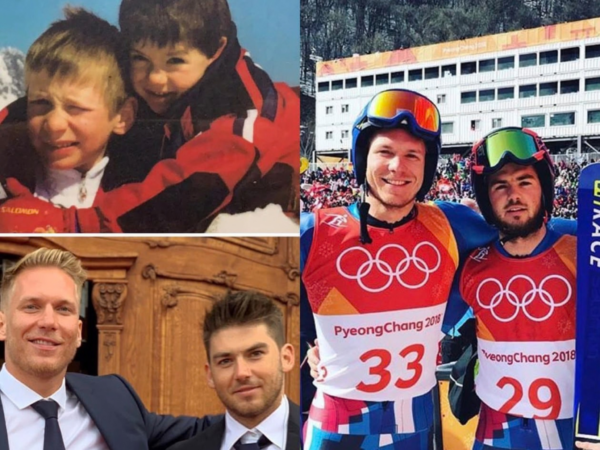
The developmental trajectory of the three brothers serves as a case study in the benefits of early exposure to high-level technical training. Adam, the eldest, took to the snow at age five, followed closely by Andreas, who famously began his relationship with the sport by navigating improvised courses around the family apartment in summer on small wooden skis. By the time Teo, the youngest, arrived on the scene 12 years after his brothers, he was effectively born into the world of professional ski racing. He was carving turns on snow by the age of two, benefiting from an environment where elite-level technique was the standard of play rather than a distant goal.
The brothers’ professional careers took flight in the early 2010s, a pivotal period that redefined the family’s public standing. Adam’s breakthrough performances at the 2013 World Championships in Schladming and his impressive fifth- and sixth-place finishes at the 2014 Sochi Winter Olympics were not merely personal milestones; they provided the necessary leverage to secure the sponsorship funding required to sustain a small, independent team in a sport dominated by the massive budgets of Austrian, Swiss, and French federations. This era highlighted the logistical challenges faced by athletes from smaller nations, forcing the Žampas to adopt a "Formula 1" approach: lean, efficient, and obsessed with the marginal gains that define success at the highest level.
The Genesis of the Žampa Cup
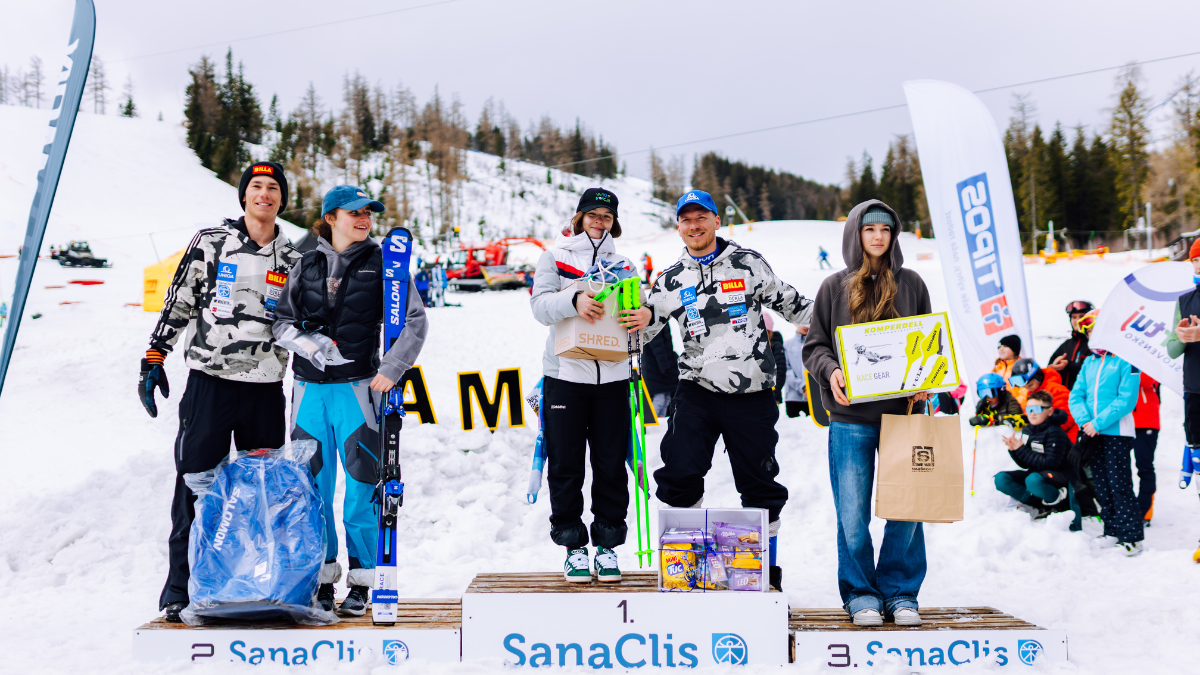
The transition from active competition to event organization was a deliberate strategic shift following the brothers’ established presence on the World Cup tour. Recognizing the void in professional guidance for youth athletes in Slovakia, the family—in collaboration with coach Tomáš Kmeť—launched the Žampa Cup. Initially conceived as a singular training camp, the event was designed to demystify the professional pathway. The goal was to provide a transparent look at the training methodologies and the psychological conditioning required to compete at the international level.
Since its inception, the initiative has experienced rapid scaling. What started as a local Slovakian competition has expanded into a multi-national circuit. As of the 2026 season, the Žampa Cup has successfully integrated host venues in the Czech Republic, Poland, and Austria. Data from the most recent series indicates that the event attracted more than 1,600 participants, ranging from six to 16 years of age. This growth is largely attributed to the brothers’ direct involvement; while Adam focuses on the technical mentorship and the athlete-facing components of the cup, Andreas leverages his meticulous organizational nature to manage the logistical expansion across international borders.
Operational Philosophy and Socio-Economic Impact

The philosophy underpinning the Žampa Cup departs from the "win-at-all-costs" mentality often criticized in modern youth sports. Instead, the brothers emphasize a holistic development model. The program is specifically designed to be inclusive, welcoming not only elite-level youth racers but also amateurs, children with physical disabilities, and those from economically disadvantaged backgrounds. By lowering the barriers to entry, the Žampa team aims to foster a sustainable interest in skiing that transcends professional aspirations.
This approach is supported by the brothers’ own experiences with the structural limitations of regional ski federations. Tomáš Žampa has been a vocal proponent of reform within Slovakian skiing, arguing that the sport requires greater transparency and professionalized infrastructure to bridge the performance gap between developing nations and established alpine powerhouses. The success of the Žampa Cup serves as an independent proof-of-concept, demonstrating that private-sector initiative and international cooperation can provide the high-quality training environments that national bodies sometimes fail to deliver.
Perspectives from the Global Skiing Community
The efficacy of this model has gained recognition beyond Slovakia, drawing praise from international stars like Croatian skier Zrinka Ljutić. Reflecting on her experience at the 2025 Žampa Cup in Štrbské Pleso, Ljutić noted that the atmosphere mirrored the strong familial support structures common in Croatia, emphasizing that success in skiing is often a cumulative effort of families investing years of labor and emotional capital. "It was really nice to see how much passion and care there is for skiing at every level," Ljutić remarked, highlighting the sense of community that the Žampa family has cultivated.
The international perspective is critical, as it underscores a shift in how small-nation athletes interact with the global circuit. By building networks and hosting cross-border events, the Žampas are effectively creating an ecosystem where young athletes from different countries can test themselves against peers in a supportive environment, rather than an isolated or overly competitive one.
Broader Implications for Alpine Sports
The long-term implications of the Žampa legacy are significant. By integrating the family’s four-generation experience into a scalable youth event, they are addressing a common failure point in sports development: the transition from recreational skiing to competitive entry. Many young athletes abandon the sport during the middle-school years due to high costs, lack of infrastructure, or the absence of a clear pathway to progress. The Žampa Cup addresses this by providing a consistent, high-visibility platform that rewards technical growth as much as raw speed.
Furthermore, the family’s insistence on the "human" aspect of the sport—the idea that athletes should be accessible and that skiing should remain a source of joy—serves as a necessary corrective to the intense pressure often placed on young competitors. This focus on "learning how to win and how to lose" is a foundational life skill that the Žampas view as being just as vital as mastering a slalom gate.
Conclusion: A Legacy in Motion
As the Žampa Cup enters its next phase of expansion, the brothers remain committed to their original mission. The story of the Žampa family is no longer just about their own results on the World Cup podium; it is about the broader ripple effect of their contribution to the sport. By transforming their personal success into a resource for the next generation, they have ensured that their four-generation connection to the High Tatras will continue to produce benefits for years to come.

For the children standing at the start gate of a Žampa Cup race, the goal may vary—some will dream of Olympic gold, while others will simply enjoy the camaraderie of the slopes. Yet, the framework provided by the family ensures that regardless of the outcome, the sport remains an accessible, enriching, and transformative experience. As Tomáš Žampa often reminds those involved in the program, the ultimate measure of their success is not found in the record books, but in the sustained health, passion, and character of the children who grow up within the community they have built. The Žampa legacy, now firmly rooted in the future of European youth skiing, continues to evolve, proving that the most significant victories are often those shared with the next generation.

