
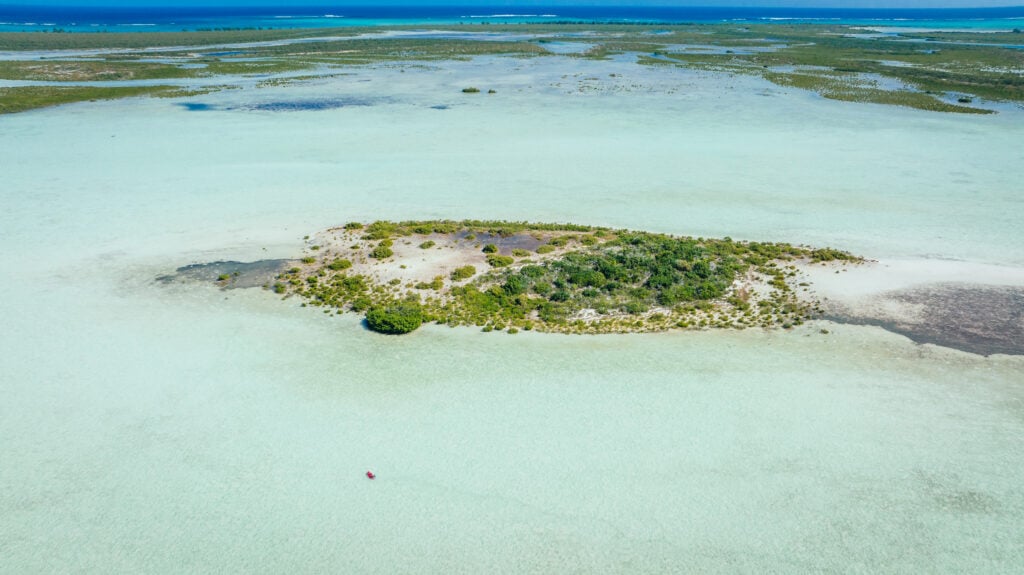
Thousands of data-gathering robots floating in the ocean help us forecast climate and weather impacts, but funding is running out. Today, the sea surface temperature near Palmyra Atoll—a remote, low-lying expanse in the central Pacific—registers approximately one degree Celsius above the long-term average. To a casual observer on a boat deck, this deviation is imperceptible. To a meteorologist or climate scientist, however, it serves as a critical diagnostic indicator capable of rerouting the jet stream and dictating the severity of winter snowpacks thousands of miles away in the Rocky Mountains.
This phenomenon is governed by complex atmospheric-oceanic coupling. Warm water elevates the temperature of the air column above it, reducing surface pressure and altering wind patterns. Normally, robust trade winds facilitate an east-to-west flow, sequestering warm water near Indonesia and maintaining relative stability across the Pacific basin. When these winds falter, a feedback loop ensues: the warm pool expands, pressure systems shift, and the resulting displacement of heat energy reshapes global weather tracks. Tracking these shifts is no longer a matter of guesswork; it is a task performed by a sophisticated, global fleet of approximately 4,000 autonomous robotic platforms known as the Argo program.
A Technological Marvel Under Pressure
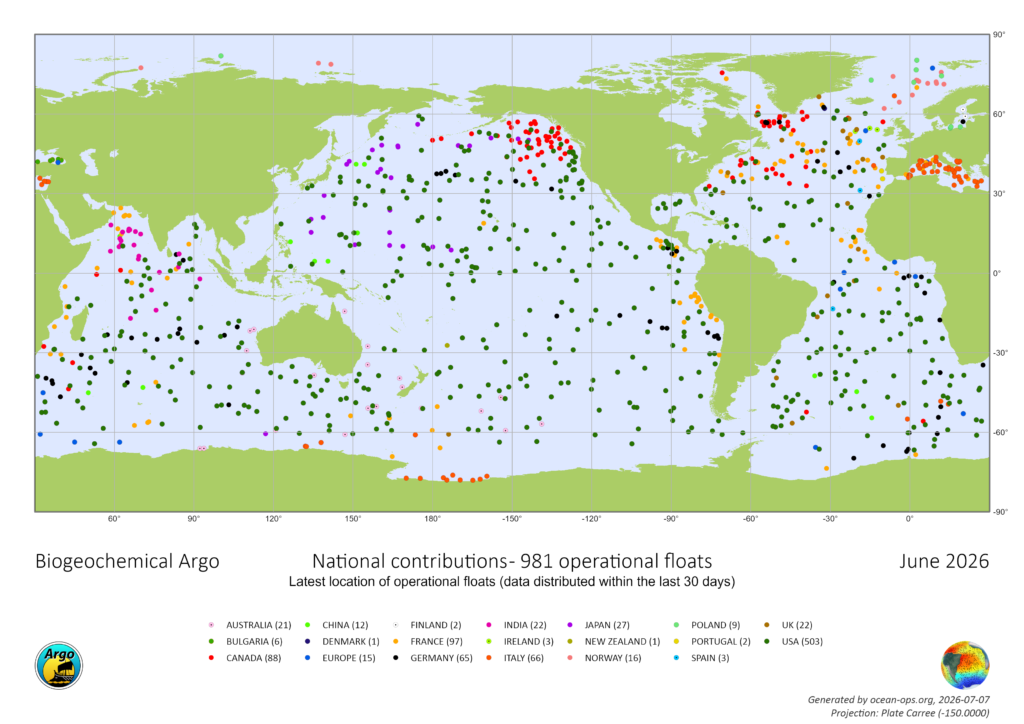
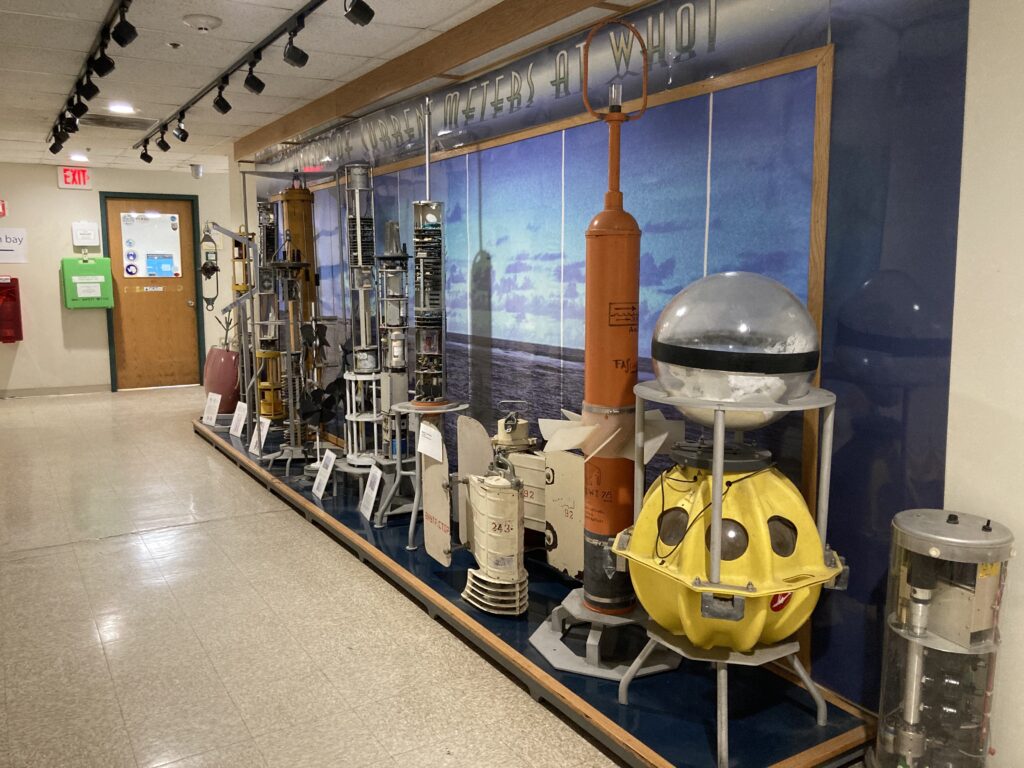
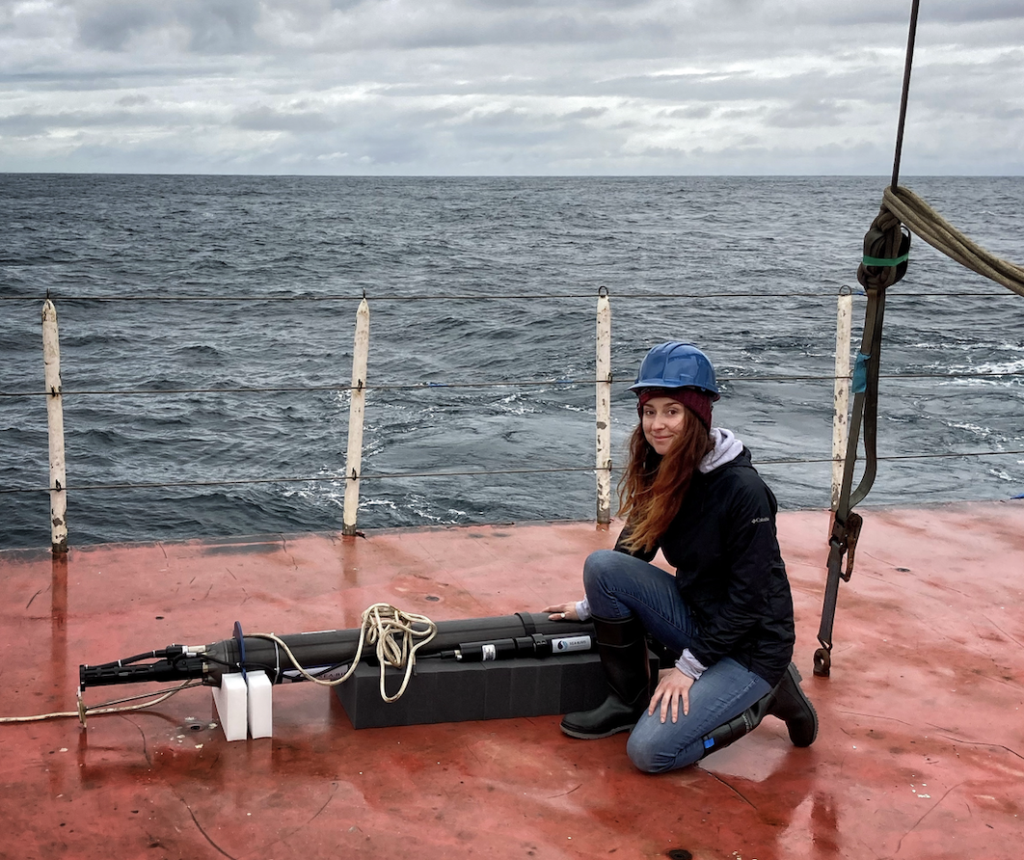
Since its inception in 1999, the Argo program has transformed oceanography from a discipline reliant on sporadic, expensive ship-based missions to one characterized by continuous, high-resolution global monitoring. These autonomous floats operate on a repetitive cycle: they descend to depths of over a mile, drift with subsurface currents for approximately ten days, and then ascend to the surface while collecting high-fidelity data on temperature, salinity, and pressure. Upon reaching the surface, they transmit this data via satellite to global research repositories.
The program has evolved significantly over the past two decades. Modern iterations include Biogeochemical (BGC) Argo floats, which are equipped with advanced sensors to measure oxygen, pH levels, nitrate concentrations, and chlorophyll. Additionally, the “Deep Argo” initiative has pushed the boundaries of exploration, with specialized units capable of reaching depths of nearly four miles to map the deep ocean’s role in climate regulation.
However, the future of this essential network is currently in jeopardy. A five-year National Science Foundation (NSF) grant that provided the necessary capital to launch 500 new BGC-Argo floats has expired. The application for a successor grant, which would ensure the maintenance and expansion of the fleet, has remained in administrative limbo for over 20 months—a duration that far exceeds the standard six-month review period.
The Financial and Political Landscape
The crisis facing Argo is symptomatic of broader shifts in federal scientific funding. The current administration has implemented significant reductions in climate research budgets, with oceanographic grants reportedly halved since the previous fiscal cycle. This austerity has created an immediate production bottleneck; there is currently no funding allocated for the manufacturing of new U.S.-based Argo floats for the coming year.
Dr. Shawnee Traylor, a chemical oceanographer and member of the Protect Our Winters (POW) Science Alliance, emphasizes the human and technical cost of this funding gap. “We haven’t been told ‘no’ yet, but we are running out of time,” Traylor stated. “At a certain point, we start losing jobs and decades of critical technical expertise. Right now, our future funding is entirely uncertain.”
The implications of this potential decline are measurable. The ocean acts as the planet’s primary heat sink, absorbing approximately 30 percent of all anthropogenic CO2 emissions and sequestering the vast majority of excess heat generated by global warming. According to researchers, the cumulative heat energy being absorbed by the oceans is equivalent to the detonation of roughly 12 atomic bombs per second. Without the consistent, granular data provided by the Argo fleet, our ability to track thermal expansion—a primary driver of sea-level rise—and the acidification of marine ecosystems will be significantly degraded.
Historical Context and Scientific Utility
The Argo program was established as an international collaboration, with the United States historically contributing over 50 percent of the global fleet. Its naming, a reference to the mythical Greek vessel, reflects the program’s role in navigating the unknown reaches of the Earth’s largest and most mysterious environment. Before the deployment of these floats, the cost of gathering equivalent data was prohibitive, requiring months-long expeditions on research vessels. Today, each profile generated by an Argo float costs approximately $200—a remarkably efficient investment for data that informs everything from commercial shipping and fisheries management to national defense and public weather forecasting.
The data generated by these robots is utilized in over 500 peer-reviewed scientific publications annually. Critically, these observations form the backbone of predictive climate modeling. When the network’s density thins, the margin of error in weather forecasting increases. As Traylor notes, “Data quality will start degrading, and within a couple of years, that will show up downstream as less reliable forecasts for extreme weather events. Even if they have never seen it, everyone is deeply tied to the ocean. Sparser data means less warning, particularly about how intense a storm might get.”
Legislative Precedents and Future Outlook
While the situation for Argo appears dire, recent legislative developments regarding other oceanographic infrastructure offer a potential blueprint for resolution. In June 2026, a bipartisan effort in the U.S. Senate successfully prevented the dismantling of the Ocean Observatories Initiative (OOI), a similarly vital ocean-monitoring network. A letter signed by 11 senators, including Democrat Jeff Merkley of Oregon and Republican Lisa Murkowski of Alaska, highlighted that the OOI system delivers crucial information regarding ocean patterns and weather that impacts all Americans.
The success of the OOI advocacy campaign underscores the potential for bipartisan support when the economic and safety implications of scientific data are clearly articulated. However, the Argo program currently lacks the same level of visibility. Experts argue that public awareness is the missing variable.
“Public pressure on governments might help,” says Traylor. “But right now, we need to raise awareness. Even in marine science, many don’t know about the looming threat to one of the most successful research programs in the world.”
The Imminent Risks of Data Sparsity
The decline of the Argo fleet would represent more than just a loss of scientific prestige; it would constitute a degradation of public safety infrastructure. Hurricane forecasting, for instance, relies heavily on subsurface ocean temperature data. A warm layer of water beneath the surface can provide the fuel necessary for a storm to rapidly intensify—a process known as rapid intensification. Without Argo, the ability of the National Hurricane Center to provide accurate warnings for coastal populations would be severely hampered.
Moreover, the agriculture and water management sectors rely on long-term climate projections that are informed by Argo data. The ability to predict multi-year droughts or shifts in precipitation patterns in the American West is tied directly to the understanding of the Pacific and Atlantic heat content. As the global climate continues to shift, the lack of real-time monitoring would leave policymakers and citizens effectively flying blind.
The scientific community remains in a state of cautious vigilance. While the bureaucratic delay at the NSF continues, the existing floats will eventually reach the end of their operational lifespans. Without the launch of new units to replace those that fail, the “global snapshot” provided by the program will become increasingly pixelated, until it eventually ceases to provide a coherent picture of the state of the global ocean.
The challenge for the remainder of the year is clear: bridge the funding gap to maintain the integrity of the fleet and ensure that the vital flow of data—which has become as essential to modern life as the weather forecasts themselves—remains uninterrupted. Whether the political will exists to sustain this “mythical ship” remains the defining question for the future of climate observation.

