
The Environmental Protection Agency (EPA), established in 1970 with the express mandate to safeguard human health and the natural environment, is currently undergoing a structural transformation that critics describe as the most significant rollback of environmental oversight in the agency’s 55-year history. For decades, the EPA operated on a bedrock of statutory authority derived from the Clean Air Act, the Clean Water Act, and the Safe Drinking Water Act. However, recent administrative shifts have fundamentally altered the agency’s posture, moving from a regulatory body tasked with holding industrial polluters accountable to one prioritized toward deregulation and the mitigation of compliance burdens for the private sector.
A Chronology of Policy Reversals
The current deregulatory trend is not a singular event but a multi-pronged series of administrative actions initiated over the past 18 months. The most consequential of these shifts was the rescission of the Endangerment Finding. Originally finalized in 2009, this finding served as the legal prerequisite for the EPA to regulate greenhouse gas emissions under the Clean Air Act. By overturning this foundation, the agency has effectively severed its own regulatory tether, removing the federal mandate to address climate-warming pollutants emanating from power plants, transportation, and heavy industrial facilities.
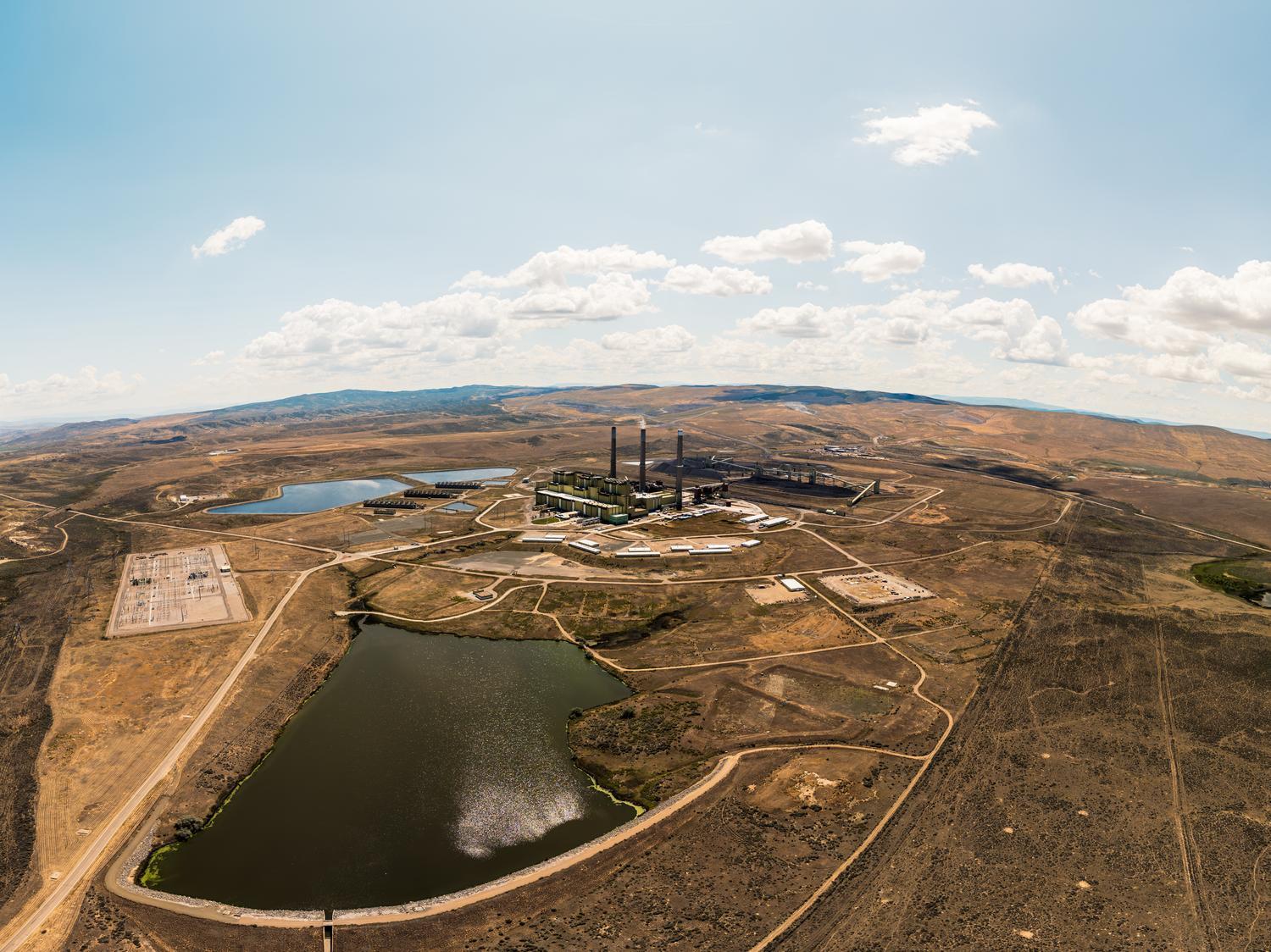
Parallel to this, the agency has systematically dismantled protections regarding toxic emissions. In a series of rapid-fire rule changes, the EPA weakened the Mercury and Air Toxics Standards (MATS), which had previously restricted the output of mercury, arsenic, and lead from coal-fired power plants. Simultaneously, the agency has narrowed the legal scope of the Clean Water Act by redefining the "Waters of the United States" (WOTUS) rule, effectively stripping federal oversight from millions of acres of wetlands and smaller tributaries that serve as the headwaters for the nation’s drinking water supplies.
Supporting Data and Environmental Impact
The technical implications of these rollbacks are significant. According to data provided by the EPA’s own former internal reports, the cumulative impact of these deregulatory measures is expected to result in a measurable uptick in particulate matter (PM2.5) and ozone levels. Public health experts have long correlated these pollutants with increased incidences of pediatric asthma, chronic obstructive pulmonary disease (COPD), and cardiovascular mortality.
The economic stakes are equally substantial, particularly for the $1.1 trillion outdoor recreation sector. Organizations such as Protect Our Winters (POW) have highlighted that the health of the outdoor economy is inextricably linked to environmental stability. In Vermont, longitudinal climate data indicates a 22% reduction in snow-cover days over the last two decades—a trend directly linked to the warming patterns that the EPA’s previous climate regulations were designed to curb. In Western urban centers, including Denver, Salt Lake City, and Los Angeles, the frequency of "unbreathable air" days has surged, leading to direct economic losses for tourism and local businesses that rely on consistent outdoor activity.
The Sidelining of Scientific Evidence
Central to this transformation is a fundamental change in the role of science within the agency. The EPA has historically relied on the Scientific Advisory Board (SAB) and the Clean Air Scientific Advisory Committee (CASAC) to peer-review regulatory decisions. Reports indicate that these bodies have been largely sidelined or reorganized to include members with backgrounds in industry advocacy rather than peer-reviewed climate research.
Furthermore, the dissolution of the EPA’s Office of Environmental Justice and the removal of the EJScreen tool—a digital mapping resource used to identify vulnerable populations disproportionately affected by pollution—represent a significant loss of transparency. Without these databases, policymakers and community advocates alike lack the granular information required to identify where industrial pollution is most acutely impacting marginalized neighborhoods. The agency’s shift toward "enforcement discretion" further exacerbates this issue, as the EPA has significantly reduced the frequency of site inspections and lowered the penalties for non-compliance, effectively shifting the burden of pollution monitoring to state agencies and private citizens.
Official Responses and Industry Perspective
Industry stakeholders, including representatives from the coal and manufacturing sectors, have largely characterized these actions as a necessary correction to regulatory overreach. Proponents of the current EPA agenda argue that strict emissions standards place American industry at a competitive disadvantage in the global market. They assert that the previous regulatory environment stifled energy production and that the "energy emergency" declarations, which have allowed aging coal plants to continue operations, are vital for maintaining grid reliability during peak demand cycles.
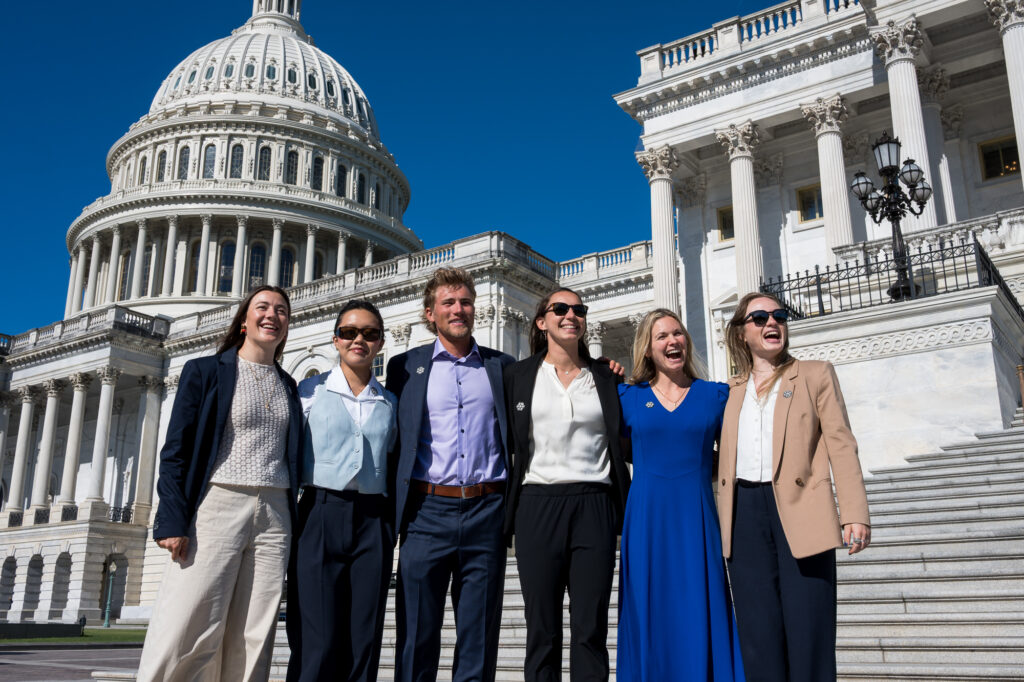
Conversely, environmental advocacy groups and scientific coalitions have launched formal protests. Protect Our Winters and the POW Action Fund have announced a coordinated effort to lobby in Washington, D.C., seeking to force a legislative audit of the EPA’s recent deregulatory actions. Legal experts suggest that these moves are likely to trigger a protracted series of court battles. The central question in these pending legal challenges will be whether the agency has the administrative authority to ignore the scientific findings—such as those regarding the 1.5°C warming threshold—that served as the basis for the original Clean Air Act regulations.
Implications for the Future
The broader implication of this pivot is a fundamental shift in the social contract between the federal government and the public. By framing the EPA’s mission around industry support rather than public health protection, the agency has entered a period of administrative uncertainty. The loss of institutional expertise, exacerbated by significant staff reductions and the departure of long-term civil servants, suggests that the agency may struggle to regain its regulatory capacity even if policy priorities shift in the future.
Furthermore, the weakening of the "Good Neighbor" rule—which prevented upwind states from exporting smog to downwind neighbors—has already prompted litigation from several state attorneys general. This indicates that the battle over environmental protection is moving from the federal regulatory stage to the courts and individual state legislatures.
As the agency continues to operate under its current mandate, the focus for stakeholders remains on the long-term ecological consequences. With atmospheric carbon concentrations reaching historic highs, the removal of the Endangerment Finding and the weakening of vehicle emissions standards suggest a trajectory that is, according to most climate models, incompatible with global temperature stabilization targets.
Summary of Major Policy Shifts
- Climate Regulation: Total revocation of the Endangerment Finding, ending the federal mandate to regulate greenhouse gases.
- Air Quality: Substantial rollbacks on Mercury and Air Toxics Standards (MATS) and the Good Neighbor rule.
- Water Security: Narrowed definition of protected waterways and weakened Section 401 authority of the Clean Water Act.
- Enforcement: A transition toward "enforcement discretion," resulting in a decline in site inspections and industrial penalties.
- Data and Science: Dismantling of the Office of Environmental Justice and the removal of the EJScreen mapping database.
- Administrative Structure: Budget reductions exceeding 50% in key environmental research divisions and the recruitment of industry-affiliated personnel to advisory roles.
As the political debate intensifies, the primary concern for the scientific community remains the permanence of these changes. Once an agency’s infrastructure—its databases, its scientific review boards, and its enforcement mechanisms—is dismantled, the process of restoration requires years of administrative rebuilding and legislative intervention. For the millions of Americans who rely on clean air and stable climates for their livelihoods and health, the current state of the EPA represents a pivot toward a future where environmental oversight is increasingly voluntary, a shift that carries profound implications for the next century of environmental governance.

