
The Trump administration has initiated a series of rapid policy reversals aimed at restructuring the United States energy landscape, prioritizing fossil fuel extraction and traditional power generation over renewable energy development and climate science. These actions, characterized by federal interventions in state-level energy transitions and the suspension of multi-billion dollar clean energy projects, represent a fundamental shift in the nation’s environmental and economic strategy. From the freezing of offshore wind developments to the proposed opening of vast oceanic territories for oil exploration, the administration is moving to dismantle frameworks established over the previous decade.
Suspension of Major Offshore Wind Projects
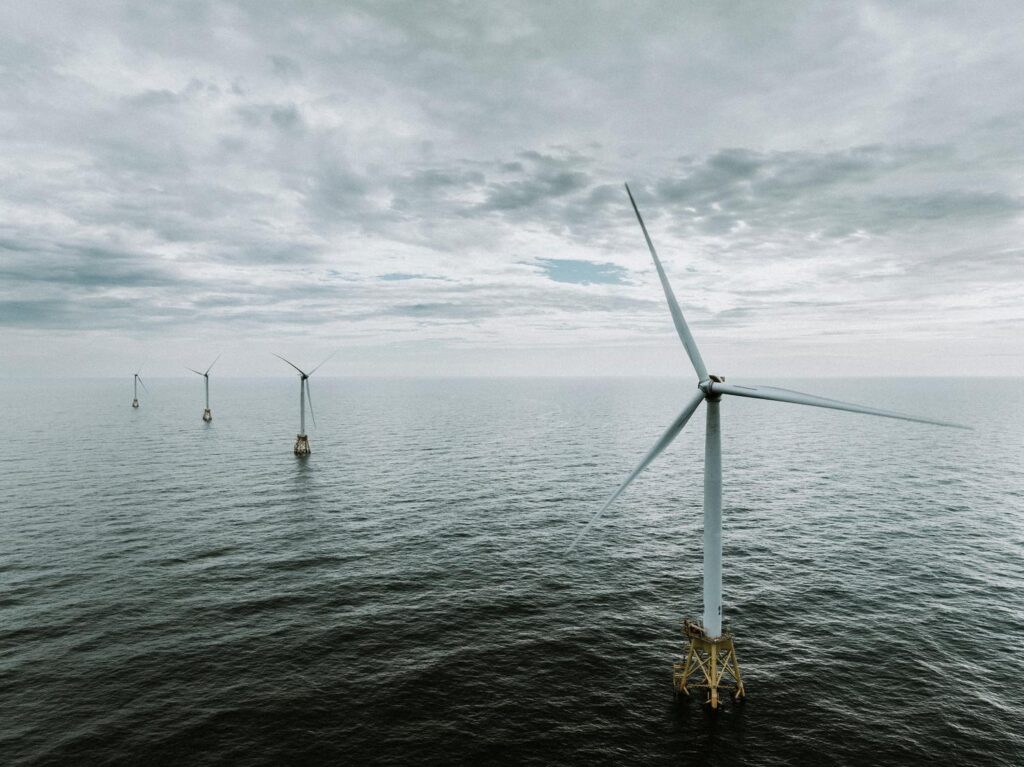
In a move that has sent shockwaves through the renewable energy sector, the Department of the Interior (DOI) has ordered an immediate halt to five major offshore wind projects currently under construction. These projects—Vineyard Wind, Revolution Wind, Coastal Virginia Offshore Wind, Sunrise Wind, and Empire Wind—represent the vanguard of the American offshore wind industry. Collectively, these installations were expected to provide several gigawatts of clean electricity to the Eastern Seaboard, enough to power millions of homes.
The administration cited "national security concerns" as the primary justification for the work stoppage. While the specific nature of these concerns remains classified, officials indicated that the placement of turbines and associated subsea infrastructure could potentially interfere with maritime surveillance, radar systems, or naval operations. However, industry analysts and former energy officials have noted that these projects had already undergone years of rigorous federal review, including vetting by the Department of Defense and the Bureau of Ocean Energy Management (BOEM).
The immediate impact of this decision is significant. Thousands of specialized jobs in states like Massachusetts, Virginia, and New York are now in jeopardy. Furthermore, the halt creates a climate of extreme uncertainty for international investors who have committed billions of dollars to the U.S. energy transition. Financial experts suggest that this move could raise the "risk premium" for future American infrastructure projects, potentially driving capital to European or Asian markets where regulatory environments are perceived as more stable.
Proposed Expansion of Offshore Oil and Gas Leasing
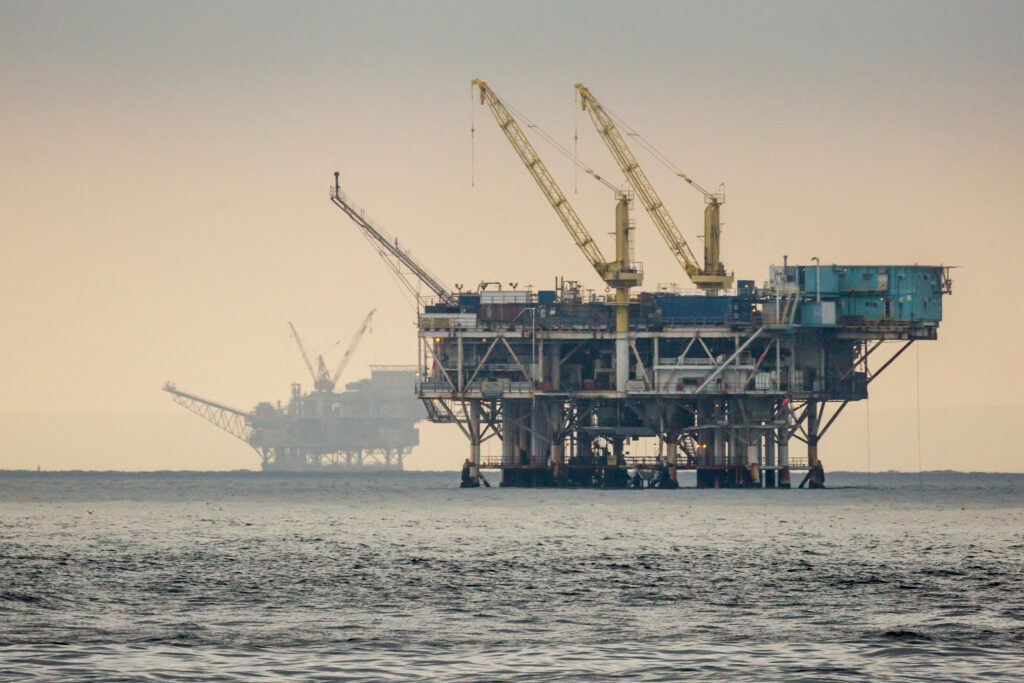
Parallel to the restrictions on wind energy, the administration has unveiled a draft proposal to open approximately 1.27 billion acres of U.S. federal waters to oil and gas drilling. This plan encompasses nearly the entire Outer Continental Shelf, including sensitive areas off the coasts of California and Florida, as well as vast tracts in the Arctic and the Atlantic.
This proposal serves as a direct replacement for the previous administration’s 2024-2029 Five-Year Program, which had limited leasing to a record-low number of sales. The new strategy seeks to maximize domestic production to ensure "energy dominance." Proponents of the plan argue that expanded drilling will lower energy costs for consumers and reduce reliance on foreign oil.
Conversely, coastal governors and environmental organizations have expressed concern regarding the potential for catastrophic oil spills and the long-term impact on the tourism and fishing industries. Economic data from the National Oceanic and Atmospheric Administration (NOAA) indicates that the "blue economy"—which includes recreation and commercial fishing—contributes hundreds of billions of dollars to the U.S. GDP annually. Critics argue that the risks posed by offshore drilling to these established sectors outweigh the projected gains from fossil fuel extraction.
Federal Intervention in Colorado’s Energy Transition
In a rare use of federal emergency powers, the U.S. Department of Energy (DOE) has intervened to prevent the scheduled retirement of a coal-fired power plant in Colorado. The Craig Generating Station’s Unit 1, a facility nearly 50 years old, was slated for decommissioning as part of a long-negotiated transition toward cleaner energy sources by local utilities and state regulators.
Invoking Section 202(c) of the Federal Power Act, the DOE issued an emergency order requiring the plant to remain operational to maintain grid reliability. This intervention occurred despite the fact that the unit was already offline due to mechanical failures and that local utility providers, including Tri-State Generation and Transmission Association, had already accounted for its closure in their long-term resource planning.
The decision has sparked a jurisdictional debate between federal and state authorities. Colorado state officials have argued that the federal government is overstepping its bounds and forcing ratepayers to subsidize an uneconomic and aging facility. Independent analysts suggest that keeping the Craig plant online will lead to higher electricity bills for rural consumers, as the cost of maintaining the failing infrastructure exceeds the cost of purchasing power from newer, more efficient sources.
Threats to the National Center for Atmospheric Research
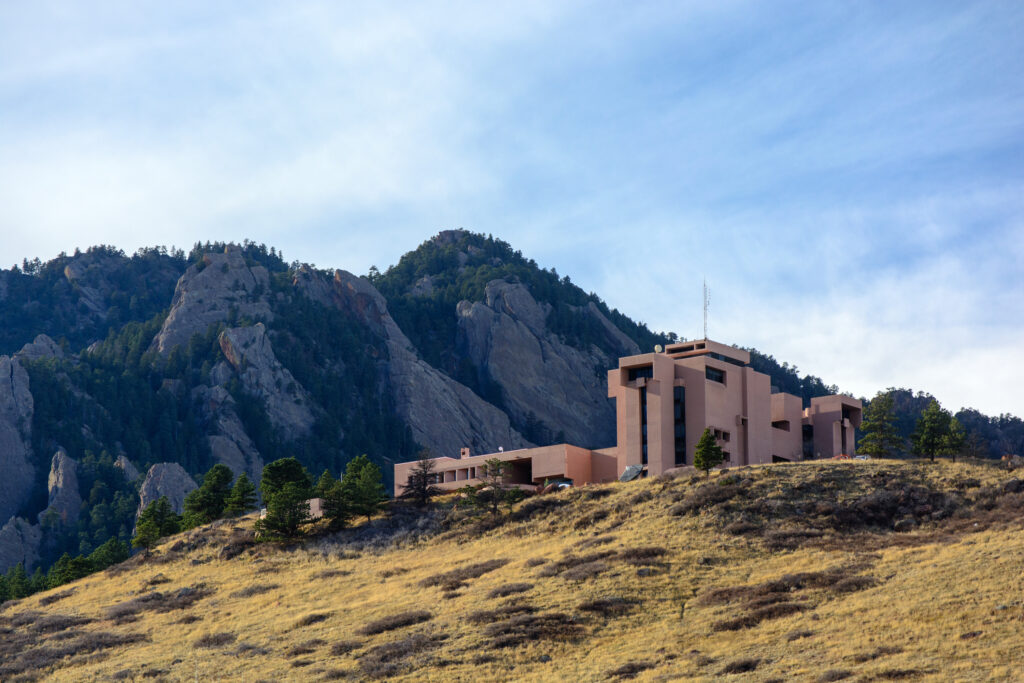
The administration has also signaled a potential defunding or complete shutdown of the National Center for Atmospheric Research (NCAR) in Boulder, Colorado. Established in 1960 and managed by the University Corporation for Atmospheric Research (UCAR) with funding from the National Science Foundation (NSF), NCAR is one of the world’s premier institutions for climate and weather modeling.
NCAR’s contributions are integral to both public safety and economic planning. The center’s supercomputing capabilities provide the data necessary for:
- Wildfire Forecasting: Developing models that predict the spread of fires, allowing for more effective deployment of emergency services in the Western U.S.
- Extreme Weather Warnings: Enhancing the accuracy of hurricane and tornado tracking, which saves lives and mitigates property damage.
- Agricultural Planning: Providing long-term precipitation and temperature trends that farmers rely on for crop selection and water management.
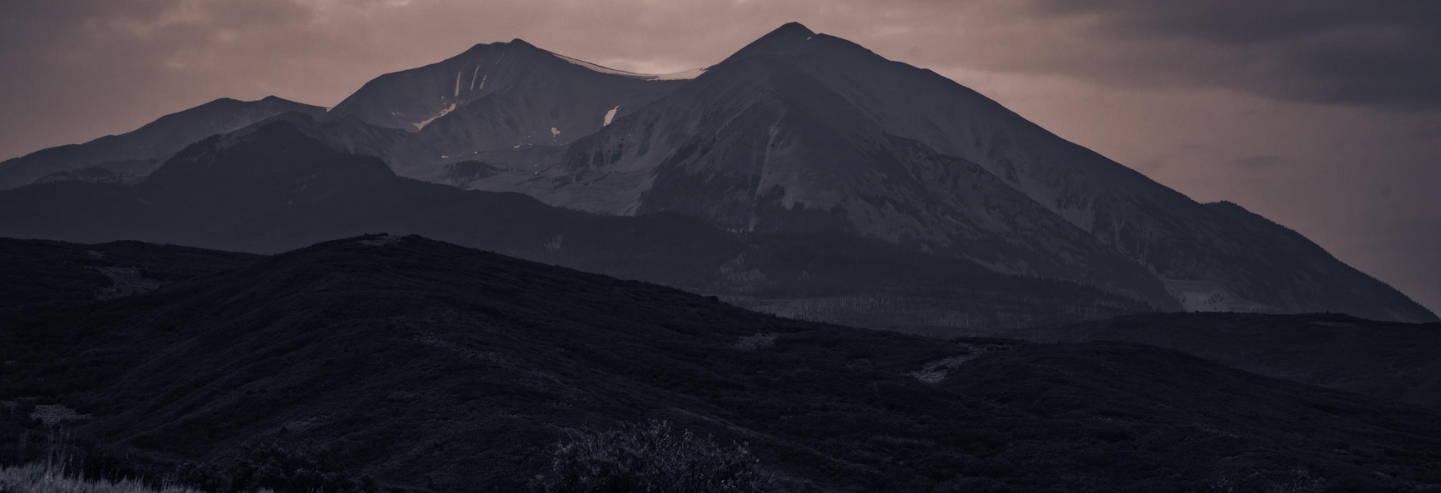
The administration’s skepticism toward climate science has fueled the drive to reduce the center’s budget. However, scientific advocates warn that dismantling NCAR would create a "data vacuum," leaving the United States dependent on foreign entities for essential meteorological information. The loss of NCAR would also impact the Science Alliance and various academic partnerships that utilize its datasets to study snowpack levels, which are crucial for the water security of the American West.
Economic and Strategic Implications
The pivot toward fossil fuels and the suppression of renewable projects reflect a broader strategic belief within the administration that traditional energy sources are the most reliable foundation for national security. This perspective, however, faces challenges from evolving global economic trends.
According to data from the International Renewable Energy Agency (IRENA), the cost of solar and wind power has dropped by over 80% and 40%, respectively, over the last decade. By halting wind projects and forcing coal plants to stay open, the administration may be tethering the U.S. economy to more expensive energy forms. Furthermore, the "energy independence" argument is complicated by the global nature of the oil market; even with increased domestic production, U.S. gasoline prices remain sensitive to international conflicts and OPEC+ production decisions.
The environmental implications are equally stark. Atmospheric scientists note that the increase in greenhouse gas emissions from expanded drilling and prolonged coal use will accelerate the warming of the Arctic and the depletion of the Western snowpack. For the outdoor recreation industry—a sector that contributes $1.1 trillion to the U.S. economy according to the Bureau of Economic Analysis—these changes represent an existential threat. Reduced winter seasons and increased wildfire activity directly impact ski resorts, guiding services, and local tourism-dependent communities.
Chronology of Recent Energy Actions
The following timeline illustrates the rapid pace of these policy shifts:
- Late December: The DOI quietly issues stay orders for five offshore wind projects citing classified security reviews.
- Early January: The DOE invokes the Federal Power Act to keep the Craig Generating Station Unit 1 online, one day before its scheduled retirement.
- Mid-January: The administration releases the "Dominance on the Seas" proposal, identifying 1.27 billion acres for offshore oil and gas leasing.
- Late January: Budgetary memos surface suggesting a 70% reduction in funding for NCAR, with the possibility of a total facility closure by the next fiscal year.
Reactions and Potential Legal Challenges
The administration’s actions have met with significant resistance from a diverse coalition of stakeholders. The Surfrider Foundation and Protect Our Winters (POW) have launched public comment campaigns, mobilizing coastal and inland residents to oppose the offshore drilling expansion. These organizations argue that the "national security" justification for halting wind projects is a pretext for favoring the fossil fuel industry.
Legal experts anticipate a wave of litigation. State attorneys general from California, New York, and Massachusetts are reportedly preparing lawsuits to challenge the federal government’s authority to override state environmental protections and utility plans. The "national security" claims used to halt wind projects will likely be scrutinized in federal court, where the government will be required to provide evidence that the turbines pose a genuine threat that cannot be mitigated.
As the 2026 midterm elections approach, these energy policies are expected to become a central point of contention. The administration remains steadfast in its approach, asserting that its "all-of-the-above" energy strategy—which currently appears heavily weighted toward "traditional" sources—is the only way to ensure American prosperity. However, for the scientists at NCAR, the workers on offshore wind vessels, and the communities relying on a stable climate, the stakes of this policy shift could not be higher. The coming months will determine whether these administrative actions stand or if they will be curtailed by judicial oversight and public opposition.

