
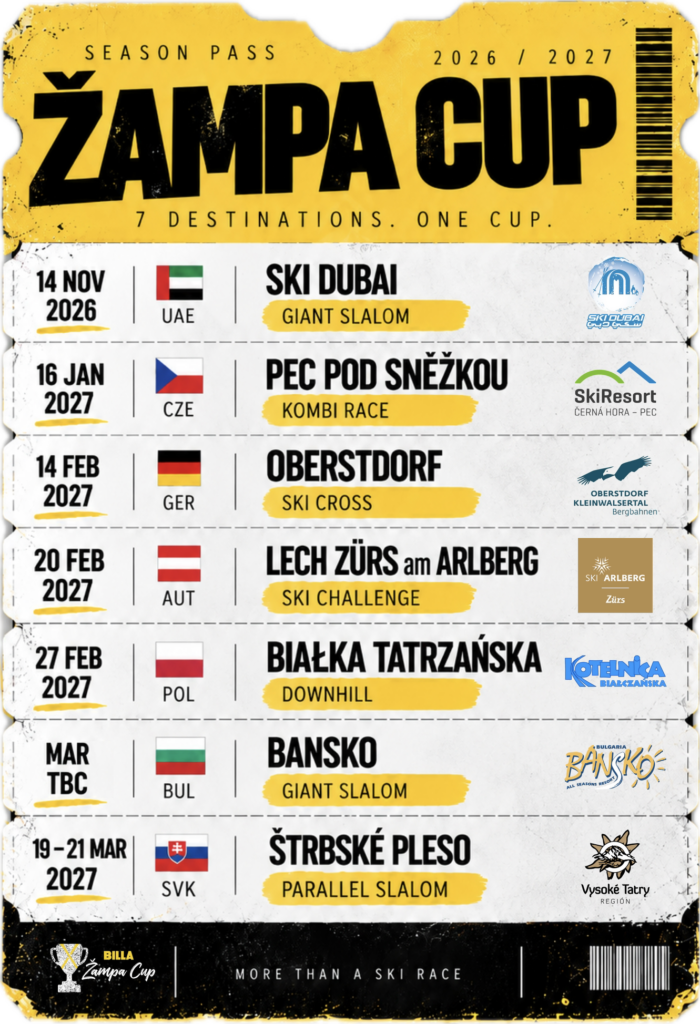
The BILLA Zampa Cup, a premier youth ski racing series, has officially unveiled its most ambitious calendar to date, marking a significant milestone in the organization’s history by expanding across two continents and seven countries for the 2026-27 season. This expansion represents the most substantial growth in the series’ 12-year history, evolving from a localized grassroots competition in Slovakia into a sophisticated international platform for young alpine athletes. The upcoming season, which kicks off on November 14, 2026, will bridge the gap between regional youth development and the global stage, further cementing the Zampa family’s commitment to the accessibility of alpine skiing.
The 2026-27 circuit will feature a diverse array of venues, including high-profile additions such as Ski Dubai in the United Arab Emirates, Oberstdorf in Germany, and Bansko in Bulgaria. This geographic diversification is intended to foster a global community of young skiers, providing them with experience in varying climates and terrains, from the traditional slopes of the European Alps to the unique, controlled environment of indoor skiing in the Middle East.
The Evolution of the Zampa Cup: From Humble Beginnings to Global Reach
The origins of the Zampa Cup date back to 2014, when the initiative began with a modest gathering of approximately 30 children at Štrbské Pleso, Slovakia. Conceived by the Zampa brothers—Adam, Andreas, and Teo—the project was initially designed to address the perceived lack of high-quality, accessible racing opportunities for children in the region. The brothers, drawing upon their own experiences as professional athletes, sought to replicate the atmosphere and professionalism of elite-level competition in a way that was inclusive and supportive rather than purely performance-driven.
Over the past decade, the series has undergone a systematic transformation. By focusing on the "family atmosphere" and removing traditional barriers to entry, such as prohibitive participation fees, the Zampa Cup has grown into an annual fixture on the European youth calendar. The 2026-27 expansion into the United Arab Emirates is the culmination of a multi-year strategy to professionalize youth development in the sport. The decision to host the season opener at Ski Dubai serves as a testament to the series’ adaptability, as it marks the first time the competition has ventured outside the European continent.
2026-27 Calendar: A Strategic Roadmap
The 2026-27 schedule is characterized by a deliberate mix of established alpine hubs and innovative new venues. The season will commence on November 14 with a giant slalom event inside the Ski Dubai facility, which will also feature a specialized U18 category to challenge older youth competitors. Following the Middle Eastern debut, the series will pivot back to Europe, traversing six countries to host a variety of technical and speed-based race formats. The tour will conclude with a three-day, high-stakes finale at the iconic venue of Štrbské Pleso, Slovakia, scheduled for March 19-21, 2027.
This calendar is more than just a list of races; it is a carefully curated journey designed to expose young athletes to different cultures and environments. The inclusion of Oberstdorf and Bansko reflects a strategic move to engage with emerging ski markets in Central and Eastern Europe, ensuring that the next generation of talent has access to world-class infrastructure.
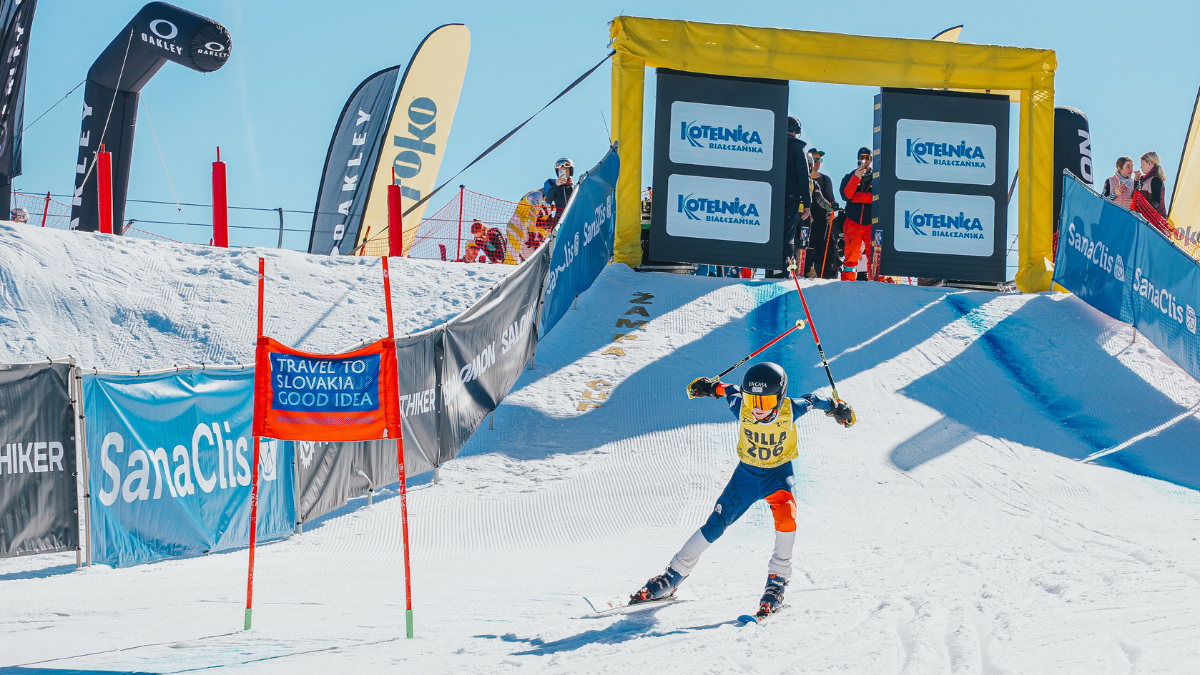
Data-Driven Development: The Impact on Youth Athletics
The effectiveness of the Zampa Cup is measured not only by the number of participants but by the quality of the developmental pipeline it provides. By integrating with established fixtures of the international ski calendar—such as the Audi FIS Ski World Cup in Alta Badia and the Hahnenkamm races in Kitzbühel—the organization provides tangible incentives for young racers.
The cooperation with the Alta Badia World Cup is particularly noteworthy. Clubs that field at least five athletes across three series events are entered into a season-ending draw. The reward is a comprehensive "World Cup Experience," where winning teams of six children and two coaches are invited to witness the pinnacle of the sport firsthand. Data from previous seasons suggests that such interactions with professional role models are a significant catalyst for long-term athlete retention in the sport.
Furthermore, the Zampa Cup’s collaboration with the Longines Future Hahnenkamm Champions ensures that the top-performing Slovak youth are provided with a pathway to compete on the legendary Ganslern slope. This direct linkage between grassroots development and the World Cup circuit is a cornerstone of the project’s success, providing a clear trajectory for aspiring professionals.
Institutional Philosophy and the Role of Mentorship
The philosophy governing the Zampa Cup remains centered on the concept of holistic athlete development. While the competitive nature of the races is maintained, the organizers emphasize that the event is intended to be a multi-dimensional experience. This includes the implementation of a "partner zone" at each event, featuring activities and cross-sport initiatives that encourage children to remain physically active regardless of their individual race results.
"The Zampa Cup is special mainly because of its family atmosphere," said Teo Zampa. "Together with my brothers, we want to give children the opportunity to experience the feeling elite athletes have at the highest level, while simultaneously fostering a love for the sport that isn’t solely dependent on the clock."
This perspective is shared by the entire leadership team, who view the current expansion as a means to solidify the sport’s future. By reducing the stress associated with early-stage competition and focusing on the enjoyment of the sport, the Zampa Cup aims to mitigate the high dropout rates often seen in youth alpine skiing.
Media Collaboration and Future Outlook
To enhance the visibility of these efforts, the Zampa Cup has entered a long-term partnership with Ski Racing Media (SRM). This collaboration is designed to document the narratives of individual athletes, coaches, and families as the series progresses across its seven-country circuit. By providing in-depth coverage and hosting joint initiatives, such as giveaways and feature stories, the partnership aims to expand the series’ audience and attract broader support from the international ski community.
This media strategy follows a recent, widely circulated profile on the Zampa family, which highlighted the intergenerational commitment to the sport. As the series moves into this period of unprecedented growth, the focus on storytelling will serve as a vital tool for recruitment and brand development, ensuring that the values of the organization are clearly articulated to stakeholders and fans alike.
Analysis: Implications for Global Alpine Skiing
The expansion of the Zampa Cup signals a shift in the landscape of youth sports management. By demonstrating that a grassroots event can successfully integrate with elite-level logistics, the Zampa brothers have provided a blueprint for other niche sports to follow. The inclusion of an indoor venue like Ski Dubai demonstrates that geography is no longer an insurmountable obstacle to participation in alpine sports.
However, the rapid growth also presents challenges. Managing logistics across two continents, maintaining the quality of race surfaces, and ensuring consistent safety standards across seven different countries will require significant operational oversight. If successful, the 2026-27 season could set a new industry standard for youth series, potentially leading to increased investment and sponsorship interest in the sector.
Looking forward, the Zampa brothers have expressed a commitment to stability despite the expansion. While they acknowledge that they did not initially anticipate the series reaching this scale, they emphasize that the core mission—to make skiing accessible and enjoyable for the next generation—remains the driving force behind every decision. As the calendar for the 2026-27 season approaches, the focus remains on the upcoming opening race in Dubai, a symbolic start to what promises to be a transformative year for the organization and its young participants.
In summary, the Zampa Cup has evolved from a local initiative into a global movement. Through its focus on mentorship, professional integration, and the preservation of a supportive family atmosphere, it is effectively preparing the next generation of alpine skiers for the challenges of the sport, both on and off the mountain. As the series continues to grow, it remains a critical case study in how to scale a grassroots project while maintaining the authenticity that made it successful in the first place.

