
The Alpine region of Zermatt, Switzerland, is mourning the death of a 55-year-old American national who perished following a fatal fall into a crevasse on the Breithorn Plateau earlier this week. The incident, which occurred shortly after noon on Monday, has prompted a formal investigation by the local Public Prosecutor’s Office as authorities reiterate the severe risks associated with off-piste navigation in high-altitude glacial environments.
According to preliminary reports from emergency responders, the individual had strayed into a restricted zone in the vicinity of the Klein Matterhorn Glacier. The terrain, characterized by deep, often hidden glacial fissures, is notoriously dangerous for those not equipped with professional mountaineering gear or lacking local guidance. Upon receiving an emergency alert, rescue teams initiated a rapid search-and-rescue operation. While they successfully located the victim’s position within the crevasse, rescuers were ultimately unable to provide aid, and the operation shifted to a recovery mission. The Public Prosecutor’s Office is currently reviewing the circumstances leading to the man’s entry into the restricted area to determine if additional signage or safety measures were circumvented. This tragedy serves as a somber reminder of the unforgiving nature of the high Alps, even during the transition months between seasons.
Summer Tourism Trends in the French Mountains
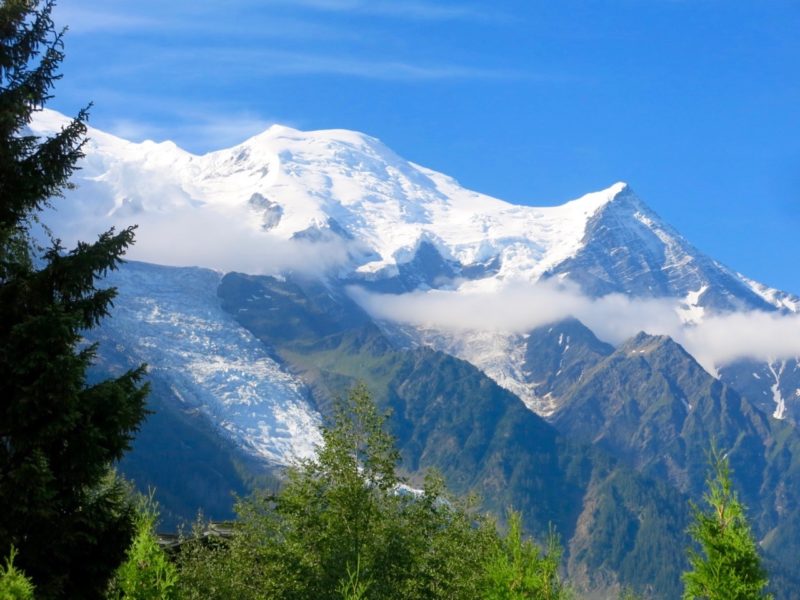
While the tragedy in Zermatt highlights the dangers of high-altitude exploration, new data from Domaines Skiables de France (DSF) suggests that mountain destinations are becoming increasingly popular for summer tourism. The phenomenon, colloquially referred to as "coolcations," reflects a growing preference among European travelers to escape urban heatwaves by seeking the cooler, more temperate climates of the French Alps and Pyrenees.
Detailed figures from the summer season, spanning from July 4 to August 22, 2026, indicate an occupancy rate of 65.8%, representing a 2.5% increase compared to the summer of 2025. The peak of this activity occurred during the week of August 8, when regional occupancy rates soared to 80.7%. Over the broader summer window—from June 13 to September 11—the average occupancy across French mountain resorts remained steady at 52.7%.
Analysts from G2A, an organization specializing in mountain tourism trends, attribute this growth to the strategic diversification of mountain resorts. Many destinations that were once exclusively winter-focused have significantly expanded their summer portfolios, offering activities such as mountain biking, paragliding, hiking, and wellness retreats. The Pyrenees have emerged as a standout performer in this sector, achieving an average occupancy of 55.7% and a peak of 79.4% in August. The Northern and Southern Alps followed with occupancy rates of 50.8% and 52.3%, respectively. As climate patterns shift, these figures suggest that the "mountain summer" is no longer a niche market but a vital pillar of the regional economy.

The Shrinking Glaciers of British Columbia
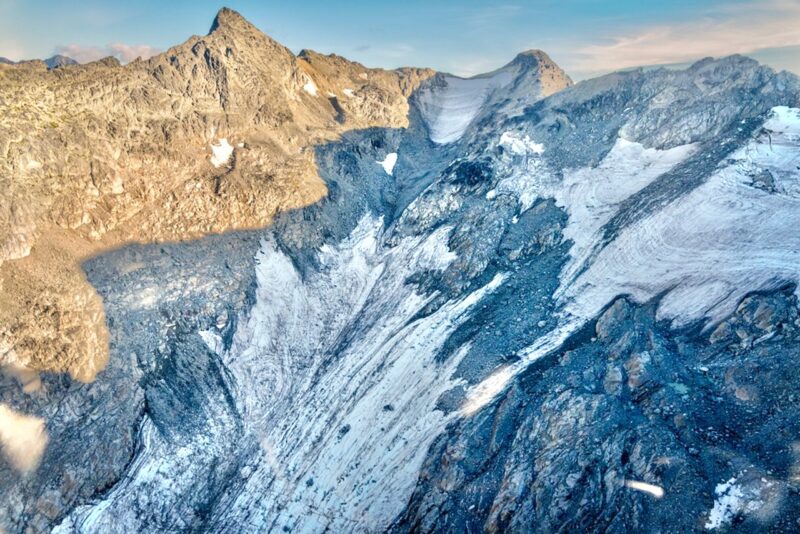
Beyond the European Alps, the global climate crisis continues to impact mountain ecosystems, with a new study from Simon Fraser University, published in the Annals of Glaciology, detailing the rapid decline of glacial mass in British Columbia. The research underscores a grim outlook for the Whistler, Horstman, and Blackcomb glaciers, which researchers warn are on an inevitable path to disappearance.
The Whistler Glacier is currently the most critical case, having experienced a 95% reduction in mass over the past five decades. Lead researcher Chloé Monty suggests that the glacier could vanish entirely within the next ten years. Meanwhile, the Horstman and Blackcomb glaciers have each lost approximately 75% of their total area over the same timeframe. Projections indicate that these glaciers will likely melt completely within the next 30 to 50 years.
"While we have observed glacial retreat on a global scale due to anthropogenic climate change, the speed at which these specific landmarks are receding is alarming," stated Monty. The study utilized historical image comparisons and satellite data to map the retreat, providing a visual testament to the warming climate. While Monty notes that the loss of these three specific glaciers is likely irreversible, she maintains that the findings should serve as an urgent call to action to mitigate the loss of larger, more stable ice bodies in Canada and across the globe.
Legal Precedent Set in Colorado Collision Case
In the United States, a significant legal development has concluded a long-standing collision dispute in Colorado. The Colorado Supreme Court has dismissed a lawsuit brought by a snowboarder against Vail Resorts following a 2020 collision involving a snowmobile. The court’s 4-3 decision hinged on a waiver signed by the plaintiff, John Litterer, when he purchased an Epic Pass for the 2022-23 ski season.
The ruling has sparked debate regarding the scope of liability waivers in the ski industry. The court determined that the language included on the back of the Epic Pass effectively released the resort from "any and all claims," including those that existed prior to the purchase of the pass. The specific clause cited by the court read: "I further release and give up any and all claims and rights that I may now have against any released party and understand this releases all claims, including those of which I am not aware, those not mentioned in this release and those resulting from anything which has happened up to now."
Legal experts suggest this ruling reinforces the ironclad nature of digital and physical waivers in the outdoor recreation industry. For Mr. Litterer, the outcome is twofold: not only was his case dismissed, but industry observers anticipate that Vail Resorts may now pursue him for approximately $60,000 in legal costs. This case highlights the necessity for consumers to carefully review the terms of service associated with seasonal ski products, as they may have broader legal implications than a typical point-of-sale agreement.
Evolving Consumer Expectations in Ski Tourism
As the industry navigates these legal and environmental challenges, companies like VIP SKI are seeking to better understand the changing preferences of the modern skier. The company has launched an extensive survey to analyze the role of culinary experiences in shaping the overall "ski holiday" product.
From the influence of dining options on accommodation selection to the significance of mountain-side lunches and evening chalet service, the survey aims to quantify what modern guests value most. This research is part of a broader effort to adapt to a demographic that increasingly views the quality of food and social atmosphere as being on par with the quality of the skiing itself.
The survey, which offers participants a chance to win a VIP ski holiday for the week of April 11, 2027, seeks to collect data on the "little things" that enhance the guest experience after a day on the slopes. This focus on consumer sentiment suggests that as the ski industry faces pressure from climate change and legal scrutiny, the refinement of the hospitality experience remains a key competitive advantage.
Implications and Future Outlook
The events of the past week provide a microcosm of the challenges facing the global mountain industry. From the tragic, immediate dangers of high-altitude terrain to the long-term, existential threats posed by glacial melt, the mountains are in a state of rapid transformation.
The increased reliance on summer tourism offers a potential economic cushion for resorts facing shorter, more volatile winter seasons, yet it also places new strains on local infrastructure and mountain environments. Furthermore, the hardening of legal protections for resort operators, as seen in the Colorado Supreme Court ruling, suggests a trend toward risk transfer in the industry, where the burden of safety is increasingly shifted onto the visitor.
As the industry looks toward the 2026-27 season, the dual mandate of maintaining safety in the face of unpredictable conditions and meeting the evolving demands of a modern tourist base will define the success of mountain regions worldwide. Whether through better-managed mountain access, deeper investment in summer-specific infrastructure, or more transparent communication regarding liability, the sector must continue to adapt to a changing landscape. The coming months will likely see further discourse on these issues, particularly as the scientific community continues to sound the alarm on glacial loss and as legal precedents continue to reshape the relationship between resorts and their patrons.

