
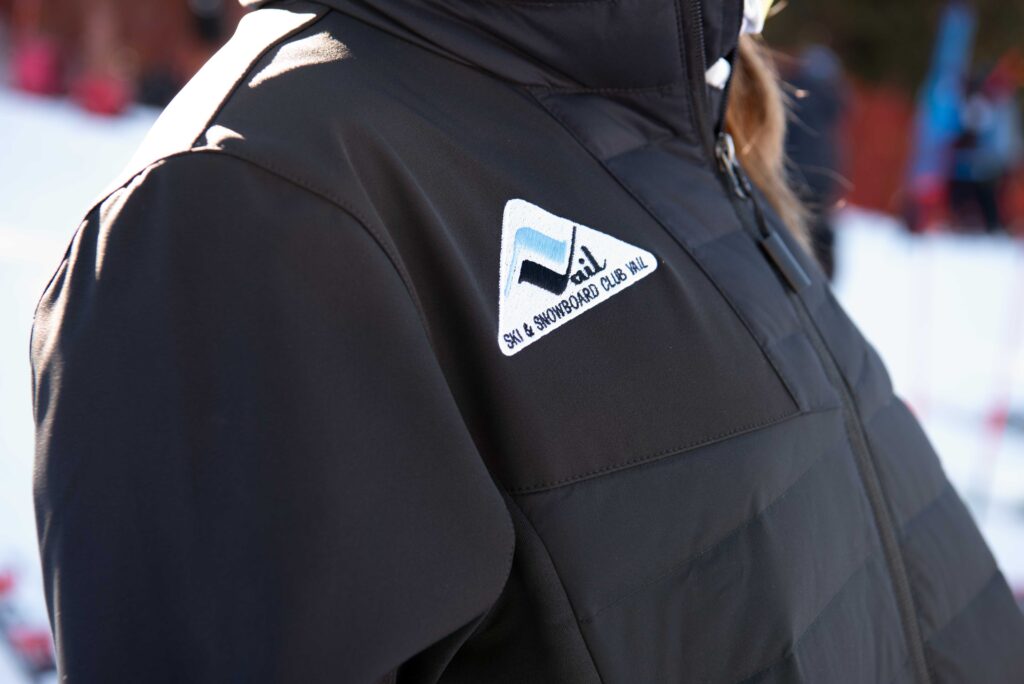
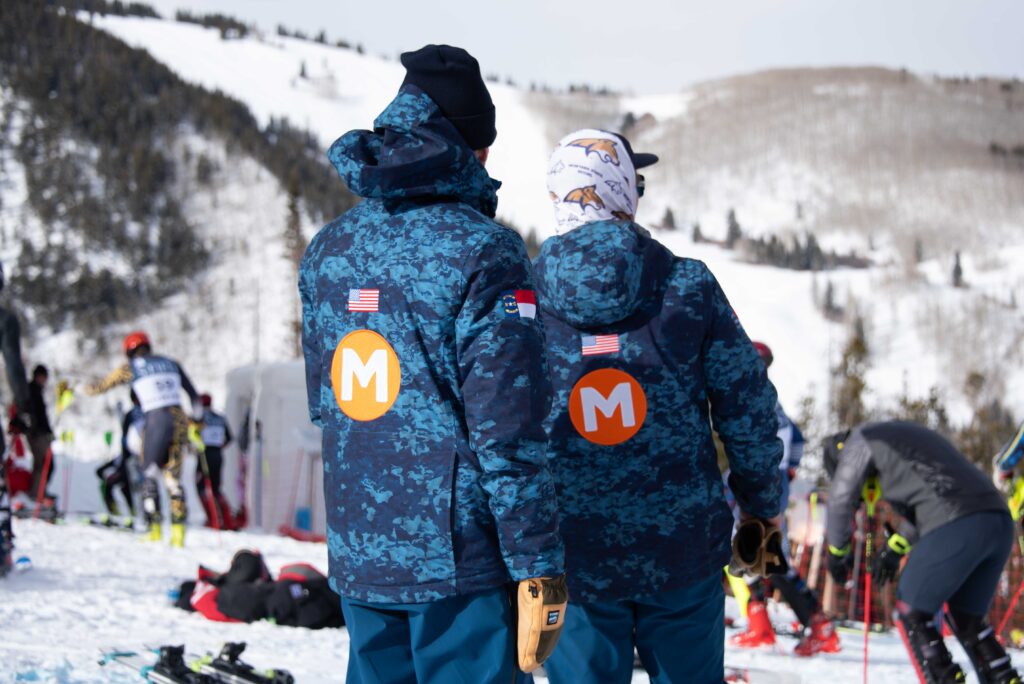
For ski teams, a uniform is more than a jacket or race suit; it is the visual bedrock of team identity, serving as a catalyst for collective spirit and a tangible symbol of club affiliation. In the high-stakes environment of competitive alpine racing, the shared aesthetic of a team helps foster psychological unity, bridging the gap between individual athletes and the broader collective. However, the operational reality of securing these uniforms has historically been plagued by rigid industry timelines, long lead times, and logistical inefficiencies that often clash with the dynamic growth patterns of modern ski clubs. As programs expand and rosters fluctuate, the traditional model—often requiring binding commitments months before the first snowfall—has proven increasingly inadequate.
The Evolution of Procurement in Winter Sports
For decades, the alpine ski industry has operated on a “seasonal commitment” model. Under this traditional framework, club administrators were expected to finalize roster sizes, secure budgets, and place bulk uniform orders between December and February for delivery the following September. This cycle, while predictable for manufacturers, created a significant administrative burden for clubs. In an era where athlete recruitment often extends into the late spring and summer, locking in gear orders during the height of the racing season frequently resulted in either over-ordering—to account for potential late-joining athletes—or under-ordering, which left new participants without branded gear.
This misalignment between the school/club academic year and the manufacturing cycle often resulted in financial waste and social exclusion. When a club misses the traditional order window, the impact is not merely logistical; it affects the athlete’s sense of belonging. The absence of a uniform for a new recruit can delay their integration into the team culture, a factor that coaches and athletic directors increasingly recognize as vital for long-term retention.
Addressing the Flexibility Gap
Recognizing these inefficiencies, organizations like SYNC Performance have shifted toward a year-round, demand-driven procurement model. This approach moves away from the “one-size-fits-all” annual order, offering clubs a modular system that supports both bulk acquisition and individualized, direct-to-family fulfillment. By leveraging on-demand manufacturing and real-time inventory management, this model allows clubs to operate with greater agility.

Data from recent industry surveys suggest that athletic programs that adopt flexible ordering systems experience a 15% increase in participant satisfaction regarding team culture. This is largely attributed to the reduction in “gear anxiety,” where families no longer face the pressure of committing to significant capital expenditures months in advance. Instead, the process is streamlined: the club establishes a digital storefront, and families manage their own sizing and payment requirements.
Operational Logistics and Administrative Efficiency
One of the most profound impacts of modernizing uniform procurement is the reduction of administrative labor for coaches and club directors. In traditional models, a head coach might spend dozens of hours annually acting as an apparel manager—tracking payments, resolving sizing discrepancies, and coordinating shipping logistics. This administrative load represents a significant opportunity cost; time spent managing spreadsheets is time stripped away from on-hill instruction, training plan development, and athlete mentorship.
By shifting the burden of individual orders, exchanges, and customer support to the supplier, the professional relationship between the club and the apparel provider changes. Katie Gilligan, Vice President of SYNC Custom, highlights that this service-oriented approach is designed to return the focus of the sport to the athlete. "Their time should be spent supporting athletes and building their programs, not tracking payments or troubleshooting apparel orders," Gilligan notes. This transition signifies a move toward a partnership model, where the apparel provider acts as an extension of the club’s staff rather than a mere transactional vendor.
Strategic Planning and Scalability
The integration of a year-round model also allows for more strategic fiscal planning. Clubs can now manage their budgets in alignment with actual registration numbers rather than speculative ones. This prevents the common issue of “dead stock”—expensive, logo-branded gear that remains in storage because a team did not grow at the predicted rate.
Furthermore, the implementation of a “Family & Fan Shop” allows clubs to extend their brand presence beyond the racing roster. By offering pro-level, non-branded or club-branded apparel to supporters, parents, and alumni, clubs can foster a larger community ecosystem. This additional revenue stream and brand visibility can be critical for smaller programs that rely on community engagement to secure local sponsorships or facility access.
International Considerations and Global Supply Chains
The logistics of outfitting teams are further complicated for international programs, particularly those operating across the U.S.-Canada border. For Canadian clubs, the “July 1” threshold remains a critical benchmark. Because international shipping and customs protocols can add significant costs and lead times, meeting this mid-summer deadline allows for direct factory-to-club fulfillment, bypassing intermediate import duties.
However, even when these windows are missed, the shift toward inventory-based, rather than project-based, manufacturing provides a buffer. While international teams may face duties and taxes for late-season shipments from U.S.-based warehouses, the ability to procure equipment at all—rather than being forced to wait an entire calendar year—provides a level of stability that was previously unavailable.
The Future of Team Identity
As the alpine ski industry continues to modernize, the focus is shifting from simple garment production to total program support. This evolution is driven by the realization that a uniform’s value is not found in the fabric, but in the psychological impact it has on the wearer. When an athlete pulls on a jersey that fits correctly and arrives on time, they are being signaled that their presence on the team is valued.
For many programs, the “first order” is no longer the culmination of the process, but the starting point of a multi-year development cycle. Sales managers and program coordinators are now working with clubs to conduct post-season reviews, evaluating which pieces saw the highest wear-and-tear, identifying which styles resonated with athletes, and planning inventory levels for the subsequent season. This iterative process allows programs to scale their identity in tandem with their athletic success.
Expert Analysis: The Impact on Club Retention
Industry analysts point out that the professionalization of team apparel management is a byproduct of the rising cost of participation in winter sports. As barriers to entry for alpine skiing increase, clubs are under mounting pressure to provide a seamless, high-value experience. When the logistics of joining a team are messy, it discourages families from committing to the sport.
Conversely, when a club presents a polished, efficient, and welcoming onboarding process—facilitated by simplified gear acquisition—it creates a more professional image. This, in turn, can help attract higher-quality coaching talent and secure stronger sponsorship deals. The uniform, therefore, acts as a primary marketing tool for the club’s brand, and its consistent availability is a key metric of organizational health.
Conclusion: A Proactive Path Forward
The transition toward flexible, year-round uniform procurement represents a significant maturation of the ski industry. By removing the constraints of traditional, rigid timelines and offloading the administrative burden from coaches to specialists, clubs are better positioned to focus on their primary objective: the development of athletes.
For programs currently evaluating their gear strategy, the advice from industry leaders is consistent: engage early, define the specific needs of the roster, and seek partners that offer scalable solutions. Whether through bulk ordering for competitive cohesion or individual stores for administrative ease, the goal remains constant. A team uniform should be a source of pride, not a source of stress. As clubs look toward future seasons, the ability to adapt to changing rosters and program growth will be the defining factor in building a sustainable and thriving ski community. By embracing these modern procurement strategies, clubs ensure that every athlete, from the newest recruit to the seasoned veteran, can stand on the hill and feel an immediate, visual connection to their team.

