
The Stifel U.S. Ski Team is embarking on a significant new chapter with the return of Sasha Rearick, a familiar and respected figure in American alpine skiing, to assume the pivotal role of Alpine Director. This strategic appointment, following a five-year tenure leading the Apex2100 International Ski Academy, marks Rearick’s re-engagement with U.S. Ski & Snowboard, bringing a wealth of experience and an evolved leadership perspective to the national program. His insights into this crucial transition and his vision for the future were recently shared in an in-depth conversation on the "Skiing Is Believing" podcast, officially presented by Ski Racing Media, offering a rare glimpse into the strategic thinking behind the team’s trajectory.
Rearick’s career in ski racing management spans over two decades, characterized by a deep understanding of athlete development and high-performance environments. Before his recent return, he spent more than a decade as the Head Coach of the U.S. Men’s Ski Team, a period marked by significant American successes on the global stage. During his initial tenure, from approximately 2003 to 2018, Rearick was instrumental in cultivating a generation of male alpine skiers who consistently challenged for podiums and titles across all disciplines. Under his guidance, athletes like Bode Miller, Ted Ligety, Steven Nyman, and Andrew Weibrecht achieved Olympic medals, World Championship titles, and numerous World Cup victories. Miller, a six-time Olympic medalist and two-time overall World Cup champion, and Ligety, a two-time Olympic gold medalist and five-time World Champion, were particularly emblematic of the team’s prowess during this era. Rearick’s role as Head Coach during this period was intensely focused on the day-to-day tactical execution, individual athlete performance management, and on-snow coaching, requiring an acute understanding of race strategies, equipment optimization, and athlete psychology in competitive scenarios. This direct, hands-on approach allowed him to forge strong relationships with athletes and shape their development from promising talents into global contenders.
Following his impactful run with the U.S. Men’s Team, Rearick transitioned to an international role, taking the helm at Apex2100 International Ski Academy in France. This move, spanning five successful seasons, provided him with a unique opportunity to broaden his perspective beyond a national team structure. Apex2100, situated in the French Alps, is a high-performance academy dedicated to nurturing young ski talent from around the world, offering a holistic program that integrates elite coaching, academic education, and personal development. Rearick’s leadership there involved designing long-term athlete pathways, managing a diverse international coaching staff, and implementing comprehensive development strategies for junior athletes aiming for the highest levels of the sport. This experience afforded him a global outlook on talent identification, systematic program building, and the complexities of fostering sustained excellence from grassroots to elite competition. It was a departure from the immediate pressures of World Cup racing, allowing him to focus on foundational elements and sustainable growth models, which he now brings back to the U.S. program.
In his conversation with "Skiing Is Believing" hosts Alan and Matt, Rearick meticulously delineated the fundamental differences between his former role as Head Coach and his new position as Alpine Director. He articulated that while a Head Coach primarily focuses on the direct performance outcomes of a specific team or discipline, the Alpine Director’s purview is significantly broader and more strategic. As Alpine Director, Rearick’s mandate extends to the "bigger picture," encompassing the overarching direction of the entire alpine program for both men and women. This includes critical areas such as the recruitment and development of coaching personnel, the strategic pipeline for athlete development from youth levels through the World Cup, and the long-term vision for U.S. alpine skiing success on the international stage. It signifies a shift from tactical, race-specific responsibilities to strategic, systemic leadership, aiming to create a robust and sustainable framework for future achievements.
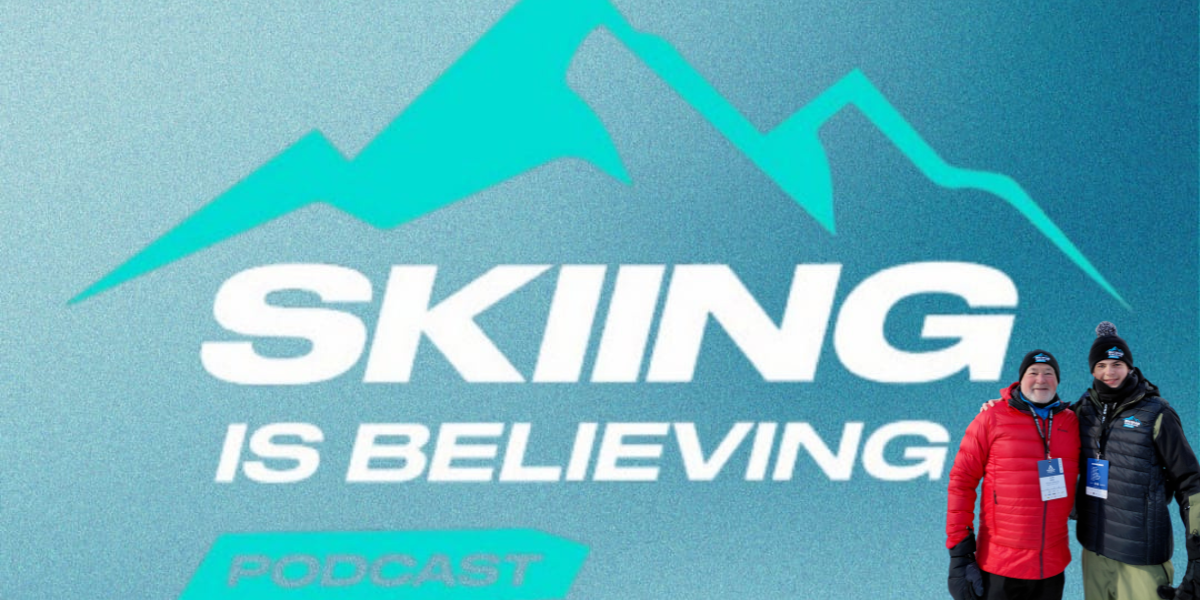
One of Rearick’s immediate and paramount priorities in his new role is the strategic strengthening of the coaching staff across the entire alpine program. He emphasized that the caliber and cohesion of the coaching environment are foundational to sustained team success. A pivotal move in this direction has been the appointment of Paul Epstein as the Head Coach of the U.S. men’s technical team. Epstein, a highly regarded figure within the ski racing community, brings extensive experience in developing technical specialists, and his integration into the leadership structure is expected to inject renewed focus and expertise into the men’s slalom and giant slalom programs. Rearick highlighted that building the "right coaching environment" involves not just hiring skilled individuals but also fostering a culture of collaboration, innovation, and athlete-centric development. This holistic approach to staff management is crucial for ensuring that athletes receive consistent, high-quality guidance throughout their careers, from junior development to the pinnacle of World Cup competition. The emphasis on a strong coaching foundation reflects a belief that a stable, expert leadership core is essential for navigating the complex demands of elite international ski racing.
The podcast conversation also delved into a comprehensive assessment of the current state of the Stifel U.S. Ski Team, acknowledging both recent triumphs and areas for strategic growth. Rearick reflected with pride on the women’s program, which recently achieved a historic milestone by securing its first FIS Nations Cup title in over 40 years. The Nations Cup is a prestigious team award based on the cumulative points earned by all athletes of a national federation across all disciplines in a World Cup season. This remarkable achievement underscores the exceptional depth and consistent performance of the U.S. women, led by perennial dominant force Mikaela Shiffrin, but also bolstered by strong results from athletes like Paula Moltzan, AJ Hurt, and others. This collective success is a testament to the strength of the existing program and provides a robust platform upon which Rearick aims to build, ensuring continued excellence and expanding the pipeline of talent.
For the men’s team, Rearick articulated a nuanced perspective, identifying significant opportunities for growth and outlining specific areas of strength. He highlighted the "exciting depth in slalom," pointing to a promising cohort of technical specialists such as Luke Winters, Ben Ritchie, and Jett Seymour, who have shown flashes of brilliance and possess the potential to consistently challenge for top results on the World Cup circuit. In the speed disciplines (downhill and super-G), Rearick noted a valuable "blend of experience and youth." While veteran speedsters like Steven Nyman and Travis Ganong have provided consistent leadership and strong performances over the years, a new wave of talent, including athletes like Sam Morse and Kyle Negomir, is emerging, poised to make their mark. This blend offers a crucial balance, allowing younger skiers to learn from seasoned professionals while injecting fresh energy and competitiveness into the program. Furthermore, Rearick specifically mentioned the "continued development of River Radamus," a versatile athlete who has demonstrated significant potential, particularly in giant slalom. Radamus represents the future of American men’s alpine racing, and his progression is a key focus for the new director. The challenge for the men’s program, as implicitly understood, will be to translate this potential into consistent podium finishes and overall discipline success, mirroring the recent achievements of their female counterparts.
The strategic implications of Rearick’s appointment and his "bigger picture" approach extend to the fundamental philosophy of program building. Towards the end of the episode, Matt’s insightful question about the time needed to construct a truly successful program, and whether former Alpine Director Mark Tilston had sufficient time to implement his vision, underscored a critical aspect of sports leadership. Rearick’s response, though not explicitly detailed in the summary, would undoubtedly touch upon the long-term nature of athlete development and systemic change. Building a sustainable high-performance program is not an overnight endeavor; it requires consistent investment in coaching, athlete welfare, technical support, and a coherent long-term strategy that can withstand immediate performance fluctuations. Tilston’s tenure, like any leader’s, would have laid certain groundwork, and Rearick’s task now is to assess that foundation, identify areas for enhancement, and strategically pivot where necessary to align with his evolved vision.
Rearick’s holistic approach is expected to foster a sustainable pipeline of talent, ensuring that the U.S. Ski Team remains competitive for years to come. This involves not only identifying and nurturing talent at younger ages but also providing seamless transitions through various development stages, from junior racing to the World Cup and potentially the Olympics. Challenges undoubtedly lie ahead, including navigating the ever-increasing competitiveness of international ski racing, securing adequate funding, managing athlete injuries, and adapting to evolving FIS regulations. However, with Rearick’s proven track record, extensive international experience from Apex2100, and a clear strategic vision for program-wide development, the Stifel U.S. Ski Team appears well-positioned to address these challenges and capitalize on its considerable potential. His return signifies a renewed commitment to comprehensive excellence, aiming to cultivate an environment where American alpine skiers can consistently achieve their highest aspirations on the world stage. Listeners are encouraged to tune into the full "Skiing Is Believing" podcast episode to gain further insights into Sasha Rearick’s strategic blueprint for the future of U.S. alpine skiing.

