
As winter approaches and mountain resorts prepare to open their lifts for the upcoming season, sports medicine specialists and physical therapists are intensifying their focus on pre-season conditioning. Skiing remains a high-velocity, high-impact sport where unpredictable variables such as hidden subsurface obstacles, variable snow conditions, and dense tree lines introduce inherent risks. While environmental hazards cannot be entirely eliminated, medical professionals emphasize that physiological preparedness is the most critical variable athletes can control to prevent debilitating musculoskeletal injuries.
According to recent data compiled by orthopedic and sports medicine associations, knee injuries—specifically tears of the anterior cruciate ligament (ACL)—account for a significant percentage of all alpine skiing trauma. Furthermore, muscle strains, shoulder separations, and lower back trauma frequently sideline recreational and advanced skiers alike. In response to these recurring statistics, physical therapists and biomechanics experts have established a specialized conditioning framework designed to fortify the human body against the unique physical demands of downhill skiing.
The Anatomy of Alpine Stress: Understanding Downhill Biomechanics
To comprehend why specialized training is essential for skiers, one must examine the unique biomechanical forces exerted on the human body during a descent. Unlike linear endurance sports such as running or cycling, alpine skiing requires continuous lateral weight-shifting, deceleration, and stabilization under high gravitational loads. As a skier carves through turns, their lower extremities act as dynamic shock absorbers, constantly reacting to changing terrain profiles, variable snow resistance, and gravitational acceleration.
Clinical observations reveal that standard general fitness routines—such as traditional weightlifting or casual cardio—frequently fall short in preparing the neuromuscular system for the specific stressors of alpine skiing. Skiing demands exceptional eccentric muscle control, isometric endurance, unilateral leg stability, and robust core integration. Without a targeted conditioning regimen established well in advance of the first snowfall, skiers face a vastly elevated risk of acute trauma and chronic overuse injuries.
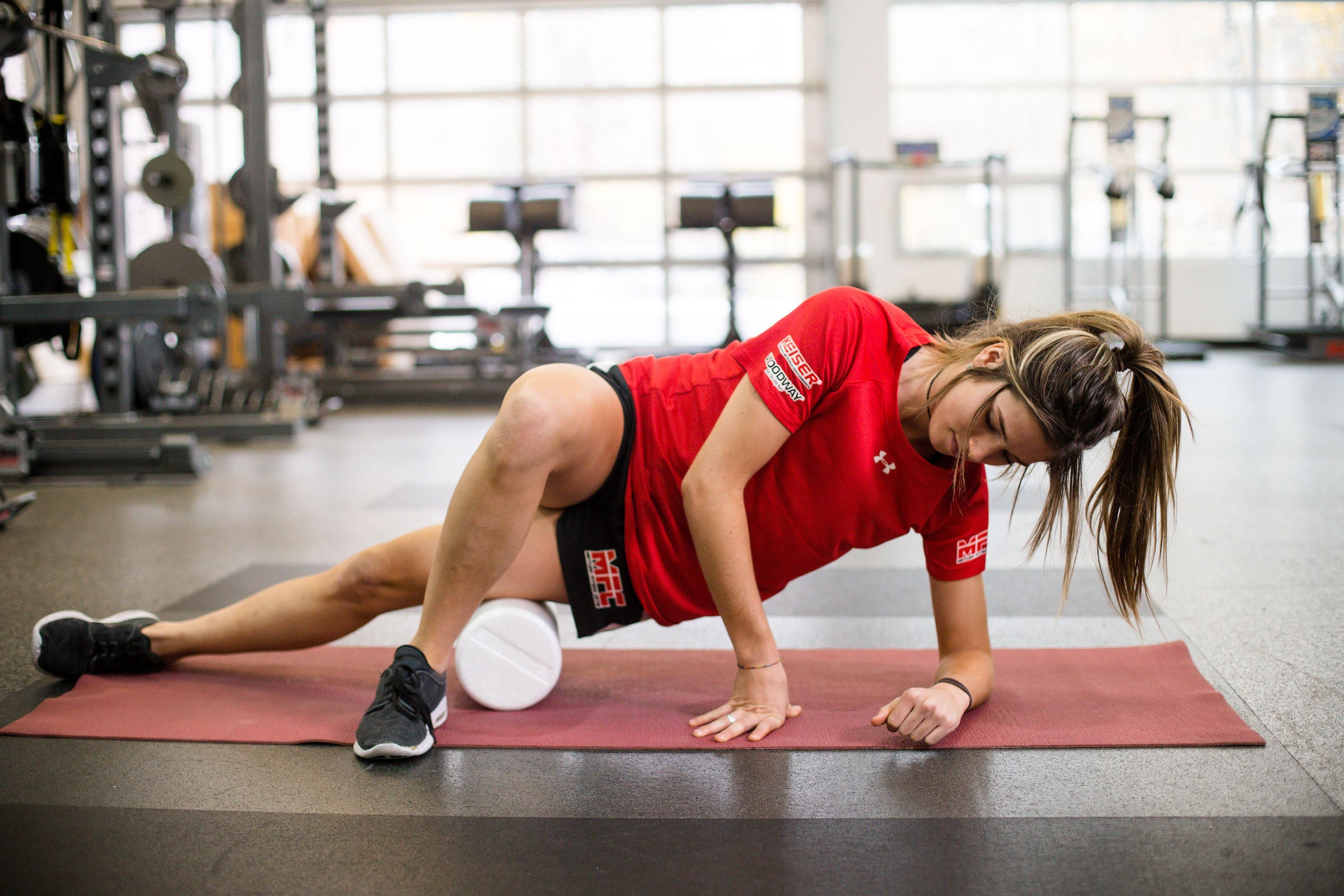
Timeline for Pre-Season Conditioning
Sports science literature consistently recommends that a structured ski-conditioning program should begin at least eight to twelve weeks prior to the first day on snow. This timeline allows the neuromuscular system to adapt to progressive overload, building tendon stiffness, joint stability, and muscular endurance.
During the initial phase of the pre-season window (weeks one through four), training programs typically focus on foundational strength, unilateral balance, and baseline core stability. Weeks five through eight introduce more complex movement patterns, heavier resistance loads, and dynamic plyometrics. In the final weeks leading up to the ski season, routines transition toward high-intensity eccentric loading and sport-specific endurance, ensuring that athletes can withstand long, sustained runs without experiencing premature muscle fatigue—a primary contributor to late-day skiing accidents.
Core Training Pillar One: Mastering Eccentric Muscle Contractions
The primary physiological challenge of downhill skiing lies in the eccentric contraction phase of leg muscles. An eccentric contraction occurs when a muscle lengthens while under tension or load. For example, during the descent of a squat or while absorbing the impact of a mogul, the quadriceps and gluteal muscles are actively lengthening to decelerate the body against gravity.
Dr. Matt Hastings, an orthopedic and sports physical therapist at The Alpine Athlete in Denver, Colorado, notes that training the body to handle eccentric loads is non-negotiable for alpine athletes. "As we take on the forces of the downhill, we are eccentrically loading our legs, so it makes sense for us to cater our training to these movements," Dr. Hastings explains.
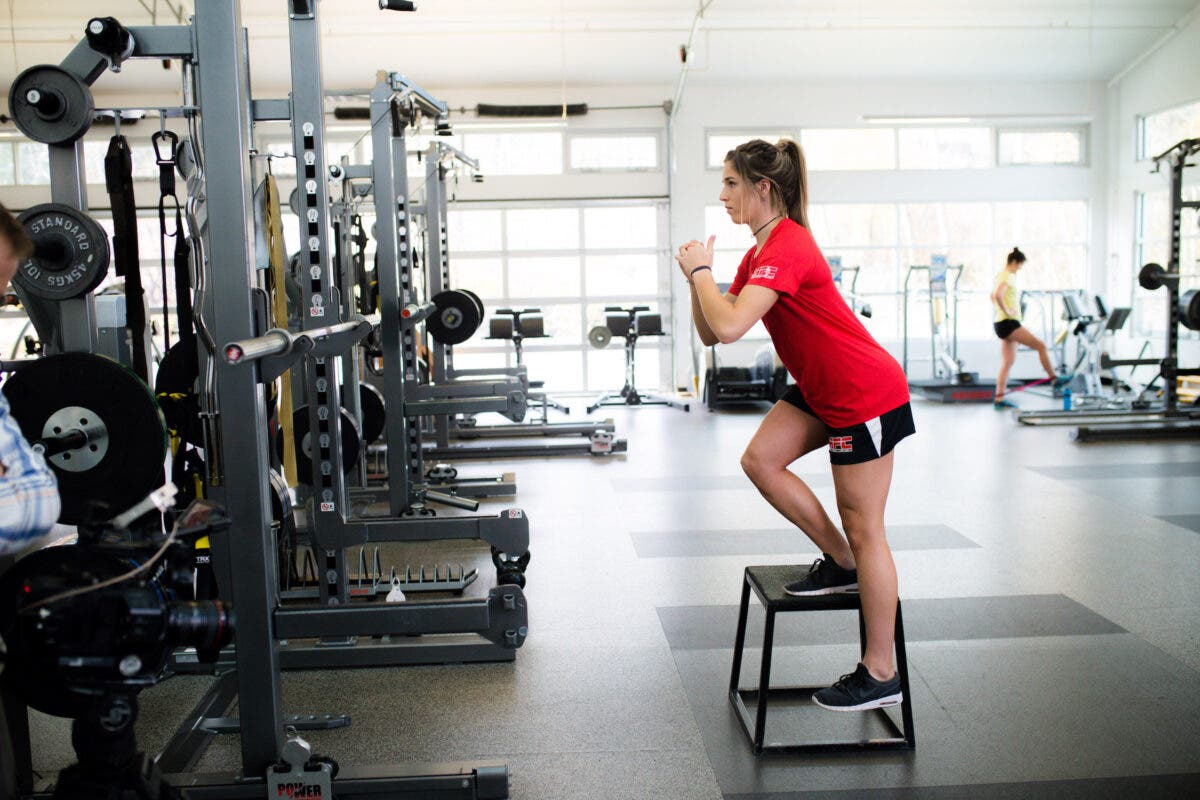
To build eccentric proficiency in a gym setting, athletes are advised to consciously slow down the tempo during the lowering phase of traditional lifts, such as squats, leg presses, and lunges. By extending the eccentric phase to three to five seconds per repetition, skiers enhance their muscle fibers’ structural integrity, thereby increasing their tolerance for the prolonged, high-load demands of continuous ski descents.
Core Training Pillar Two: Building Isometric Endurance to Combat Muscle Burn
Every skier is intimately familiar with the deep muscular fatigue commonly referred to as the "quad burn"—a burning sensation that typically sets in during long, high-speed arcing turns or extended mogul runs. This physiological phenomenon is the result of isometric muscle contractions.
An isometric contraction occurs when a muscle fires to maintain a stable joint angle without visibly shortening or lengthening. When a skier holds an aggressive athletic stance to maintain edge control at high speeds, their quads, glutes, and core are working continuously in an isometric state.
To mitigate this fatigue and improve on-hill endurance, physical therapists recommend integrating targeted isometric holds into pre-season workouts. The classic wall sit remains one of the most effective, accessible tools for developing static leg strength. To replicate the unpredictable nature of skiing, athletes can progress from standard wall sits to single-leg holds, or introduce weighted resistance to the upper body, forcing the core and lower extremities to maintain stability under compounded stress.
Core Training Pillar Three: Prioritizing Single-Leg Stability and Balance
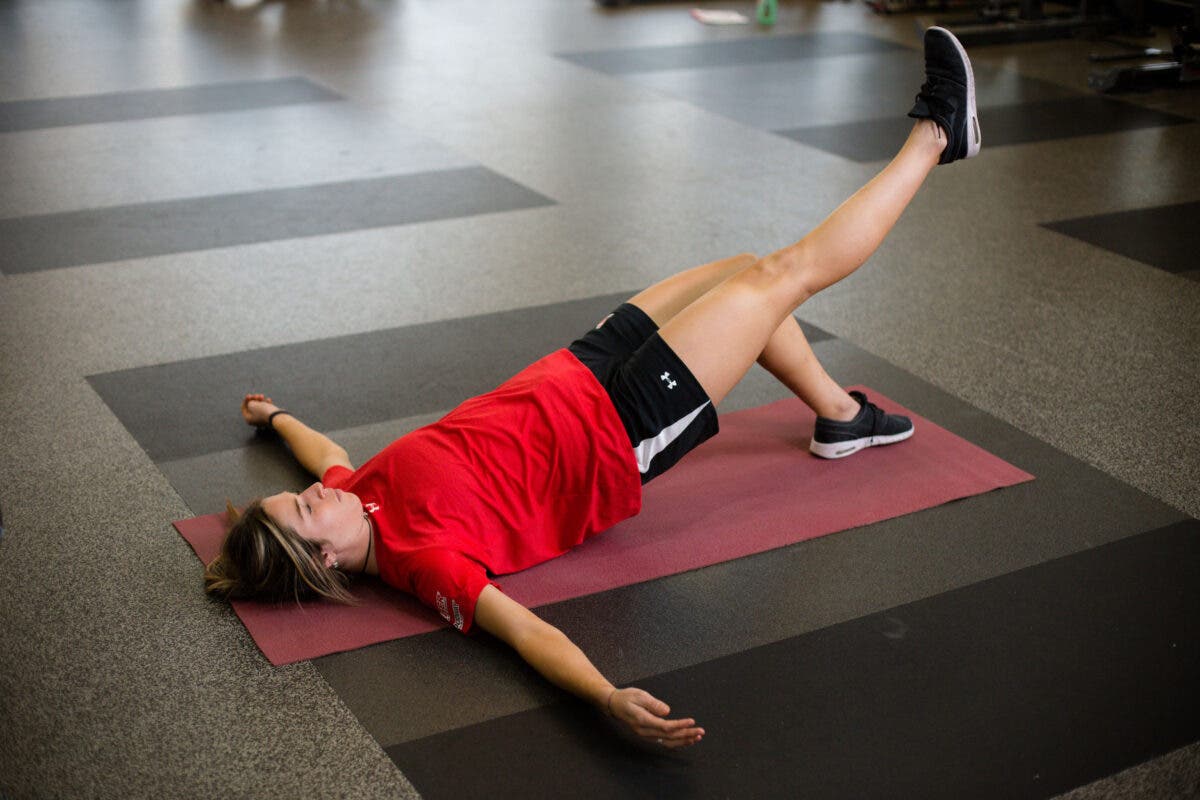
Alpine skiing is fundamentally an asymmetric, single-leg sport. While both skis remain in contact with the snow during most maneuvers, the majority of a skier’s body weight shifts dynamically from the inside edge of one ski to the inside edge of the other as they transition between turns. Consequently, bilateral exercises like standard squats, while beneficial, are insufficient for addressing the distinct stabilization requirements of each individual leg.
Sports medicine practitioners advocate for the extensive integration of unilateral, single-leg exercises into pre-season routines. Lunges executed across multiple planes of movement—including forward, reverse, and lateral directions—challenge the stabilizing muscles of the hips, quads, and hamstrings in ways that mimic the unpredictable micro-adjustments required on the mountain. By training each leg independently, athletes correct natural strength imbalances, improve proprioception, and significantly reduce the likelihood of edge-catch injuries caused by sudden weight misdistributions.
Core Training Pillar Four: Comprehensive Core Integration via Plank Variations
A common misconception among recreational skiers is that downhill performance relies exclusively on leg strength. However, elite coaching and physical therapy consensus confirm that a powerful lower body is virtually useless without a stable, well-integrated core to anchor it.
Skiing requires athletes to independently control their upper and lower extremities while maintaining a rigid, stable trunk capable of resisting rotational and lateral forces. Traditional abdominal crunches do little to prepare the spine for these multi-planar demands. Instead, sports therapists recommend advanced plank variations that engage the entire midsection, including the transverse abdominis, obliques, and erector spinae.
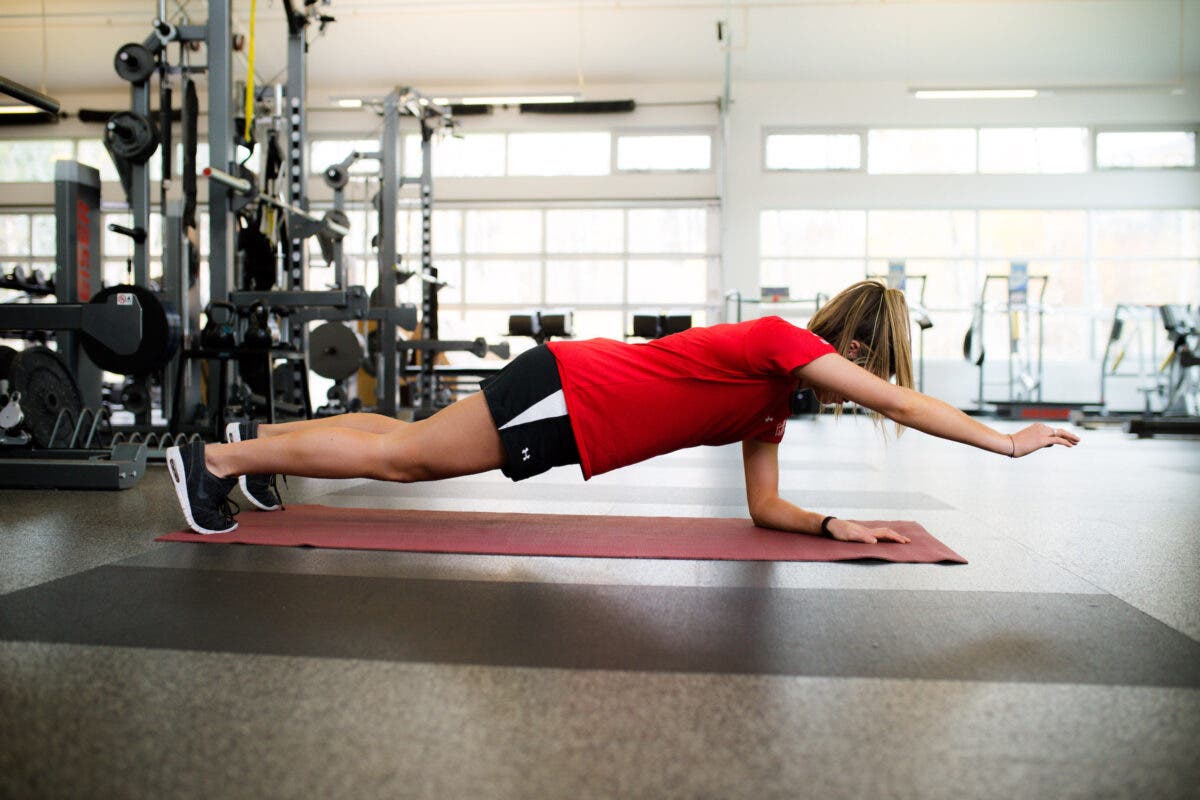
To maximize functional carryover to skiing, athletes should expand their core routines beyond standard forearm planks. Incorporating side planks, planks with alternating arm reaches, and advanced stabilization movements such as the Copenhagen plank helps build the robust trunk stability necessary to maintain posture, absorb impacts, and recover quickly from unexpected balance disruptions on steep terrain.
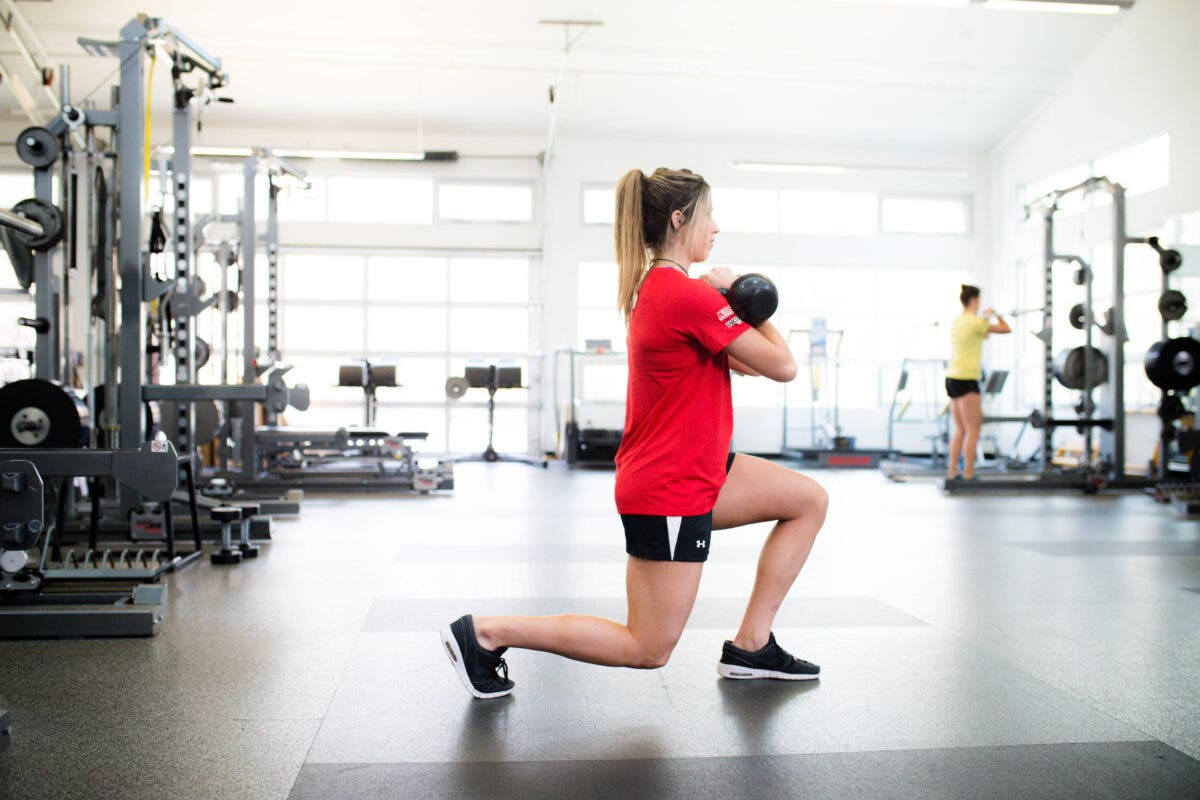
Core Training Pillar Five: Mobility Work and Soft Tissue Recovery
While strength, endurance, and stability form the active pillars of ski fitness, mobility work and recovery protocols constitute the passive safeguards that keep athletes healthy throughout a grueling winter season. Limited joint mobility in critical areas—such as the ankles, hips, and thoracic spine—frequently forces compensation patterns that place excessive stress on the knees and lower back.
Pre-season and in-season mobility routines should be tailored to address individual movement restrictions identified during functional screenings. Utilizing targeted self-myofascial release tools, including foam rollers, massage guns, and high-resistance mobility bands, helps alleviate soft tissue restrictions, increase joint range of motion, and accelerate post-workout recovery. Physical therapists stress that maintaining tissue compliance is just as critical as building raw muscle strength when preparing the body for the repetitive impact of alpine sports.
Broader Industry Impact and Expert Consensus
The release of these comprehensive conditioning guidelines aligns with a broader industry-wide shift toward proactive injury prevention within winter sports. Major alpine associations, resort safety committees, and athletic training organizations have increasingly pivoted away from reactive medical care, emphasizing instead that education and physical preparedness are the most effective tools for reducing resort rescue interventions and emergency room admissions.
As climate patterns shift and snow conditions become increasingly variable across North American and European ski destinations, sports scientists predict that the physical demands placed on skiers will only intensify. Hard-packed artificial snow, variable spring slush, and ice-covered groomers require superior neuromuscular control compared to deep, forgiving powder. Consequently, adopting an evidence-based physical conditioning program is no longer viewed merely as an optional enhancement for elite competitors, but as an essential health and safety requirement for anyone stepping into ski bindings.
Ultimately, medical professionals remind winter sports enthusiasts that investing time in a structured, multi-faceted fitness routine before the lifts start spinning pays dividends throughout the entire winter. By addressing eccentric strength, isometric endurance, unilateral stability, core integration, and mobility, skiers can transform their mountain experience, replacing the dread of exhaustion and injury with the confidence of peak physical performance.

