
Newton’s third law of physics dictates that every action carries an equal and opposite reaction, a principle that increasingly finds application in extreme outdoor sports such as alpine skiing. While powder days deliver profound psychological and physical exhilaration, the deferred physiological cost often manifests years later. Within mountain communities, this reaction frequently appears as depleted early-career retirement savings, atypical professional trajectories, or cumulative physical trauma. For a significant cohort of dedicated skiers, however, the toll presents as chronic, debilitating musculoskeletal pain at a surprisingly early age.
The Onset of Alpine Trauma and Musculoskeletal Strain
The correlation between high-volume skiing and chronic physical ailments is well-documented within sports medicine. Decades of repetitive rotational forces, high-impact landings, and asymmetric loading take a structural toll on the human body. Common complaints among veterans of the sport include chronic lower back stiffness, hip impingement, and persistent joint inflammation.
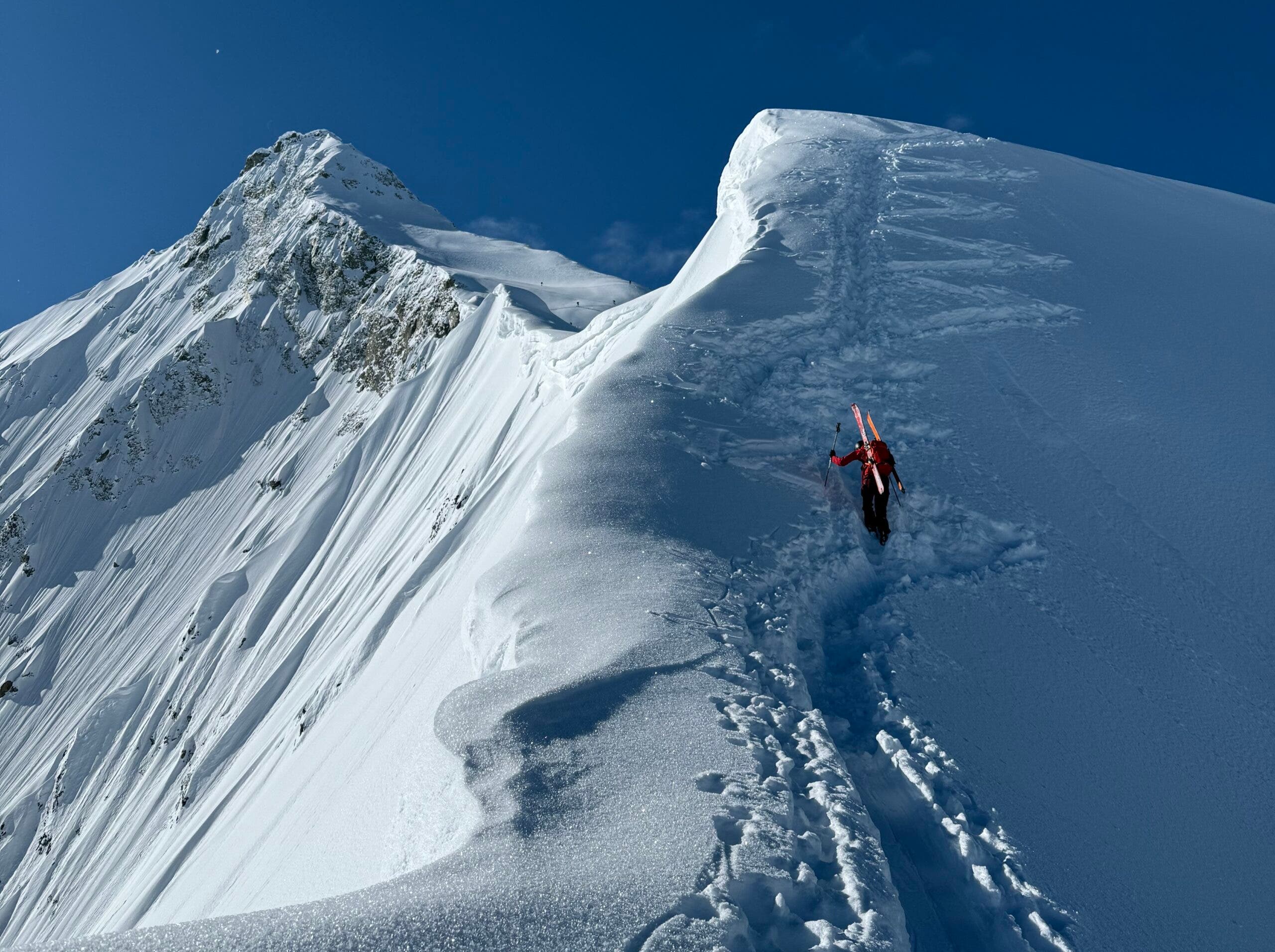
Consider the trajectory of avid skiers who amass upwards of 1,000 days on snow over their lifetimes. This milestone frequently correlates with a decade or more of persistent lower back discomfort. Traditional mitigation strategies—ranging from regular yoga practice, targeted stretching, and foam rolling to ergonomic adjustments, anti-inflammatory dietary shifts, and passive therapies like hot tubs and massages—frequently offer only temporary relief. While these modalities assist with symptom management, they often fail to address the root mechanical driver of the pain: severe muscle imbalances.
Anatomical Disconnects and the Role of Modern Sedentary Lifestyles
Experts in biomechanics and physical conditioning point out that the human anatomy is fundamentally misaligned for the physical demands of modern alpine sports, compounded by sedentary daily routines. According to fitness professionals specializing in athletic conditioning, contemporary lifestyles characterized by prolonged desk work exacerbate these vulnerabilities.
For tall athletes or individuals with specific anthropometric profiles—such as a high ratio of upper-body mass to pelvic stability—the physical mechanics of skiing place an immense burden on the lower back. During a descent, the upper body executes constant rotational movements to initiate turns and maintain balance. In the absence of adequate engagement from the posterior chain, particularly the gluteal muscles, the lower back assumes the responsibility of stabilizing the entire torso.
Over time, as natural muscular elasticity and responsiveness decline with age, the likelihood of acute injury escalates significantly. For many athletes, this tipping point arrives in their early thirties, culminating in acute episodes of lower back spasms—a physiological defense mechanism where fatigued muscles contract intensely to prevent further structural damage. These debilitating incidents can render individuals immobile for days, forcing a critical reassessment of their long-term athletic viability.
The Intervention: Integrating Structured Strength Training
To counteract these degenerative trends, a growing segment of the skiing population is turning away from passive recovery and toward structured resistance training. Introducing targeted weightlifting into a weekly regimen serves as a primary countermeasure against the structural asymmetries fostered by skiing and sedentary desk work.

Fitness specialists emphasize that building muscle tissue through progressive overload not only corrects strength deficits but also increases overall bone density and provides a protective cushioning layer around vulnerable joints. This physiological reinforcement is critical for preventing traumatic injuries during high-velocity alpine maneuvers.
While resistance training introduces a different type of physical discomfort—namely, acute muscular fatigue—it offers a favorable trade-off against chronic, unyielding joint pain. Practitioners report that a disciplined weight-training protocol can effectively reset the body, allowing athletes to maintain high performance levels well into later decades of life.
Strategic Guidelines for Resistance Training in Skiers
For endurance athletes accustomed to the dynamic, cardiovascular demands of the mountains, transitioning into a weight room requires a strategic shift in philosophy. Sports scientists and physical conditioning coaches recommend several foundational principles for athletes initiating a resistance training program:
Prioritize Professional Instruction
Proper biomechanical form is paramount when lifting heavy loads, particularly for individuals managing pre-existing spinal or joint sensitivities. Engaging a qualified personal trainer ensures that movements are executed safely and efficiently. Group fitness models have made professional coaching increasingly accessible, allowing athletes to benefit from expert program design without prohibitive costs. Qualified instructors create balanced routines that target multiple muscle groups, minimizing the risk of overuse injuries.
Focus on the Posterior Chain
The posterior chain—comprising the hamstrings, glutes, lower back, and upper back—is the engine of athletic posture and power. Because skiing and desk-bound occupations systematically weaken these backside stabilizers, conditioning them must remain a primary objective. Essential movements include:
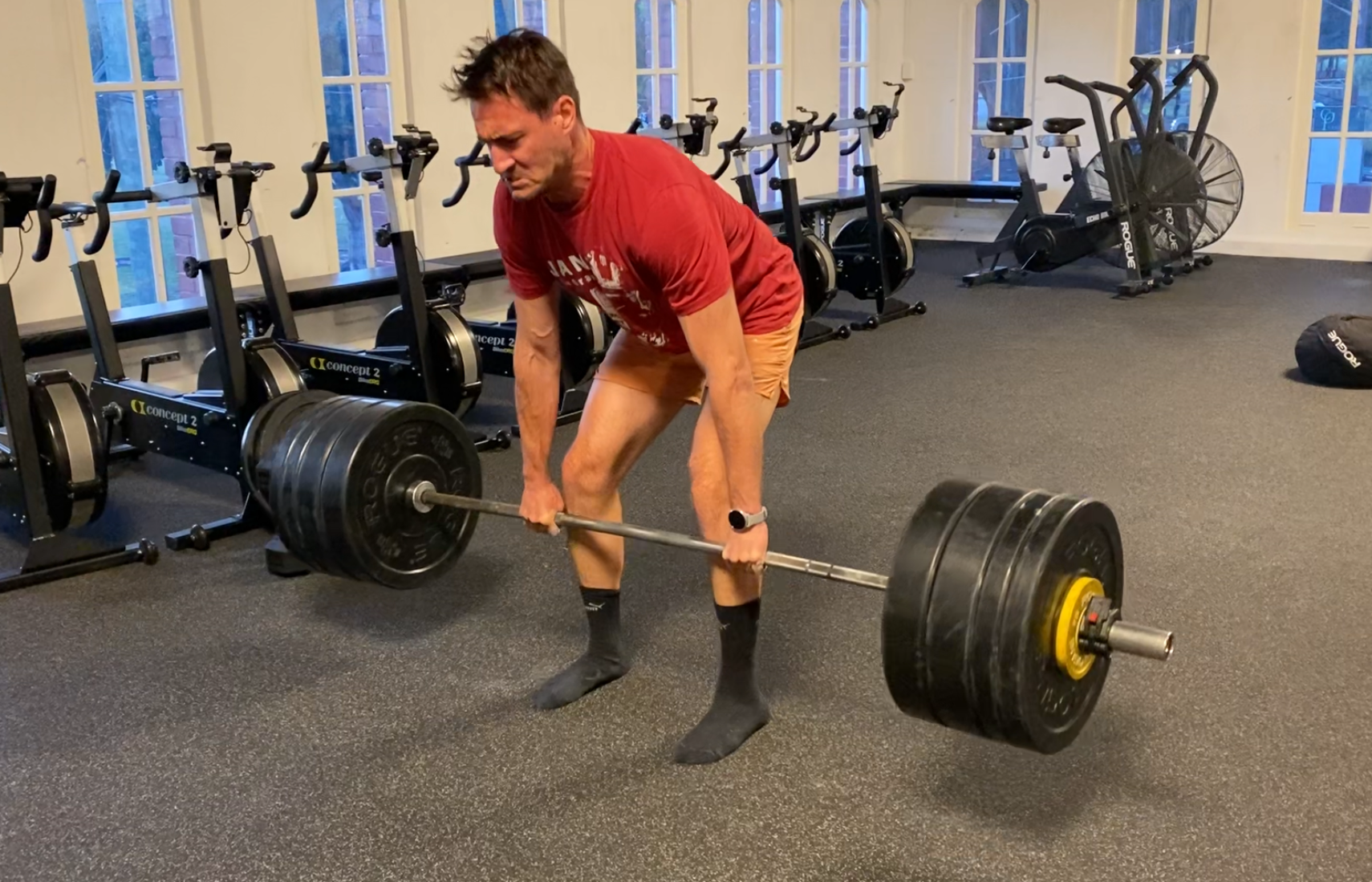
- Deadlifts: Engage the entire posterior chain by lifting a barbell from the floor to hip level while maintaining a neutral spine.
- Kettlebell Swings: Utilize explosive hip extension to drive a kettlebell upward, activating the glutes rather than relying on upper-body strength.
- Barbell Hip Thrusts: Target gluteal engagement directly by driving loaded weight upward from a seated or lying position.
- Barbell Step-Ups: Build unilateral leg strength and stability by stepping onto elevated platforms under controlled descents.
Emphasize Control Over Intensity
Low-velocity, highly controlled movements yield superior neuromuscular adaptations compared to rapid, momentum-driven repetitions. Maintaining strict eccentric and concentric control during lifts builds robust tendon and ligament resilience.
Minimize Development of "Glamour" Muscles
While a balanced physique is aesthetically pleasing, excessive hypertrophy in upper-body aesthetic muscles—such as the chest, biceps, and superficial abdominals—adds unnecessary mass. For mountain athletes, functional endurance and relative strength-to-weight ratios take precedence over sheer muscle volume.
Prioritize Volume and Endurance Over Maximum Load
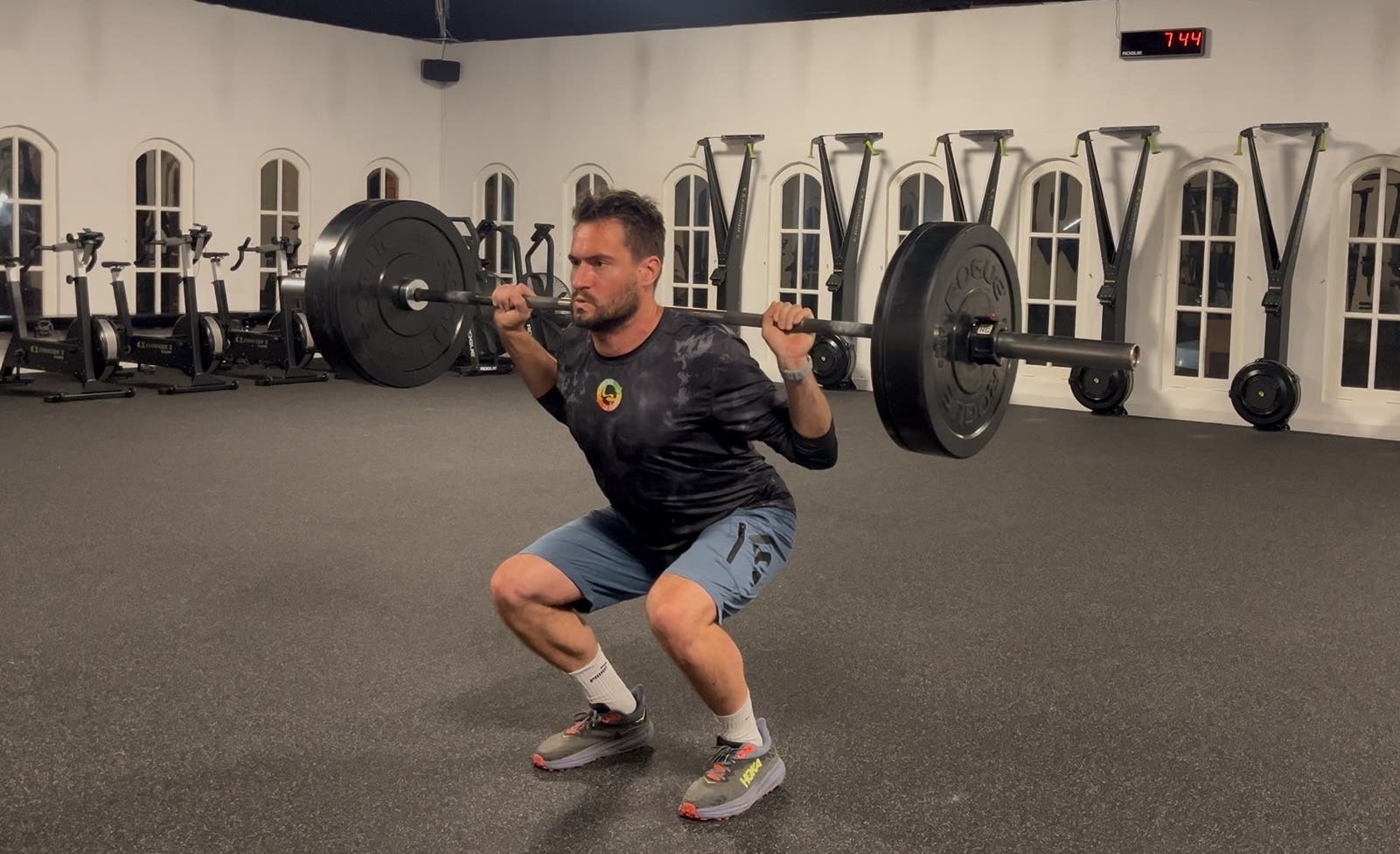
Unlike bodybuilders or powerlifters, alpine skiers function primarily as endurance athletes. Training regimens should focus on higher repetition schemes at moderate percentages of one-rep maximums (e.g., sets of 10 repetitions at 60 percent load rather than low-repetition maximum lifts). This approach enhances muscular endurance and structural integrity without imposing excessive joint strain or adding unwanted bulk.
Broader Implications for Athletic Longevity
The integration of structured resistance training into mountain sports culture signifies a broader shift toward proactive injury prevention and long-term physical sustainability. As sports medicine research continues to highlight the preventative benefits of bone-density accrual and muscular scaffolding, the traditional stigma surrounding weight rooms within endurance communities is rapidly dissolving.
Ultimately, the commitment to regular strength conditioning requires mental fortitude, particularly for athletes accustomed to the dynamic freedom of outdoor pursuits. However, for those navigating the cumulative physical costs of decades on snow, the investment of time and effort in the gym offers a viable pathway to extended athletic longevity, transforming the inevitability of physical decline into a manageable, counter-balanced equation.

