
The prospect of participating in iconic long-distance cross-country ski races like the Birkebeinerrennet (Birken) or the Vasaloppet presents a formidable physical challenge that requires more than just enthusiasm; it demands a structured, scientific approach to physiological preparation. Anders Aukland, a titan of the sport who concluded his professional career following the 2023 Ski Classics season, has demonstrated that the transition from elite competition to recreational fitness does not necessitate a decline in performance. At 54, Aukland maintains a level of physical conditioning that rivals many active competitors, proving that consistency, specificity, and systematic effort remain the cornerstones of endurance training, regardless of age or professional status.
For the aspiring amateur skier, the months leading up to these marquee events serve as the most critical window for development. The common misconception that effective preparation requires an exhaustive, life-consuming training schedule is a significant barrier for many. Aukland advocates for a "quality over quantity" approach, suggesting that two to three highly effective, well-structured sessions per week can yield significant performance gains, provided the athlete maintains consistency over time.
The Physiology of Endurance: Context and Chronology
The Birkebeinerrennet, a 54-kilometer race between Rena and Lillehammer, and the Swedish Vasaloppet, a grueling 90-kilometer test of endurance, are not merely athletic events; they are cultural institutions. Historically, these races have served as benchmarks for Nordic skiing excellence. Success in these events is dictated by an athlete’s ability to sustain a high sub-maximal power output for several hours.
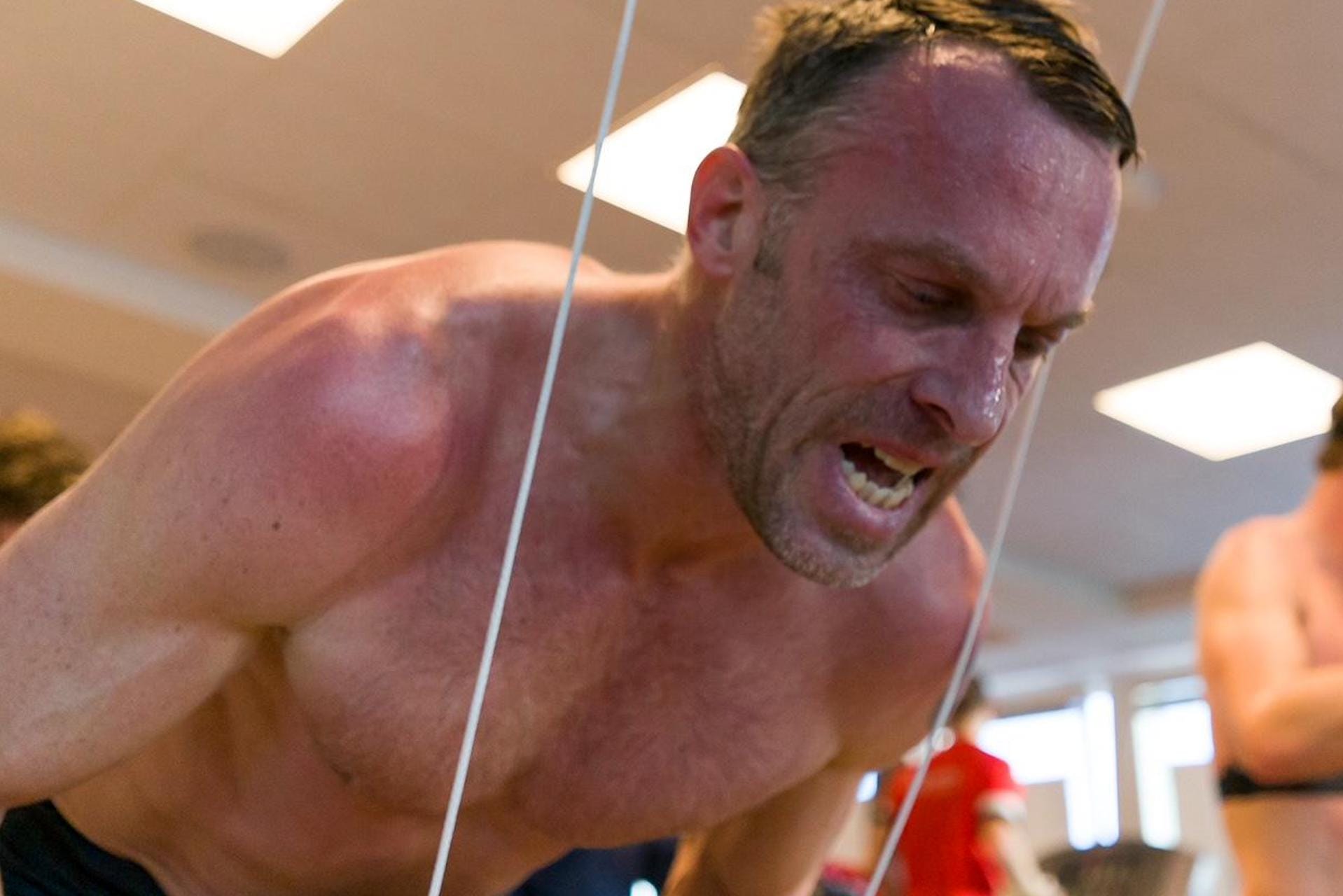
In the weeks leading up to the race season, the human body exhibits high plasticity, meaning that physiological adaptations—such as increased capillary density, improved mitochondrial efficiency, and enhanced lactate threshold—can be stimulated rapidly. Research indicates that endurance capacity is a "perishable" commodity; therefore, the training stimulus applied between October and February directly dictates the athlete’s capacity to perform under the specific conditions of these long-distance classics.
The Pillars of Success: Consistency and Specificity
Aukland emphasizes that the primary challenge for the amateur is determining the "threshold of tolerance." Overtraining is as detrimental as undertraining, with the former often leading to injury or burnout, and the latter failing to induce the necessary physiological adaptations. Factors such as professional commitments, family life, and age play pivotal roles in defining this threshold.
- Continuity: The most successful training programs are those that can be sustained over long periods without interruption.
- Specificity: The training must mimic the demands of the competition. For cross-country skiers, this means prioritizing aerobic capacity, muscular endurance (specifically in the upper body and core), and technical efficiency.
- Periodization: While high-intensity training is essential, it must be balanced with volume. For those with limited time, prioritizing high-intensity "threshold" sessions is more efficient than low-intensity volume.
Structural Framework for Weekly Training
To optimize time, Aukland suggests a weekly routine that integrates into a professional life. The psychological barrier of late-day fatigue is well-documented; therefore, performing short, high-intensity sessions in the morning or during the lunch hour is often more sustainable than deferring training to the evening.
- The Long Session: Dedicate one day per week to a long, low-intensity session that approaches the duration of the intended race. This serves to condition the body for the metabolic and biomechanical stresses of the event.
- The Threshold Session: A weekly session focusing on "competition pace." This involves intervals of 6 to 20 minutes at a sustained heart rate, designed to improve the lactate threshold without inducing excessive fatigue.
- The Intensity Session: Shorter, higher-intensity bursts (e.g., 10×3 minutes or 3×10 minutes with brief recovery) are effective for raising the VO2 max and improving recovery capacity.
The Vital Role of Strength Training
As athletes cross the age threshold of 40 to 45, the decline in cardiovascular performance often accelerates. However, musculoskeletal strength is significantly more resilient to the aging process. Consequently, strength training is not optional for the masters-level skier; it is a critical component for maintaining performance.

Aukland recommends a regimen that centers on core stability and upper-body power. Exercises such as lat pulldowns, pull-ups, and targeted abdominal work (specifically variations involving hip flexor engagement) are essential. During the autumn months, two sessions per week are recommended, tapering to one session per week once the winter season commences. By incorporating brief, specific movements on a SkiErg before and after strength sessions, the athlete creates a seamless transition between gym-based strength and sport-specific power.
Technical Proficiency and Environmental Adaptability
While dryland training—such as roller skiing, running, and using a SkiErg—is efficient and necessary, technical refinement is ultimately tied to snow time. As soon as local conditions permit, time spent on snow is non-negotiable.
For those residing in regions with unpredictable winters, the adaptation to roller skiing is a necessary reality. To maximize these sessions, athletes are encouraged to maintain their equipment meticulously; sharpening pole tips before every session significantly improves power transfer. Furthermore, practical solutions like using overshoes designed for cycling can make cold-weather roller skiing more manageable and productive.
Scientific and Professional Analysis
The shift toward more polarized training—where the athlete alternates between very low intensity and very high intensity—has become the gold standard in elite endurance sports. By avoiding the "middle ground" (the "gray zone" of moderate intensity that produces fatigue without specific adaptation), the amateur can achieve elite-level results in less time.

Furthermore, the integration of technology, such as heart rate monitors and power-measuring devices on SkiErgs, allows athletes to objectively quantify their load. This data-driven approach removes the guesswork from training, ensuring that hard days remain hard and easy days remain easy.
Strategic Implications for Race Day
The goal of this training regimen is to reach the starting line at Rena or Sälen with a reserve of "untapped" energy. The athlete who has trained with specificity will find that they possess the ability to push through the final 10 kilometers of a race, a section where improper preparation usually results in significant "bonking" or muscular failure.
As the race season approaches, the focus should transition from capacity-building to maintenance. The volume may decrease, but the intensity must be preserved. The psychological benefit of a structured, disciplined training plan cannot be overstated; confidence in one’s fitness level is perhaps the most significant asset when standing on the starting line of a 90-kilometer challenge.
Conclusion: A Long-Term Commitment
Anders Aukland’s transition from the professional circuit to a lifetime of fitness serves as a blueprint for the modern amateur athlete. Success in events like the Vasaloppet or Birken is not a function of raw talent alone; it is a product of deliberate, consistent, and scientifically sound training. By prioritizing high-quality sessions, respecting the necessity of strength training as one ages, and maintaining a technical focus, any motivated individual can significantly enhance their performance. The path to improvement is clear, and for those who begin today, the rewards are both immediate and enduring. As the season progresses, those who have adhered to these principles will find that the physical rigors of long-distance skiing are not merely a test of suffering, but a rewarding demonstration of human potential.

