
The transition from the final spring thaw to the height of summer often marks a period of physical stagnation for winter sports enthusiasts, yet sports medicine experts and professional coaches argue that this "off-season" is the most critical window for injury prevention and performance enhancement. While the average skier may only spend four to six months on the snow, the physiological demands of alpine skiing—characterized by high-velocity eccentric loading, rapid lateral transitions, and sustained isometric contractions—require a year-round commitment to "ski shape." Failure to maintain specific muscle groups, particularly the core stabilizers and hip abductors, often leads to a phenomenon known as "early-season fatigue," a primary contributor to late-day injuries on the mountain. By implementing a structured assessment and a targeted strength regimen during the warmer months, athletes can build a resilient foundation that translates directly to better carving, mogul efficiency, and long-term joint health.
The Biomechanics of Alpine Performance and Injury Risk
To understand the necessity of off-season conditioning, one must examine the unique stressors skiing places on the human frame. Unlike running or cycling, which primarily occur in the sagittal plane (forward and backward movement), skiing is inherently multi-planar. It requires significant strength in the frontal plane (side-to-side) and rotational stability in the transverse plane. Data from sports traumatology clinics indicate that the knee remains the most vulnerable joint for skiers, with Anterior Cruciate Ligament (ACL) and Medial Collateral Ligament (MCL) tears accounting for a significant percentage of season-ending injuries.
Research suggests that many of these injuries are "non-contact," occurring when the skier’s core and hips fail to stabilize the lower kinetic chain during a turn or a sudden change in terrain. When the hip abductors and external rotators are weak, the knee is prone to valgus collapse—an inward buckling that places extreme stress on the ligaments. Consequently, off-season training is not merely about aesthetic fitness but about creating a "muscular corset" that protects the joints from the unpredictable forces of gravity and uneven snow.
The Side Plank Test: A Diagnostic Tool for Functional Stability
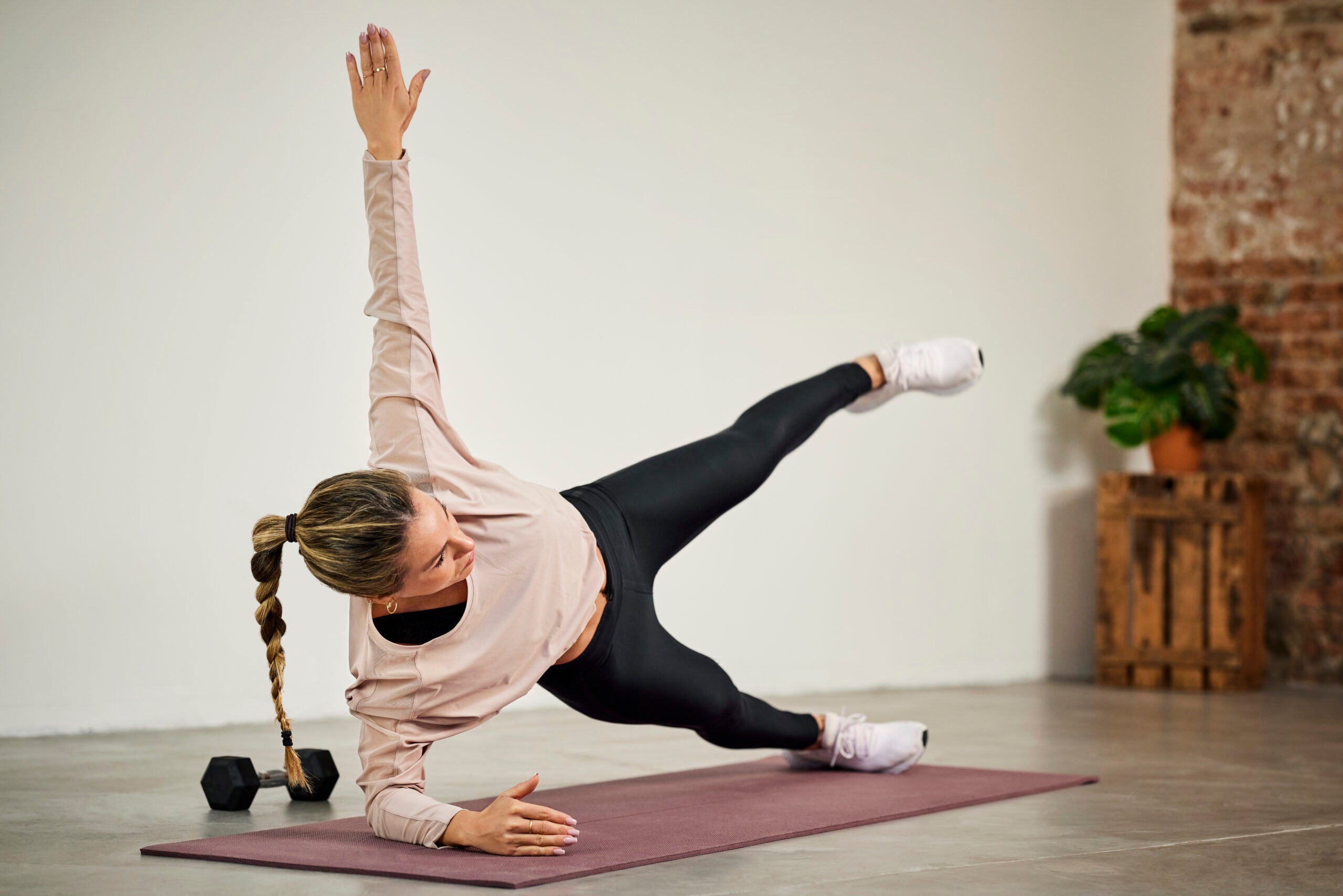
Before beginning a rigorous training cycle, athletes must establish a baseline of their current functional strength. One of the most effective diagnostic tools for skiers is the Side Plank Test with leg lifts. This assessment specifically targets the obliques, the gluteus medius, and the deep stabilizers of the trunk. These muscles are responsible for maintaining a "quiet" upper body while the legs work independently to navigate bumps and variable snow conditions.
Methodology of the Side Plank Assessment
To perform the test accurately, an individual must lie on their side with the elbow stacked directly beneath the shoulder. The legs should be stacked, and the hips lifted until the body forms a straight line from the head to the heels. The "test" component involves flexing the top foot and lifting the leg to hip height, holding for one second, and then lowering it with control.
The test concludes when the athlete can no longer maintain a straight line—evidenced by the hips sagging toward the floor, the shoulder collapsing, or the torso rotating forward. For a recreational skier, the ability to complete five controlled repetitions per side is considered a baseline for safety. However, for those looking to charge through demanding terrain or sustain high speeds, the target should be 10 to 15 repetitions with perfect form. Discrepancies between the left and right sides are particularly telling, as they indicate muscle imbalances that could lead to compensatory injuries on the slopes.
A Five-Step Protocol for Off-Season Strength
Once a baseline is established, the focus shifts to a specialized exercise protocol designed to mimic the movements of skiing. These five exercises prioritize unilateral strength, core stability, and posterior chain resilience.
1. Lateral Lunges for Frontal Plane Power
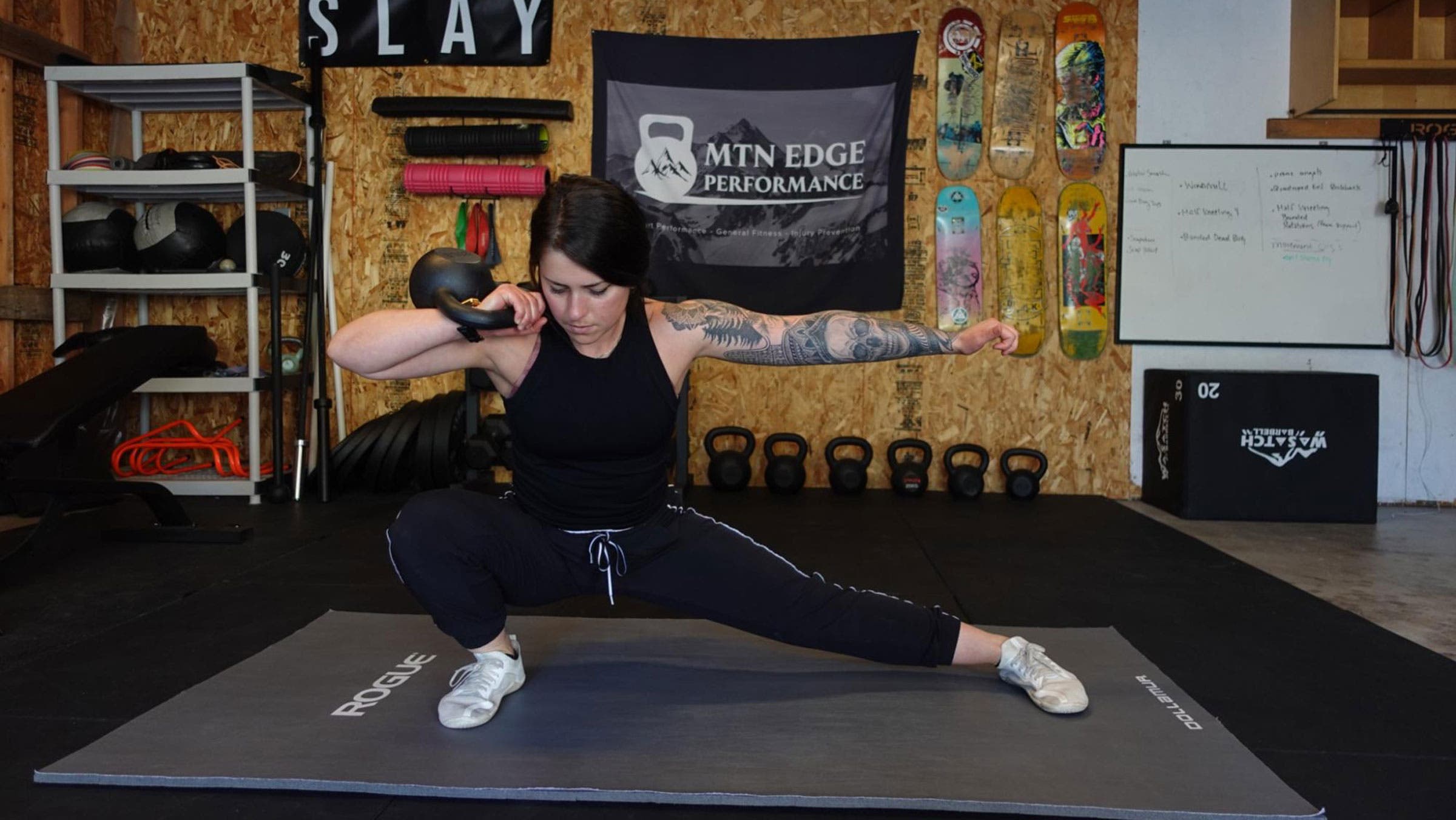
Skiing is a sport of lateral weight transfer. The lateral lunge is perhaps the most specific movement for building the hip strength required to hold an edge on icy terrain. Unlike a traditional forward lunge, the lateral variation places a heavy demand on the adductors and the gluteus medius.
- Execution: From a standing position, the athlete steps out wide to one side, keeping the trailing leg straight while hinging at the hips and bending the leading knee. The chest must remain upright to simulate an athletic skiing stance.
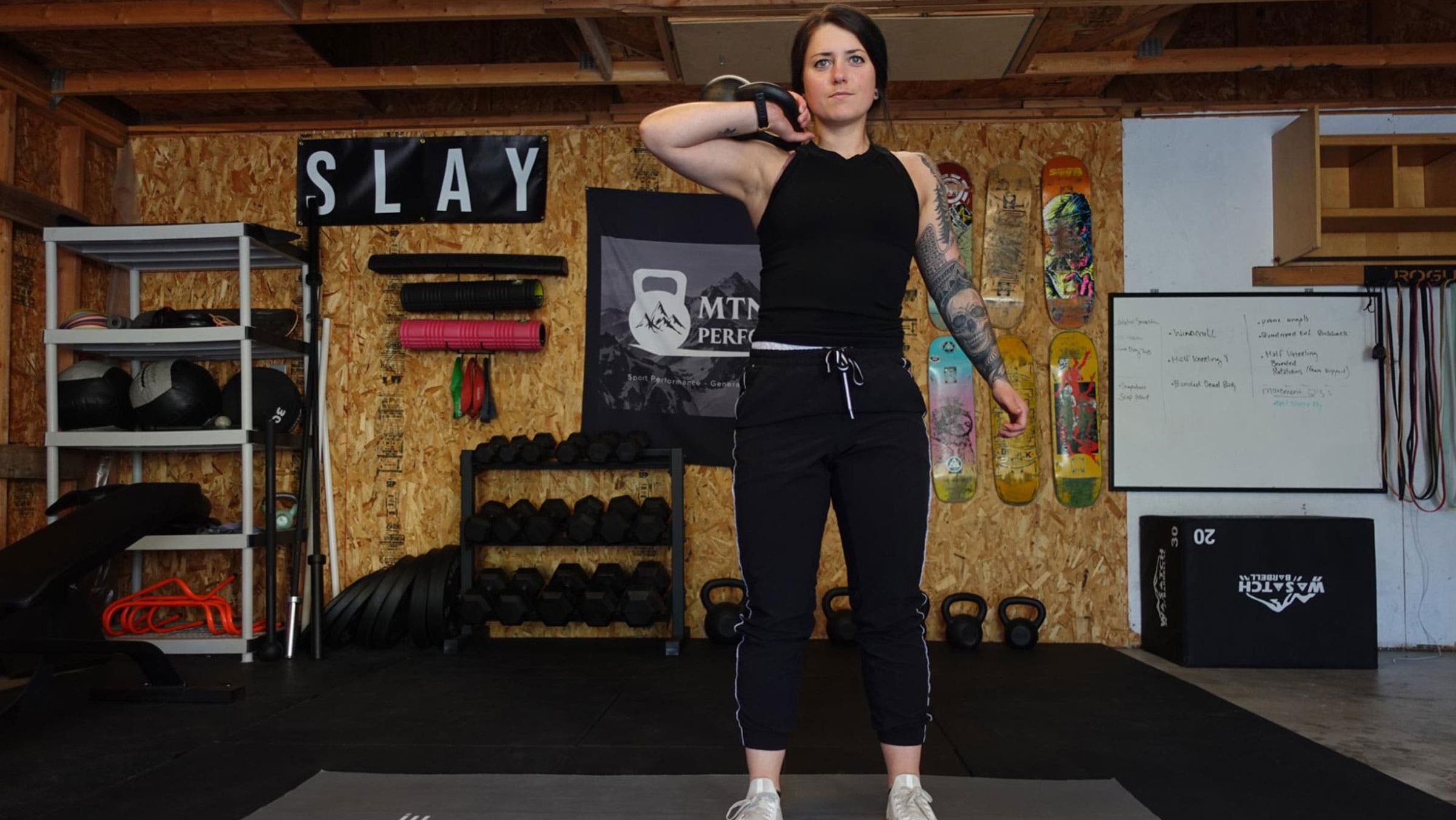
- Progression: Beginners should start with body weight, aiming for 8 to 12 reps. Advanced trainees can introduce a kettlebell in a "goblet" or "front rack" position to further challenge the core.
2. Step-Ups for Unilateral Balance and Explosive Power
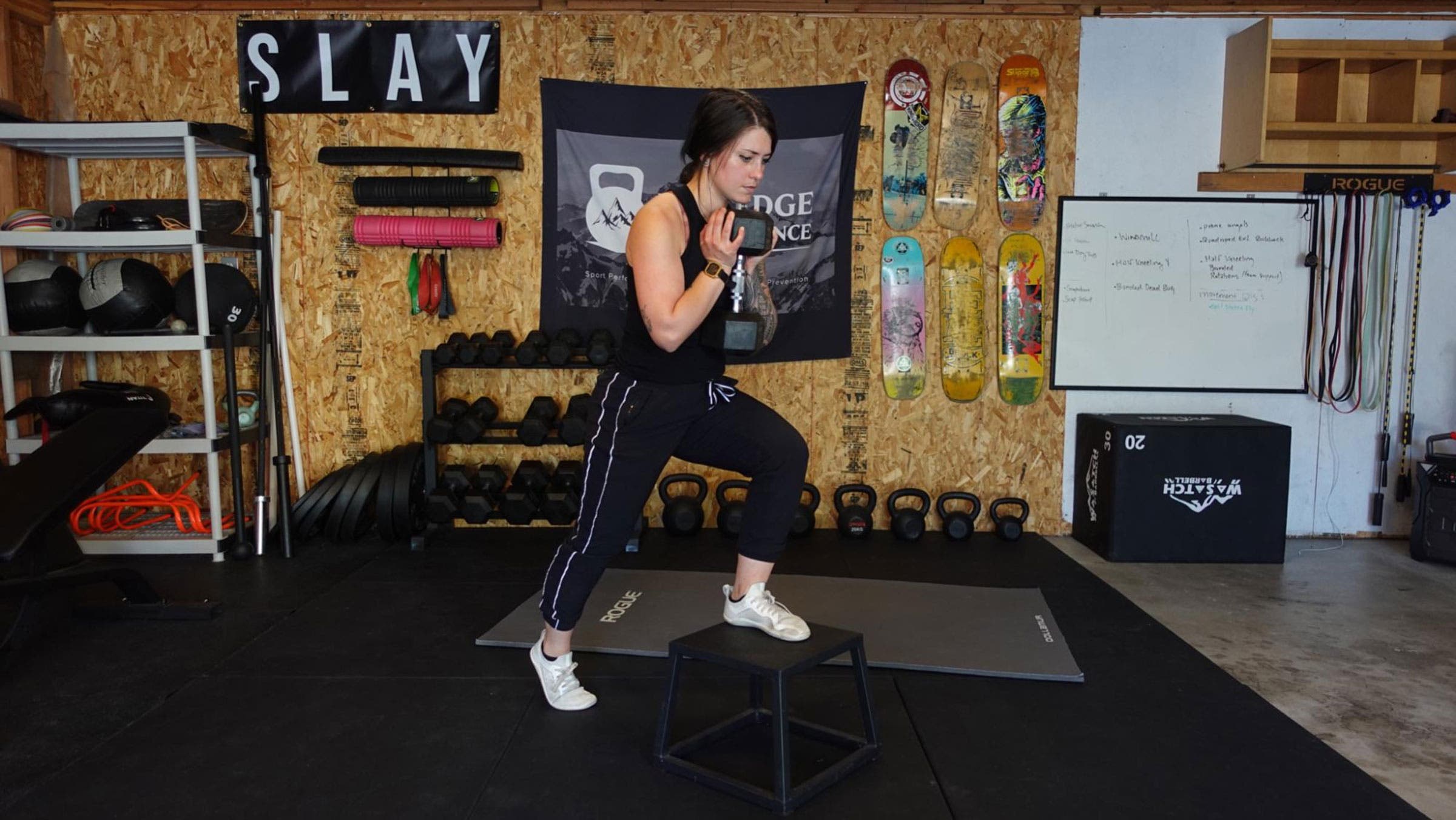
In the mountains, weight is rarely distributed evenly between both feet. Step-ups are essential for eliminating strength discrepancies between legs and for developing the quad and glute power necessary for deep powder turns.
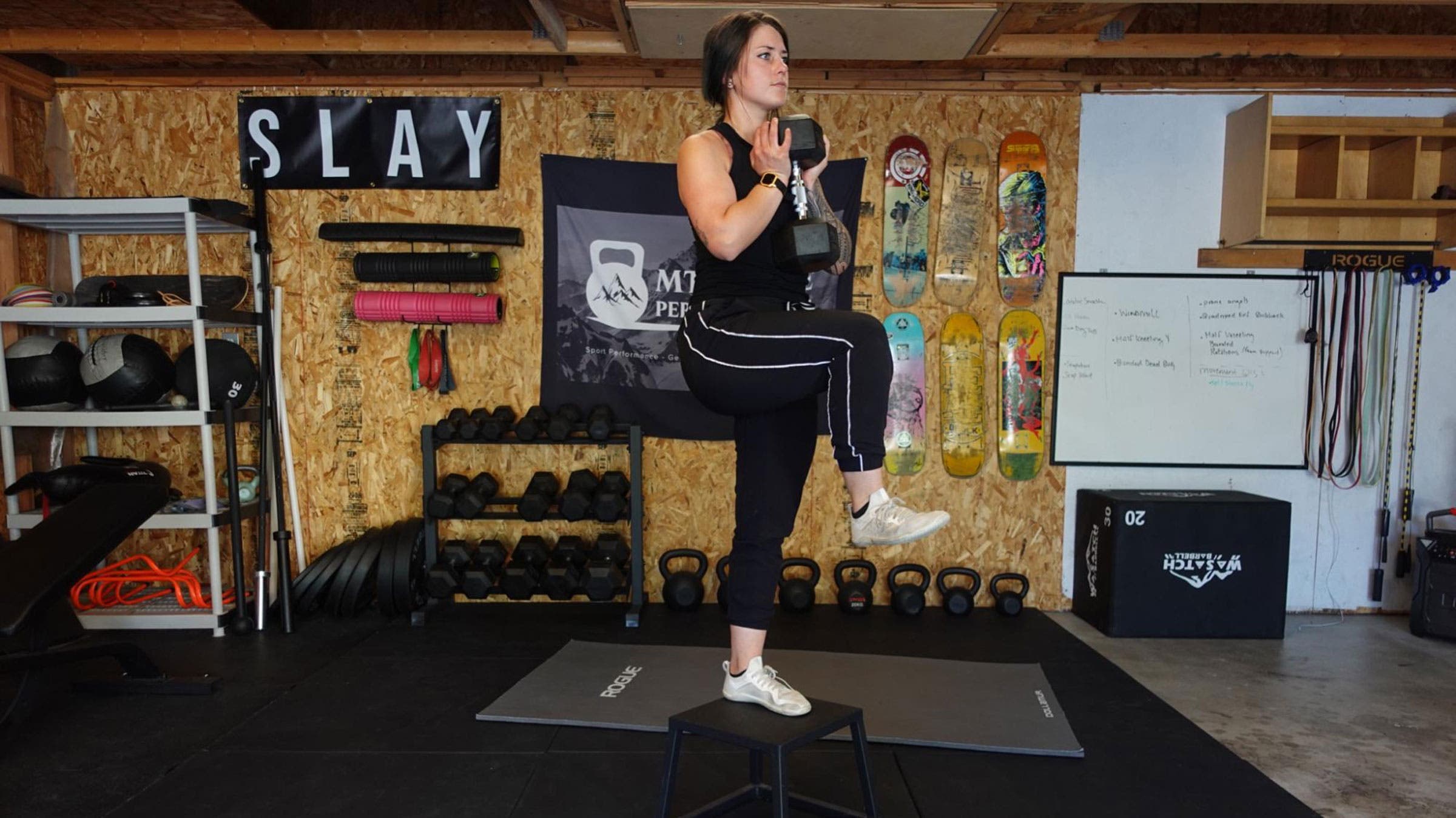
- Execution: Using a box or bench at knee height, the athlete places one foot firmly on the surface and drives through the heel to stand tall, bringing the opposite knee up. The descent must be slow and controlled to maximize eccentric muscle engagement—the same type of contraction used when resisting gravity on a steep descent.
- Data Point: Studies in the Journal of Strength and Conditioning Research indicate that unilateral exercises like step-ups lead to higher levels of muscle activation in the gluteus medius compared to bilateral squats.
3. Gorilla Rows for Posterior Chain Resilience
The "athletic stance" in skiing requires a slightly hinged torso, which puts significant strain on the lower back and the erector spinae. The Gorilla Row is a functional pull movement that strengthens the deep back muscles, allowing them to absorb the impact of jumps and compressions.
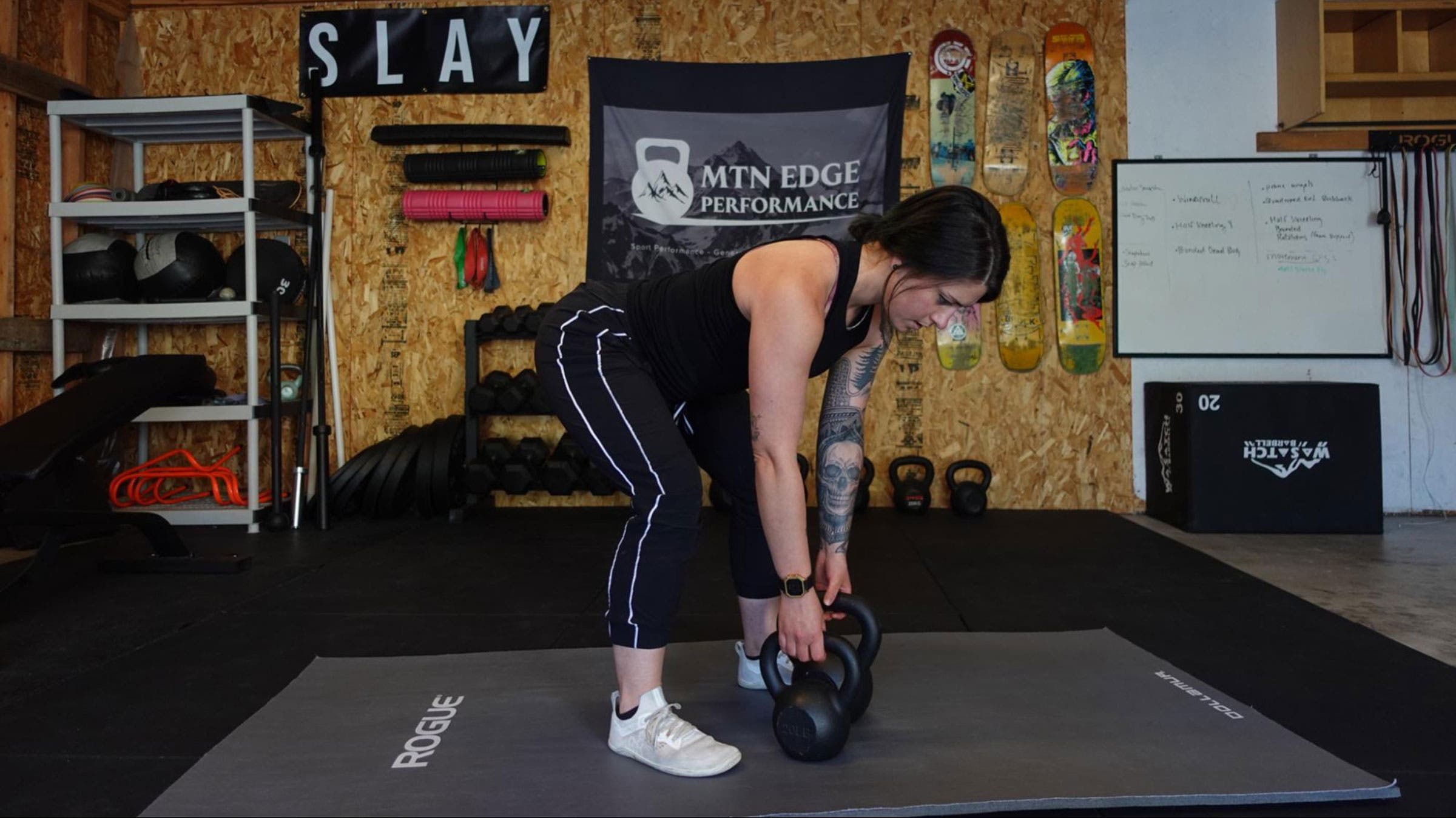
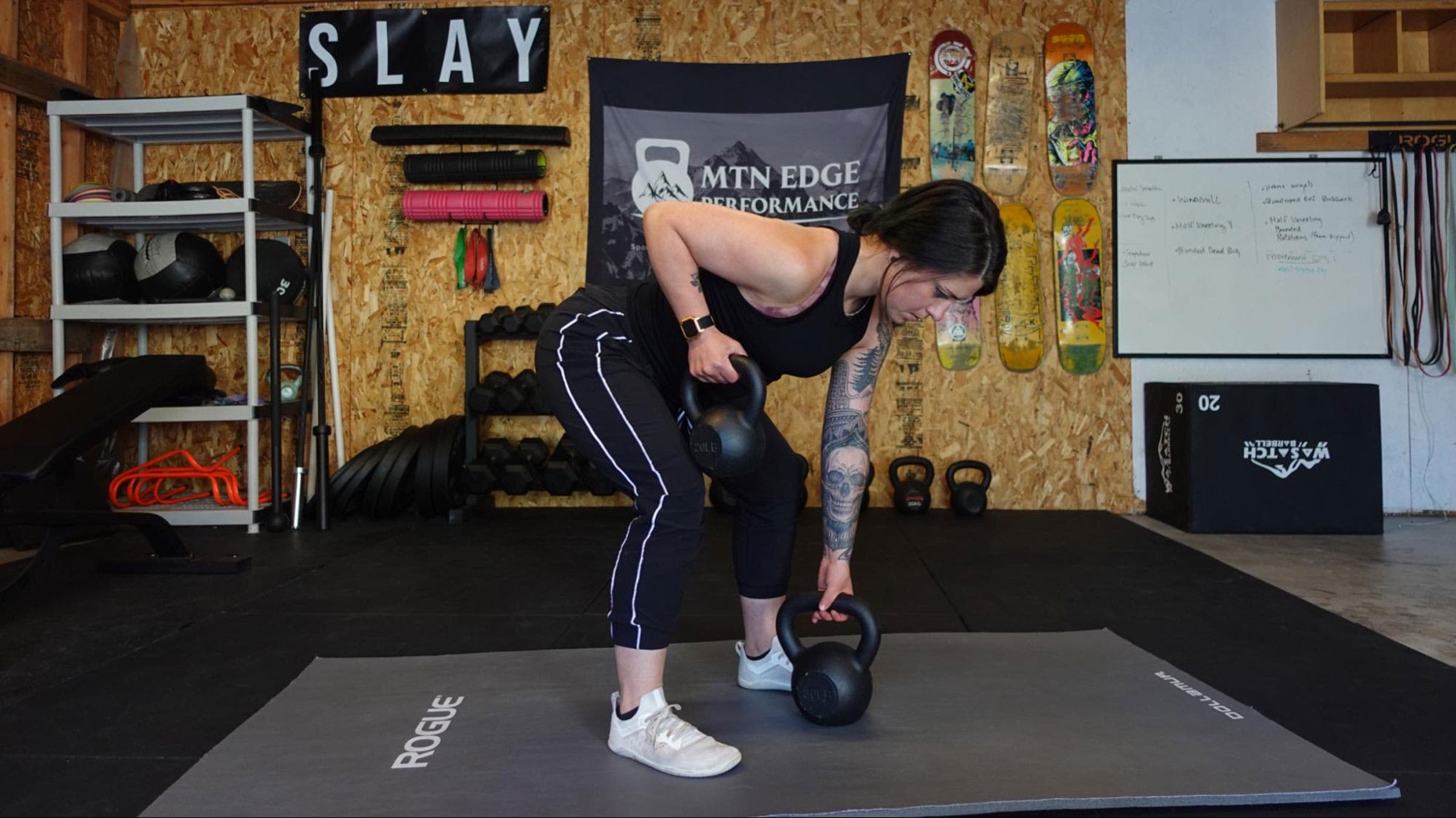
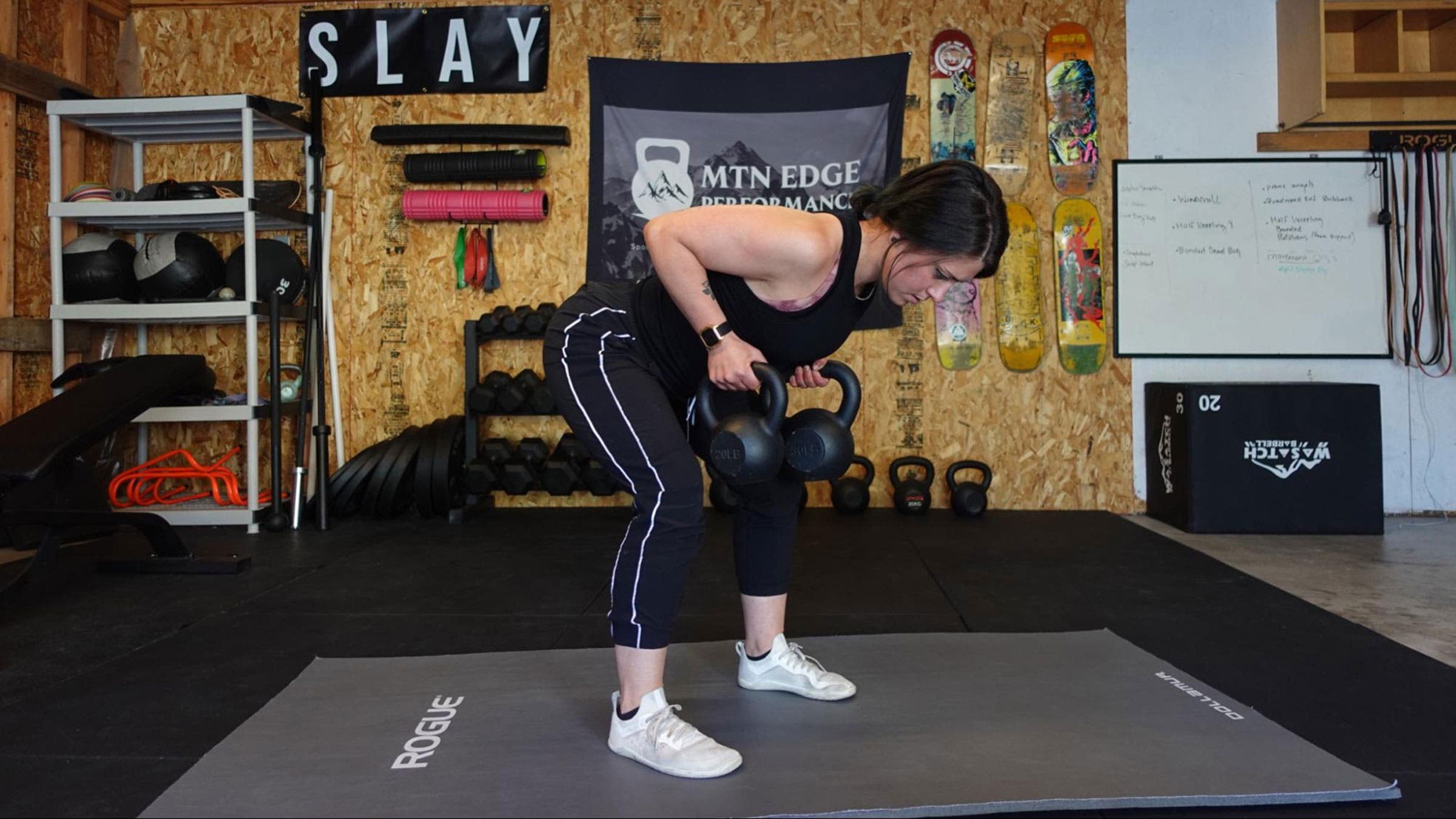
- Execution: Standing with feet wider than shoulder-width, the athlete hinges at the hips with a flat back, reaching down to two kettlebells on the floor. While maintaining a static hinge, they row one weight to the hip while the other remains grounded, alternating sides.
- Impact: This exercise builds the "anti-rotational" strength required to keep the shoulders square to the fall line while the lower body rotates beneath the torso.
4. Suitcase Marches for Pelvic Stability
Pelvic tilt and instability are common causes of lower back pain in skiers. The Suitcase March is a deceptively simple exercise that forces the core to resist lateral flexion.
- Execution: The athlete holds a heavy dumbbell in one hand (like a suitcase) and marches in place, lifting the knees to hip height. The goal is to keep the hips perfectly level despite the uneven load.
- Duration: Two to four sets of 30 to 60 seconds per side are recommended to build the endurance necessary for long, top-to-bottom runs.
5. Plank Pull-Throughs for Core Integration
The final component of the protocol is the Plank Pull-Through, which addresses the relationship between the shoulders and the hips. A stable core allows for better power transfer from the upper body to the skis.
- Execution: Starting in a high plank position with a dumbbell placed behind one wrist, the athlete reaches across with the opposite hand to pull the weight to the other side. The hips must remain "quiet" and parallel to the floor throughout the movement.
Chronology of a Successful Off-Season Transition
The implementation of this training should follow a logical timeline to ensure peak performance by the first snowfall.
- The Recovery Phase (April – May): Focus on low-impact mobility and addressing any minor injuries sustained during the winter.
- The Base Building Phase (June – August): This is the window for the five exercises listed above. The focus is on hypertrophy and foundational strength, utilizing heavier weights and lower repetitions.
- The Power and Agility Phase (September – November): As winter approaches, the training shifts to include plyometrics (jumping) and higher-intensity intervals to prepare the cardiovascular system for the thin air of high altitudes.
Expert Perspectives and Broader Implications
Physical therapists specializing in orthopedics emphasize that the "weekend warrior" is the demographic most at risk for ski injuries. According to Dr. Elena Rossi, a sports mobility specialist, "The discrepancy between a person’s office-based lifestyle and the extreme demands of a ski resort is where the danger lies. You cannot expect a sedentary body to suddenly handle 3G turns without a significant ‘pre-habilitation’ period."
The implications of widespread off-season training extend beyond individual health. Ski resorts and insurance providers have a vested interest in the fitness of the skiing public. A more physically prepared population leads to fewer on-mountain collisions and medical evacuations, which currently cost the industry millions of dollars annually in liability and emergency services. Furthermore, as climate change results in more variable snow conditions—often leading to "heavy" or "crusty" snow—the physical strength required to navigate the mountain safely has only increased.
Conclusion: Longevity on the Mountain
Ultimately, the goal of year-round ski fitness is longevity. By viewing the off-season as a period of preparation rather than a period of absence, skiers can ensure that their bodies remain capable of handling the rigors of the sport well into their later years. The combination of diagnostic testing, such as the side plank, and functional strength movements provides a comprehensive roadmap for any athlete looking to start next winter at their strongest. In the high-stakes environment of alpine sports, the work done in the gym during the summer is what determines the quality of the experience on the snow.

