
In a rapid series of executive and departmental maneuvers, the Trump administration has initiated a sweeping overhaul of United States energy and environmental policy. These actions, characterized by the suspension of multi-billion-dollar renewable energy projects and the promotion of fossil fuel extraction, represent a fundamental shift in the nation’s approach to energy independence and climate mitigation. By targeting offshore wind developments, atmospheric research funding, and coastal drilling protections, the administration is moving to dismantle the regulatory framework established over the previous decade. This report examines the specific policy changes, the legal mechanisms employed, and the projected economic and environmental consequences of these developments.
Suspension of Major Offshore Wind Projects Under National Security Mandates
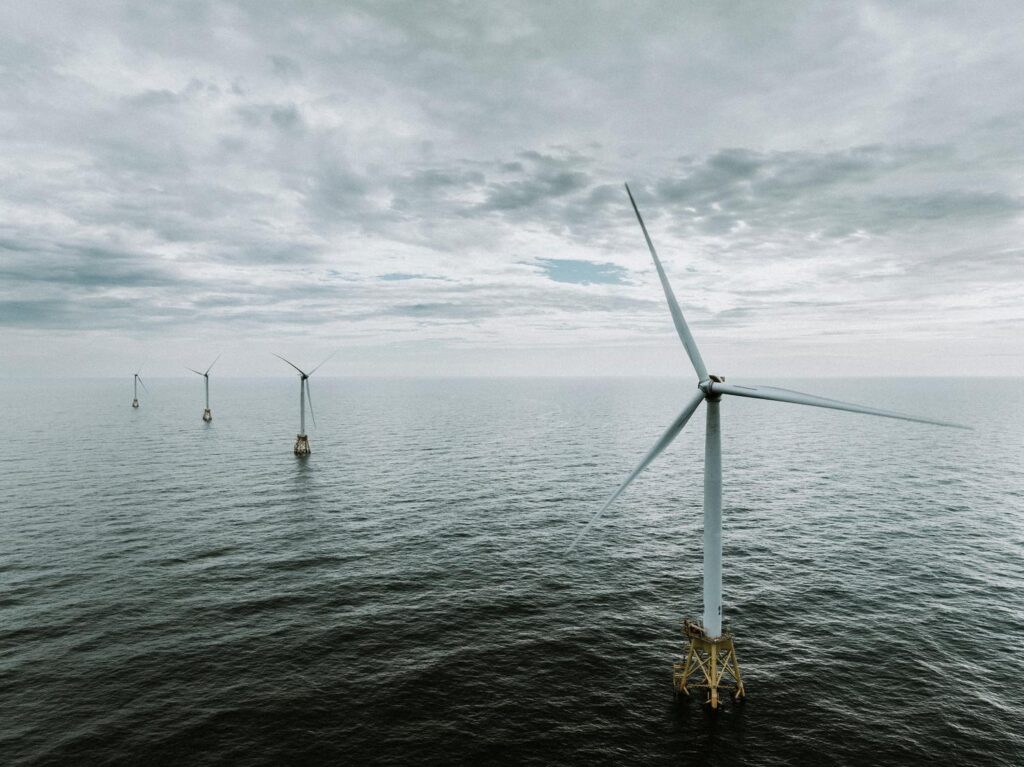
The Department of the Interior (DOI) recently issued orders to halt five major offshore wind projects that were already in various stages of construction and permitting. The affected projects include Vineyard Wind (Massachusetts), Revolution Wind (Rhode Island/Connecticut), Coastal Virginia Offshore Wind, Sunrise Wind (New York), and Empire Wind (New York). Collectively, these projects represent a cornerstone of the U.S. transition to renewable energy, with a projected capacity to power millions of homes.
The administration cited "national security" concerns as the primary justification for the work stoppage. While the specific nature of these security claims remains classified, officials have suggested that the proximity of wind turbines to naval transit lanes and radar installations could interfere with defense operations. This move utilizes executive authority to bypass traditional regulatory review and the standard judicial appeals process.
The economic implications are immediate. These five projects represent tens of billions of dollars in private investment. For instance, Vineyard Wind 1, an 800-megawatt project, had already begun delivering power to the New England grid. The suspension risks thousands of specialized jobs in the maritime and construction sectors and creates significant uncertainty for the global supply chain, including turbine manufacturers and specialized vessel operators. Industry analysts suggest that invoking national security to halt permitted projects sets a precedent that could increase the risk profile for all future large-scale infrastructure investments in U.S. waters.

Potential Closure of the National Center for Atmospheric Research
In a parallel move, the administration has signaled its intent to defund or significantly restructure the National Center for Atmospheric Research (NCAR). Headquartered in Boulder, Colorado, NCAR is a federally funded research and development center (FFRDC) managed by the University Corporation for Atmospheric Research (UCAR) and primarily funded by the National Science Foundation (NSF).
Since its inception in 1960, NCAR has been the global gold standard for atmospheric science. It maintains the Community Earth System Model (CESM), one of the world’s most sophisticated tools for predicting weather patterns, climate shifts, and solar activity. The center’s work is vital for several non-environmental sectors:
- Aviation and Transportation: Providing high-resolution turbulence and icing forecasts.
- Agriculture: Delivering long-term drought and precipitation modeling essential for crop planning.
- Emergency Management: Developing wildfire behavior models and hurricane intensity projections used by state and local governments.
Critics of the proposed shutdown argue that losing NCAR would create a "data vacuum," leaving the U.S. dependent on foreign scientific models for domestic policy decisions. The administration, however, has framed the move as a cost-cutting measure and a pivot away from what it characterizes as politicized science.
Expansion of Offshore Oil and Gas Leasing to 1.27 Billion Acres
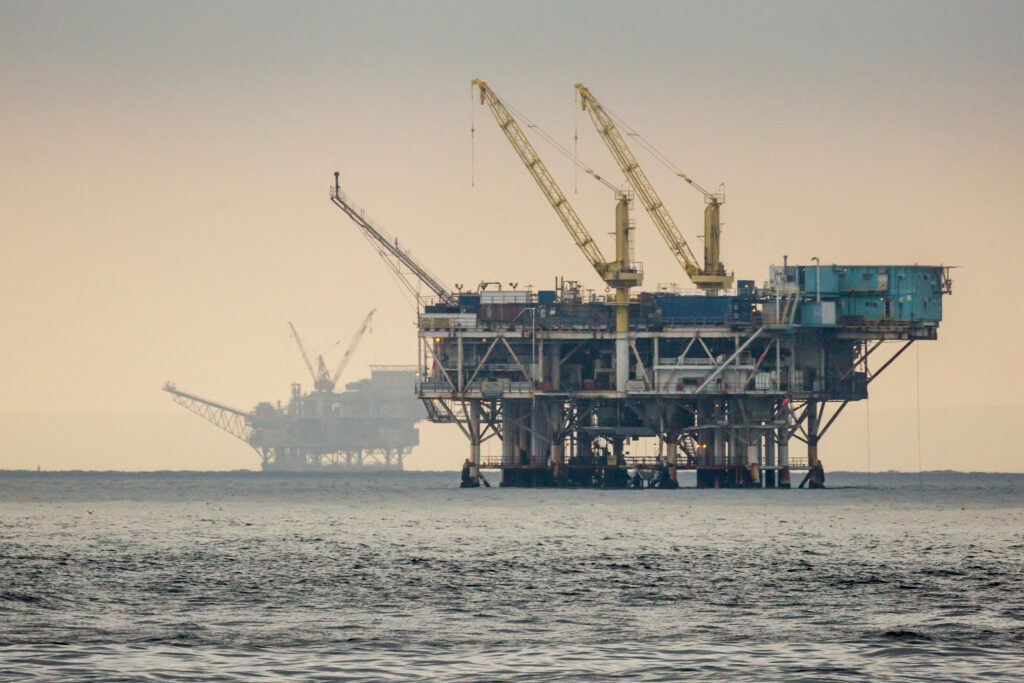
The administration has proposed an expansive new five-year plan for offshore oil and gas leasing, covering 1.27 billion acres of the U.S. Outer Continental Shelf. This proposal includes areas previously protected or excluded from drilling, such as the Eastern Gulf of Mexico, the Atlantic and Pacific coasts, and sensitive regions of the Arctic.
This policy is a direct reversal of the 2024–2029 National OCS Oil and Gas Leasing Program, which had limited new leases to a record-low number. The new proposal aims to maximize domestic energy production, with the administration asserting that increased offshore extraction will lower energy costs and bolster national security.
However, the proposal faces significant opposition from a "blue economy" coalition consisting of tourism boards, commercial fishing industries, and coastal municipalities. According to data from the National Oceanic and Atmospheric Administration (NOAA), the U.S. ocean economy contributes over $350 billion annually to the GDP, much of which relies on clean water and healthy marine ecosystems. Legal challenges are expected from several states, including California and Florida, where bipartisan opposition to offshore drilling has remained a consistent political fixture.
Federal Intervention in Colorado Coal Plant Retirement
In an unprecedented use of emergency powers, the Department of Energy (DOE) invoked Section 202(c) of the Federal Power Act to keep the Craig Generating Station Unit 1 in Colorado operational. The coal-fired unit, which is nearly 50 years old, was scheduled for retirement as part of a long-negotiated transition toward cleaner energy sources in the West.
The DOE order was issued just 24 hours before the plant’s scheduled decommissioning, despite the fact that the unit had been offline due to a major mechanical failure. The administration justified the intervention as a necessary step to ensure grid reliability during periods of peak demand.
Energy experts and local utility operators have expressed skepticism regarding this rationale. Tri-State Generation and Transmission Association, the plant’s operator, had already integrated replacement power sources into their long-term planning. Analysts point out that forcing an aging, uneconomic plant to remain online could lead to:
- Increased Ratepayer Costs: Maintaining a failing coal unit is often more expensive than purchasing power from the open market or newer renewable sources.
- Regulatory Conflict: The move overrides state-level energy mandates and utility commission decisions.
- Environmental Impact: Continued operation delays the reduction of sulfur dioxide and carbon emissions in a region already struggling with air quality issues and diminishing snowpack.
Chronology of Recent Energy Policy Actions
The rapid-fire nature of these announcements has created a compressed timeline of regulatory shifts:

- Late December: The DOI issues "stop-work" orders for offshore wind projects, citing national security.
- Early January: The administration releases the 1.27-billion-acre offshore drilling proposal, initiating a 60-day public comment period.
- Mid-January: The DOE invokes the Federal Power Act to halt the closure of the Craig Generating Station in Colorado.
- Concurrent: Internal memos from the Office of Management and Budget (OMB) suggest a phased defunding of NCAR and other climate-monitoring programs within the NOAA and NASA.
Institutional and Stakeholder Reactions
The response to these policies has been sharply divided along industrial and ideological lines. The American Petroleum Institute (API) and other fossil fuel advocacy groups have generally welcomed the expansion of drilling and the retention of coal assets, arguing that a "diverse energy mix" is essential for economic growth.
Conversely, environmental organizations and scientific bodies have condemned the moves. The Surfrider Foundation and "Protect Our Winters" (POW) have launched public advocacy campaigns, highlighting the threat to coastal recreation and the winter sports economy. These groups argue that the administration is "weaponizing" national security and emergency powers to favor fossil fuel interests over market-driven transitions to renewables.
State governors have also weighed in. Colorado Governor Jared Polis criticized the federal intervention in the Craig coal plant, stating that it undermines local control and the state’s transition to a more affordable and reliable clean-energy grid. In contrast, officials from some oil-producing states have signaled support for the expanded leasing program as a boon for state revenues and job creation.
Analysis of Broader Implications
The administration’s actions signal a departure from the "all-of-the-above" energy strategy of previous years, moving toward a "fossil-first" approach. This shift carries several long-term implications for the United States:
Market Volatility: By halting permitted projects and overriding state-level planning, the federal government may inadvertently increase market volatility. Investors prioritize regulatory certainty; the sudden reversal of permits for offshore wind could lead to a "capital flight" where renewable energy firms move their investments to more stable European or Asian markets.
Scientific Integrity: The threat to NCAR and the dismissal of climate data in federal decision-making may lead to a "brain drain" of American scientists. If the U.S. cedes its leadership in atmospheric research, it may lose its competitive edge in developing the next generation of weather-resilient infrastructure.
Legal and Jurisdictional Conflicts: Many of these actions will likely be litigated under the Administrative Procedure Act (APA), which requires federal agencies to provide a "rational basis" for policy changes. The use of "classified national security" claims to halt wind projects will be a particularly contentious point in federal courts, testing the limits of executive power over industrial policy.
As the administration continues to implement its agenda, the tension between federal mandates, state goals, and market realities is expected to intensify. The coming months will be defined by legal challenges and public debate over the future of the American energy landscape and the role of science in national governance.

