
The 2025-2026 snow season across the Western United States has emerged as a definitive case study in the volatile intersection of climate change and hydrologic instability, characterized by experts as a "hot mess" of record-breaking temperatures and dwindling snowpack. While precipitation levels across the region remained statistically unremarkable, the absence of sustained cold temperatures transformed what could have been a standard winter into a catastrophic "snow drought." This phenomenon has forced ski resorts to engage in a cycle of opening, pausing, and prematurely closing operations, while water managers and climatologists express growing concern over the long-term implications for the nation’s most vital water resources. As the region transitions into an accelerated spring melt, the post-mortem of the winter season reveals a landscape where the traditional "snow reservoir" is no longer a reliable insurance policy for the arid summer months.
A Season of Moving Goalposts: The 2025-2026 Chronology
The 2025-2026 water year began with a deceptive sense of normalcy. Throughout the autumn months of 2025, precipitation patterns aligned with historical averages in many regions. However, as the season progressed into December, the traditional onset of the "winter build" failed to materialize. Instead of the deep freezes required to establish a foundational snowpack, the Western United States was gripped by a persistent thermal anomaly.
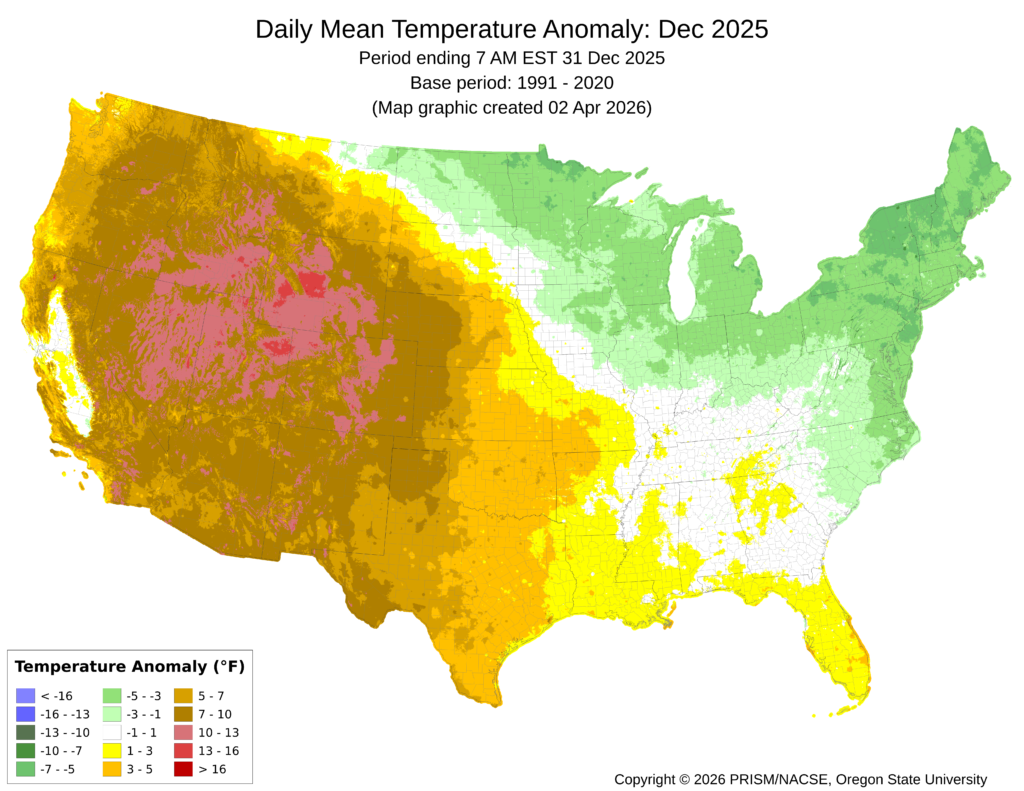
By mid-December, the "smoking gun" of the season became apparent: an unprecedented lack of cold. While the Northeast and Upper Midwest experienced temperatures as much as five degrees Fahrenheit below average, the West saw the opposite extreme. Much of the region endured temperatures ranging from 5 to 15 degrees Fahrenheit above historical norms. This thermal spike had immediate and visible impacts on the winter recreation industry. Ski resort operators, who typically rely on the lucrative Christmas and New Year’s holiday window, were forced to delay openings.
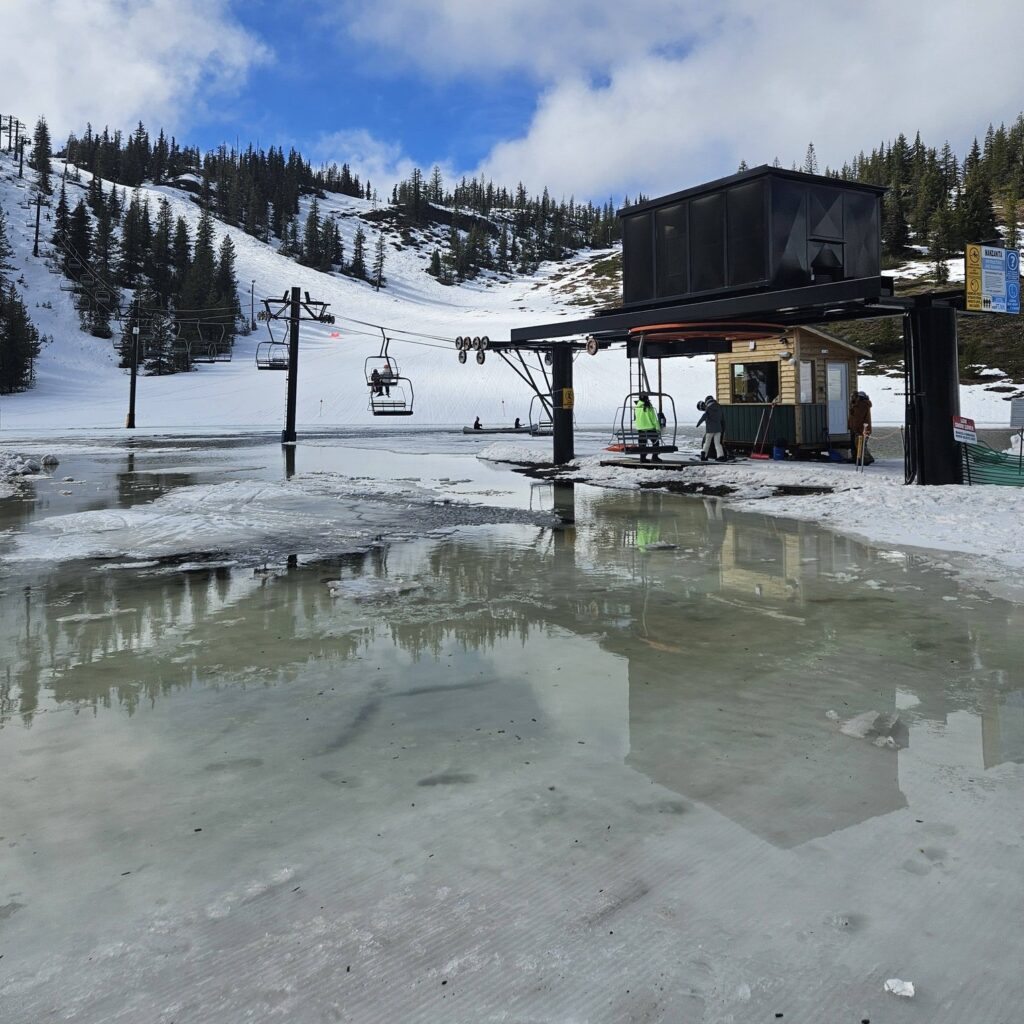
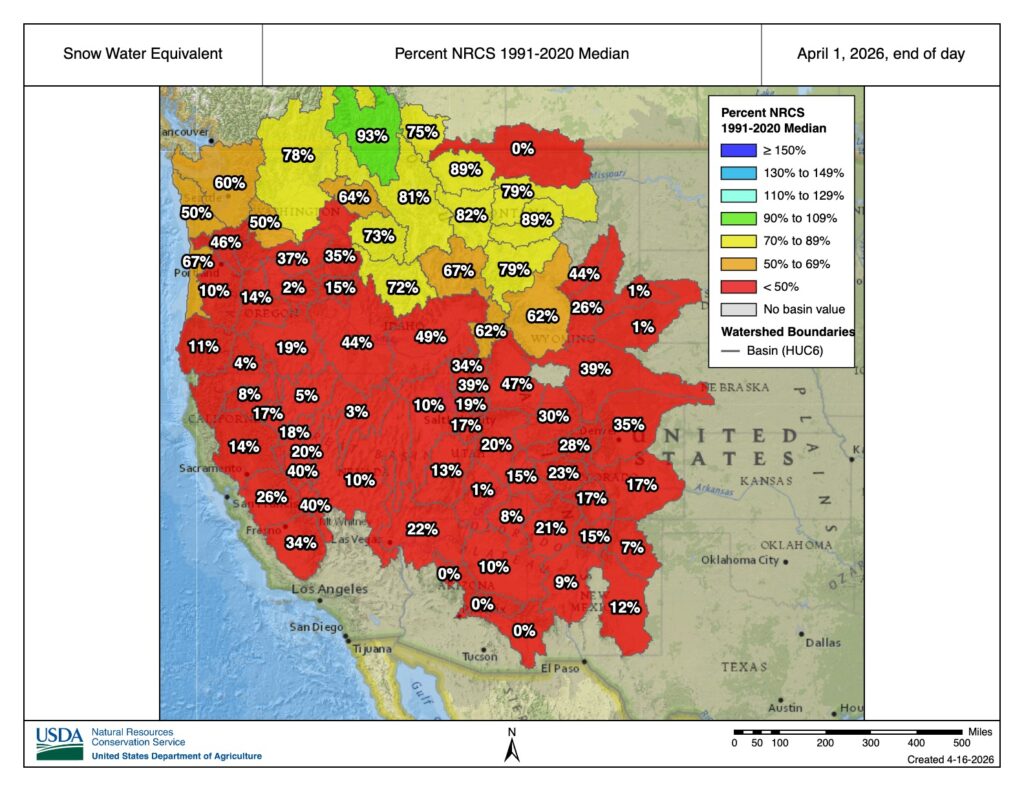
The timeline of the season was defined by "moving goalposts." Initial hopes for a late-December recovery shifted to Martin Luther King Jr. Day, then to President’s Day, and finally to Spring Break. In many cases, the snow never arrived in sufficient quantities to support a full season. By mid-March, unusual events such as unscheduled "pond skims"—typically a late-spring ritual marking the end of the season—were occurring at resorts like Hoodoo Ski Area in Oregon due to rapid, premature melting. By April 1, a date traditionally viewed as the peak of the Western snowpack, observation stations across the West reported Snow Water Equivalent (SWE) values that were only a tiny fraction of their long-term averages.
The Meteorological Mismatch: Precipitation vs. Temperature
To understand the failure of the 2025-2026 season, it is necessary to examine the fundamental "recipe" for snow: the combination of moisture and sub-freezing temperatures. Data provided by the Natural Resources Conservation Service (NRCS) and PRISM Climate Group indicates that the "wet" component of the recipe was largely present. Oregon, Utah, and Colorado ran slightly dry, while the Pacific Northwest, including Washington, Idaho, and Montana, actually experienced slightly above-average precipitation.
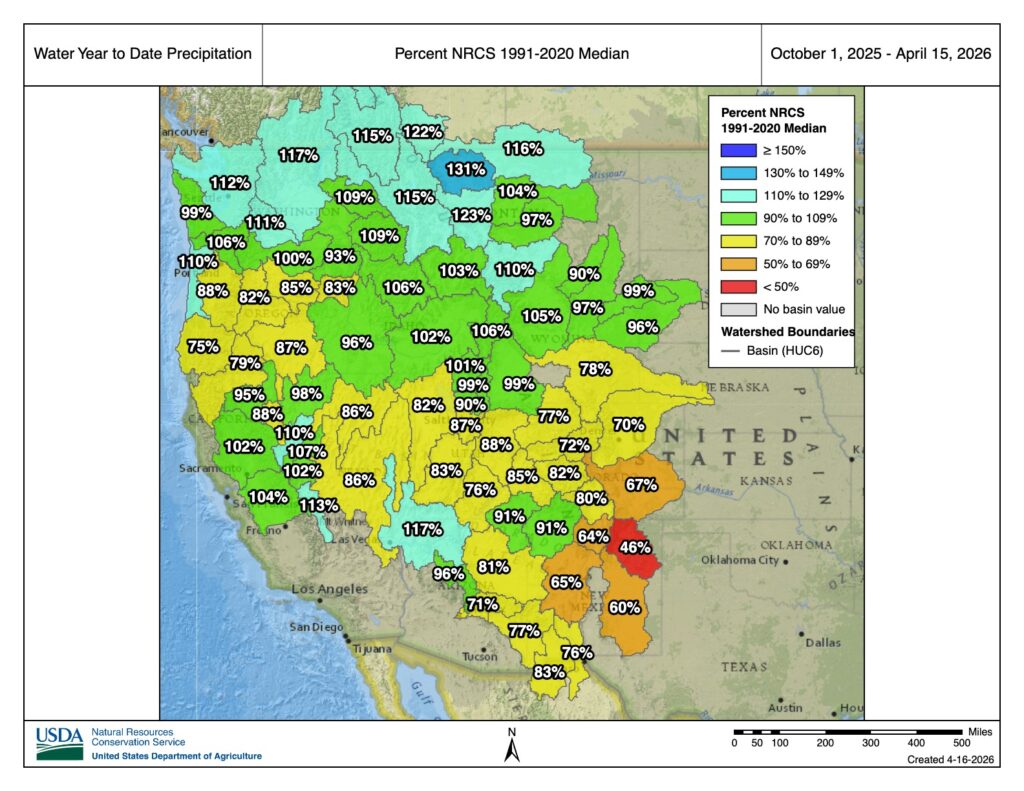
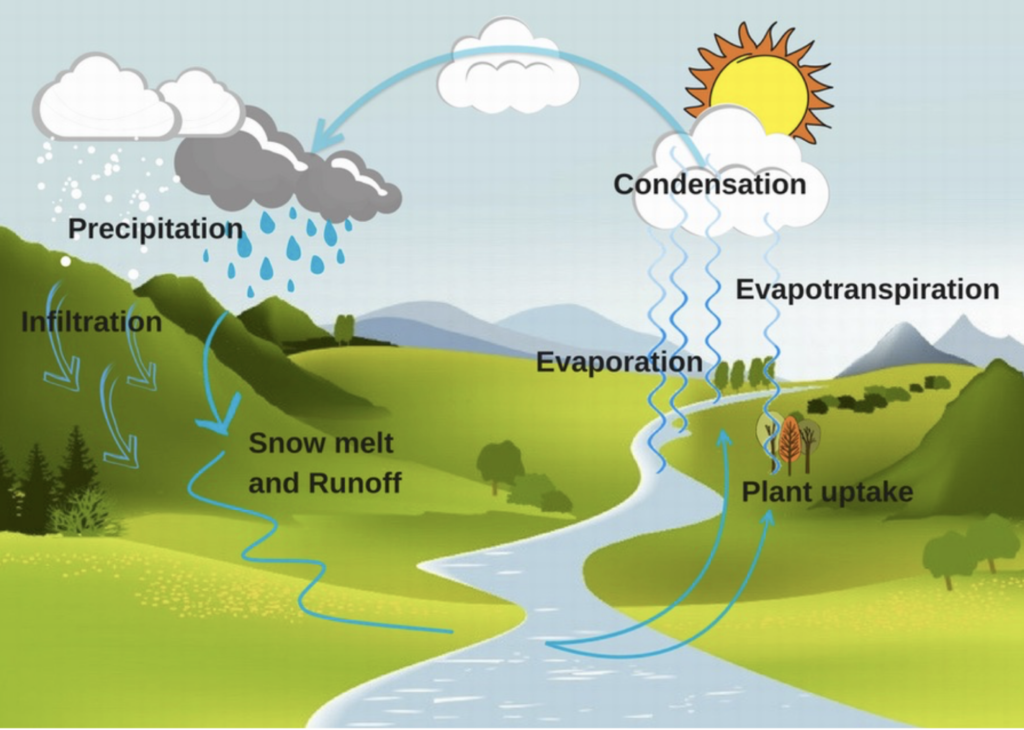
The failure was entirely thermal. Because the atmosphere remained too warm, precipitation that would historically have fallen as snow arrived instead as rain, or as "heavy" snow that melted almost immediately upon contact with the ground. This shift in the rain-snow transition line to higher elevations effectively reduced the geographical area capable of storing snow.
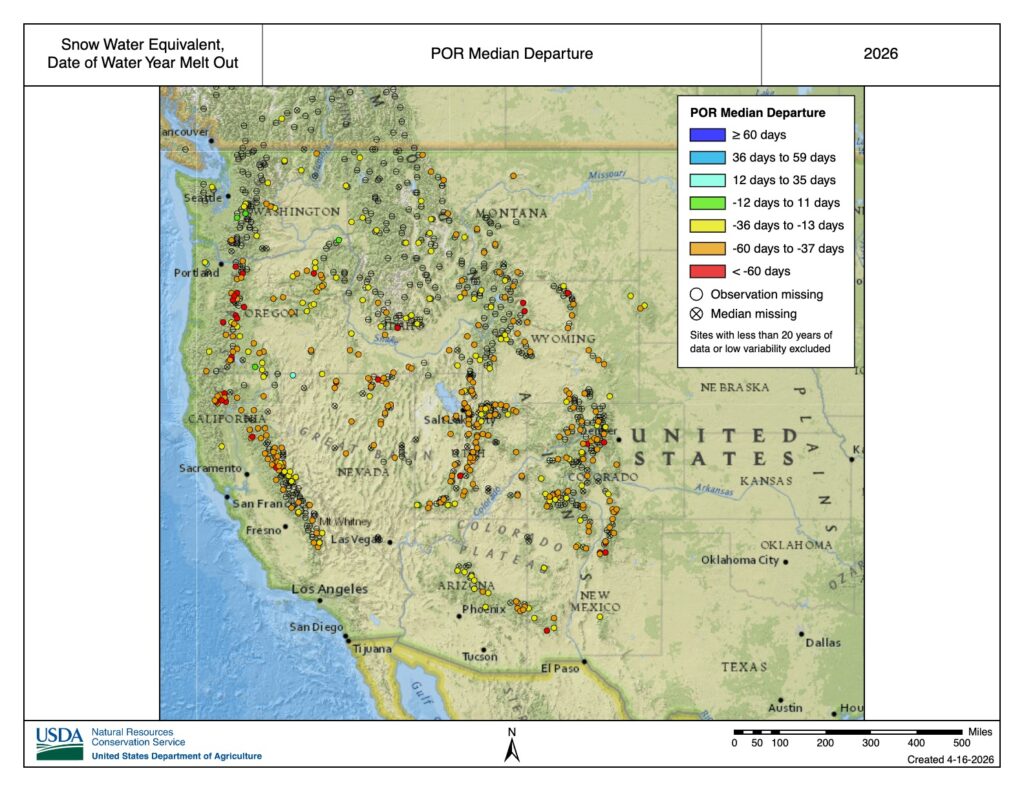
Technical analysis of April 1 SWE values shows that many observation stations posted their worst peak values in the last 45 years. Furthermore, the "snow off" dates—the calendar day when the snowpack completely disappears—occurred not just days or weeks early, but months ahead of schedule. In some high-altitude locations in the Cascades and the Sierras, the snowpack had vanished by mid-April, an occurrence that historically would not take place until June or July.
Snowpack as a Critical Natural Infrastructure
The loss of a robust snowpack is more than a disappointment for outdoor enthusiasts; it represents a systemic failure of the region’s primary water storage mechanism. To contextualize the scale of this resource, scientists often point to the global distribution of water. If all the Earth’s water were gathered into a single sphere, its diameter would be only 40% of the moon’s diameter. Of that, less than one-hundredth of one percent is fresh, accessible water available for human use.
In the Western United States, the seasonal snowpack acts as a "distributed reservoir." Unlike man-made reservoirs like Lake Mead or Lake Powell, which are confined to specific geographical points, the snowpack stores water across millions of acres of mountain terrain. This natural infrastructure holds back trillions of gallons of water during the wet winter months and releases it slowly during the late spring and summer.
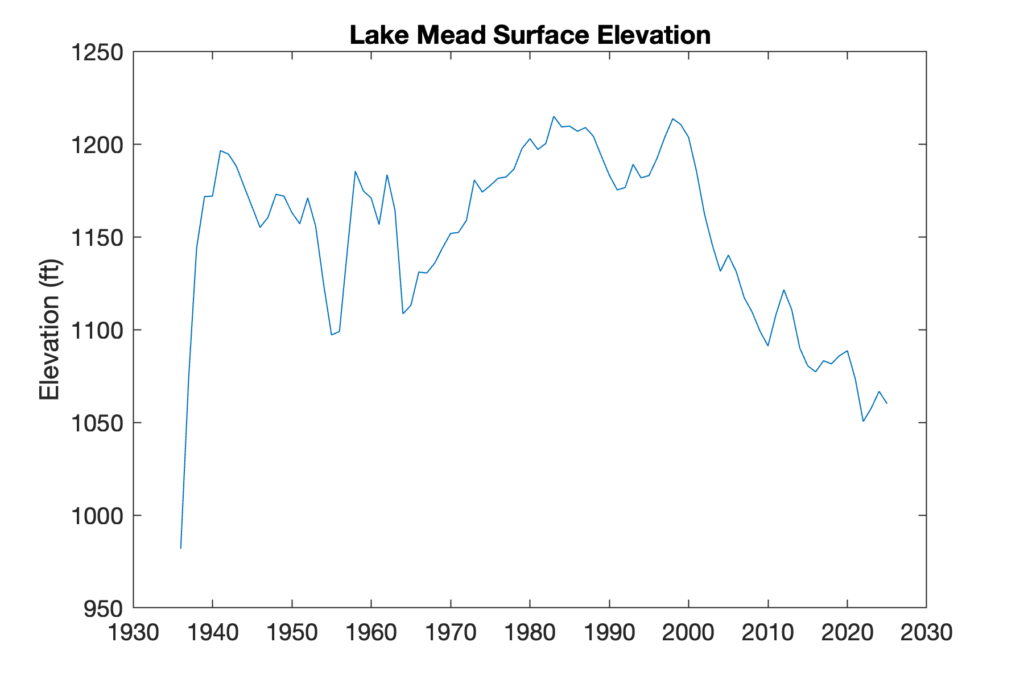
Estimates suggest that the total volume of water stored in the contiguous United States’ snowpack at its peak is approximately five times the storage capacity of Lake Mead at its maximum elevation. When this "snow reservoir" fails, as it did in the 2025-2026 season, the pressure on human-made infrastructure intensifies. The lack of a slow-release melt means that runoff occurs in a sudden, early pulse, often leading to spring flooding followed by severe summer droughts as streamflows dwindle prematurely.
Regional Impacts and Stakeholder Reactions
The consequences of the 2025-2026 snow drought have rippled through various sectors of the economy and the environment.
- The Ski and Tourism Industry: In states like Utah and Colorado, where the ski industry is a multi-billion dollar driver, the shortened season has led to significant revenue losses. Industry analysts suggest that the "moving goalpost" phenomenon resulted in a 30-40% drop in seasonal pass usage and a corresponding decline in local hospitality spending.
- Agriculture and Irrigation: Farmers in the Colorado River Basin and the Central Valley of California are facing increasingly urgent conversations regarding water allocation. With Lake Mead’s elevations continuing a multi-year decline, the absence of a supplemental snowpack "insurance policy" has forced the Bureau of Reclamation to consider stricter Tier 2 or Tier 3 shortage declarations.
- Aquatic Ecosystems: Fisheries and wildlife agencies have expressed concern over stream temperatures. The snowpack traditionally provides a steady influx of cold water into mountain streams. Without this cooling effect, water temperatures in the late summer are expected to reach levels that are lethal for sensitive species such as salmon and trout.
- Wildfire Risk: The "months-early" melt-out dates documented in 2026 serve as a harbinger of a potentially catastrophic fire season. When the snow vanishes in April instead of June, the underlying soil and vegetation have an additional two months to dry out, creating a "tinderbox" effect by the peak of summer.
Broader Implications: The "Long Game" of Climate Variability
While the 2025-2026 season was exceptionally poor, climatologists like Dr. David Hill of Oregon State University emphasize that this year must be viewed within the context of long-term trends. Data from the Hogg Pass SNOTEL site in Oregon, for example, illustrates a clear downward trend in annual maximum SWE over several decades.
However, the challenge for public perception and policy planning is the high degree of inter-annual variability. A "lean" year like 2025-2026 can be followed by a "boom" year with record-breaking snowfall. This "feast or famine" cycle can lead to a false sense of security during wet years, masking the underlying reality that the baseline for "normal" is steadily shifting toward a warmer, less snowy future.
The 2025-2026 season highlights a critical mismatch between our current water management systems and the changing climate. Our existing network of canals, aqueducts, and surface reservoirs was designed based on the assumption of a reliable, predictable snowpack. As that snowpack becomes increasingly unpredictable, the "glass half full" perspective—hoping for a better next year—must be balanced with rigorous, data-driven adaptation strategies.
Conclusion: Adapting to a New Hydrologic Reality
The "hot mess" of the 2025-2026 winter is a stark reminder that snow is a primal and essential element of the Western United States’ identity and survival. The feelings of disappointment and grief expressed by those who live and work in these mountain landscapes are a reflection of a deep-seated connection to the seasonal cycle.
As the region prepares for a summer defined by early runoff and potential water scarcity, the lessons of the past winter are clear. The Western U.S. can no longer rely on the "natural reservoir" of snow to function as it did in the 20th century. Moving forward, water resource planning will require a more sophisticated understanding of temperature anomalies and a greater investment in diverse storage solutions, from groundwater recharge to enhanced conservation measures. While the hope remains that next year will be "half full of snow," the 2025-2026 season has proven that the region must be prepared for the possibility that the glass may remain stubbornly, and dangerously, half-empty.

