
The removal of mandatory reservation requirements for Yosemite National Park this past Memorial Day Weekend, a significant shift in park management strategy, resulted in overwhelming visitor numbers and considerable congestion, testing the efficacy of the National Park Service’s new approach to managing capacity in one of America’s most iconic natural landscapes. The park, which had previously implemented a reservation system to control visitor flow, opted to revert to a model relying on real-time traffic management, temporary parking diversions, and increased seasonal staffing. This past holiday weekend, a period historically marked by peak visitation, served as a critical litmus test for this new system, and initial reports indicate significant challenges in accommodating the surge of visitors.
The Shift Away from Reservations and the Memorial Day Test
For years, Yosemite National Park, like many other heavily trafficked national parks, grappled with the challenge of balancing public access with the preservation of its delicate ecosystems and visitor experience. The introduction of reservation systems in recent years was a direct response to concerns over overcrowding, traffic gridlock, and the degradation of park resources. However, the National Park Service announced a pivot, aiming to streamline access and reduce administrative burdens by eliminating these requirements at several key parks, including Yosemite, for the 2026 season. The stated intention was to implement dynamic management strategies, such as using temporary road closures and diversions when parking lots reached capacity, and deploying additional staff to monitor and direct traffic.
The Memorial Day Weekend represented the first major holiday period under this new, reservation-free paradigm. This long weekend, typically a magnet for outdoor enthusiasts and families, provided an immediate and intense demonstration of public demand. The results, as observed and reported by various sources, painted a picture of a park struggling to cope with the sheer volume of visitors.
Unprecedented Crowds and Logistical Challenges
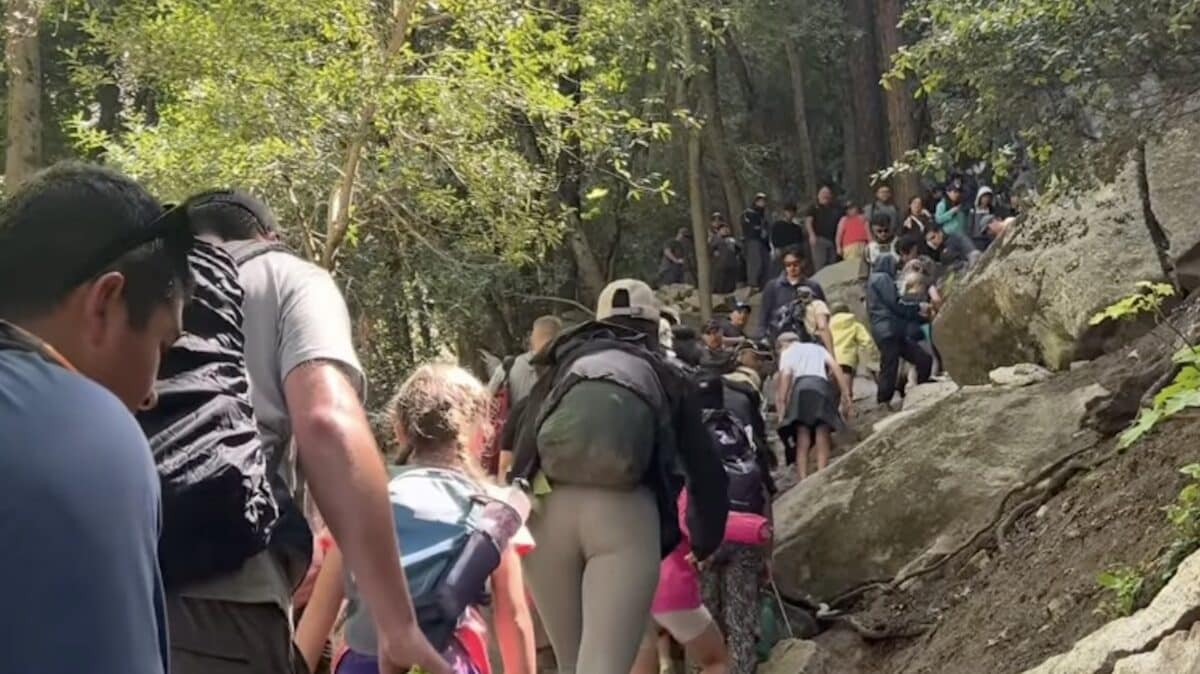
Footage and eyewitness accounts from within Yosemite during the Memorial Day weekend revealed scenes of significant congestion. Roads within the park experienced heavy traffic, with vehicles often moving at a crawl or remaining stationary for extended periods. This led to lengthy queues for shuttle buses, a critical component of transportation within the valley floor, further exacerbating delays.
The overflow of vehicles presented a significant challenge to park infrastructure. Reports indicated that drivers, in their efforts to find parking or bypass traffic, resorted to parking illegally along road shoulders, in fields, and even blocking crosswalks. This unauthorized parking not only created safety hazards but also resulted in damage to the park’s natural landscape. Law enforcement officials were compelled to issue numerous citations and tow away vehicles, highlighting the extent of the parking crisis. The cumulative impact of these actions suggests that the park’s management systems were stretched to their limits.
Data and Visitor Impact
Preliminary data suggests a dramatic increase in visitor numbers compared to previous years. According to ABC 7 News, Yosemite had already welcomed nearly 100,000 more visitors by the time of the report than at the same point in the preceding year. This substantial surge underscores the pent-up demand for access to the park.
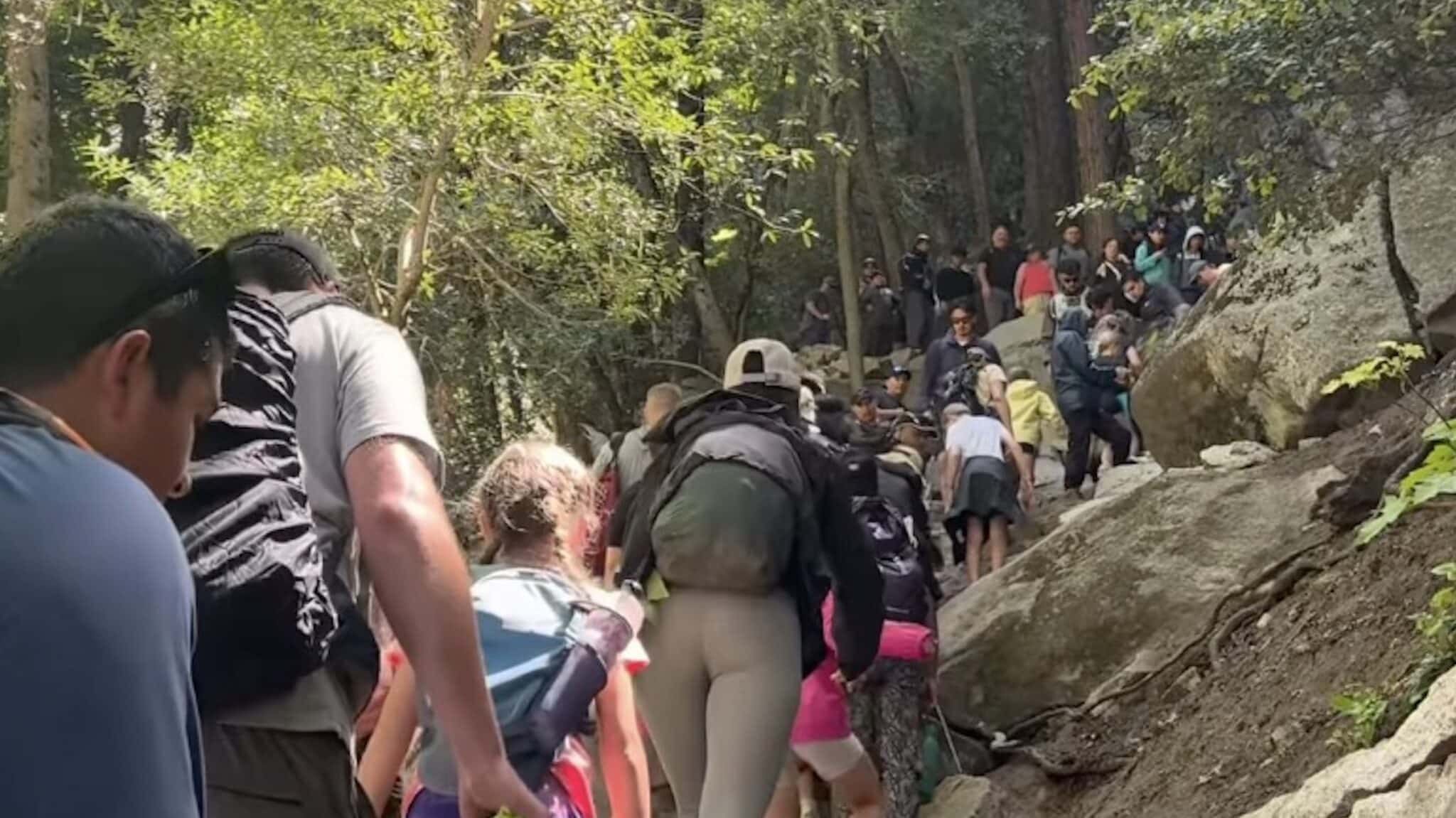
For many prospective visitors, the journey into Yosemite proved to be arduous. The time required to enter the park often extended to an hour and a half, with many reporting that by as early as 7:30 AM on weekend mornings, all designated parking areas were already completely full. This situation left many visitors stranded or forced to alter their plans significantly, impacting their ability to experience the park’s renowned attractions.
Broader Context and Historical Perspective
The decision to move away from reservation systems at national parks like Yosemite is part of a broader discussion within the National Park Service about balancing accessibility, sustainability, and visitor experience. While reservations can effectively manage numbers, they can also create barriers to entry for spontaneous visitors or those with less flexible schedules. The current approach attempts to strike a balance, relying on real-time interventions rather than pre-emptive limitations.
The history of visitor management in Yosemite is marked by various strategies, from early efforts to accommodate increasing tourism to more recent initiatives focused on conservation and visitor flow. The current experiment represents a significant departure from the reservation mandates that became commonplace in the post-pandemic era, a period when parks experienced an unprecedented boom in visitation due to increased interest in outdoor recreation.
Analysis of Implications and Future Considerations
The Memorial Day Weekend experience at Yosemite raises important questions about the long-term viability of a reservation-free model, particularly during peak seasons. The observed congestion and illegal parking suggest that the current infrastructure and management strategies may not be sufficient to handle the full influx of visitors without reservations, especially on high-demand weekends.
The significant increase in visitor numbers, while beneficial for local economies that rely on tourism, poses risks to the park’s natural resources. Increased foot traffic can lead to trail erosion, disturbance of wildlife, and litter. The environmental impact of widespread illegal parking is also a serious concern.
The park’s reliance on real-time traffic management and diversions proved insufficient to prevent widespread delays and parking shortages. This indicates a need for more robust solutions, potentially including enhanced public transportation options, improved shuttle services, or even a tiered approach to entry based on the time of day or week.
Expert and Official Reactions (Inferred)
While direct quotes from park officials or external experts regarding the specific Memorial Day weekend performance were not immediately available in the original report, the situation logically implies a period of intense review and recalibration within the National Park Service. It is reasonable to infer that park managers and policymakers are now evaluating the data from this weekend to understand the extent of the challenges and to refine future strategies.
Environmental advocacy groups and local community leaders who have historically voiced concerns about overcrowding and its impact on Yosemite are likely to be closely monitoring the situation. Their input and concerns will undoubtedly play a role in shaping future park management decisions. Visitors themselves, many of whom experienced significant frustration, are also a key stakeholder group whose feedback will be crucial.
Preparing for a Crowded Summer
For individuals planning a visit to Yosemite National Park during the upcoming summer months, the message is clear: anticipate significant crowds. While the entrance fee remains in place, starting at $35 per vehicle for a standard pass, the absence of reservation requirements means that access is primarily governed by parking availability.
To mitigate potential issues and maximize the visitor experience, several proactive measures are recommended:
- Arrive Early: The most crucial advice is to arrive at the park as early as possible, ideally before sunrise, to secure parking.
- Develop Backup Plans: Visitors should have multiple contingency plans for each day of their visit, as access to specific areas or trails may be limited due to capacity.
- Utilize Public Transportation: Where available, utilizing park shuttle systems can help reduce reliance on personal vehicles and navigate congested areas more efficiently.
- Stay Informed: Checking the official Yosemite National Park website and local news sources for real-time updates on road conditions, parking availability, and any temporary closures is essential.
- Explore Less-Visited Areas: Consider venturing to less popular areas of the park or visiting during weekdays to potentially avoid the most extreme congestion.
The Yosemite Conservancy website offers valuable resources for planning a trip, including information on navigating the park and understanding current conditions. The success of Yosemite’s new management approach hinges on its ability to adapt and respond to the undeniable public desire to experience its grandeur, while simultaneously safeguarding its irreplaceable natural and cultural heritage for future generations. The lessons learned from this Memorial Day weekend will undoubtedly inform the park’s strategy as the summer season progresses.

