
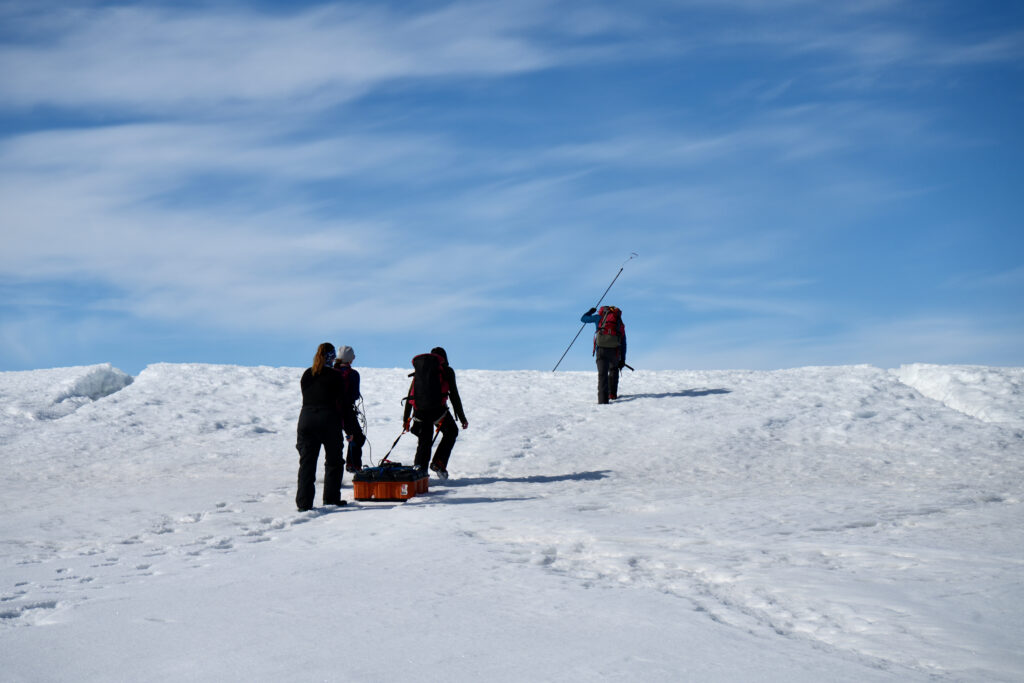
At the remote southern reaches of the globe, a team of glaciologists led by Dr. Ali Banwell is working to decode one of the most critical variables in the climate change equation: the structural integrity of Antarctica’s ice shelves. As a Research Scientist at the University of Colorado Boulder and a Professor in Glaciology at Northumbria University, Dr. Banwell recently completed a grueling six-week field season on the McMurdo Ice Shelf. Her research, funded by the National Science Foundation (NSF), seeks to understand how these massive floating extensions of glacial ice respond to environmental stress and whether specific geological features, known as "rumples," serve to stabilize or weaken the continent’s defensive perimeter.
The urgency of this research is underscored by a single, staggering statistic: if the entire Antarctic Ice Sheet were to melt, global sea levels would rise by approximately 190 feet. While scientists do not expect such a total collapse in the immediate future, the mechanisms that could trigger large-scale melting are already in motion. Ice shelves act as a "buttress," or a cork in a bottle, holding back vast land-based glaciers. Without these shelves, which currently ring about 75% of the Antarctic coastline, ice from the interior would flow into the ocean at an accelerated rate, causing sea levels to rise much faster than current models predict.
The Mechanics of Ice Shelf Stability and the McMurdo "Rumples"
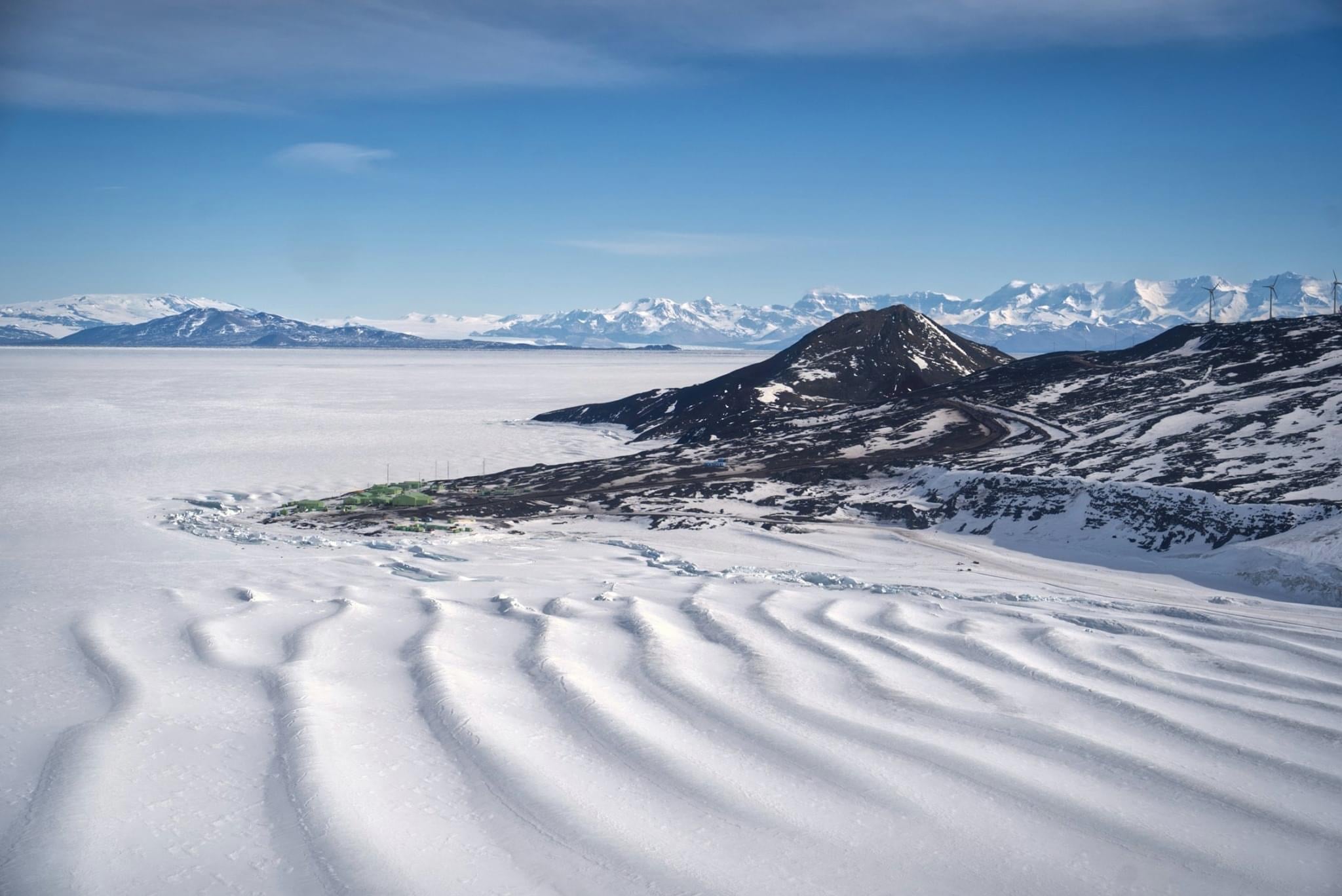
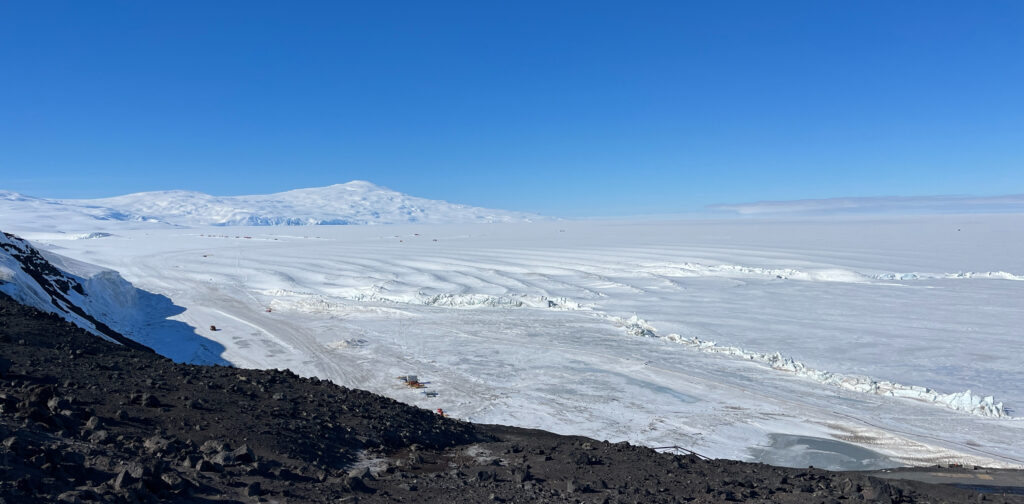
The primary focus of Dr. Banwell’s investigation is a peculiar phenomenon observed on the McMurdo Ice Shelf, located near the United States’ McMurdo Station on Ross Island. Typically, ice shelves are expected to flow outward from the land toward the open sea. However, in certain sections of the McMurdo shelf, the ice is being forced into land masses. This compression causes the ice to buckle and crumple, creating wave-like ridges known as "ice shelf rumples."
These rumples represent a complex variable in glaciology. Scientists are currently divided on their impact: do these ridges provide a structural anchor that helps hold the ice shelf together, or do they create points of high stress where the ice is more likely to fracture and collapse? The answer is pivotal for global climate modeling. If rumples are found to be points of weakness, then ice shelves across the continent may be more fragile than previously estimated.
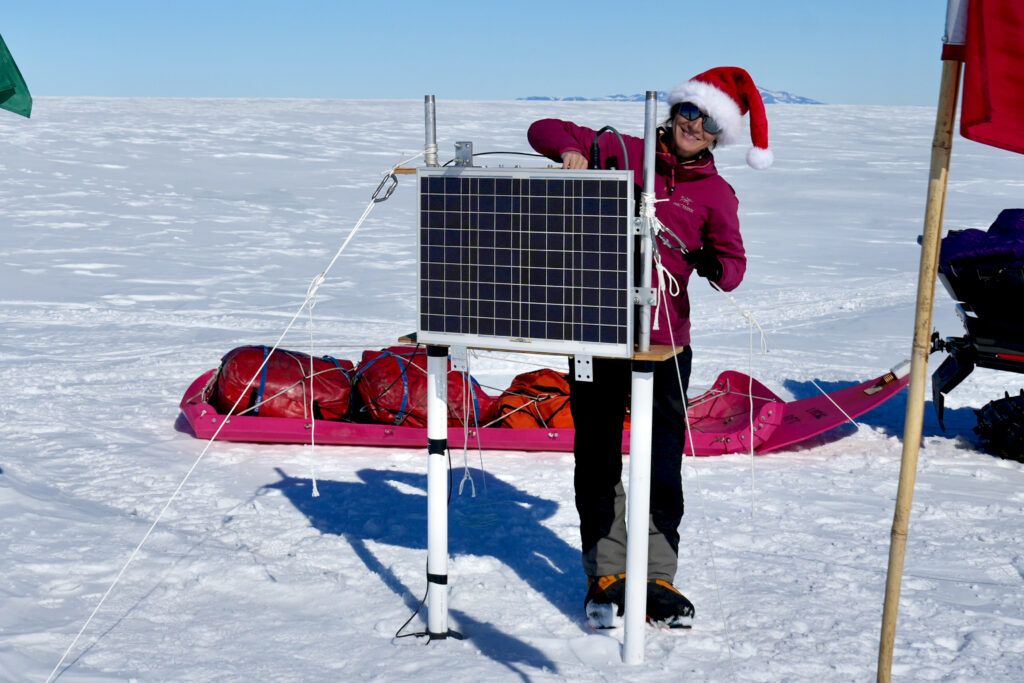
The research conducted by Dr. Banwell’s team—which included PhD students Allie Berry and Michela Savignano, as well as Co-Principal Investigator Ryan Cassotto—involved the installation of a sophisticated monitoring network. This network is designed to capture the "pulse" of the ice through the harsh Antarctic winter, providing a continuous stream of data that satellite observations alone cannot offer.
Chronology of the Field Season: Six Weeks on the Ice
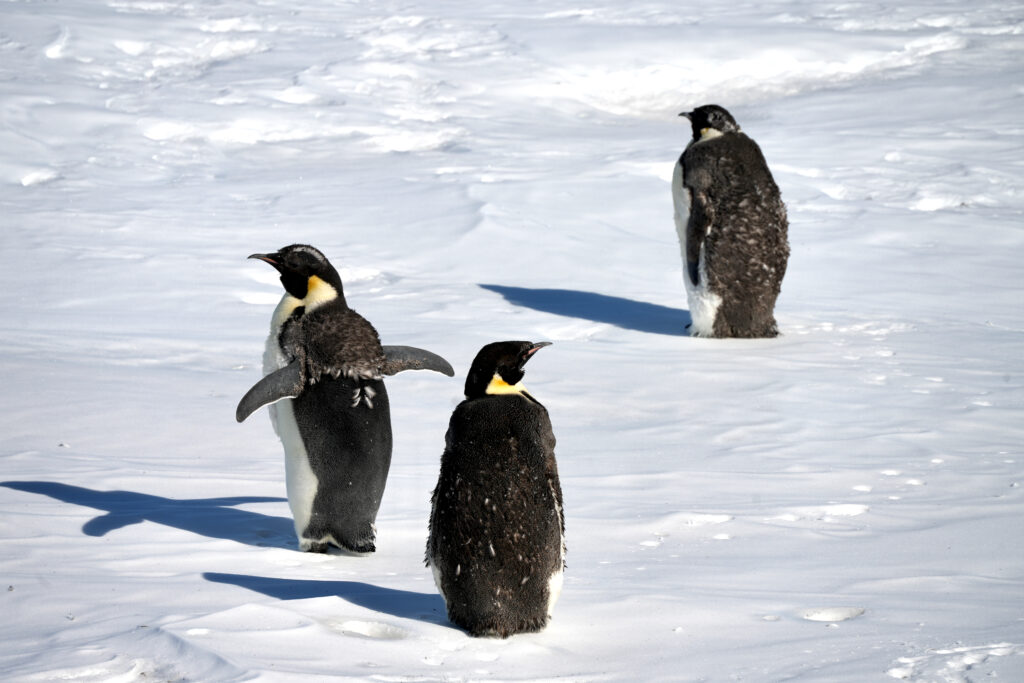
The expedition began with the team’s arrival at McMurdo Station, the largest community in Antarctica. From this logistical hub, the group transitioned to the ice shelf for a six-week intensive study period. The daily routine involved traveling by snowmobile across a landscape Dr. Banwell described as "vast, remote, and otherworldly," navigating around dangerous crevasses and monitoring the local wildlife, including three emperor penguins that remained near the site while molting.
The primary objective during this window was the deployment of an array of scientific instruments. These included:
- Seismometers: Sensitive devices placed deep within the ice to detect the acoustic signals of internal cracking and fracturing.
- High-Precision GPS Units: Instruments capable of tracking ice movement down to the centimeter, allowing researchers to measure the flow of the shelf in real-time.
- Radar Systems: Used to peer through the surface to measure ice thickness and internal deformation layers.
- Weather Stations: Automated systems to record temperature, wind speed, and solar radiation, providing context for the physical changes observed in the ice.
- Time-Lapse Cameras: Positioned to take photographs every 30 minutes, creating a visual record of the shelf’s surface changes throughout the year.
By the end of the six weeks, the team had successfully established a "quiet" observatory. While the scientists have returned to their respective universities, these instruments remain on the ice, gathering data through the dark, frigid months of the Antarctic winter.
Preliminary Findings and Environmental Observations
Even before the full dataset is retrieved during the next field season, Dr. Banwell’s team noted several significant observations. Most notably, the ice shelf was found to be moving at a rate of one to two feet per day. While this may seem slow by terrestrial standards, in the context of glaciology, it represents a highly dynamic and rapidly changing environment.
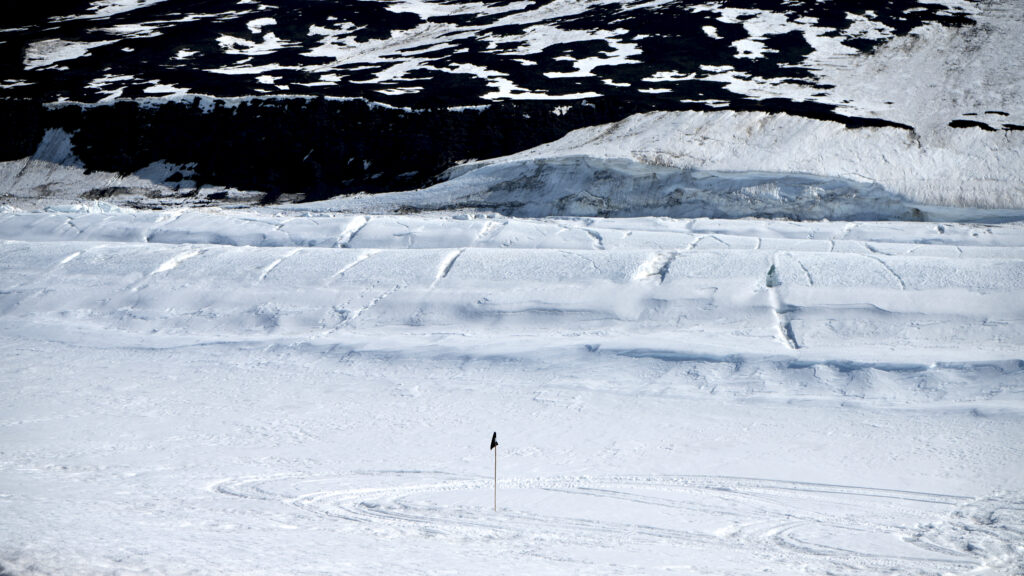
Furthermore, the team experienced the warmest summer in Dr. Banwell’s seven years of Antarctic field research. This spike in temperature had immediate physical consequences on the study site. The snow cover melted earlier than anticipated, exposing a surface that was far more fractured than expected. The team encountered an increased number of crevasses, highlighting the physical risks of polar research and the necessity of advanced mountaineering training for all personnel.
The early exposure of these fractures is a sobering indicator of how sensitive the Antarctic coastline is to even minor fluctuations in temperature. As surface meltwater infiltrates these cracks, it can lead to "hydrofracturing," a process where the pressure of the water forces the cracks to deepen and widen, potentially leading to the rapid disintegration of the ice shelf.
Supporting Data: The Global Context of Sea Level Rise
The research conducted on the McMurdo Ice Shelf is part of a broader global effort to refine sea-level rise projections. According to current data from the Intergovernmental Panel on Climate Change (IPCC) and NASA, global sea levels have risen by about 8 to 9 inches since 1880, with a significant portion of that rise occurring in the last 25 years.
The Antarctic Ice Sheet is the largest single mass of ice on Earth. If the protective ice shelves continue to thin and break apart—as seen with the dramatic collapse of the Larsen A and B shelves in previous decades—the rate of sea-level rise will likely accelerate. Current conservative projections suggest a rise of one to three feet by the end of the 21st century.
While a few feet may not sound catastrophic, the impact on human civilization would be profound. Supporting data indicates that:
- Displacement: A three-foot rise in sea level could displace over 100 million people worldwide, particularly in low-lying regions such as Bangladesh, Vietnam, and the Nile Delta.
- Economic Cost: Major coastal cities, including New York, Miami, Shanghai, and London, would face trillions of dollars in infrastructure damage and the need for massive investments in sea defenses.
- Ecosystem Loss: Coastal wetlands and mangroves, which provide natural storm protection and serve as carbon sinks, would be permanently submerged.
Official Responses and Scientific Analysis
The scientific community has reacted to Dr. Banwell’s preliminary reports with a mixture of interest and concern. Glaciologists not involved in the study emphasize that the McMurdo Ice Shelf serves as a "natural laboratory" for understanding the physics of ice compression.
"The work being done by Dr. Banwell and her team is essential because it bridges the gap between satellite data and ground truth," noted one independent researcher in the field. "We can see the ice moving from space, but we need these ground-based seismometers and GPS units to understand why it is moving and what the internal stresses are. That is the only way to build accurate models for the future."
The National Science Foundation’s continued support for these expeditions reflects a high-level policy recognition that polar stability is a matter of global security. The data retrieved next season is expected to be integrated into larger climate models used by governments to plan for coastal adaptation and mitigation.
Broader Impact and Future Implications
The fate of Antarctica’s ice shelves is inextricably linked to the future of the world’s coastlines. Dr. Banwell’s research into ice shelf rumples is a critical piece of a much larger puzzle. If her team finds that these rumples are indeed structural weaknesses, it will necessitate a re-evaluation of the stability of other ice shelves across the continent, such as the massive Ross and Ronne-Filchner shelves.
As global temperatures continue to trend upward, the frequency of ice-shelf break-up events is expected to increase. The transition from a "stable" ice shelf to a collapsing one can happen with surprising speed once a certain threshold is crossed. By "listening" to the ice through the winter, Dr. Banwell is providing the world with an early warning system.
In conclusion, the work of these four scientists on the McMurdo Ice Shelf illustrates the high stakes of modern glaciology. One to two feet of ice movement per day and a projected one to three feet of sea-level rise per century are small numbers that carry immense weight. The data currently being collected in the dark of the Antarctic winter will eventually help determine how the world’s coastal cities prepare for a future where the "bottom of the world" is no longer as stable as it once was. The team is scheduled to return to the site in the next field season to retrieve their instruments and begin the long process of data analysis, a task that will likely have implications for years to come.

