
A specialized team of scientists from the Protect Our Winters (POW) Science Alliance recently completed a high-stakes deployment at the Toolik Field Station on Alaska’s North Slope, marking a significant milestone in Arctic climate research. Led by ecologist Dr. Jenny Watts and snow scientist Dr. Kelly Gleason, the expedition successfully installed the first-ever flux tower situated directly on a permafrost thaw slump. This advanced instrumentation is designed to provide real-time, high-resolution data on methane and carbon dioxide emissions escaping from rapidly destabilizing Arctic terrain—a phenomenon that has historically been underrepresented in global climate models.
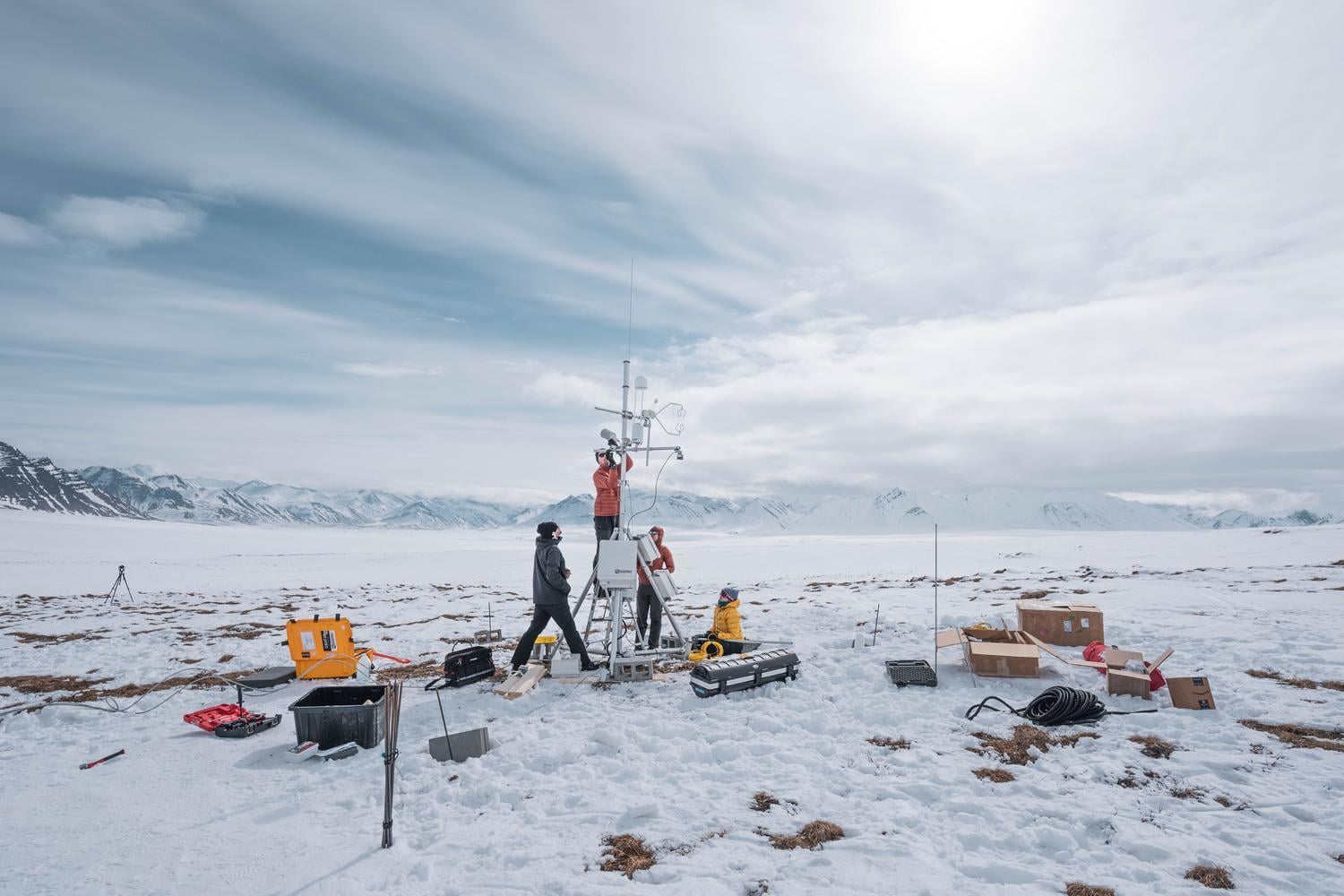
The mission, which took place under extreme sub-zero conditions, underscores the growing urgency to understand the "Arctic feedback loop." As global temperatures rise, the permafrost—soil that has remained frozen for thousands of years—is beginning to collapse. This process, known as thermokarst, creates dramatic geological features called thaw slumps, where the ground essentially melts and slides downhill. The Toolik Field Station expedition aimed to quantify exactly how much greenhouse gas is released during these collapse events, providing a clearer picture of the Arctic’s role as a potential carbon source rather than a carbon sink.
Logistics and Chronology of the North Slope Deployment
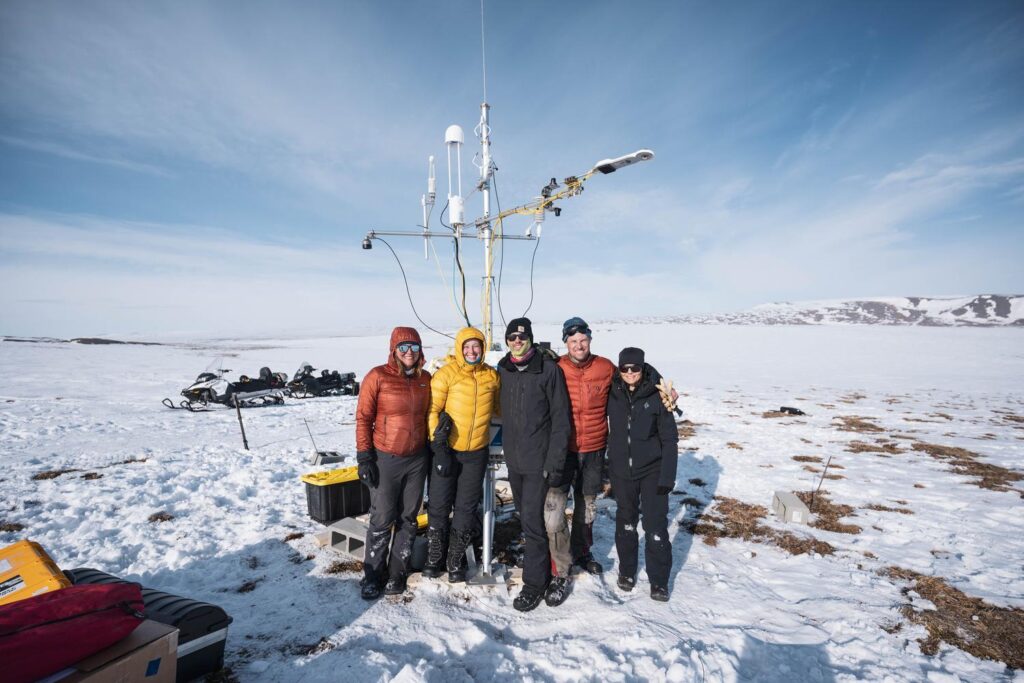
The expedition began at the Toolik Field Station, a premier Arctic research facility operated by the Institute of Arctic Biology at the University of Alaska Fairbanks. Located in the northern foothills of the Brooks Range, the station serves as a critical hub for long-term ecological monitoring. The research team, which included Dr. Gleason, Dr. Watts, and researchers Kyle, Christina, and Kai, faced the logistical challenge of transporting heavy, sensitive electronic equipment across the vast, frozen tundra.
The deployment followed a rigorous multi-day schedule:
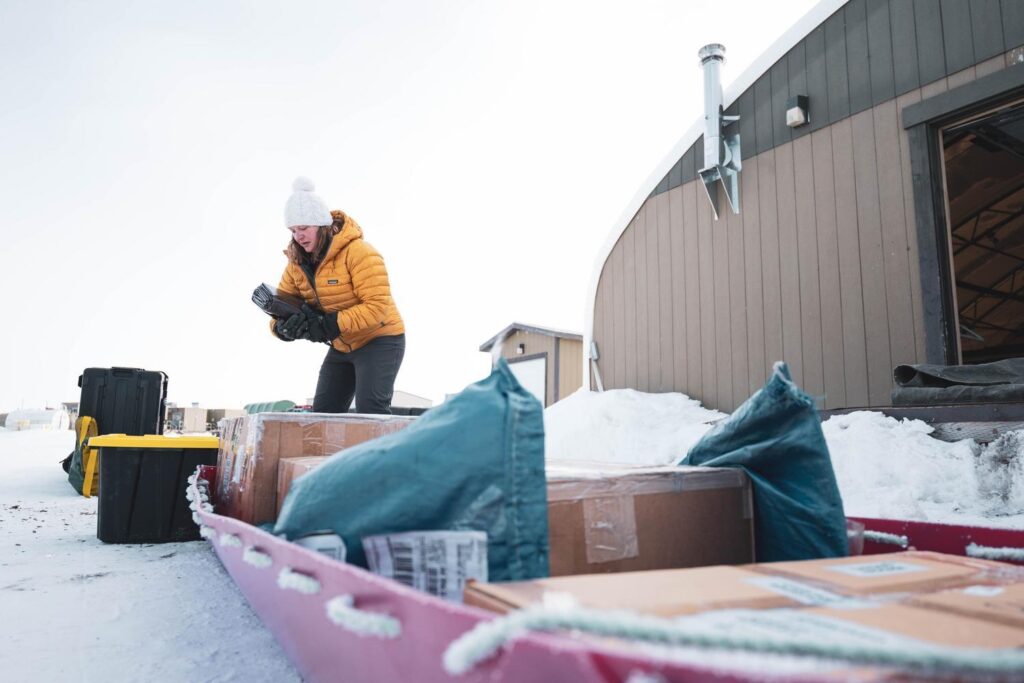
- Site Reconnaissance and Gear Preparation: The team spent the initial phase of the mission at Toolik, calibrating sensors and organizing sleds. The equipment included an aluminum tower frame, guy-lines, cement anchors, and an array of deep-cell batteries, each weighing over 100 pounds.
- Trans-Tundra Transport: Utilizing snowmachines and heavy-duty sleds, the team moved the equipment across the North Slope toward the target thaw slump. Navigating through hoarfrost and deep snowdrifts, the team had to ensure the stability of the 15-foot-tall aluminum frame during transit.
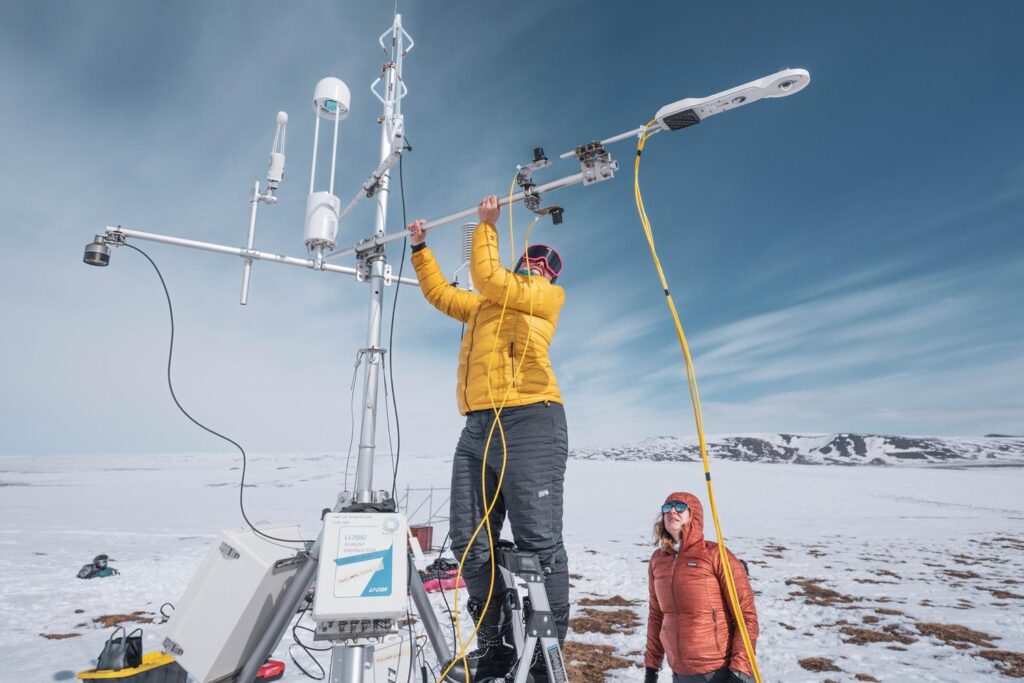
- Tower Assembly and Stabilization: Once at the slump, the team erected the 15-foot tower. This required drilling into the frozen substrate to set steel spikes and cement anchors. The structure was designed to withstand the high winds and shifting ground characteristic of the Arctic spring.
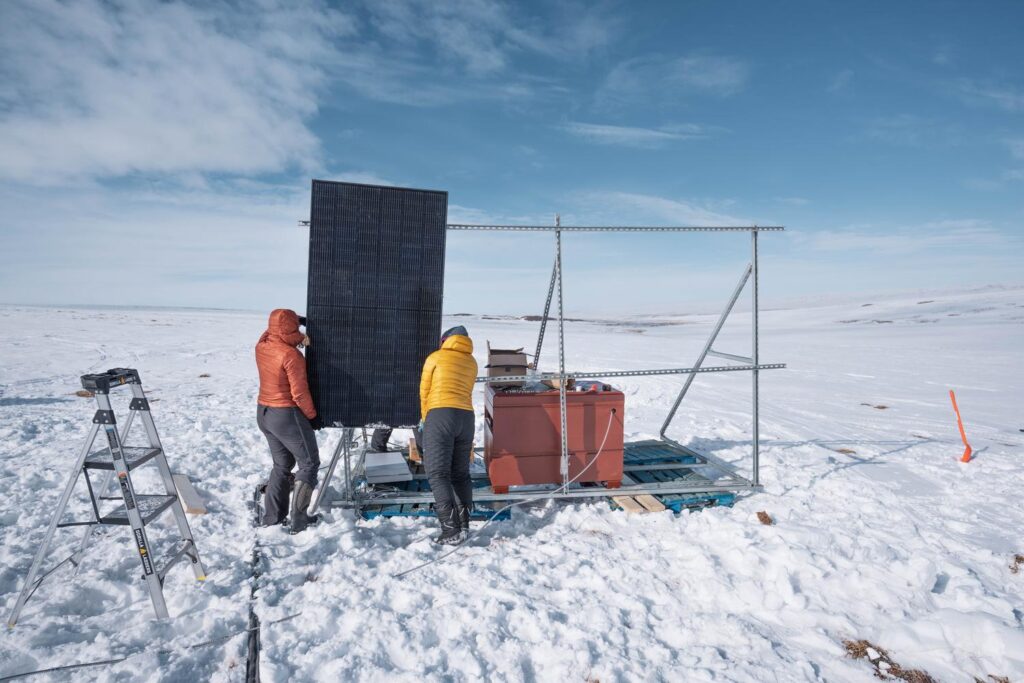
- Energy Infrastructure Installation: To power the gas analyzers and data transmission systems, the team installed four large-scale solar panels and a massive electrical enclosure. Given the remote nature of the site, the system must remain autonomous for months at a time.
- Sensor Integration: The final stage involved mounting the flux sensors, which measure the "breath" of the tundra—the invisible exchange of gases between the earth and the atmosphere.
The Science of Thaw Slumps and Carbon Flux
Permafrost contains an estimated 1,400 to 1,600 billion metric tons of carbon—nearly double the amount currently present in the Earth’s atmosphere. As long as this ground remains frozen, the carbon is effectively locked away. However, the Arctic is currently warming at a rate three to four times faster than the global average, a phenomenon known as Arctic Amplification.
Thaw slumps represent a particularly aggressive form of permafrost degradation. Unlike the gradual, uniform thawing of the surface layer, a slump occurs when ice-rich permafrost melts, causing the overlying soil to lose structural integrity and collapse. This exposes "ancient" organic material—roots, mosses, and animal remains from the Pleistocene era—to oxygen and microbes for the first time in millennia.
As microbes decompose this newly thawed organic matter, they release carbon dioxide and methane. Methane is of particular concern to the scientific community because its heat-trapping potential is roughly 25 to 30 times greater than that of carbon dioxide over a 100-year period. Dr. Jenny Watts, an expert in carbon flux at the Woodwell Climate Research Center, noted that while general tundra emissions are tracked, the concentrated "hotspots" created by thaw slumps have been largely invisible to satellite monitoring and broad-scale climate simulations. The new flux tower at Toolik aims to bridge this data gap.
The Snow Paradox: Albedo vs. Insulation
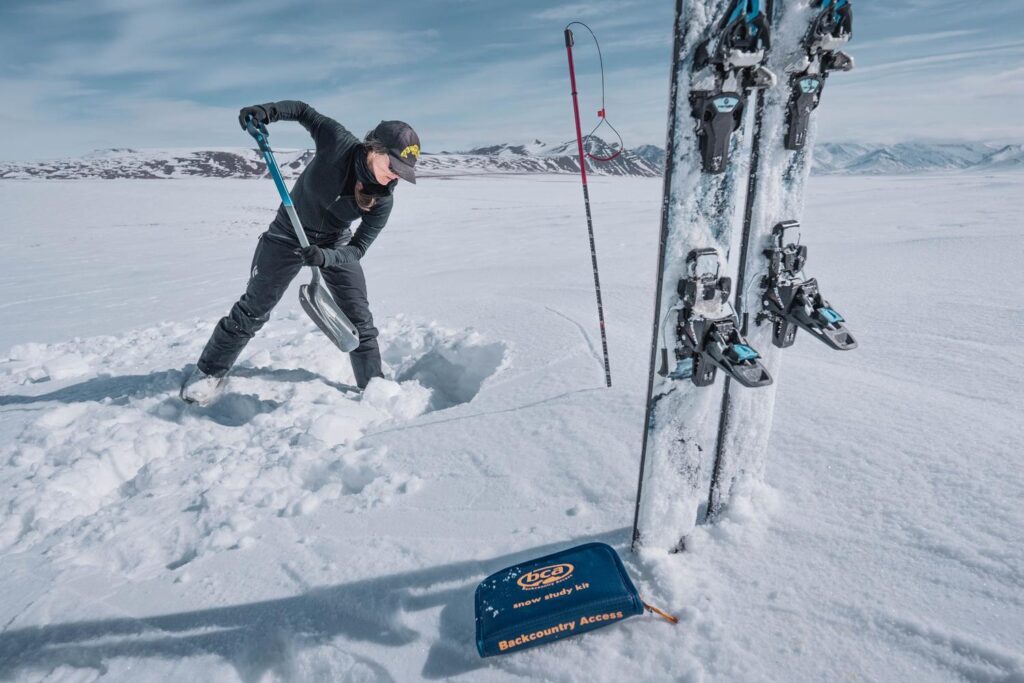
A critical component of the expedition involved investigating the role of snow cover in permafrost stability. Dr. Kelly Gleason, an assistant professor of eco-hydro-climatology at Portland State University, conducted detailed snow pit analyses to determine how different snow depths affect ground temperatures.
The research highlighted a complex climate feedback mechanism. Traditionally, snow is valued for its "albedo"—its ability to reflect solar radiation back into space, thereby cooling the planet. However, snow is also one of nature’s most effective insulators. In the Arctic, as sea ice declines and open water increases, the atmosphere becomes more humid, leading to increased snowfall in certain regions.
Dr. Gleason’s findings at the Toolik site provided stark evidence of the insulating effect:
- Deep Snowpack (Approx. 2 meters): Beneath deep drifts, the ground temperature remained significantly warmer. While the surface air was -3°C, the temperature at the base of the deep snowpack was also near -3°C, despite the extreme cold of the Arctic night.
- Shallow Snowpack (Approx. 57 cm): In areas with less snow, the insulation was weaker. The ground temperature dropped to -10°C, allowing the permafrost to remain more solidly frozen.
This "snow paradox" suggests that while more snow might reflect more sunlight during the brief Arctic summer, the increased winter insulation may actually accelerate the thawing of the permafrost below. If the ground does not freeze deeply during the winter, it becomes more susceptible to collapsing into thaw slumps during the summer months.
Supporting Data and Technical Specifications
The flux tower installed by the POW Science Alliance utilizes "eddy covariance" technology. This method involves measuring the vertical wind speed and the concentration of gases simultaneously at high frequencies (typically 10 to 20 times per second). By calculating the covariance between these two variables, scientists can determine the net exchange of gases across the landscape.
Preliminary data from similar Arctic sites suggest that thaw slumps can emit greenhouse gases at rates several orders of magnitude higher than undisturbed tundra. The Toolik tower is specifically positioned to capture these localized spikes. The inclusion of eight deep-cell batteries ensures that the sensors can continue to function during periods of low solar gain, while the 15-foot height allows the sensors to capture a wide "footprint" of the surrounding slump area.
Stakeholder Reactions and Advocacy
The expedition was supported by Protect Our Winters, an organization that mobilizes the outdoor sports community against climate change. The involvement of the POW Science Alliance represents a shift toward "actionable science," where researchers not only collect data but also engage in public advocacy to influence climate policy.
Representatives from the scientific community have emphasized that the data collected at Toolik will be vital for international climate negotiations. Current global carbon budgets, such as those established under the Paris Agreement, often struggle to account for "non-anthropogenic" emissions like those from thawing permafrost. By providing hard data on these emissions, the team hopes to force a more realistic accounting of the challenges ahead.
"The Arctic is no longer a silent witness to climate change; it is an active participant," stated a summary from the research group. "Understanding the nuances of how snow and soil interact is essential for predicting the future of our global climate."
Broader Impacts and Global Implications
The implications of the Toolik Field Station research extend far beyond the borders of Alaska. The destabilization of Arctic permafrost is a "tipping point" in the Earth’s climate system. Once a certain threshold of thawing is reached, the resulting greenhouse gas emissions could create a self-sustaining cycle of warming that becomes difficult, if not impossible, to stop through human intervention alone.
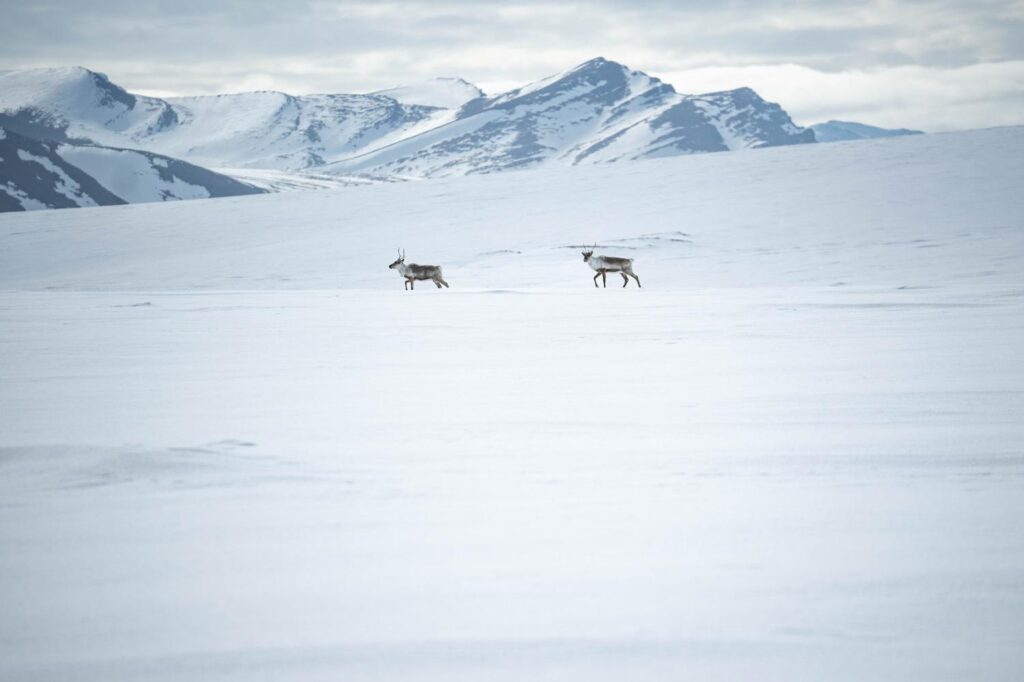
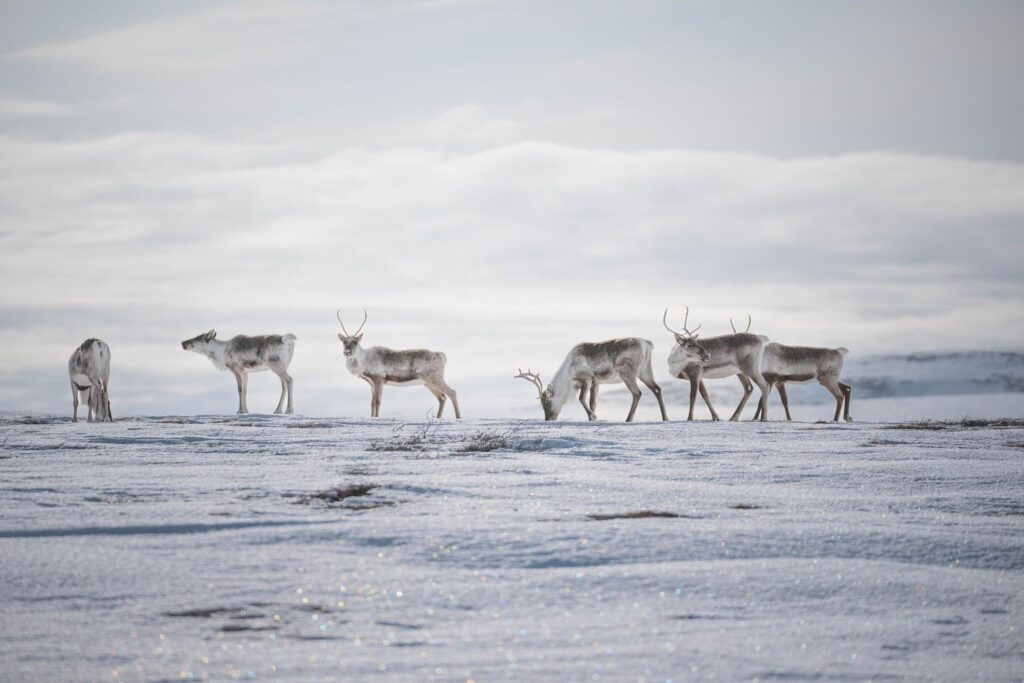
Furthermore, the physical collapse of the landscape has immediate local impacts. Thaw slumps can alter the course of rivers, increase sedimentation in freshwater lakes, and disrupt the migration patterns of caribou—a vital resource for Indigenous communities on the North Slope.
The work of Dr. Gleason and Dr. Watts serves as a reminder that the Arctic’s "pristine" appearance masks a landscape in high flux. As the first flux tower at a thaw slump begins its data collection, the scientific community awaits the results with a mixture of professional interest and environmental concern. The data will likely provide a sobering look at how the Earth’s frozen frontiers are responding to a warming world, emphasizing the need for rapid global decarbonization to protect the remaining permafrost stability.
By turning field observations into narrative-driven science, the POW Science Alliance aims to bridge the gap between technical research and public understanding. As Dr. Gleason noted in her summary of the expedition, the goal is to turn "research into responsibility," ensuring that the changes witnessed on the North Slope lead to substantive climate action on a global scale.

