
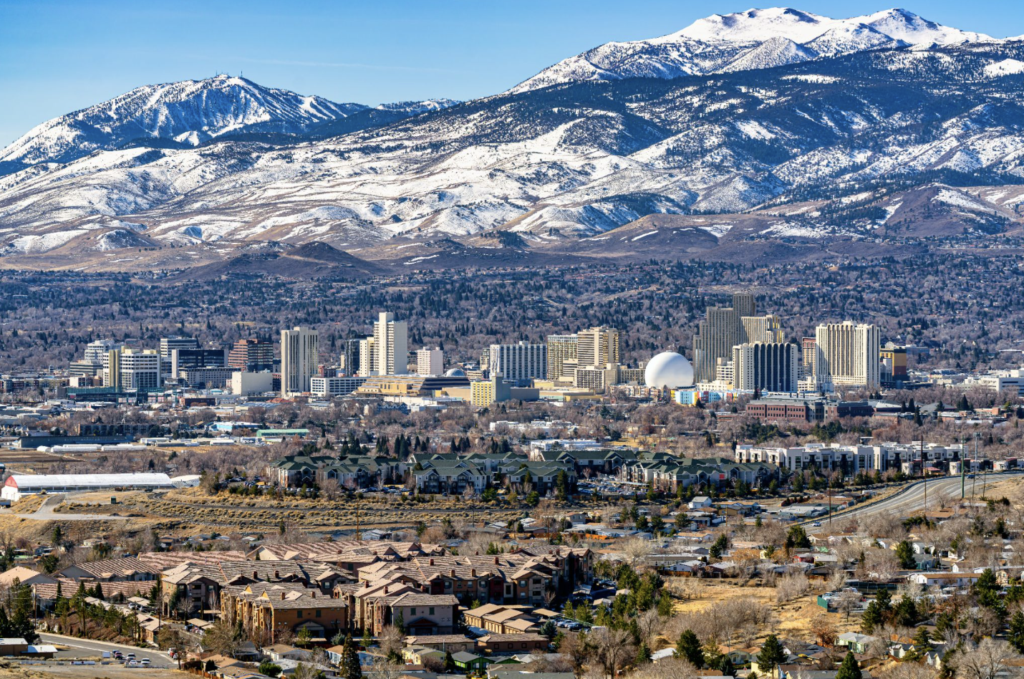
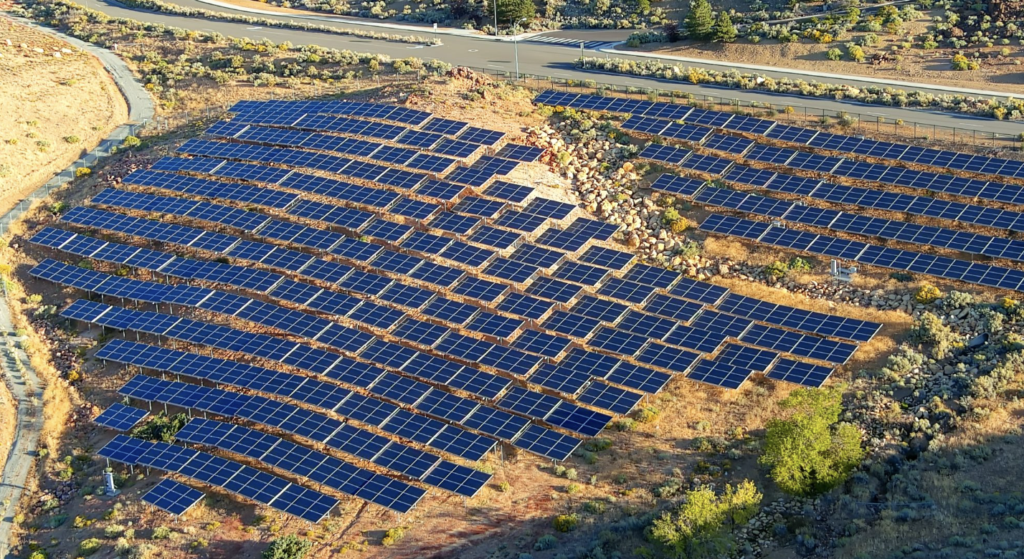
The municipal landscape of Reno, Nevada, has marked a significant milestone in the regional transition toward renewable energy with the recent approval and community mobilization surrounding the Trego Battery Energy Storage System (BESS). This 200-megawatt (MW) infrastructure project is designed to capture and store surplus clean energy, primarily from solar sources, to stabilize the electrical grid during periods of peak demand. By providing a dispatchable energy reserve, the Trego facility is projected to support the energy requirements of approximately 68,000 households, effectively offering a localized solution to the broader challenges of energy intermittency and grid reliability in the American West.
The project’s advancement serves as a case study in the efficacy of grassroots advocacy and the integration of scientific expertise into local policy-making. Led by members of the Protect Our Winters (POW) Science Alliance, including Dr. Anne Nolin, a prominent snow hydrologist and professor at the University of Nevada, Reno, the initiative overcame common hurdles associated with large-scale energy infrastructure, such as local skepticism and the "Not In My Backyard" (NIMBY) sentiment. The success of the Trego BESS highlights a shifting paradigm in how communities engage with climate-forward technology, moving from passive observation to active participation in the permitting and approval processes.
Technical Specifications and the Role of LFP Technology
The Trego BESS is not merely a collection of batteries but a sophisticated energy management hub. At its core, the facility utilizes Lithium Iron Phosphate (LFP) technology, a departure from the more common nickel-manganese-cobalt (NMC) chemistries found in many consumer electronics. LFP batteries are increasingly favored for stationary energy storage due to their superior safety profile. Specifically, LFP chemistry is significantly more resistant to thermal runaway—a condition where a battery cell enters an uncontrollable, self-heating state—making it a safer alternative for installations located near residential or ecologically sensitive areas.
Furthermore, LFP batteries offer a longer cycle life and greater chemical stability, which are critical for utility-scale applications that require daily charging and discharging cycles over several decades. The Trego project’s 200-MW capacity allows it to perform "energy arbitrage," a process where electricity is stored during the day when solar production is at its peak and electricity prices are low, and then discharged into the grid during the evening hours when demand spikes and solar production ceases. This capability is essential for Nevada, a state with abundant solar resources but a growing need for evening "peaking" power that has historically been provided by natural gas plants.
Economic Implications and Regional Impact
The economic forecast for the Trego BESS suggests a substantial infusion of capital and activity into the Washoe County economy. Industry benchmarks indicate that projects of this nature generate approximately $14 million in economic activity for every 5 megawatts of capacity. Applied to the 200-MW scale of the Trego project, the cumulative economic impact—including construction jobs, long-term maintenance roles, and tax revenue for local services—is estimated to be in the hundreds of millions of dollars over the project’s lifecycle.
Beyond direct financial investment, the project addresses the critical issue of grid resilience. As Reno continues to experience rapid population growth and increasing temperatures, the strain on the existing electrical infrastructure has intensified. Battery storage systems like Trego act as a buffer, reducing the likelihood of brownouts during summer heatwaves and lowering the overall cost of energy by reducing the need for expensive, high-emission "peaker" plants. For the 68,000 households potentially served by this system, the result is a more reliable and cost-effective utility framework.
The Intersection of Science and Community Advocacy
The approval process for the Trego BESS was characterized by a high degree of community engagement, spearheaded by figures within the scientific community. Dr. Anne Nolin’s involvement provided a bridge between complex technical data and public understanding. As a snow hydrologist, Dr. Nolin’s research focuses on the impact of climate change on mountain snowpacks—a vital water source for the Reno-Tahoe region. Her advocacy for the Trego project was rooted in the understanding that local clean energy infrastructure is a primary defense against the long-term degradation of regional ecosystems.
During public hearings, the discourse shifted from general apprehension to informed support. Dr. Nolin and other advocates addressed concerns regarding the safety and necessity of the project, providing evidence-based rebuttals to common misconceptions about battery storage. The testimony provided by local residents, outdoor industry professionals, and scientists signaled to local decision-makers that there was a broad-based mandate for climate-resilient infrastructure. This organized presence at the local government level proved decisive in navigating the regulatory hurdles that frequently stall similar projects across the United States.
Nevada’s Clean Energy Context and Policy Framework
The Trego BESS project aligns with Nevada’s aggressive renewable energy goals. In 2019, the Nevada State Legislature passed Senate Bill 358, which raised the state’s Renewable Portfolio Standard (RPS) to 50% by 2030, with a long-term goal of 100% carbon-free energy by 2050. To meet these mandates, the state must not only increase its generation capacity but also its storage capacity to manage the variable nature of wind and solar power.
Nevada is uniquely positioned to lead the nation in this transition. The state sits atop some of the largest lithium deposits in North America, leading to the development of a "lithium loop" that encompasses mining, processing, battery manufacturing (notably at the Gigafactory in Sparks), and eventually, utility-scale deployment like the Trego system. The approval of the Trego BESS is a functional application of this supply chain, demonstrating how regional resources can be harnessed to solve regional energy needs.
Chronology of the Approval Process
The path to approval for the Trego project followed a structured regulatory timeline typical of major utility developments in Washoe County. The process began with initial environmental impact assessments and technical filings, followed by a period of public comment. During the middle stages of the permitting process, the project faced potential delays as local stakeholders raised questions regarding fire safety protocols and the visual impact of the facility.
In response, the developers and community advocates engaged in a series of informational workshops. By the time the project reached the final public hearing phase, the narrative had shifted. The mobilization of the POW Science Alliance and local outdoor enthusiasts ensured that the record was populated with expert testimony and community endorsements. This culminated in a favorable vote by local planning officials, who cited the project’s role in regional energy security and its alignment with state climate goals as primary factors in their decision.
Overcoming the Challenges of NIMBYism
One of the most significant barriers to the clean energy transition is "NIMBYism," where residents support renewable energy in principle but oppose specific projects in their immediate vicinity. This opposition often stems from concerns over property values, aesthetic changes, or perceived safety risks. The Trego project successfully navigated these challenges through a strategy of transparency and education.
By addressing the safety of LFP technology early in the conversation, proponents were able to de-escalate fears regarding fire hazards. Furthermore, the framing of the project as a "local win" for energy independence resonated with residents who have grown weary of rising utility costs and grid instability. The success in Reno suggests that when projects are presented as tangible benefits to the local community—rather than abstract climate solutions—they are more likely to gain the necessary public support to move forward.
Broader Implications for the National Energy Transition
The approval of the Trego BESS in Reno is a microcosm of the larger energy transition occurring across the United States. As of 2024, the Department of Energy has identified a critical need for a massive expansion of battery storage to support the decarbonization of the American power grid. The Reno experience provides a blueprint for other municipalities: the combination of advanced, safe technology and robust community advocacy can overcome the inertia that often plagues infrastructure development.
For organizations like Protect Our Winters, the Trego win represents a successful application of their "Clean Energy Toolkit," a resource designed to empower citizens to participate in local government. The project underscores the reality that while national and international climate agreements set the stage, the actual implementation of the clean energy transition occurs at the county and municipal levels.
Conclusion and Future Outlook
As the Trego Battery Energy Storage System moves into its construction and operational phases, it will serve as a critical component of Nevada’s energy portfolio. The project stands as a testament to the power of informed local action and the necessity of integrating scientific expertise into the public square. For the residents of Reno, the facility promises a future of increased grid reliability, lower emissions, and significant economic returns.
The momentum generated by this approval is expected to influence upcoming projects in the Western Interconnection, the wide-area synchronous grid that serves the western United States. As more communities witness the successful integration of large-scale storage systems like Trego, the path toward a fully decarbonized grid becomes increasingly viable. The message from Reno is clear: the transition to clean energy is not just a technological challenge, but a civic one, requiring the consistent participation of scientists, advocates, and everyday citizens to ensure a sustainable and resilient future.

