
A specialized team of scientists representing the Protect Our Winters (POW) Science Alliance and the Woodwell Climate Research Center has completed the installation of a sophisticated flux tower at a critical permafrost thaw slump near the Toolik Field Station on Alaska’s North Slope. This project marks a significant milestone in Arctic research, as it is the first installation in the region specifically designed to evaluate methane and carbon dioxide emissions from a rapidly collapsing permafrost feature. Led by ecologist Dr. Jenny Watts and snow scientist Dr. Kelly Gleason, the expedition aims to fill a critical gap in global climate models by providing high-resolution, ground-level data on how degraded Arctic landscapes contribute to the global carbon cycle.
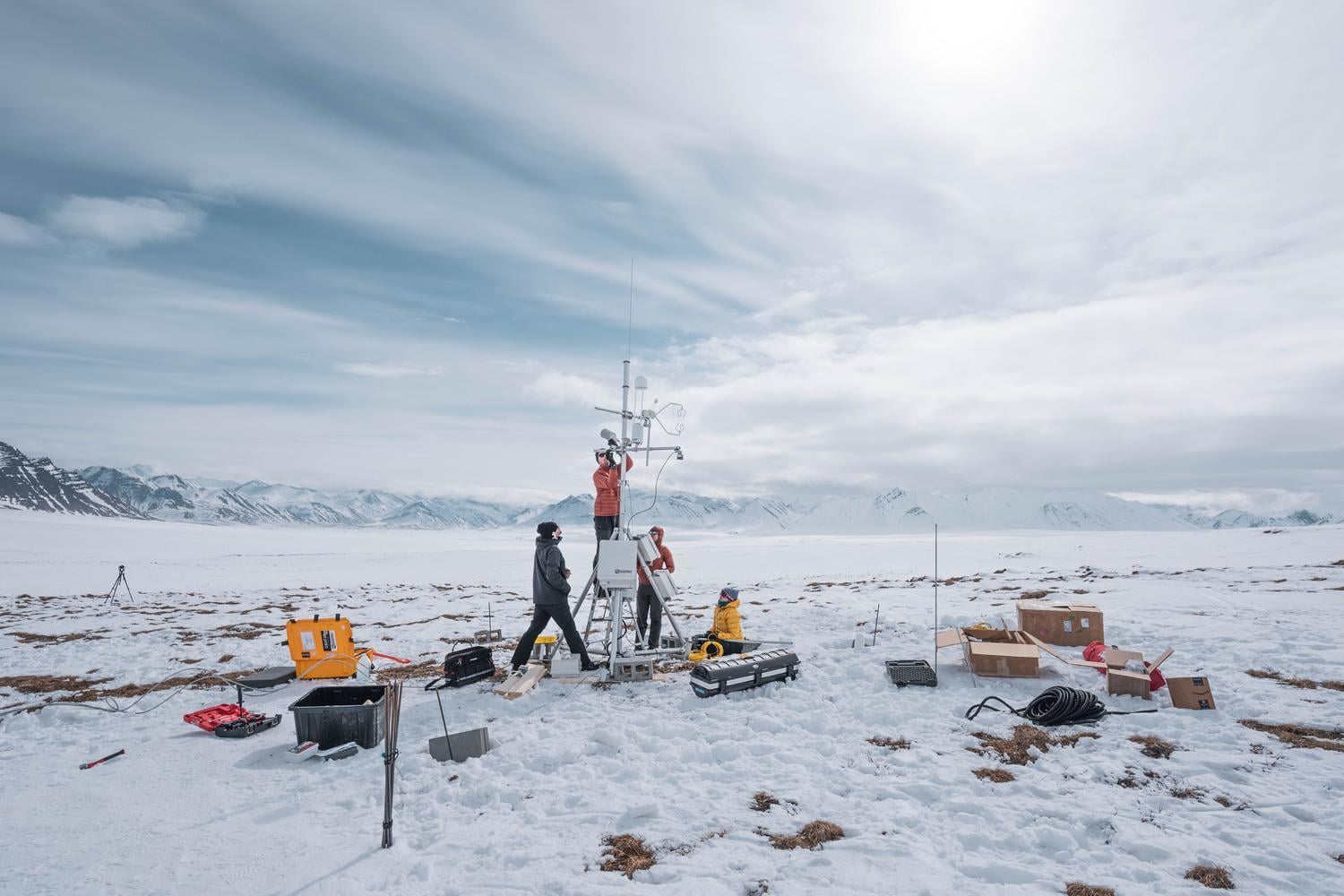
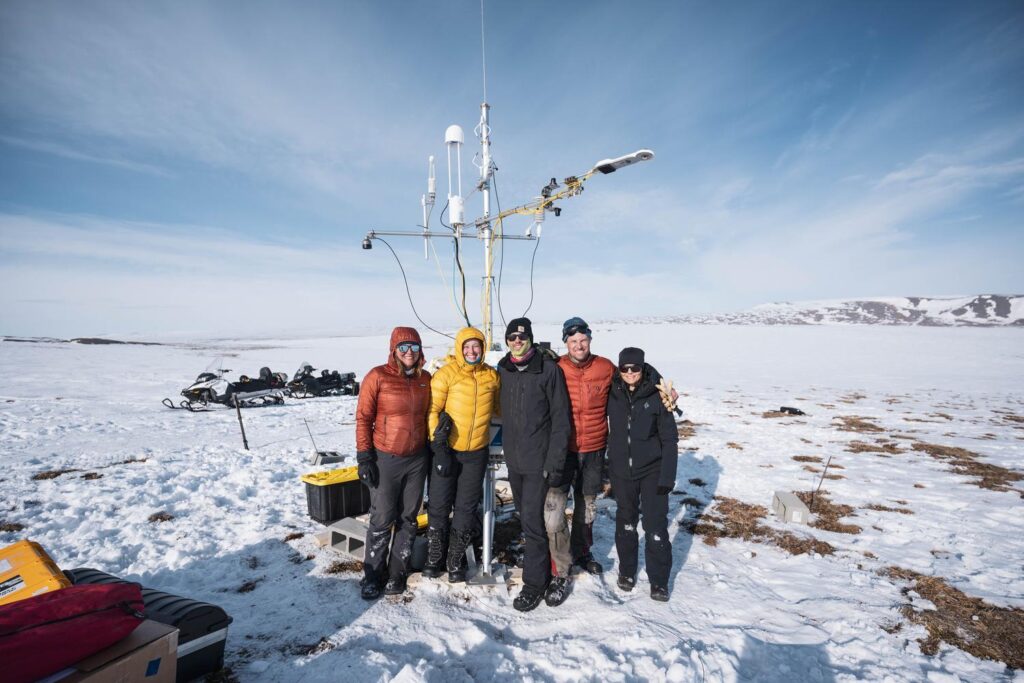
The mission, conducted under the frigid conditions of the early spring thaw, involved a multi-disciplinary team including researchers Kyle, Christina, and Kai. Operating out of the Toolik Field Station—a premier long-term ecological research site managed by the University of Alaska Fairbanks—the team navigated the vast tundra of the Brooks Range to reach a site characterized by significant geological instability. The primary objective was to deploy instrumentation capable of measuring "invisible" threats: the potent greenhouse gases escaping from soil that has remained frozen for millennia but is now succumbing to rising global temperatures.
Technical Scope of the Flux Tower Installation
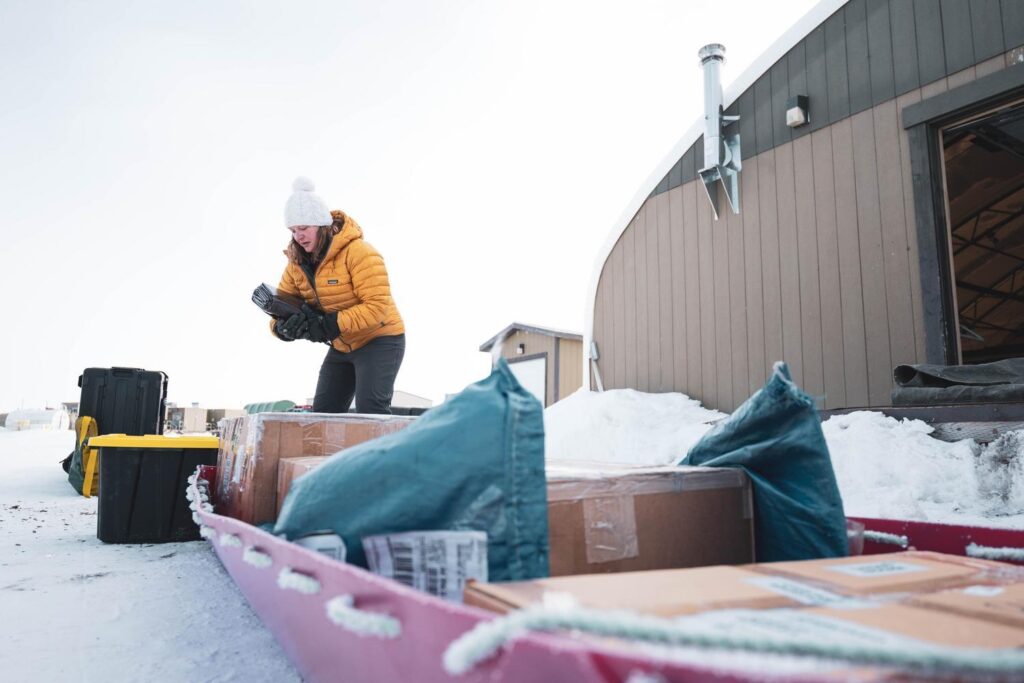
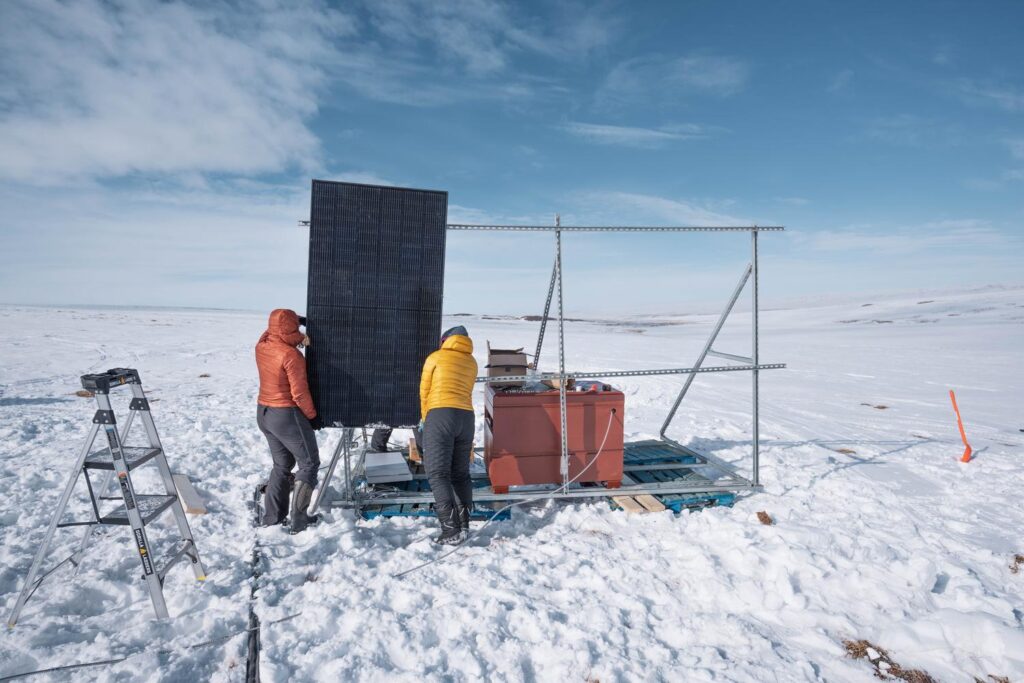
The installation of the flux tower required a logistical feat of engineering and physical labor. The team transported a 15-foot-tall aluminum frame, equipped with specialized sensors, across the sparkling expanse of the Arctic snow via snowmachines and heavy-duty sleds. The equipment suite is designed for long-term autonomous operation in one of the most hostile environments on Earth.
Key components of the system include:
- A 15-foot Aluminum Frame: Serving as the structural backbone for the sensors, designed to withstand high-velocity Arctic winds.
- Carbon and Methane Sensors: High-precision instruments located on side arms to capture atmospheric concentrations of CO2 and methane as they rise from the soil.
- Power Supply: Eight deep-cell batteries, each weighing over 100 pounds, supported by four large solar panels to ensure continuous data collection during the Arctic’s transition from winter to the midnight sun.
- Stability Hardware: Cement anchors, guy-lines, and steel spikes were utilized to secure the structure into the unstable, thawing ground of the slump.
The tower’s primary function is to monitor "carbon flux"—the exchange of carbon between the land and the atmosphere. While the surrounding intact tundra acts as a modest carbon sink or source depending on the season, thaw slumps are believed to be "hotspots" for emissions. By measuring these gases in situ, the team hopes to quantify the exact volume of methane and carbon dioxide being released as ancient organic material decomposes upon exposure to the air.
Understanding Permafrost Thaw Slumps and Arctic Feedback Loops
The focus on a "thaw slump" is a strategic choice for the research team. These features are dramatic visual indicators of permafrost collapse, occurring when the ice-rich soil beneath the surface melts, causing the ground to lose its structural integrity and slump downhill. This process exposes deep layers of ancient organic matter that have been locked in a frozen state for thousands of years. Once exposed to oxygen and warmer temperatures, microbes begin to break down this matter, releasing carbon dioxide and methane in the process.
Methane is of particular concern to the scientific community. While it persists in the atmosphere for a shorter duration than carbon dioxide, it is roughly 80 times more potent at trapping heat over a 20-year period. Current global climate models often struggle to account for these localized, high-intensity emission sites, leading to what many scientists believe is a significant underestimation of the Arctic’s contribution to future global warming.
The North Slope of Alaska is currently warming at a rate nearly four times faster than the global average, a phenomenon known as Arctic Amplification. As the region warms, the frequency and scale of these thaw slumps are increasing, potentially creating a self-reinforcing feedback loop: warmer temperatures cause more permafrost thaw, which releases more greenhouse gases, which in turn drives further warming.
The Insulation Paradox: The Role of Snow in Permafrost Degradation
A critical component of the expedition involved the study of snow hydrology and its counterintuitive role in permafrost preservation. Dr. Kelly Gleason, an assistant professor at Portland State University and a member of the POW Science Alliance, conducted detailed analysis of the snowpack’s thermal properties during the mission.
While snow is traditionally valued for its "albedo"—its ability to reflect sunlight away from the Earth and cool the surface—it also serves as a powerful insulator. In the Arctic, this insulation can have detrimental effects on the permafrost. During the winter, a thick layer of snow prevents the extreme cold of the Arctic air from reaching the ground, effectively keeping the soil warmer than it would be if it were exposed.
Dr. Gleason’s field observations revealed a stark contrast in temperature profiles between shallow and deep snowpacks:
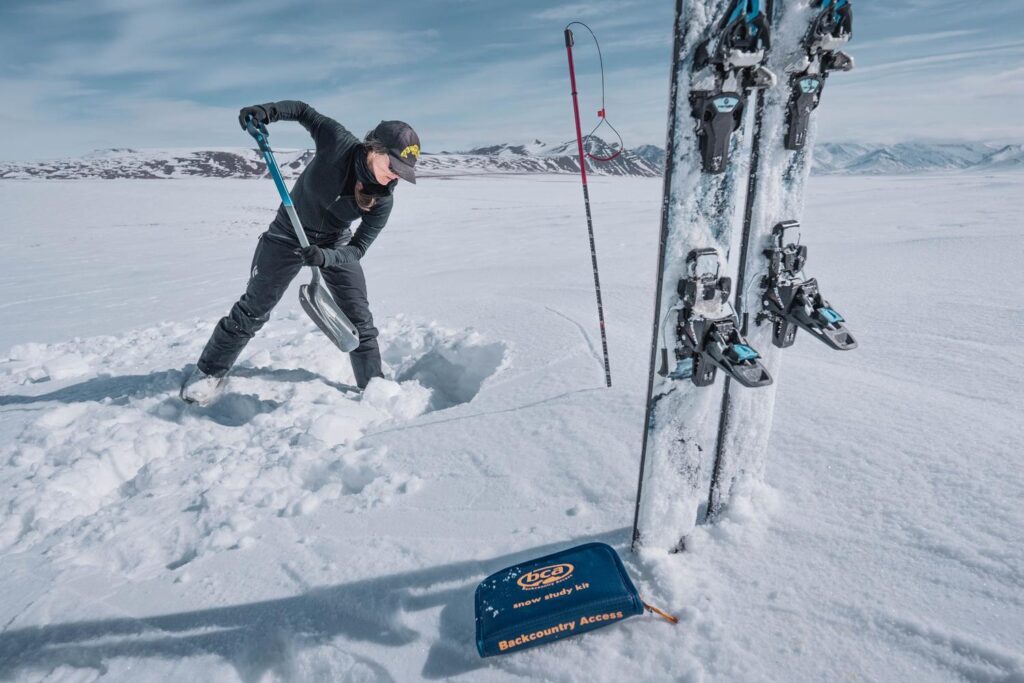
- Deep Snow Analysis: In a drift measuring nearly two meters deep, the team found that while the surface was -3°C, the temperature warmed with depth. At the base of the snowpack, just above the soil, temperatures were recorded near -3°C. This is significantly warmer than the ambient air and close to the threshold where microbial activity can occur, even in winter.
- Shallow Snow Analysis: In contrast, a shallow snowpack of approximately 57 centimeters allowed the ground to cool more effectively, reaching -10°C at the base. This colder temperature helps maintain the integrity of the permafrost.
This "insulation effect" suggests that as Arctic winters become wetter and snowfall increases in certain regions—driven by more open water in the Arctic Ocean—the resulting deeper snowpacks may actually be accelerating the thawing of the permafrost they cover. This finding adds a layer of complexity to climate projections, as the cooling benefit of snow’s reflectivity may be offset by its warming effect on the soil.
Chronology of the Expedition
The mission to Toolik Field Station took place in early May, a pivotal "shoulder season" in the Arctic when the transition from winter to spring begins.
- Day 1-2: Arrival and Staging: The team arrived at Toolik Field Station, located off the Dalton Highway. Initial days were spent calibrating sensors and organizing the massive "haul load" required for the tower installation.
- Day 3-5: Site Transit and Setup: Utilizing snowmachines, the team moved equipment to the designated thaw slump. This phase involved the physical assembly of the aluminum frame and the placement of the 100-pound battery banks.
- Day 6-8: Instrumentation and Data Integration: Dr. Watts and the technical team focused on the electrical enclosure and the mounting of the methane and CO2 sensors. Simultaneously, Dr. Gleason began digging snow pits to analyze temperature gradients and crystal structures, such as "depth hoar"—large, faceted crystals that form at the base of the snowpack.
- Day 9: Final Calibration: The system was brought online, and initial readings were verified against handheld sensors to ensure the accuracy of the flux measurements.
Broader Implications for Global Climate Policy
The data generated by this new flux tower will be shared with the broader scientific community to refine Earth System Models (ESMs). Currently, the "permafrost carbon feedback" is one of the greatest uncertainties in climate science. By providing real-time data from a collapsing landform, the Woodwell Climate Research Center and the POW Science Alliance aim to provide policymakers with a clearer picture of the "carbon budget" remaining to meet international climate goals, such as those outlined in the Paris Agreement.
The involvement of Protect Our Winters signifies a growing trend of "scientist-advocacy." The POW Science Alliance is a collective of world-class scientists who volunteer their time to translate complex data into actionable insights for the public and legislators. Dr. Gleason emphasized that while the science provides the evidence of change, organizations like POW are essential for turning that evidence into a mandate for systemic policy shifts.
Conclusion and Future Research
The installation on the North Slope is expected to operate year-round, providing a continuous stream of data through the harsh Arctic winter. Future research will likely expand to include more thaw slumps across different latitudes to determine if the emission patterns observed at Toolik are representative of the broader Arctic region.
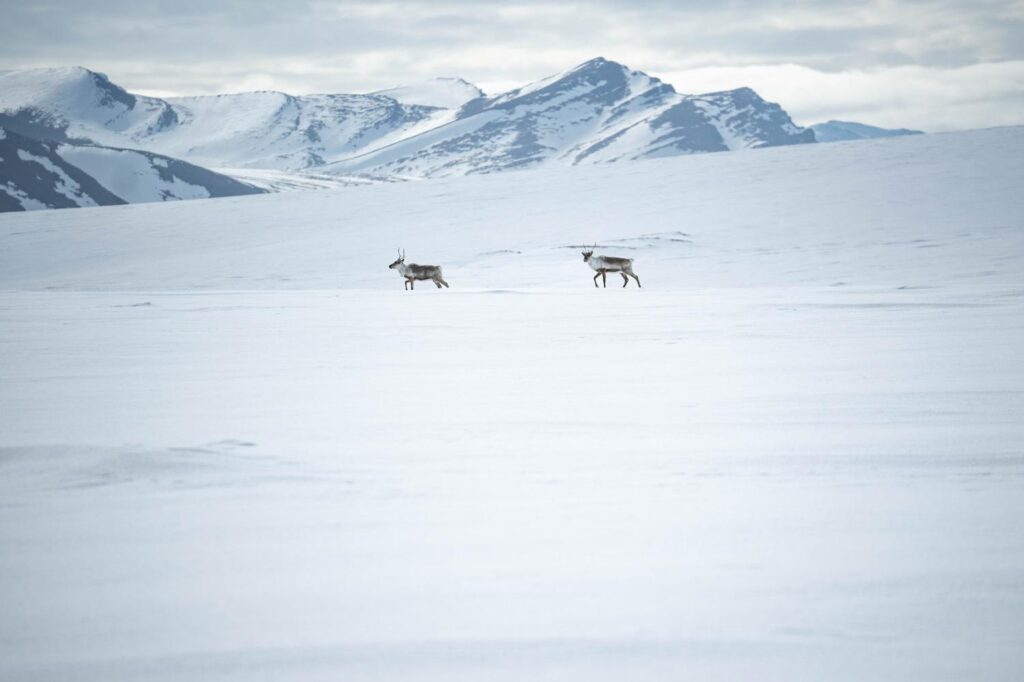
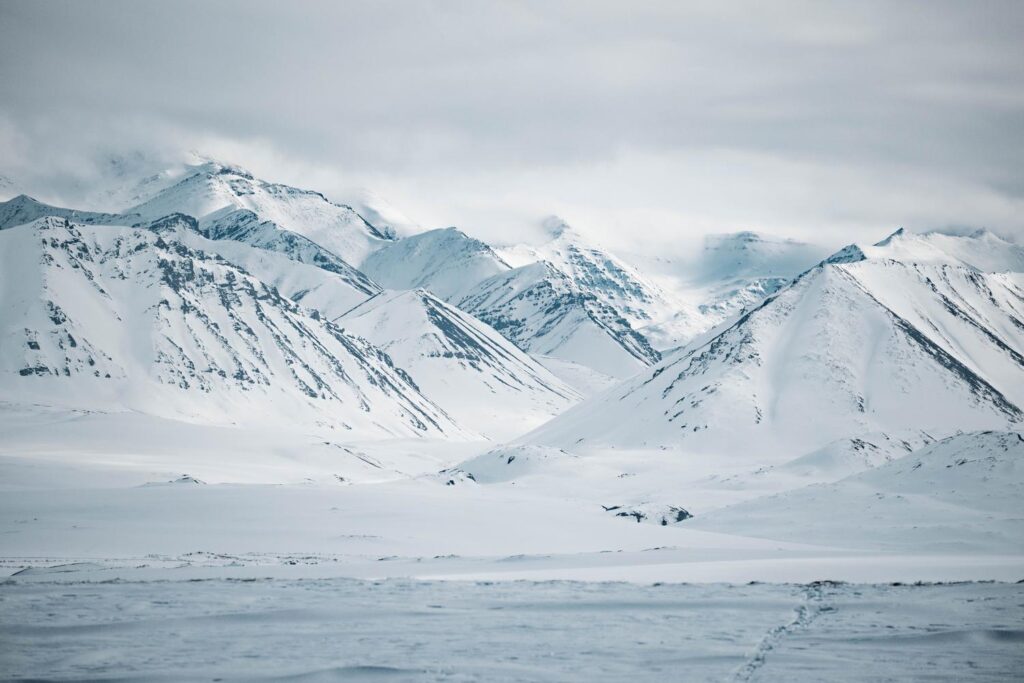
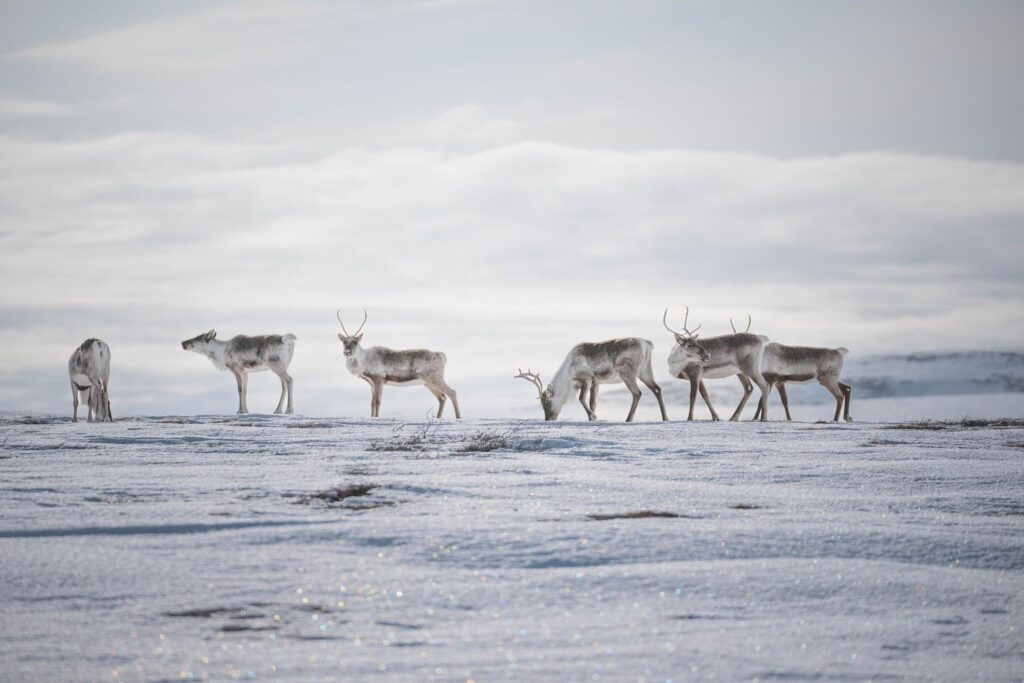
As the Arctic continues to undergo a fundamental transformation, the work of Dr. Watts, Dr. Gleason, and their colleagues serves as both a warning and a guide. The "magic" of the Arctic—its vast caribou herds, its jagged Brooks Range peaks, and its glittering hoarfrost—is increasingly fragile. The transition of the Arctic from a reliable carbon vault to a potential atmospheric chimney represents one of the most significant challenges of the 21st century. Through rigorous ground-level research and dedicated advocacy, the scientific community continues to seek a path forward that balances understanding with urgent action.

