
The transition from the vibrant colors of autumn to the first snowfall marks a critical period for winter sports enthusiasts, yet the foundation for a successful and injury-free ski season is established months earlier during the off-season. As the global skiing community increasingly recognizes the physical demands of alpine and Nordic disciplines, sports physiotherapists and professional trainers are emphasizing the necessity of year-round functional conditioning. While the typical ski season may only span five to six months in many regions, the physiological requirements of navigating varied terrain—from groomed corduroy to deep powder and technical moguls—demand a level of muscular endurance and core stability that cannot be achieved through seasonal activity alone. Experts suggest that a proactive approach to strength training, focused on the hips, trunk, and lower extremities, is the primary defense against the common orthopedic injuries that plague the sport.

The Biomechanics of Alpine Skiing and the Necessity of Functional Readiness
Skiing is a unique athletic endeavor that requires a complex interplay of isometric, concentric, and eccentric muscle contractions. Unlike traditional linear sports, skiing is inherently multi-planar, requiring the body to manage significant lateral forces and rotational torques. According to data from the National Ski Areas Association (NSAA) and various orthopedic studies, the knee remains the most vulnerable joint for skiers, accounting for approximately 25% to 45% of all reported injuries. Many of these incidents, particularly Anterior Cruciate Ligament (ACL) tears, occur when the core and hip stabilizers fail to maintain proper alignment under the stress of high-velocity turns or unexpected terrain changes.
To mitigate these risks, athletes must focus on "ski shape" conditioning during the spring and summer months. This preparation involves more than just cardiovascular endurance; it requires a targeted assessment of the kinetic chain. The hips and core serve as the anchor for all movement on the slopes, providing the stability necessary to keep the upper body quiet while the lower body manages the forces generated by the skis. Without a robust foundation, the body compensates by placing undue stress on the lower back and knee joints, leading to chronic pain or acute trauma.
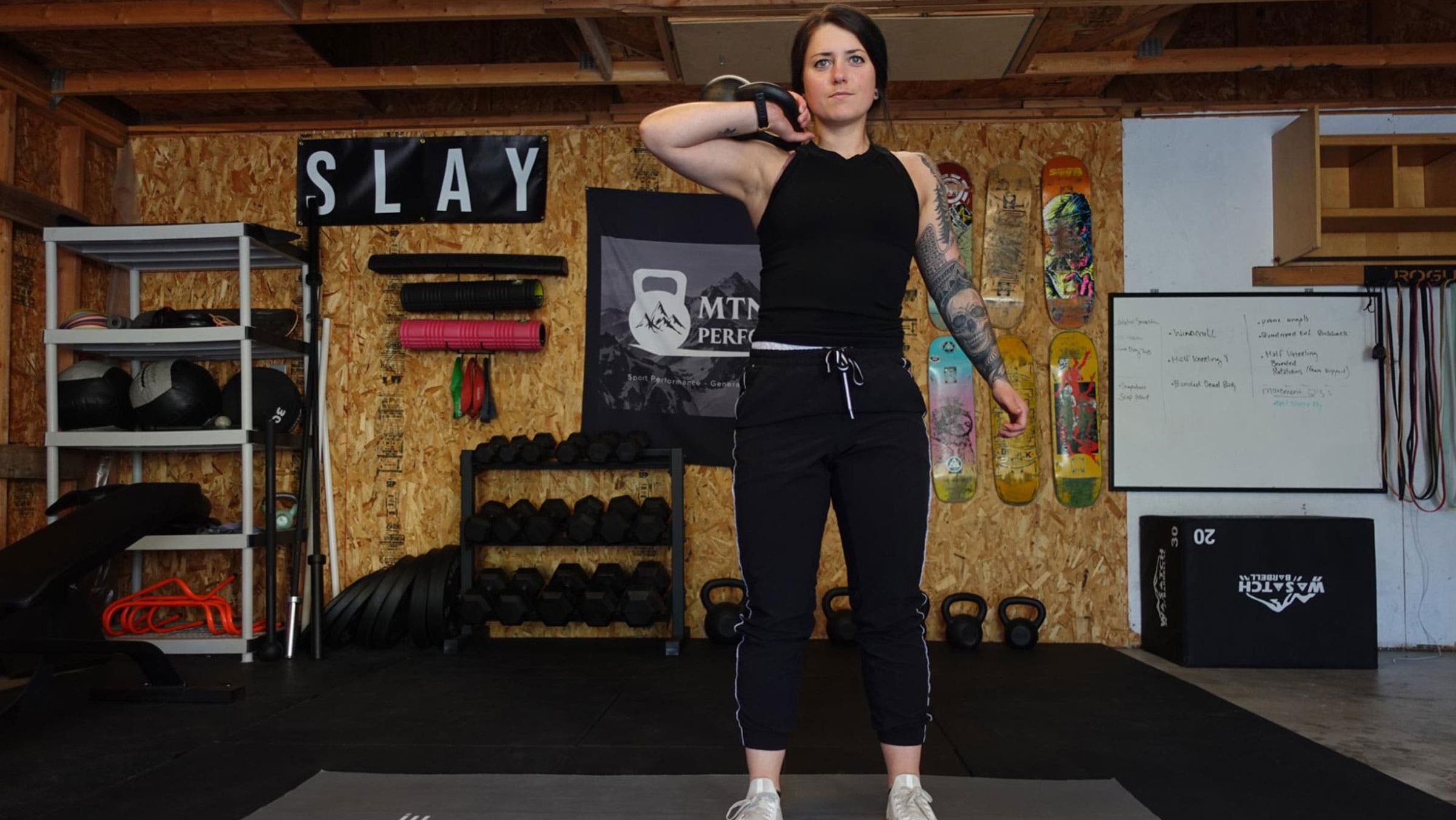
The Side Plank Diagnostic: Assessing Kinetic Chain Integrity
Before embarking on a rigorous training regimen, it is essential to establish a baseline of current physical capabilities. One of the most effective diagnostic tools for skiers is the Side Plank Test. This exercise serves as a comprehensive evaluation of the obliques, gluteus medius, and deep core stabilizers. These muscle groups are responsible for maintaining lateral stability, which is crucial for edge control and preventing the "hip wash" effect during sharp turns.
To perform the side plank test with precision, an individual must lie on their side with the elbow positioned directly beneath the shoulder to ensure joint stacking. The legs should be extended and stacked, with the hips lifted to create a linear silhouette from the cranium to the feet. The diagnostic component involves flexing the superior foot and lifting it to hip height, holding for a brief moment before a controlled descent.
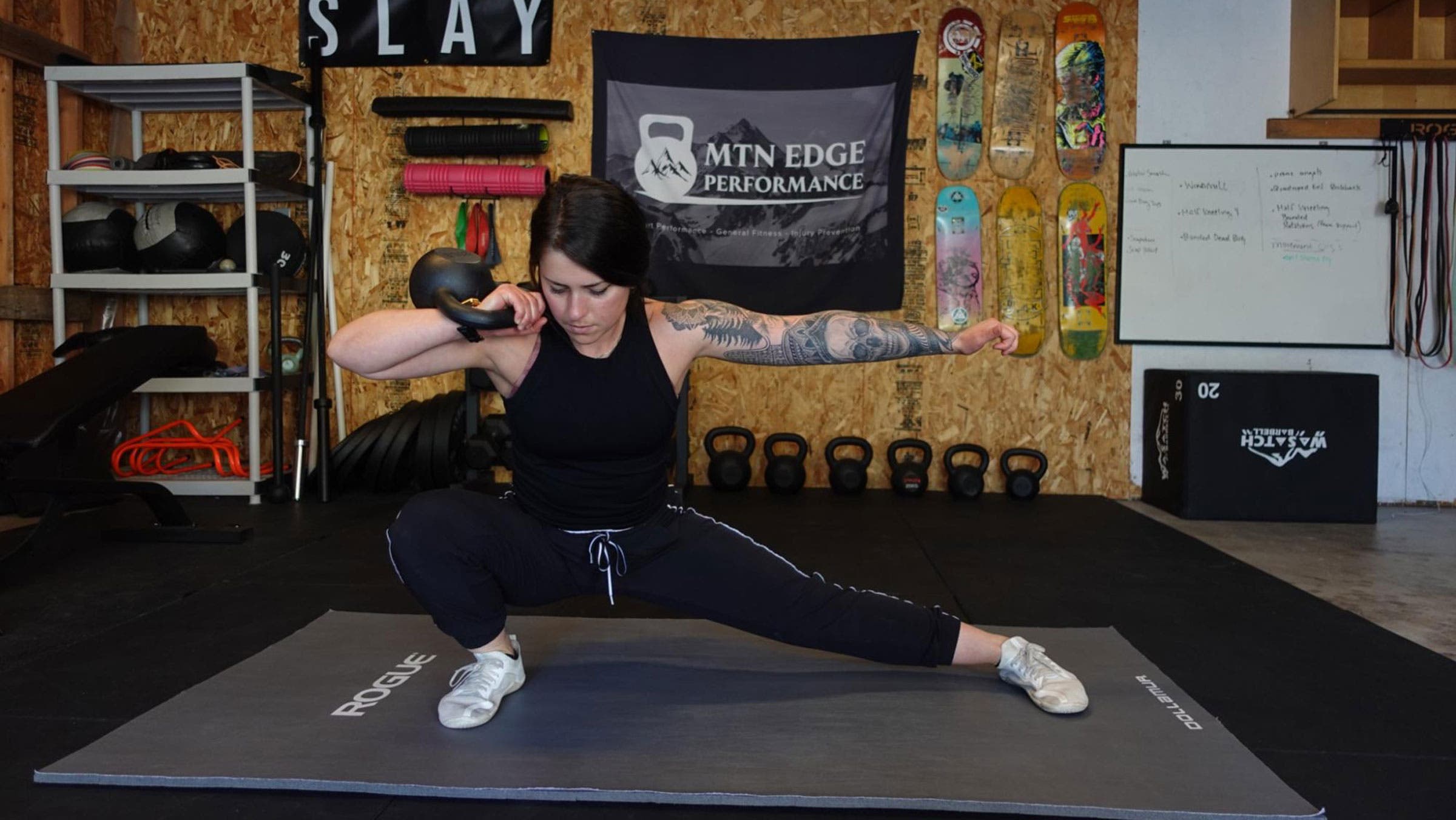
Professional trainers monitor three specific "failure points" during this test: the collapse of the supporting shoulder, the sagging of the hips toward the floor, or the loss of vertical stacking in the torso. While an average recreational skier may struggle to complete five repetitions per side with perfect form, the gold standard for high-performance readiness is 10 to 15 controlled repetitions. Discrepancies between the left and right sides are particularly telling, as they indicate bilateral imbalances that could lead to injury when one side of the body is forced to compensate for the weakness of the other.
A Strategic Five-Exercise Protocol for Off-Season Conditioning
Following the diagnostic phase, athletes should integrate a specific progression of movements designed to mimic the demands of the mountain. The following five exercises have been identified by strength and conditioning specialists as foundational components of an effective off-season program.
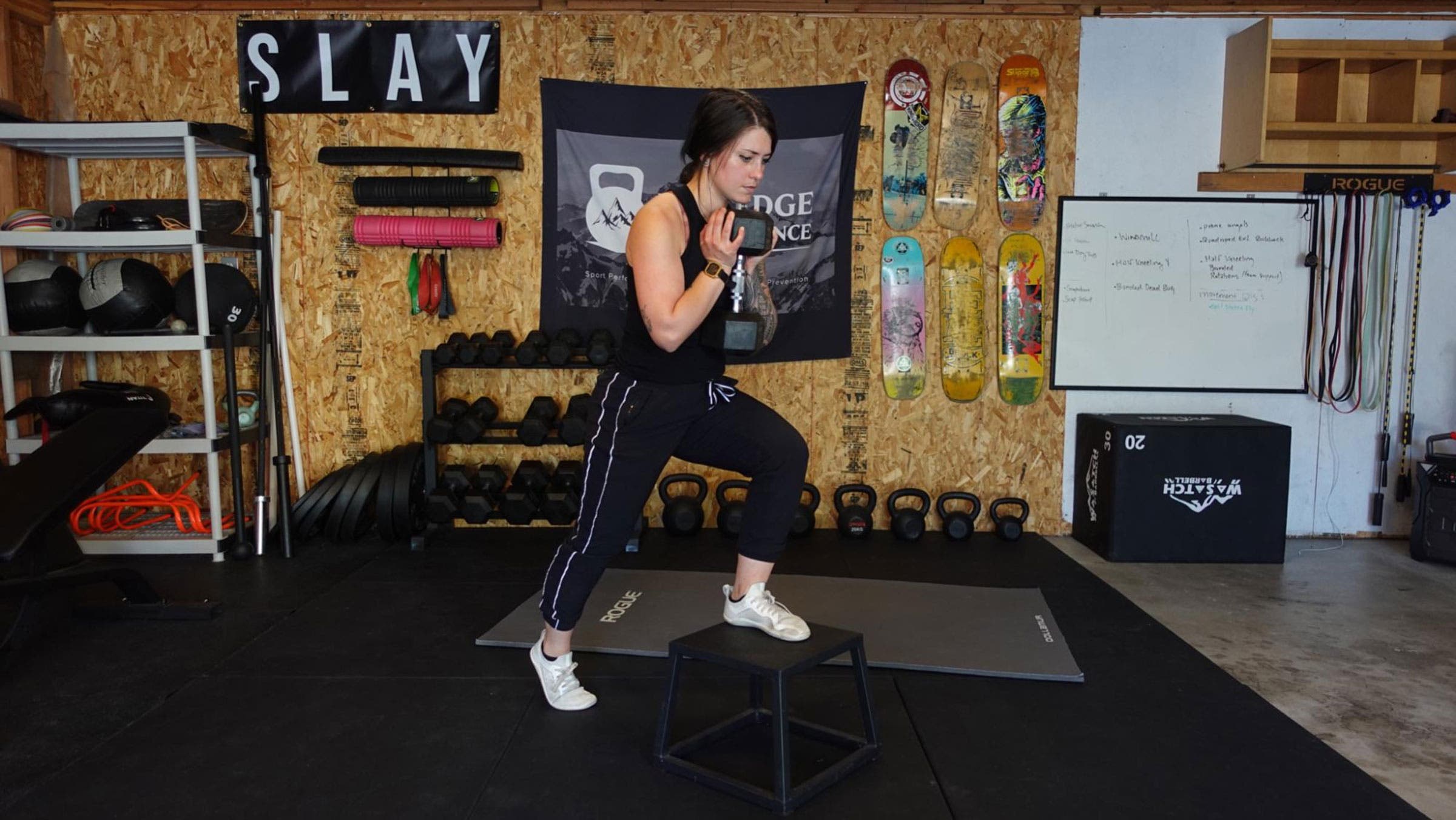
1. Lateral Lunges: Building Frontal Plane Stability
The lateral lunge is perhaps the most sport-specific movement for a skier. While traditional forward lunges emphasize the sagittal plane (forward and backward movement), the lateral lunge targets the frontal plane, strengthening the adductors and abductors of the hip. This is vital for maintaining a strong stance and managing the lateral pressure of a carved turn.
To execute the movement, one stands with feet hip-width apart and takes a significant step to the side, shifting the weight into the heel of the lead foot while keeping the trailing leg straight. The hips should sit back as if lowering into a chair, ensuring the knee stays aligned with the foot. For advanced practitioners, adding resistance via a kettlebell in the front-rack position or a dumbbell held at the chest increases the demand on the core to maintain an upright posture.
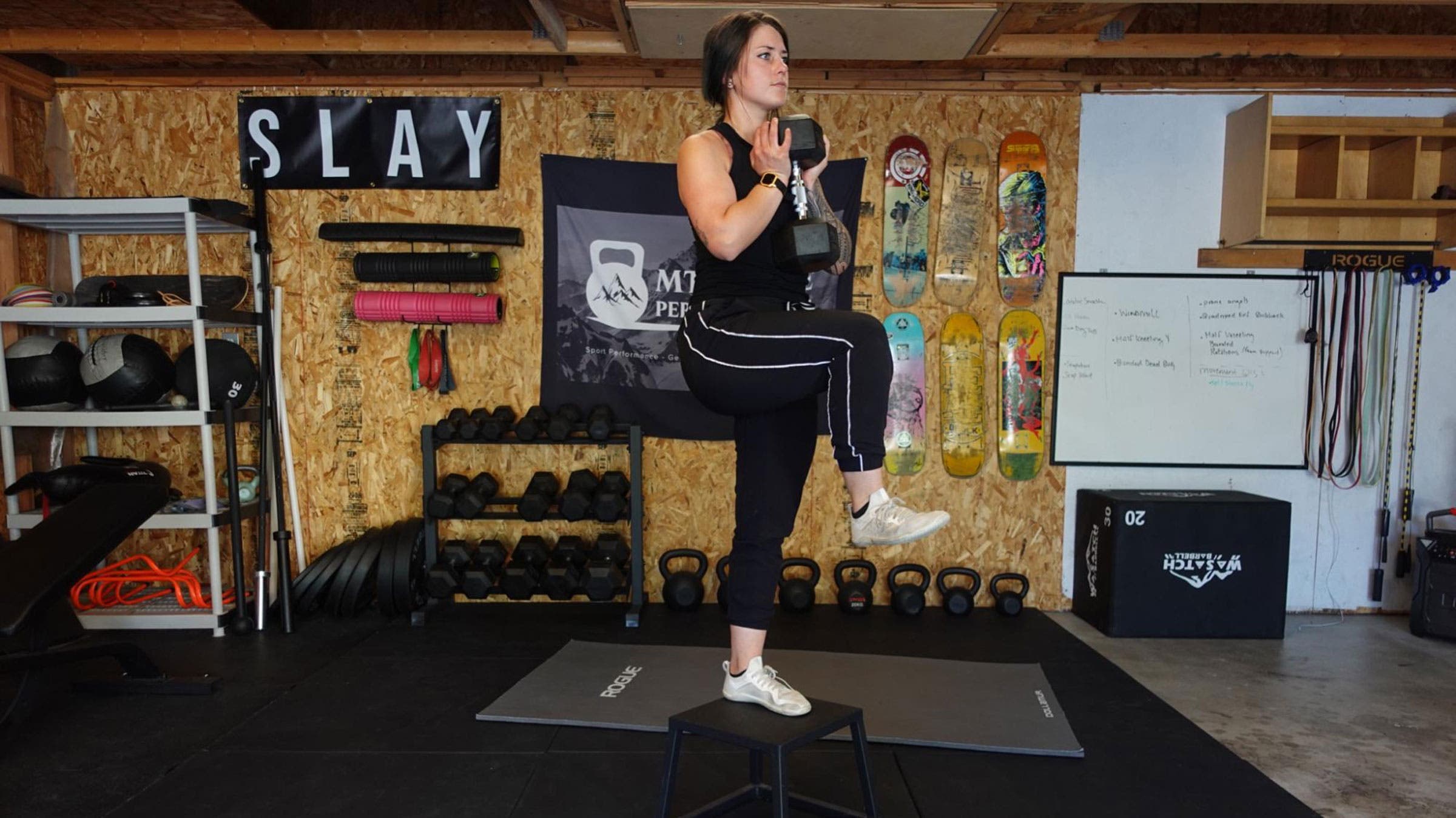
2. Step-Ups: Developing Unilateral Power and Eccentric Control
Step-ups are a fundamental tool for addressing strength imbalances and building the explosive power needed for mogul skiing and jumping. By isolating one leg at a time, step-ups force the glutes, hamstrings, and quadriceps to work independently, mirroring the staggered pressure applied to skis during a turn.
The exercise requires a stable platform at approximately knee height. The athlete places one foot entirely on the step and drives through the heel to ascend, ensuring the trailing foot does not "push off" the ground. The descent is equally important; a slow, controlled return to the starting position builds eccentric strength, which is the primary type of muscle action used when absorbing impact and controlling speed on a descent.
3. Gorilla Rows: Protecting the Posterior Chain
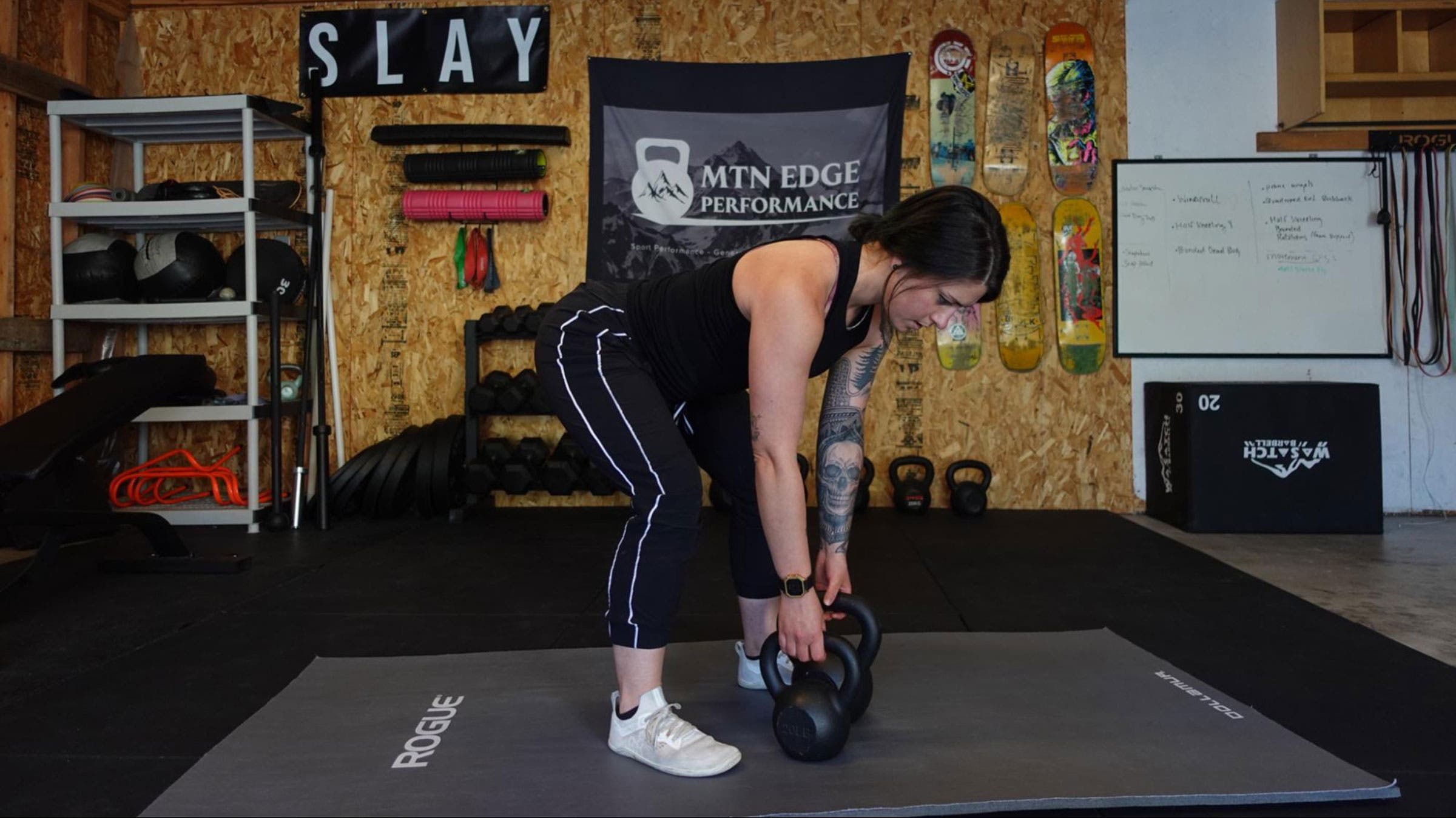
Upper body and back strength are often overlooked in ski training, yet the "ski tuck" and the ability to absorb shocks from uneven terrain require a resilient posterior chain. The Gorilla Row is a specialized variation of the bent-over row that targets the lower back, latissimus dorsi, and the erector spinae—the deep muscles of the back that protect the spine.
To perform Gorilla Rows, the athlete adopts a wide stance with two kettlebells positioned between the feet. Hinging at the hips with a flat back, the athlete rows one weight toward the hip while the other remains grounded, providing a stable base. This alternating movement introduces a rotational challenge to the core, training the body to remain stable while the limbs are in motion.
4. Suitcase March: Enhancing Anti-Lateral Flexion
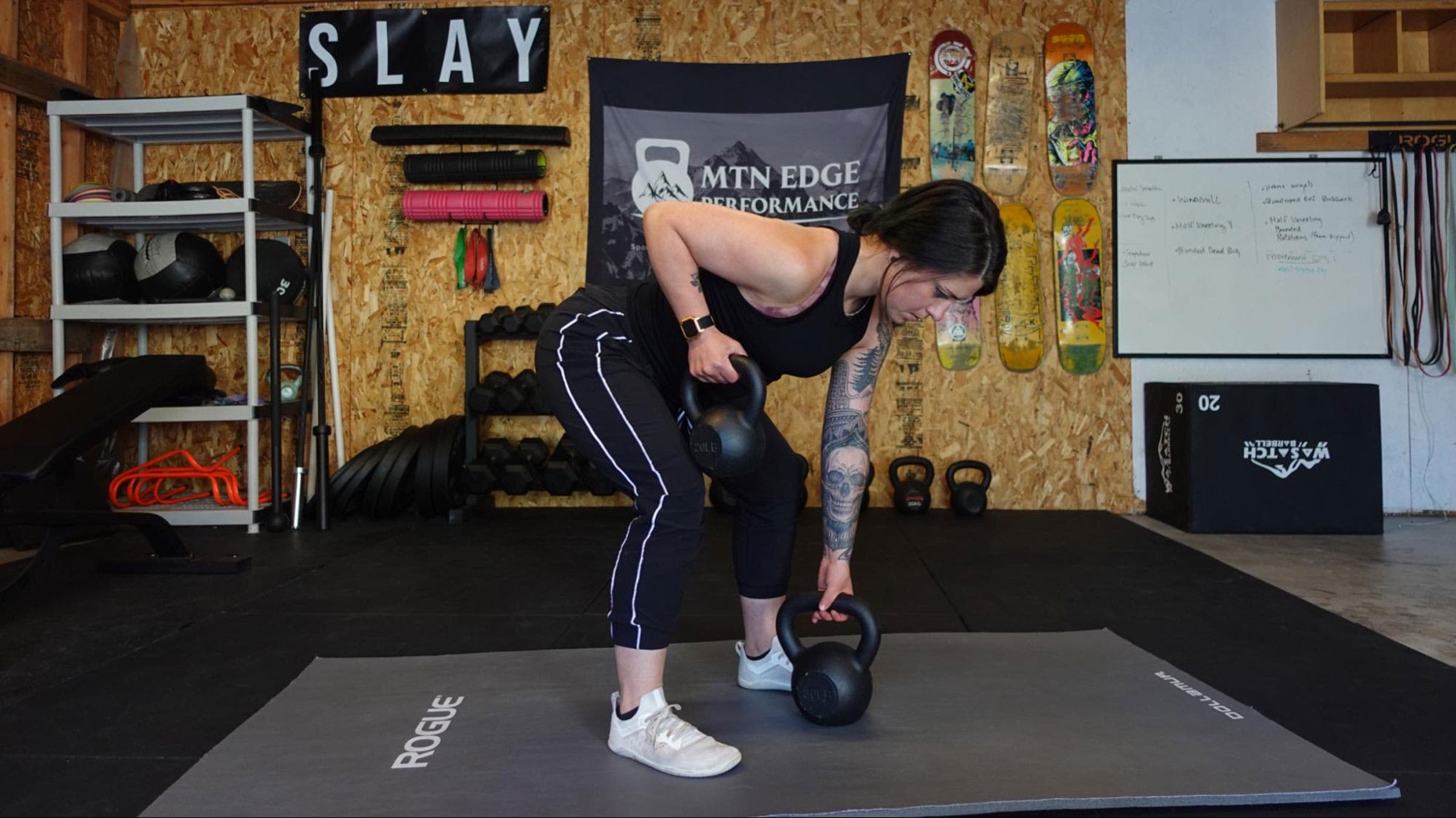
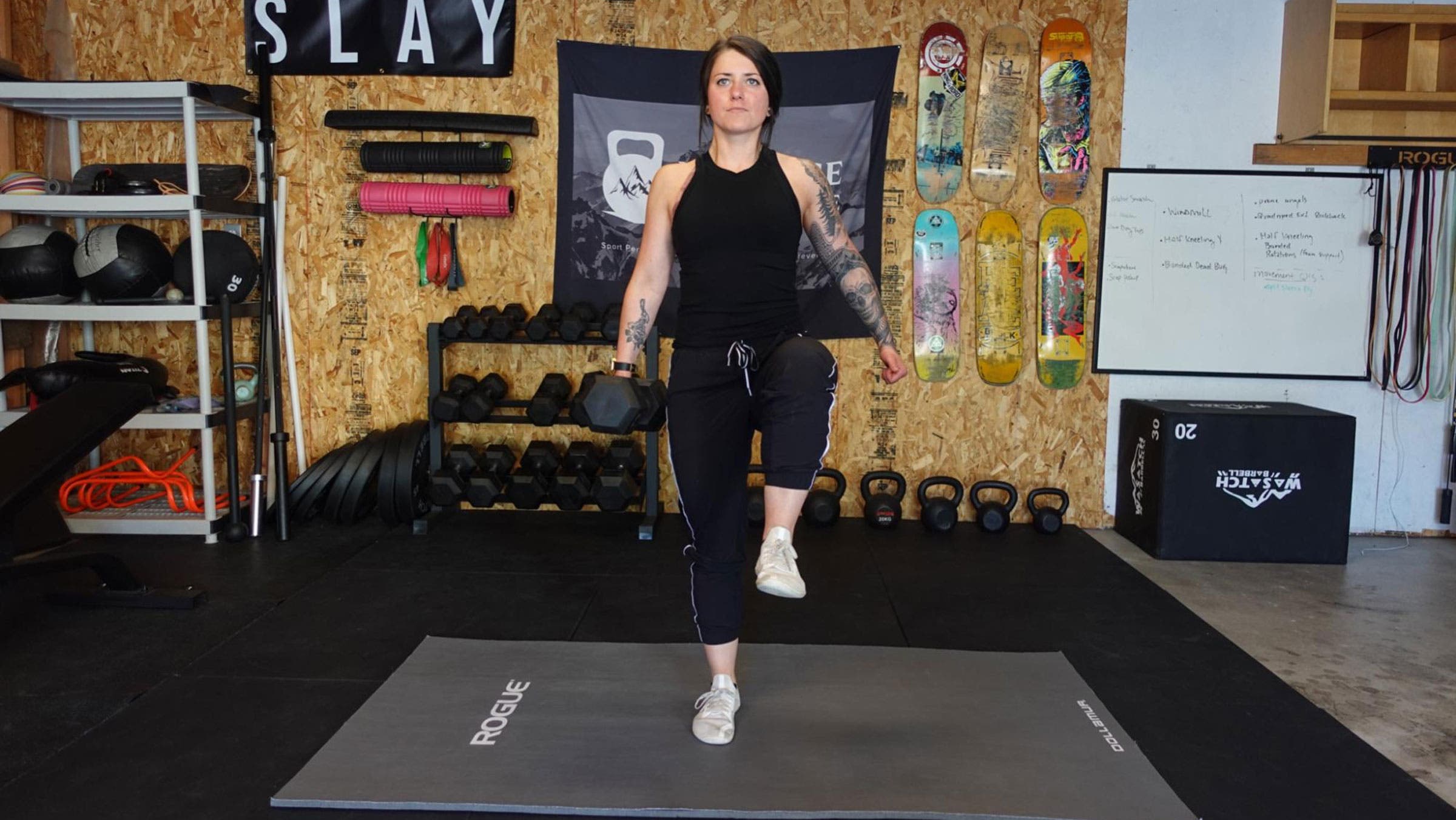
The Suitcase March is a functional carry exercise that focuses on "anti-lateral flexion"—the ability of the core to resist being pulled to one side. For skiers, this translates to the ability to remain upright and centered even when external forces, such as heavy slush or a sudden bump, attempt to throw them off balance.
Holding a heavy dumbbell in one hand like a suitcase, the athlete stands tall and begins to march in place, lifting the knees to hip height. The objective is to keep the shoulders perfectly level and the torso completely vertical, despite the uneven weight distribution. This exercise strengthens the quadratus lumborum and the obliques, which are essential for preventing the lower back pain often associated with long days on the slopes.
5. Plank Pull-Through: Advanced Transverse Abdominal Stability
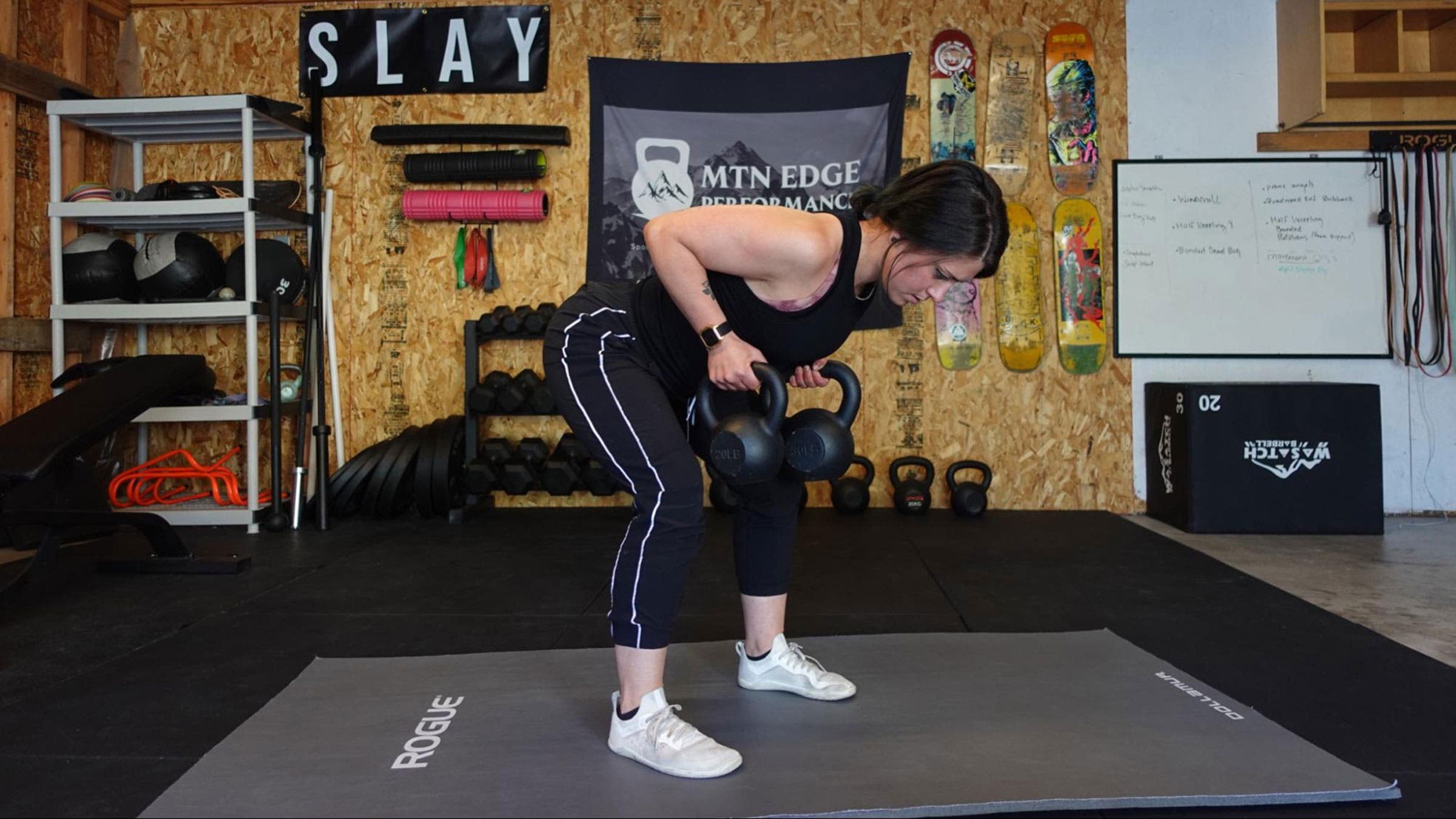
The final component of the protocol is the Plank Pull-Through, a variation of the traditional plank that adds a dynamic horizontal load. As a skier moves through powder, the core must constantly respond to shifting densities and resistance. The pull-through mimics this requirement by forcing the abdominal wall to stabilize the torso while a weight is moved underneath the body.
Starting in a high plank position with a dumbbell placed behind one hand, the athlete reaches across with the opposite hand to pull the weight to the other side. The goal is to minimize any shifting or rotation of the hips. This exercise builds the "anti-rotational" strength necessary to keep the skis pointed down the fall line while the upper body remains stable.
Chronology of Training: From the Gym to the Slopes
The implementation of these exercises should follow a logical progression throughout the off-season. Sports scientists generally recommend a phased approach:
- The Foundation Phase (May – July): Focus on mastering the form of these five exercises with body weight or light resistance. The goal is to correct imbalances identified in the Side Plank Test.
- The Strength Phase (August – September): Gradually increase the weight and resistance. During this period, the volume should shift toward lower repetitions with higher intensity to build the muscular density required for high-impact sports.
- The Power and Endurance Phase (October – November): Incorporate higher-speed movements and increased repetitions to prepare the cardiovascular system and the fast-twitch muscle fibers for the opening day of the season.
Analysis of Broader Implications and Long-Term Longevity
The shift toward specialized off-season conditioning represents a broader trend in the sports world: the move from "playing into shape" to "training to play." For the skiing industry, this transition has significant implications for both safety and participation rates. By reducing the frequency of season-ending injuries through proactive training, the industry sees higher retention of recreational skiers and a decrease in the burden on mountain emergency services.
Furthermore, the benefits of these specific exercises extend beyond the ski season. The hip and core stability gained from lateral lunges and suitcase marches contributes to overall orthopedic health, reducing the likelihood of age-related mobility issues and chronic back pain. For the dedicated skier, the investment in off-season conditioning is not merely about performance on the mountain; it is about ensuring the longevity of their athletic career, allowing them to enjoy the slopes for decades to come.
As winter approaches, the message from the professional community is clear: the most successful runs are not made on the snow, but in the months of preparation that precede the first chairlift of the season. Through the diligent application of diagnostic testing and targeted functional strength training, skiers can ensure they are not only at their strongest when the snow falls but also at their safest.

